Orange You Glad It’s a Shark?


Creamsicle Shark of Costa Rica: Nature’s Sweetest Surprise

Somewhere off the Caribbean coast of Costa Rica, nature whipped up a treat that’s part shark, part sherbet, and all spectacle. Meet the Creamsicle Shark—a nurse shark with a rare genetic twist that turned it a glowing shade of orange, like it swam straight out of a popsicle ad.

NATIONAL CREAMSICLE DAY - August 14, 2026 - National Today

Stock photo

Catch & Release- Its still out there

Local fisherman Garvin Watson reeled in the citrus-hued creature near Tortuguero National Park, and the reaction was pure delight. “It looked like an alien,” he said, as the crew snapped photos and squealed like kids spotting a unicorn in the surf. The shark was released unharmed, but its legend is just beginning.
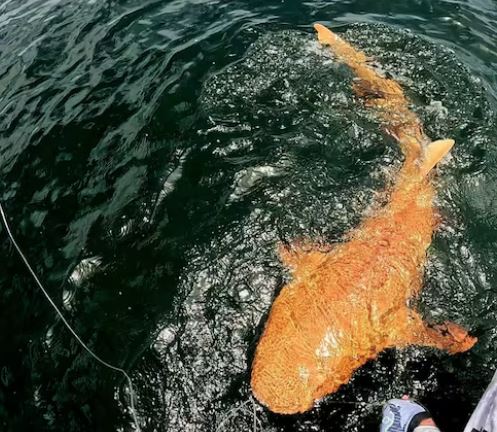
Photo Credit (Garvin Watson/Parismina Domus Dei

Scientists later confirmed this was no ordinary catch. The shark had both xanthism (a condition that boosts yellow pigmentation) and albinism, making it a one-in-a-million marvel. It’s the first documented case of xanthism in a nurse shark—proof that even the deep sea has a flair for drama.

If this creamsicle-colored wonder has you dreaming of underwater worlds, why not bring a splash of the ocean home? A well-designed aquarium can be a tranquil centerpiece, a sensory escape, and a nod to nature’s whimsy. [Affiliate link to aquariums] 🐠

Amazon

Whether you’re a marine biology buff or just love a good sea story, the Creamsicle Shark reminds us that the ocean still holds sweet surprises. And sometimes, they come in orange.

____________________________________________________________________________________________________________
Affiliate Disclosure: Some of the links in this post are affiliate links, which means I may earn a small commission if you make a purchase—at no extra cost to you. I only recommend products I genuinely love and think you’ll enjoy too. Thanks for supporting Around Dusty Roads and helping keep the storytelling flowing

Clowns of the Sea

Puffins, Clowns of the Sea

I love Puffins. Often called Clowns of the Sea, these charming seabirds earn their nickname thanks to their bright, multi-colored beaks, expressive facial markings, and pudgy little bodies. Add in their frantic wing-flapping and you’ve got a heartwarming, almost comical image that’s impossible not to adore. I love them so much that I embarked on a quest to see them live and in person—a surprisingly tricky endeavor on the East Coast of the USA.

Eastern Egg Rock, Maine – 2012

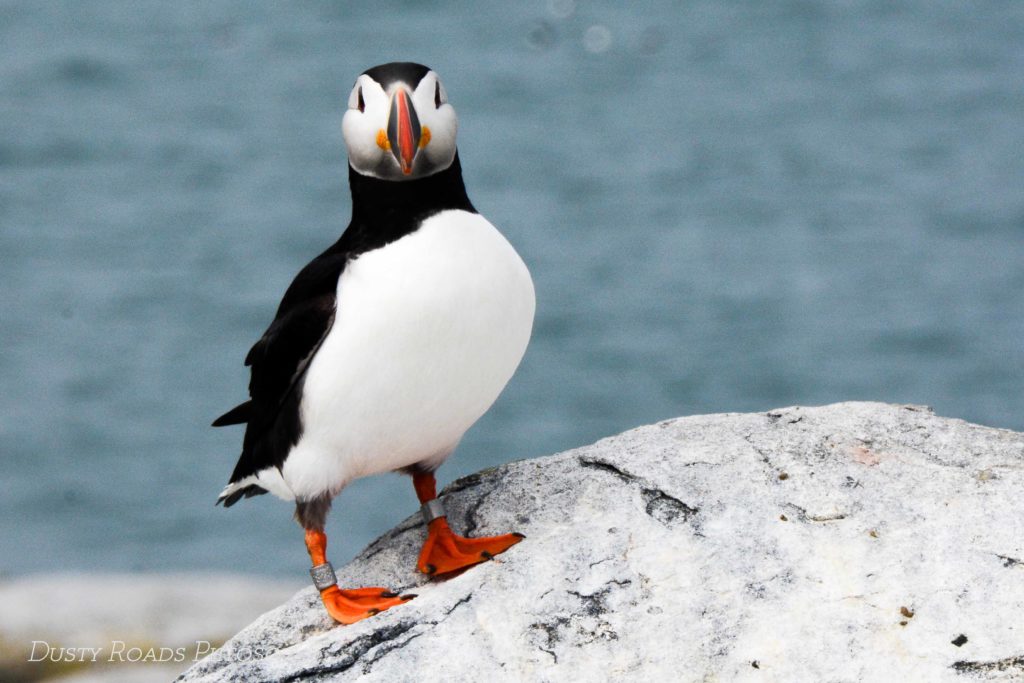
My first attempt was in 2012, when I joined an excursion to Eastern Egg Rock, a 7-acre island in Muscongus Bay, Maine, located about six miles east of New Harbor. It’s home to the world’s first restored seabird colony, including Atlantic Puffins. And it’s where I spotted my very first Puffin. They’re so little! Seeing one in the wild was a thrill, even if fleeting.

Puffin- Egg Island Maine 2012 photo credit Deb Neumann


Alaska – 2013

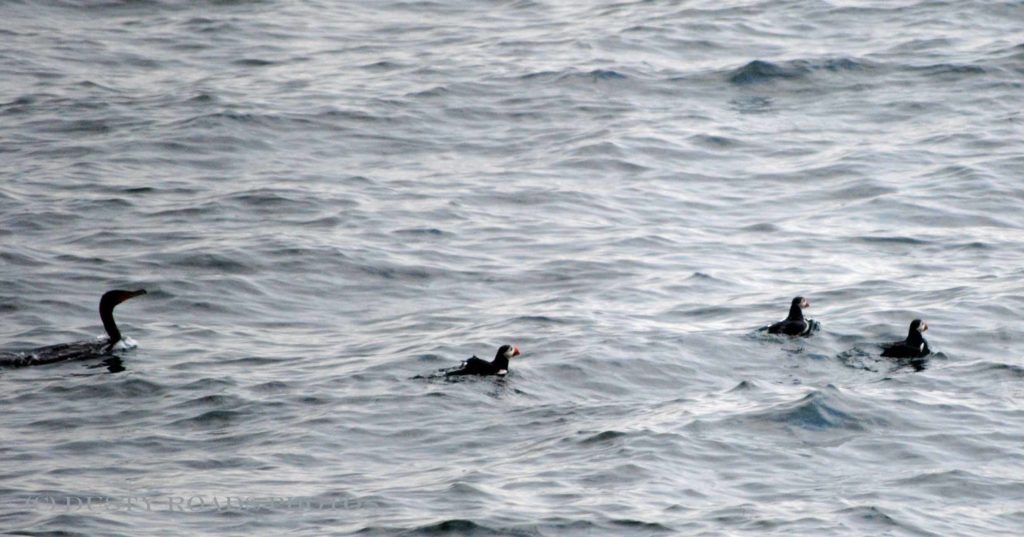
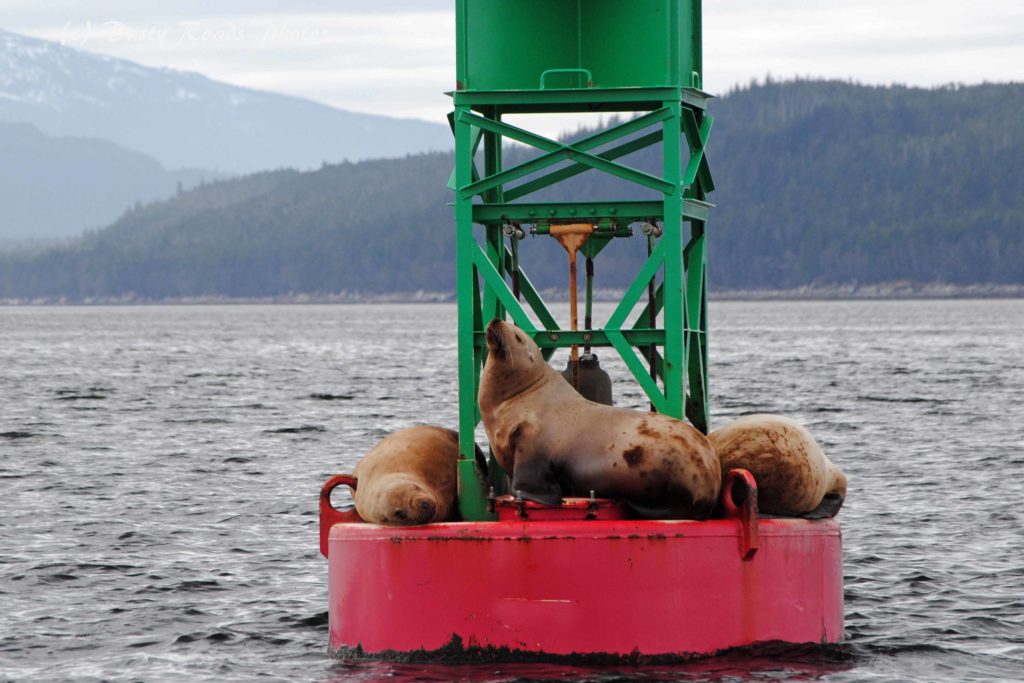
In 2013, I took a cruise to Alaska. I saw whales and sea lions, moose and caribou—even a couple of bears. But when the ship cruised past a raft of Puffins in Prince William Sound, I was curled up in my bunk, battling a bout of seasickness. Strike two on my Puffin quest.

Sea Lions Alaska 2013 Photo credit Deb Neumann

Machias Seal Island, Maine – 2016

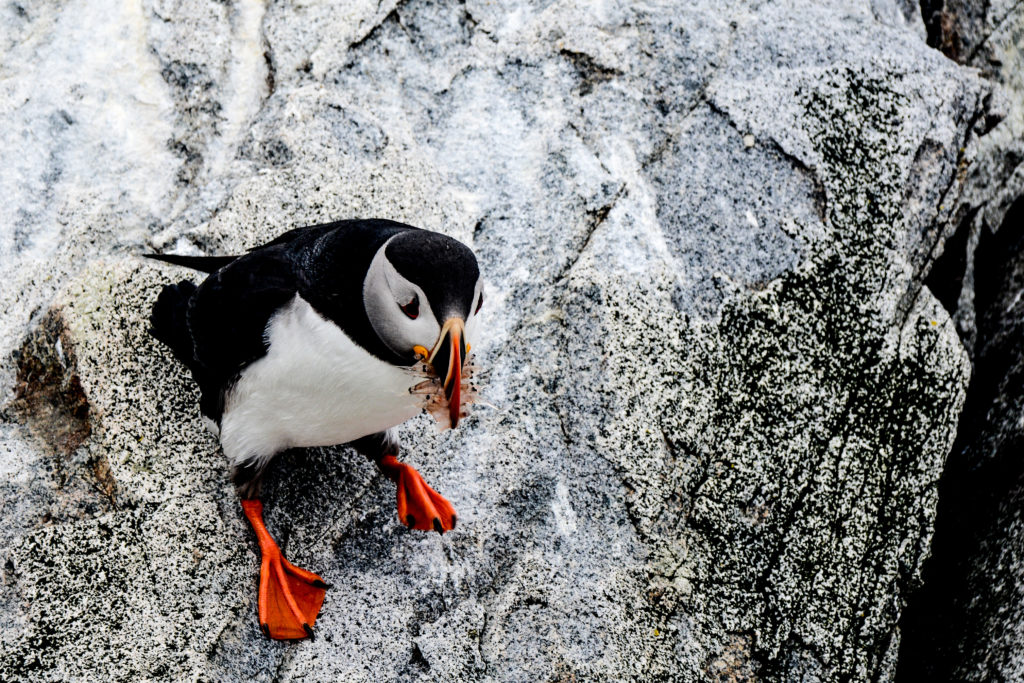
Then in 2016, I heard about a National Audubon trip to Machias Seal Island in the Bay of Fundy. Puffins? Yes, please—sign me up! This time, success. The trip was everything I’d hoped for. You can read all about it in my Around Dusty Roads post [linked here].

Machia Seal Island Puffin 2016 photo credit Deb Neumann


Puffling Season

So what got me thinking about Puffins today? I stumbled across a story from Iceland, where residents of a seaside town were reportedly throwing baby Puffins into the sea. The headline was alarming, so of course I had to dig deeper. Turns out, the town’s streetlights confuse fledgling Puffins—called Pufflings—making it difficult for them to find the ocean when they leave the nest. Since Puffins spend the next 3–4 years at sea before returning to land to mate, this disorientation could be disastrous. Thankfully, the townspeople created a Puffling Patrol, gently collecting the confused chicks and helping them reach the water safely. A beautiful example of community compassion and wildlife stewardship.

Puffin Photo credit Deb Neumann

Conclusion

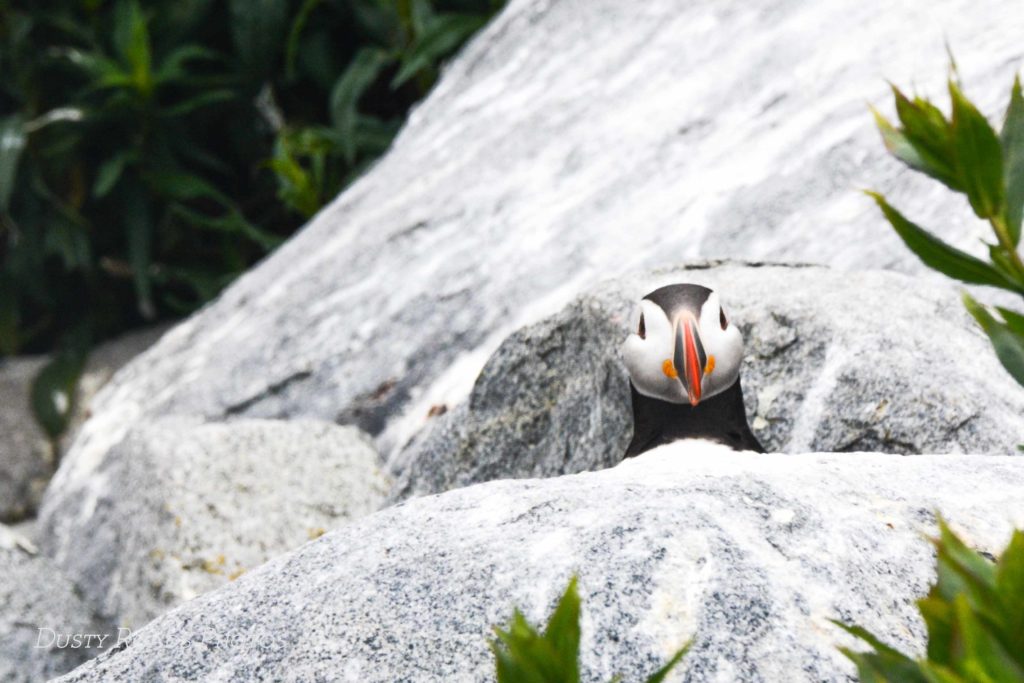
From Maine’s rocky islands to Iceland’s glowing coastlines, Puffins have a way of capturing hearts and stirring wonder. My journey to see them has been filled with detours, discoveries, and a deepening appreciation for these quirky little seabirds. Whether flapping frantically through the air or bobbing serenely on the waves, Puffins remind us that joy often comes in small, feathered packages—and that sometimes, the best adventures begin with a little obsession and a lot of heart.


Puffin Hide and Seek- photo credit Deb Neumann


The Majesty of Elk


🦌 The Majesty of Elk: A Wildlife Dream Fulfilled

For those who’ve followed my adventures for a while, you know that wildlife photography is one of my greatest joys. There’s something magical about spotting animals in their natural habitat—no fences, no enclosures, just raw, untamed beauty. And among the creatures I’ve longed to see, elk have always held a special place in my heart.

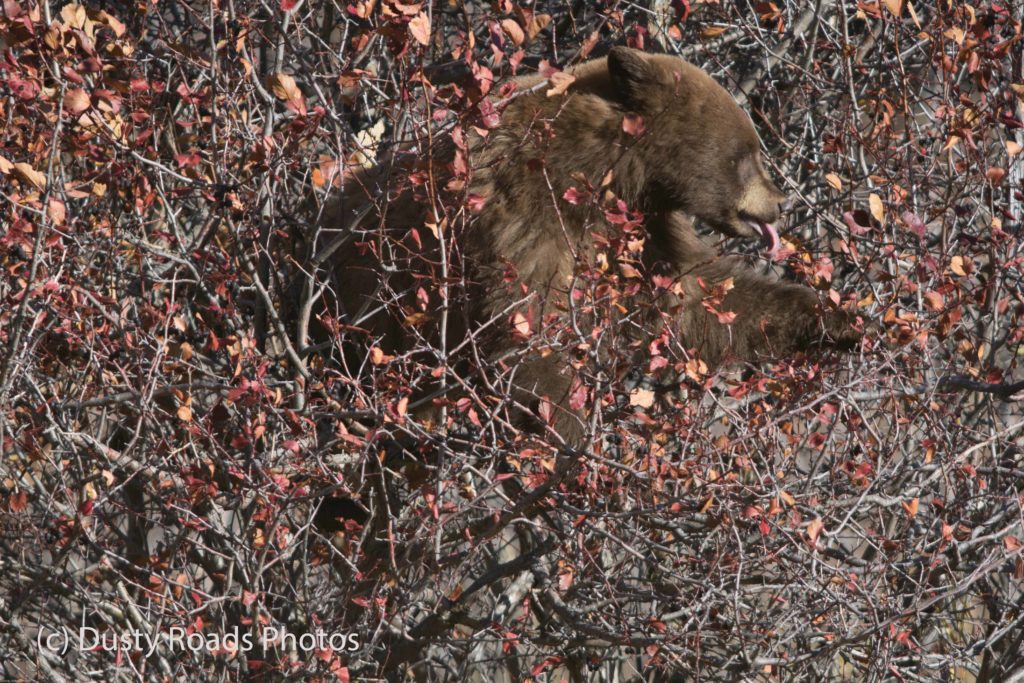
lunch of yummy berries

cinnamon colored black bear- but not Elk Wyoming 2017= photo credit Deb Neumann

🌾 The Elusive Elk

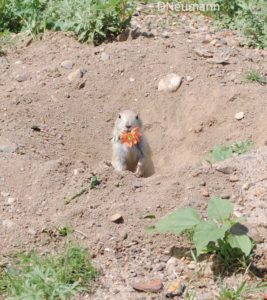
My quest to find elk in the wild has taken me across the country. In South Dakota, I encountered prairie dogs, wild horses, and sweeping landscapes that felt like scenes from a nature documentary. Locals assured me elk were nearby, but they always seemed to be just out of reach—like shadows slipping through the trees.

prairie dog with flower- Photo credit Deb Neumann

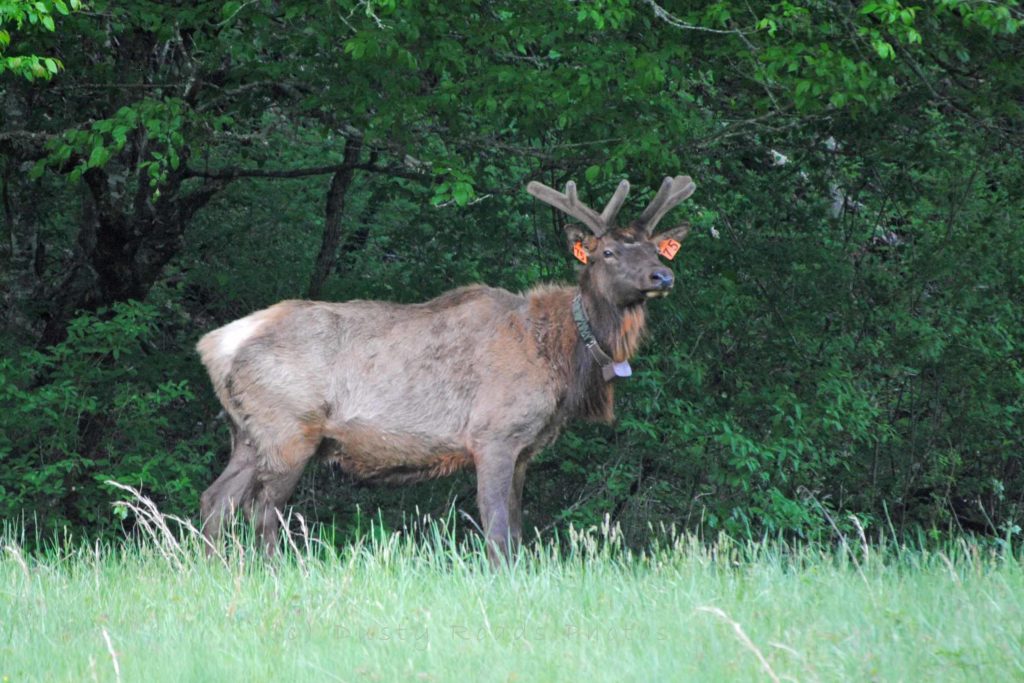
In 2014, I ventured into the mountains of Tennessee and North Carolina. There, I finally spotted some elk, but the experience was bittersweet. The herds were tagged and monitored, their movements restricted. They looked subdued, almost domesticated. I had imagined proud, wild creatures echoing their haunting bugle calls through the valleys—but the silence was deafening.

North Carolina 2014- photo credit Deb Neumann

🍁 A Journey to Jackson Hole

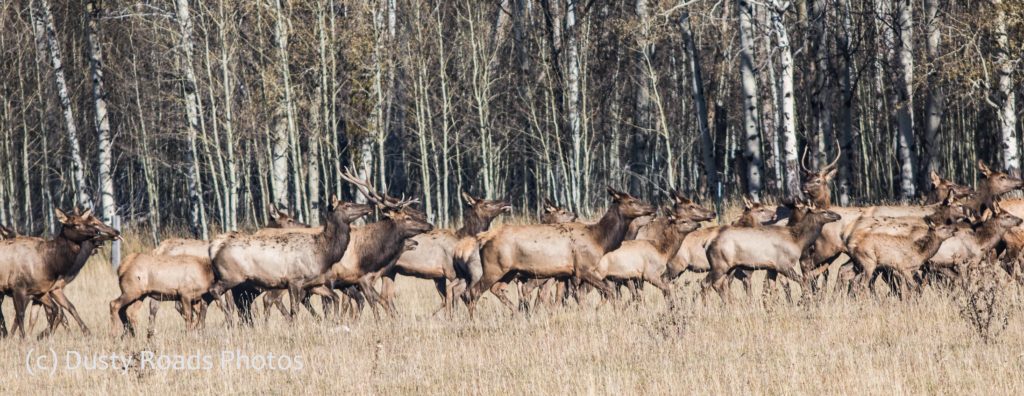
I began to think I’d need to travel all the way to Banff National Park in Canada to find the elk I’d dreamed of. But in October 2017, I made my way to Jackson Hole, Wyoming—just in time for the great elk migration.

Elk Migration

Elk Herd Outside Jackson Hole 2017- Photo credit Deb Neumann

Although I missed the rut and the iconic bugling calls, I was in the right place at the right time. The elk were moving south from Yellowstone to the National Elk Refuge near Jackson Hole. And that’s when it happened.

👑 A Vision Realized

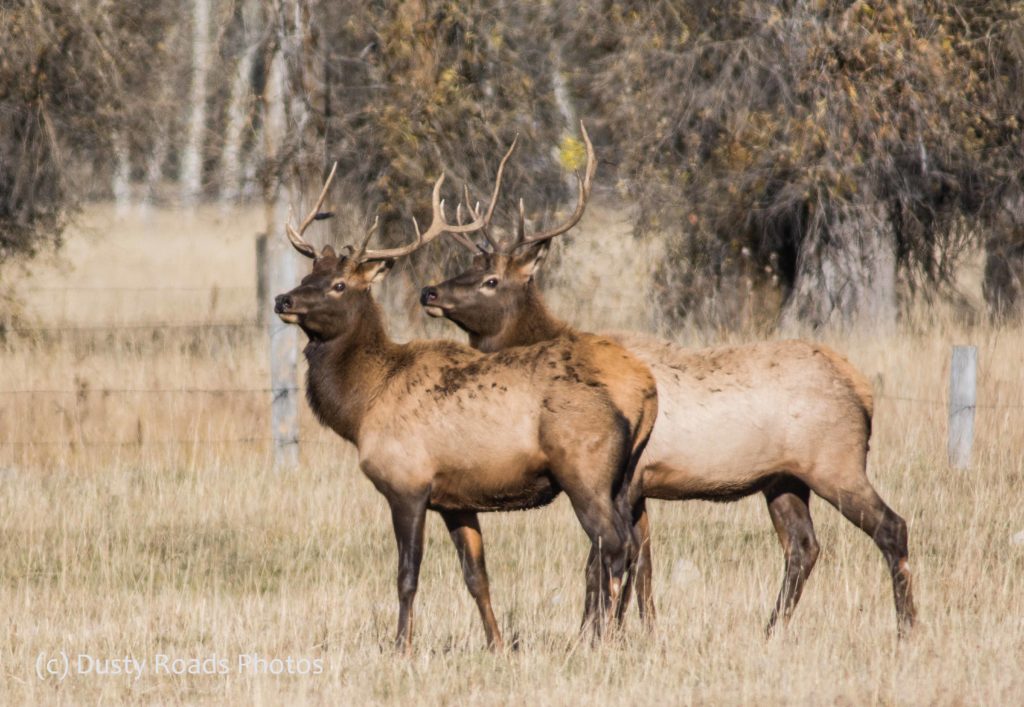
I finally saw them—my majestic elk. Towering bulls with massive antlers escorted graceful females across golden meadows. The herds were vast, the energy palpable. These elk were everything I had imagined: wild, proud, and breathtakingly beautiful.

A pair of Bull elk

Elk Bulls Oversee the Herd Wyoming 2017 – photo credit Deb Neumann

It was a moment years in the making, and one I’ll never forget.

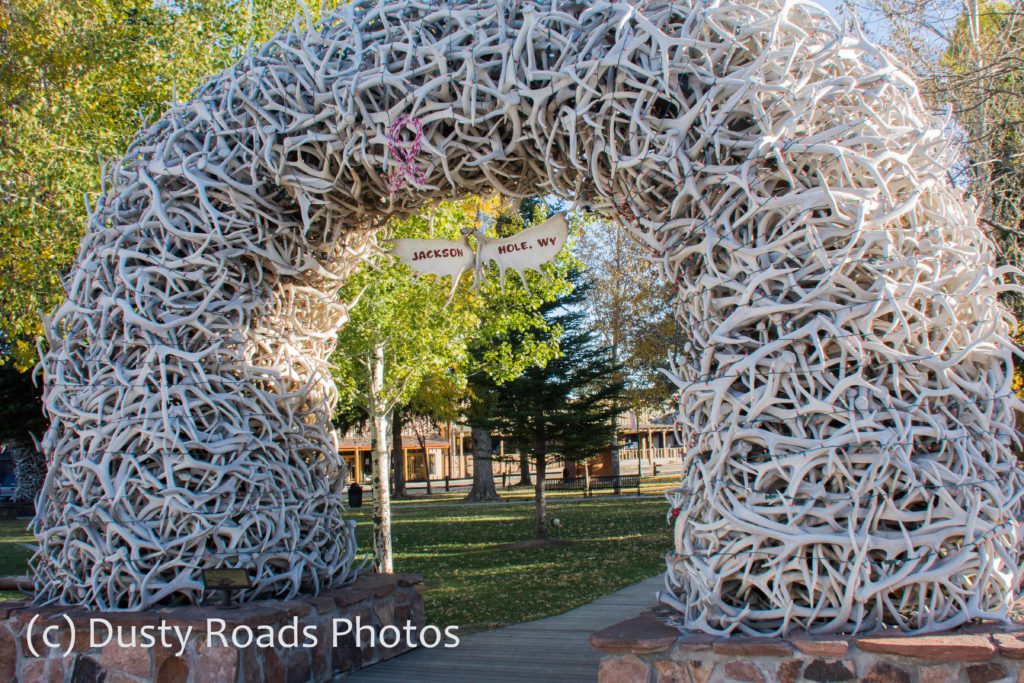
Antler Arch in Town Sq. Jackson WY

Elk Horn Arch Jackson Hole- photo credit Deb Neumann


Kīlauea: Hawaii’s Fiery Heartbeat

Hawaii

Considering my affection for Hawaii and my fascination with Kilauea, I think this post is long overdue. I just wish I could be spending some time there to watch Pele dance.

Kilauea 2025 Eruption Episodes - Fire And Wonder | Hawaii ...

Kilauea photo from Internet

🌋 Kilauea: Hawaii’s Fiery Heartbeat

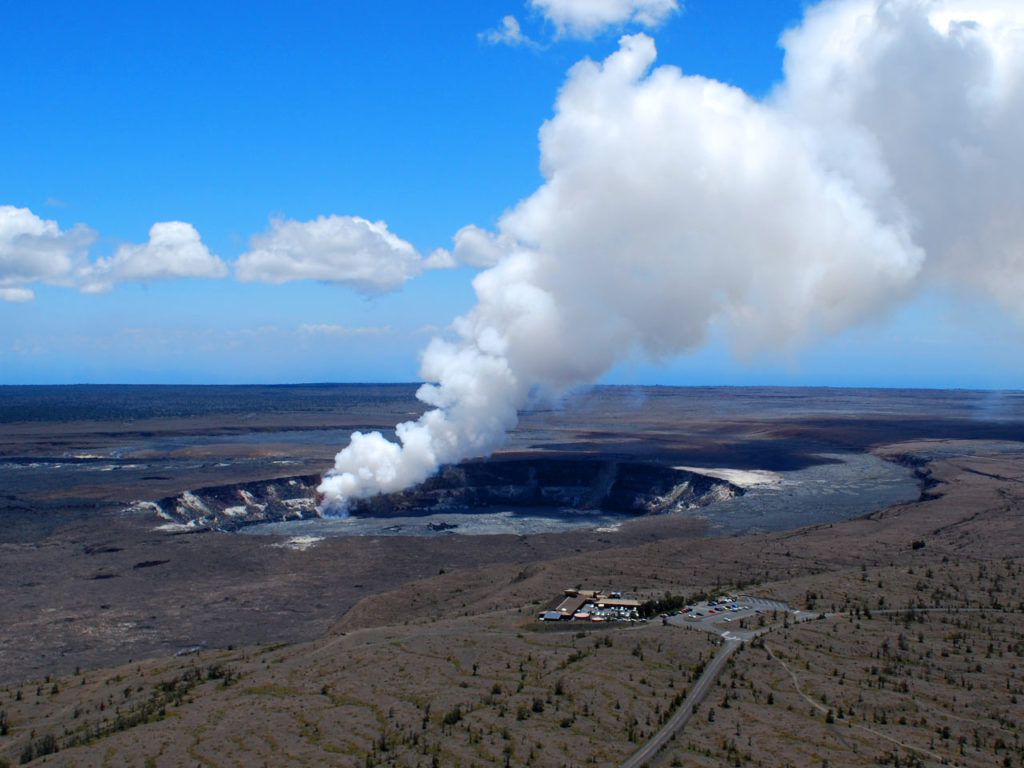
Nestled within the lush expanse of Hawaiʻi Volcanoes National Park, Kīlauea is more than just a geological marvel—it’s a living, breathing force that shapes the land, inspires awe, and commands deep respect. As one of the world’s most active volcanoes, Kilauea has been erupting intermittently since December 2024, continuing a legacy of fire that stretches back centuries.


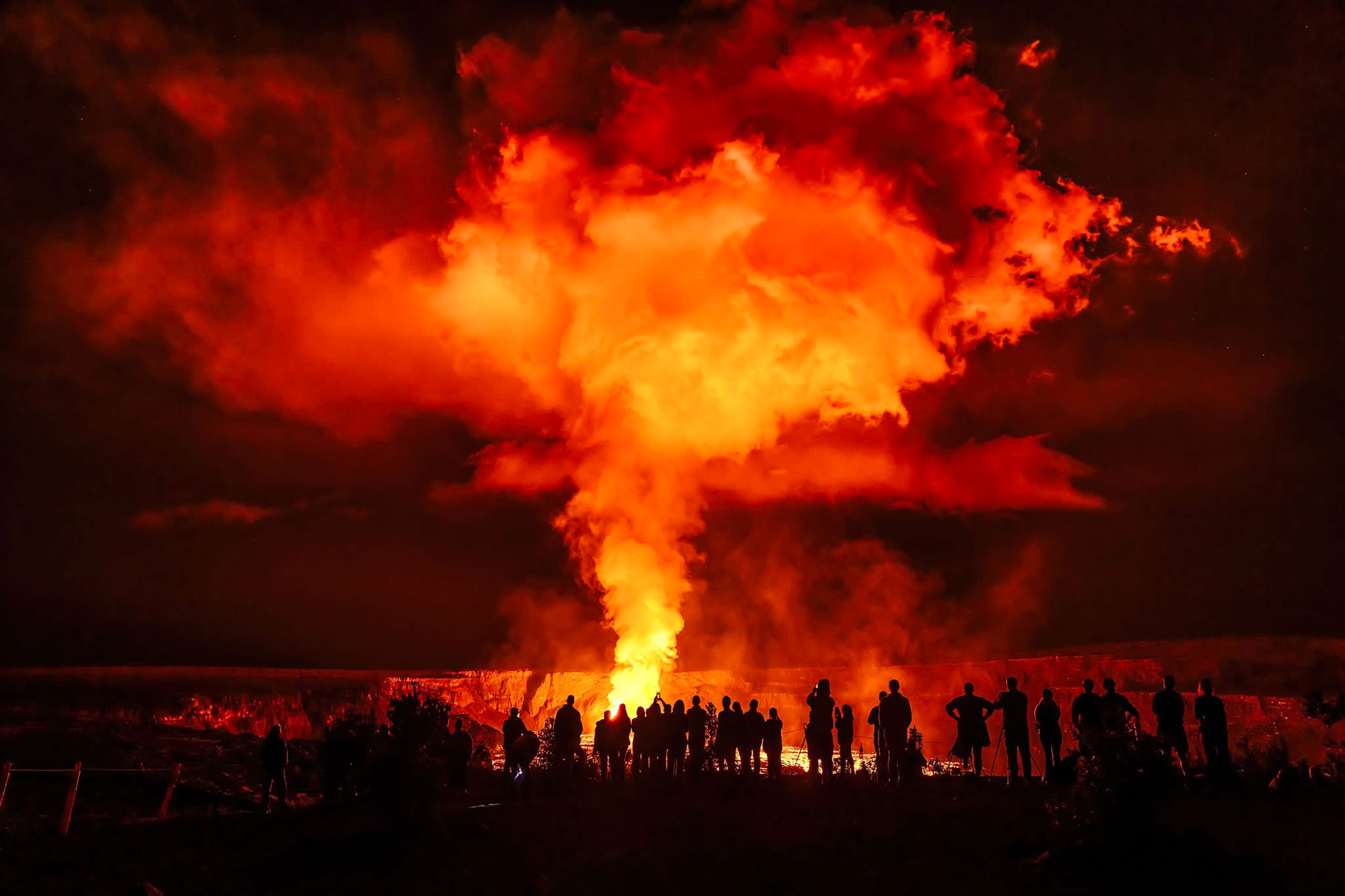
Hawaii volcano produces tall lava fountaining in latest episode of Kilauea  eruption | AP News

Photo AP news

🔥 A Volcano of Many Faces

  • Type: Shield volcano, known for its broad, gentle slopes and fluid lava flows.
  • Age: Formed underwater roughly 280,000 years ago.
  • Name Meaning: “Kilauea” translates to “spewing” or “much spreading” in Hawaiian—a fitting name for a volcano that has covered nearly 90% of its surface in lava over the past 1,000 years.
  • Summit Caldera: Kaluapele, home to Halemaʻumaʻu crater, is traditionally considered the dwelling place of Pelehonuamea, the Hawaiian goddess of volcanoes.

🌋 Eruption History & Recent Activity

Kīlauea’s eruptive history is both dramatic and transformative:

  • 1983–2018: A nearly continuous eruption along the East Rift Zone, centered at Puʻuʻōʻō and Kupaianaha vents.
  • 2018: A powerful eruption caused the collapse of Halemaʻumaʻu crater, expanding it dramatically and altering the summit landscape.
  • 2024–2025: A series of episodic eruptions have occurred within the summit caldera, including the recent Episode 29, which ended abruptly after 13 hours of lava fountaining that reached heights of up to 330 feet.
    Kilauea

    2017 Volcanic Vog

    Volcano Glow 2018 Photo credit Deb Neumann

    🌱 Creation and Destruction

    Kīlauea’s eruptions are typically nonexplosive, producing slow-moving lava that reshapes the land without the catastrophic blasts seen in other volcanoes. Yet its power is undeniable:

    • Halemaʻumaʻu Crater: Once home to a lava lake, it briefly held a water lake in 2019 before lava returned in 2020.
    • Cultural Significance: Native Hawaiians view Kilauea as sacred, a place where the goddess Pele manifests her creative force.

    🧪 Science Meets Spirit

    The U.S. Geological Survey and Hawaiian Volcano Observatory monitor Kilauea closely, using ground deformation, seismic activity, and gas emissions to predict eruptions. But beyond the data lies a deeper truth: Kilauea is a reminder of Earth’s raw power and the delicate balance between destruction and renewal.

    📸 A Glimpse into the Inferno

    Here are some stunning images of Kilauea in action:

    Kilauea Volcano Eruption Halemaʻumaʻu Crater Glow Lava Fountains

    🌍 Visiting Kilauea

    If you’re planning a trip to Hawaiʻi, Kilauea offers a rare chance to witness Earth’s inner workings. Trails, viewpoints, and educational exhibits within the national park provide safe and enriching ways to experience this volcanic wonder.


    Hawai'i - If you were approaching Hawaiʻi Volcanoes ...


Fly the Friendly Skies? A Closer Look at Aviation Safety in 2025

✈️ Fly the Friendly Skies? 

In recent months, headlines have been dominated by unsettling stories of midair collisions, emergency landings, and tragic crashes. From the fiery evacuation of an American Airlines jet in Denver to the devastating Jeju Air disaster in South Korea that claimed 179 lives, travelers are understandably asking: Is it still safe to fly?

Let’s unpack the turbulence.

Aerial view of the wreckage of an airplane that crashed with 61 people on board in Vinhedo, Sao Paulo State, Brazil, on August 9, 2024. An airplane...


🚨 Recent Incidents That Raised Eyebrows

  • Denver Gear Fire: A Boeing 737 MAX 8 aborted takeoff after its landing gear caught fire. Passengers evacuated via emergency slides, with one hospitalized.

  • Midair Collision in Washington, D.C.: A commercial jet collided with a military helicopter, killing 67 people—the deadliest U.S. airline crash in nearly 20 years.

  • Jeju Air Tragedy: A belly landing and runway overrun in South Korea led to one of the country’s worst aviation disasters.

  • Alaska Crash: A plane overloaded with moose meat and antlers crashed, highlighting the risks of improper cargo handling.

  • Near Misses: A Southwest flight plunged nearly 500 feet to avoid another aircraft, and a Delta pilot had to dodge a B-52 bomber.

These incidents have sparked public anxiety, with one in four Americans reporting increased nervousness about flying.

📊 The Bigger Picture: Is Flying Still Safe

Despite the drama, aviation experts and data tell a reassuring story:

    • Commercial aviation remains one of the safest modes of transportation.  . The fatality rate is roughly 1 in 11 million
        —far lower than driving.
  • Most incidents involve private or general aviation, not commercial airlines.
  • Rigorous safety protocols, pilot training, and aircraft technology continue to evolve, making flying safer each year.
  • Runway incursions and near misses are being addressed with infrastructure upgrades and new air traffic control systems.

As aviation professor Chad Kendall puts it: “Thousands of operations have occurred since these accidents. Highly professional pilots and air traffic controllers are doing this right now”.

🛫 So, Should You Fly the Friendly Skies?

Yes—with informed confidence.
While recent events have shaken public trust, they also serve as catalysts for improvement. The aviation industry is doubling down on safety, transparency, and innovation. And statistically, you’re far safer cruising at 35,000 feet than driving to the airport.
So next time you buckle up and hear the engines roar, remember: the skies are still friendly—just a little more watchful.

Cartoon Granny Flying Plane Vector Illustration Stock Vector | Adobe Stock