Jellyfish Jubilee: Celebrating the Ocean’s Drifting Wonders


🪼 Jellyfish Day: A Day to Celebrate Those Beautiful Invertebrates of the Ocean

Every year on November 3rd, Jellyfish Day invites us to marvel at one of the ocean’s most mesmerizing creatures. With their translucent bodies, hypnotic movements, and ancient lineage, jellyfish are both beautiful and mysterious. They’ve drifted through Earth’s oceans for over 500 million years, long before dinosaurs roamed the land. This day is a chance to honor their ecological role, learn about their diversity, and appreciate their surreal beauty. day
📜 A Brief History of Jellyfish Day

Jellyfish Day is a relatively new addition to the calendar of quirky nature holidays. While its exact origins are murky—much like the depths jellyfish inhabit—it likely emerged from marine conservation efforts and public fascination with these gelatinous drifters. Aquariums and ocean advocacy groups began spotlighting jellyfish to raise awareness about marine biodiversity and the threats facing ocean ecosystems.
⚠️ Venomous Jellyfish: Nature’s Elegant Danger

Not all jellyfish are harmless. Some pack a powerful sting:

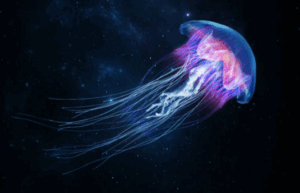
  • Box Jellyfish: Found in Indo-Pacific waters, their venom can cause cardiac arrest in minutes.
  • Lion’s Mane: The largest jellyfish species, with tentacles stretching over 100 feet.
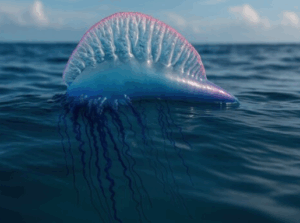
  • Portuguese Man o’ War: Not a true jellyfish, but its sting is notoriously painful.
  • Sea Nettle: Common along U.S. coasts, their sting causes irritation but is rarely dangerous.
🩹 What to Do If Stung

If stung by a jellyfish:

  • Rinse with vinegar (not fresh water).
  • Remove tentacles with tweezers.
  • Soak in hot water to ease pain.
  • Seek medical help for severe reactions.

🔁 The Immortal Jellyfish

Turritopsis dohrnii, dubbed the “immortal jellyfish,” can revert to its juvenile form after reaching maturity. This biological reset allows it to potentially live forever—unless eaten or injured. It’s a marvel of nature and a symbol of resilience.
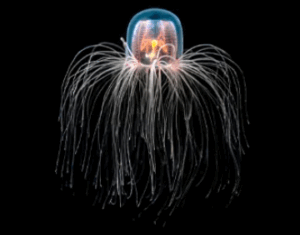
Immortal jellyfish

🌊 Jellyfish Invasion

Warming oceans and overfishing have led to jellyfish blooms—massive swarms that disrupt fisheries, clog power plants, and alter marine food webs. While stunning, these invasions signal ecological imbalance and the need for ocean stewardship.
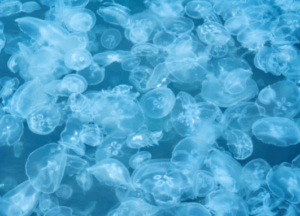
Jellyfish Invasion


🐠 Things to Do: Visit an Aquarium

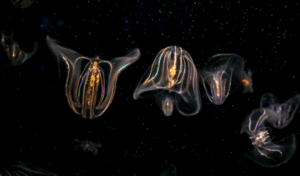
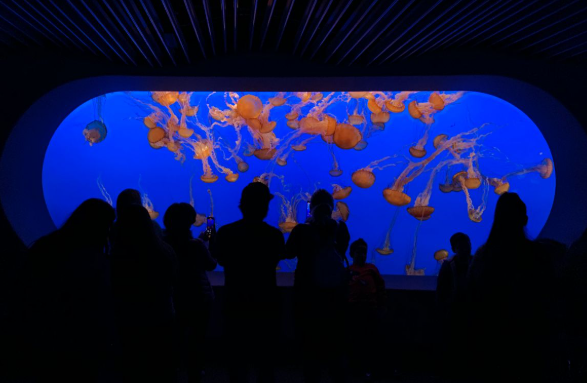
Celebrate Jellyfish Day by visiting a local aquarium. The New England Aquarium in Boston or Mystic Aquarium in Connecticut offer breathtaking jellyfish exhibits. Watch them pulse and glow in darkened tanks—it’s like stepping into a living lava lamp.

🎁 Wrap Up

Jellyfish Day is more than a celebration—it’s a reminder of the ocean’s delicate balance and the strange beauty that thrives within it. Whether you’re captivated by their elegance, intrigued by their biology, or inspired to protect their habitat, jellyfish offer endless wonder. So this November 3rd, let your curiosity drift and dive deep into the world of jellyfish.

Turkey Ring


A Cozy Twist on Thanksgiving: The Turkey Ring

I was cruising through Facebook, checking in on my Welcoming Haven ads, when a video caught my eye—something about Thanksgiving leftovers. Intrigued, I paused my scroll and gave it a watch. What unfolded was a delightfully clever idea that instantly sparked my curiosity. Why wait for leftovers? Since it’s just me this year, I thought, why not make my entire Thanksgiving dinner this way?

So without further ado, let me introduce you to the Turkey Ring—a simple, savory, and oh-so-satisfying dish that wraps all the classic flavors of Thanksgiving into one golden-brown bundle.

My first Try


How to Make It

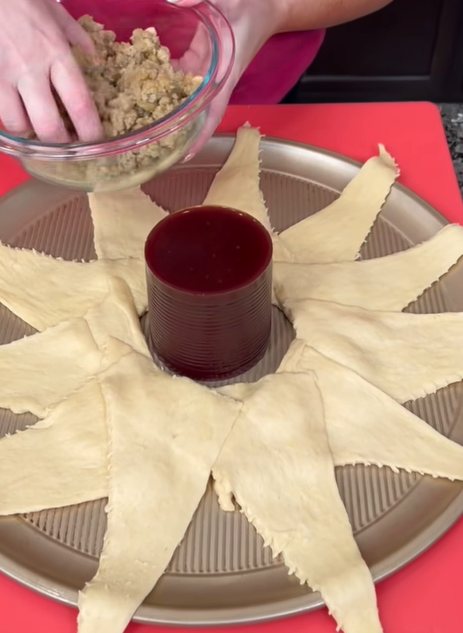
Start by placing a can of cranberry sauce in the center of a sheet pan. The video used a round pizza pan, but I made do with a cookie sheet—use what you have! Then, open a can of Pillsbury crescent rolls and arrange the dough around the cranberry can in a starburst pattern. The wide ends should point inward, overlapping slightly around the center.

the layout

Now comes the fun part: on each triangle, layer a small spoonful of stuffing, a slice of cranberry sauce, and a piece of turkey. Fold the narrow end of the dough over the filling and tuck it underneath to secure. Brush the tops with a light egg wash for that irresistible golden finish.

Bake at 375°F, following the crescent roll instructions, until the ring is puffed and beautifully browned. Be sure you remove the cranberry sauce can before you put the ring in the oven

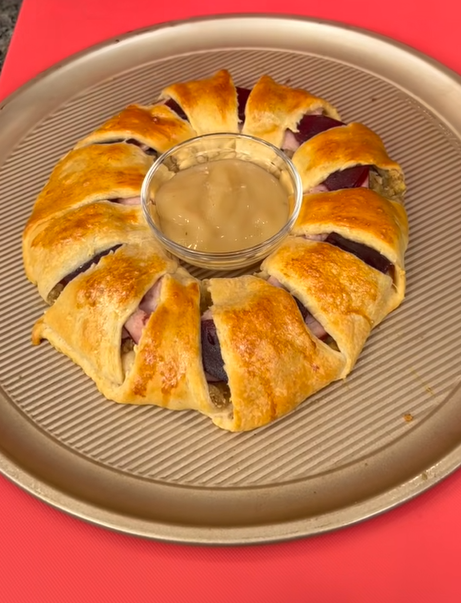
The Grand Finale

Once it’s out of the oven, place a small bowl of warm gravy in the center. The result? A stunning centerpiece that’s as tasty as it is charming. Just slice, dip, and enjoy!

The Professional


Whether you’re flying solo or feeding a small crowd, this Turkey Ring is a festive way to savor the season—with minimal fuss and maximum flavor.

Need to watch the video? Click here

Credit Home Hacks and Easy Snacks

Numbats: Tiny Tongues, Big Conservation Tales


Pack your curiosity! Let’s return to the land down under for a close-up look at one of its tiniest treasures—the numbat.

Meet the Numbat: Australia’s Striped Marvel

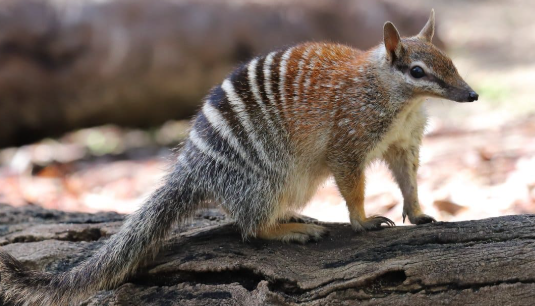
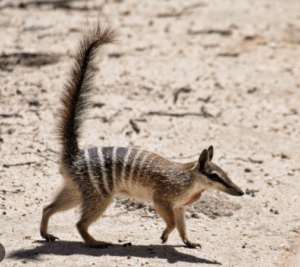
The numbat (Myrmecobius fasciatus), also known as the walpurti or banded anteater, is a small marsupial native to Australia. Once widespread across southern regions, their numbers have dwindled dramatically since the 1970s. Today, fewer than 1,000 numbats remain in the wild, mostly in isolated pockets of Western Australia and a few reintroduced populations in New South Wales and South Australia.

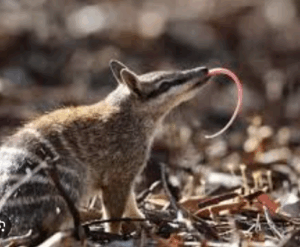
These creatures are daytime foragers, using their keen sense of smell and impressive tongues to hunt termites. Their bodies measure around 11 inches long, not including their bushy tails, and they rely on hollow logs for shelter—making habitat preservation critical.

World Numbat Day: A Global Call to Action

Since 2015, World Numbat Day has rallied conservationists and animal lovers alike to celebrate and protect this endangered species. Spearheaded by Project Numbat Inc., the day highlights the importance of community involvement, responsible pet ownership, and habitat conservation.

Even if you’re not in Australia, you can support numbats by sharing their story, donating to conservation efforts, and spreading awareness. Removing hollow logs from the bush may seem harmless, but for numbats, it’s a matter of survival.

Why Numbats Matter

Numbats aren’t just cute—they’re ecological indicators and cultural icons. Their survival depends on our choices, from predator control to habitat protection. Organizations like Project Numbat Inc., Perth Zoo, and the Australian Wildlife Conservancy are working tirelessly to ensure these tiny termite hunters don’t vanish from the landscape.

So next time you see a numbat photo, let it inspire action—not adoption. Celebrate their wildness, support their conservation, and let their story remind us that even the smallest creatures deserve a place in our world.

Can You Keep a Numbat as a Pet?

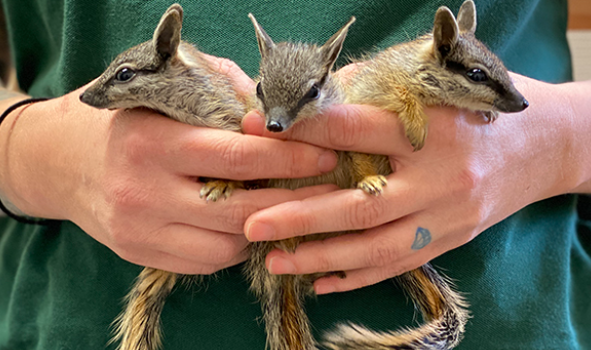
If you’ve ever stumbled across a photo of a numbat and thought, “I want one,” you’re not alone. With their striped coats, pointy noses, and squirrel-like charm, numbats look like they leapt out of a storybook. Technically, in Australia, it’s possible to keep a numbat as a pet—with the right permits and licenses. But before you start dreaming of a backyard banded anteater, there’s more to consider.

Numbats are wild marsupials with very specific needs. Their diet consists almost entirely of termites, and they use their long, sticky tongues—nearly four inches in length—to scoop them up. They’re solitary by nature and thrive in quiet, undisturbed environments. Trying to replicate their habitat in a home setting is not only difficult—it can be detrimental to their well-being. Admiring them from afar is the kindest choice.

Bridgewater Triangle Revisited


🎃  A Halloween Haunting 👻

Happy Halloween, dear readers! Since today marks the spookiest day of the year, it felt like the perfect time to revisit one of the eeriest corners of Massachusetts—the infamous Bridgewater Triangle.
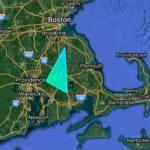

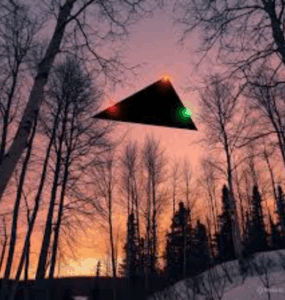
I first wrote about this mysterious region back in 2017 in a post aptly titled Bridgewater Triangle. At the time, it was still gaining traction in paranormal circles, having been introduced in the 1970s by cryptozoologist Loren Coleman in his book Mysterious America. Since then, the legend has only grown.

📍 What Is the Bridgewater Triangle?

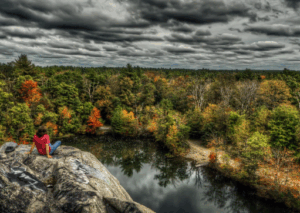
The Bridgewater Triangle spans roughly 200 square miles in Southeastern Massachusetts. Its three points are Abington, Rehoboth, and Freetown, but the interior includes a whole host of towns: Brockton, Whitman, West Bridgewater, East Bridgewater, Bridgewater, Middleboro, Dighton, Berkley, Raynham, Norton, Easton, Lakeville, Seekonk—and yes, Taunton. That means I’m right in the middle of it!


🧭 Why Now?

The Triangle recently resurfaced in pop culture thanks to an episode of Expedition X, one of Josh Gates’ paranormal adventure series. If you’ve followed Josh since Destination Truth launched in 2007, you’ve likely joined him on virtual journeys through Expedition Unknown, Legendary Locations, Expedition Files, and now Expedition X.

👽 Massachusetts’ Paranormal Hotspot

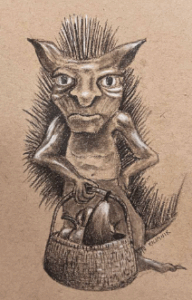
The Bridgewater Triangle is a magnet for the unexplained. Reports include UFO sightings, Bigfoot encounters, giant Thunderbirds, and the elusive Pukwudgie—small, human-like creatures from Wampanoag folklore. Their name translates to “little wild man of the woods that vanishes,” which feels especially fitting this time of year.
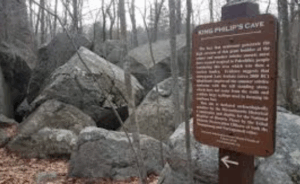
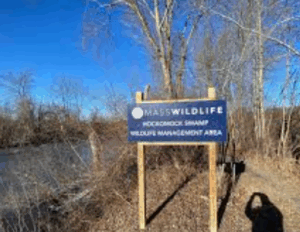
🕸️  Halloween Hotspots in the Triangle

If you’re feeling brave and want to explore the Triangle this Halloween, here are some of its most legendary—and spine-tingling—locations:

  • King Philip’s Cave (Norton, MA)
    Said to be the hiding place of Wampanoag Chief Metacomet (King Philip) during the final days of King Philip’s War (1675–1676).
  • Lake Nippenicket & Hockomock Swamp
    Often called the “Heart of the Triangle,” this area is steeped in local legend. It’s still on my must-visit list!
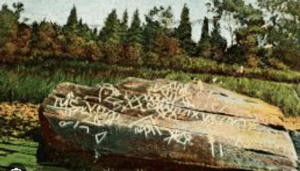
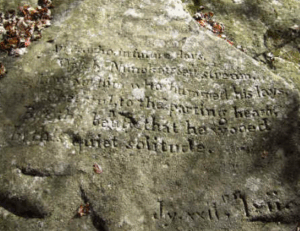
  • Solitude Stone (West Bridgewater)
    Tucked off Forest Street near the bridge, this mysterious stone bears an inscription that has puzzled visitors for decades.
  • Dighton Rock (Berkley, MA)
    A 40-ton boulder etched with ancient petroglyphs of unknown origin. Theories range from Native American carvings to Norse explorers.
  • Freetown-Fall River State Forest
    This forest has a dark reputation, with reports of cult activity, animal sacrifices, ritualistic murders, gang violence, and suicides. Not for the faint of heart.

There are more haunted spots—including several buildings at Bridgewater State University—but we’ll save those for another year.

🕷️ Until Then…


Wishing you a Spooktacular Halloween filled with mystery, magic, and maybe a few goosebumps. If you dare to explore the Triangle, let me know what you find… or what finds you.


Echoes of Samhain


Echoes of Samhain: Ireland’s Ancient Festival and the Spirit of Halloween

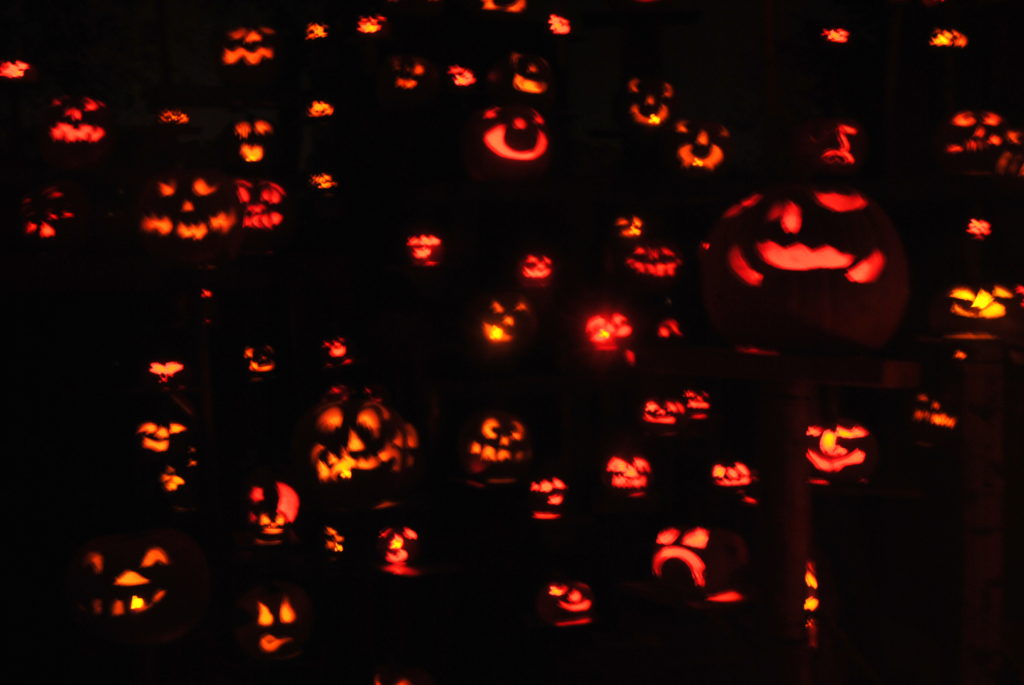
As October winds whisper through Taunton’s trees and jack-o’-lanterns flicker on porches, it’s easy to forget that Halloween’s roots stretch far beyond candy and costumes. This beloved holiday traces its lineage to Samhain (pronounced “SOW-in”), a mystical Celtic festival celebrated in Ireland over 2,000 years ago. At Around Dusty Roads, we love digging into the folklore behind modern traditions—and Samhain is a treasure trove of eerie enchantment.

Samhain: A Portal Between Worlds

For the ancient Celts, Samhain marked the end of the harvest and the beginning of winter. The Celts celebrated Samhain on October 31st, marking it as their New Year—a mystical time when the veil between the living and the dead thinned. They believed spirits roamed freely that night, so villagers took precautions to protect themselves. Animal-skin costumes and bone masks helped disguise the living from the dead, while bonfires blazed to ward off malevolent forces. Offerings of food were left out to appease wandering souls.

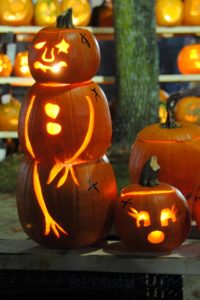
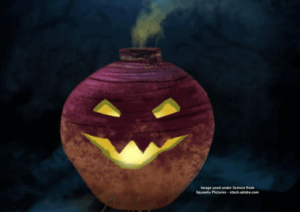
One of the most haunting traditions? Carving turnips into lanterns. These ghostly gourds, lit from within by embers, were placed in windows to scare away evil spirits. They were the original jack-o’-lanterns—long before pumpkins took center stage.


From Pagan Rituals to Pumpkin Patches

As Christianity spread through Ireland, Samhain’s customs blended with All Saints’ Day, giving rise to All Hallows’ Eve. In the 19th century, Irish immigrants carried these traditions to America, where they evolved in new ways. Pumpkins—larger and easier to carve than turnips—became the lantern of choice. Trick-or-treating emerged as a playful twist on ancient offerings, and Halloween transformed into the festive celebration we know today.

Halloween in Modern Ireland

Back in Ireland, Halloween remains a spirited affair. The last Monday in October is a public holiday, and many communities still honor age-old customs. Turnip lanterns, holy water rituals, and fortune-telling games with apples and barmbracks (a fruit-studded bread) echo the past. Families also use the night to remember loved ones, leaving out food and firewood as gestures of welcome.


🛠️ Affiliate Disclosure: This post may contain affiliate links for turnip and pumpkin carving kits. If you purchase through these links, Around Dusty Roads may earn a small commission—at no extra cost to you. Every recommendation is chosen with care to match our nature-loving, storytelling spirit.

Order your carving kit here