World Lizard Day & Balboa’s Birthday Bash

🦎 World Lizard Day & Balboa’s Birthday Bash

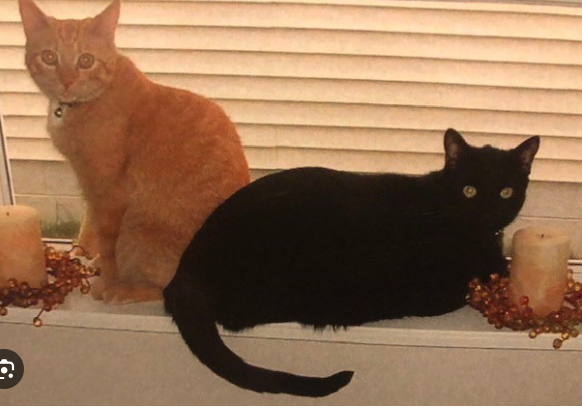
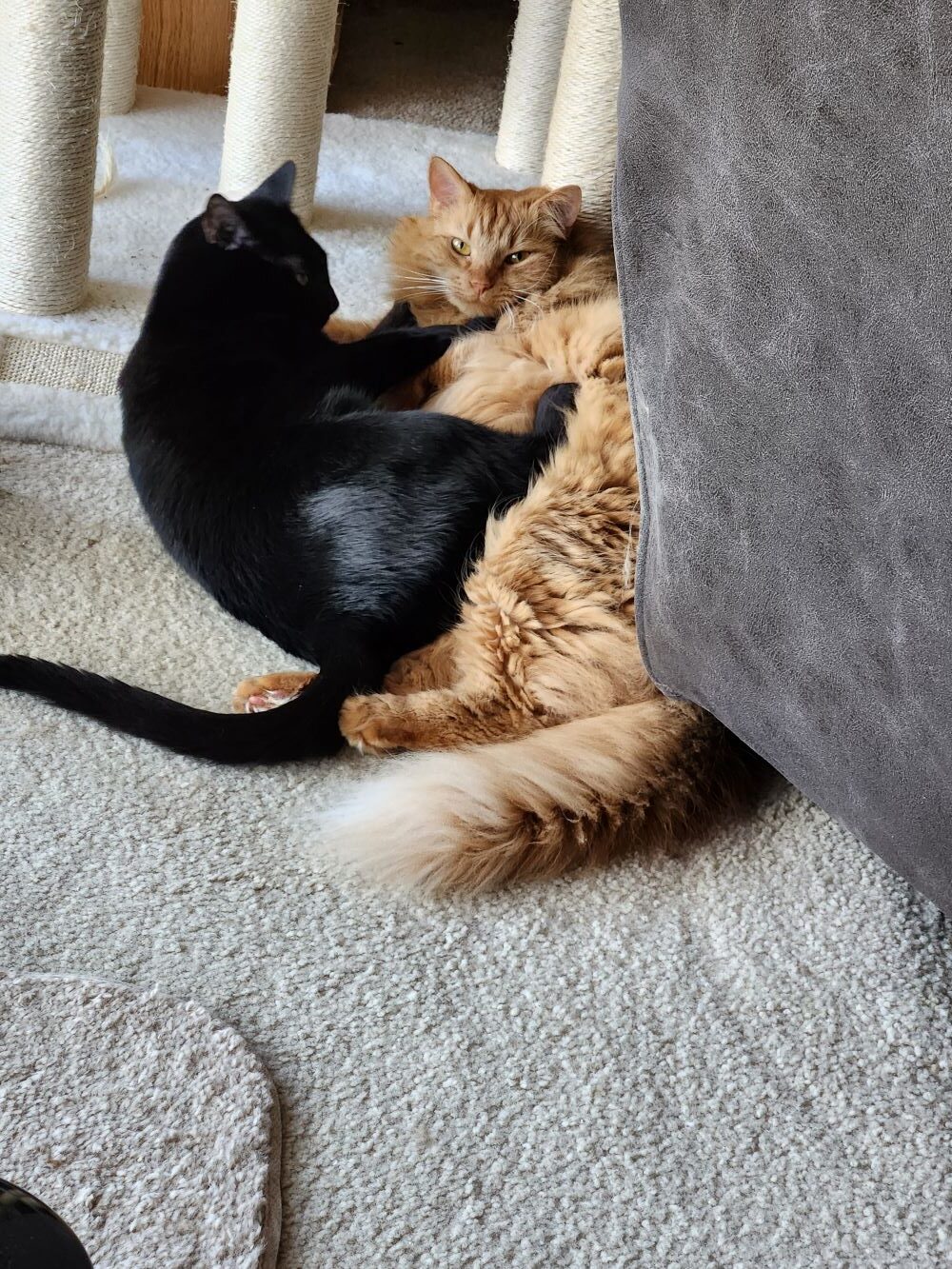
Today is Balboa’s 5th Birthday! 🎉

Balboa – photo credit Deb Neumann

Happy Birthday, sweet boy—love you bunches. You’re sharing your special day with World Lizard Day, which might not be your idea of a party theme, but I couldn’t resist celebrating these scaly wonders.

Florida Iguana – photo credit Deb Neumann

I might be a little weird, but I genuinely like lizards. They fascinate me. I especially adore those tiny lizards I see everywhere when I visit Florida. I believe they’re called Anoles—there are brown ones and green ones, and I think they’re seriously cute. They dart around like little garden ninjas.

It's not easy being a green anole | | islandernews.com

Photo- Internet


Then there are the Iguanas. Bigger, bolder, and a bit intimidating. They come in vibrant shades of green and orange, lounging like royalty on sidewalks and rooftops.

So in honor of World Lizard Day (and Balboa’s birthday, of course), here are some fun and fascinating facts about lizards that might just make you see them in a whole new light. I may find them interesting, but don’t worry—I’m not about to bring one home as a pet.

Jurassic World Evolution Dilophosaurus Compatibility | Jurassic 2025 World  Evolution Dinosaur Skins


🌿 12 Lizard Facts to Make You Smile (or Squirm)

  1. Tail Tricks
    Many lizards can detach their tails to escape predators. The tail keeps twitching while the lizard makes a clean getaway—like a magic act with a dramatic exit.
  2. Color-Changing Cuties
    Green Anoles can shift from green to brown depending on mood, temperature, or stress. They’re like tiny, scaly mood rings.
  3. Built-In Motion Sensor
    Iguanas have a “third eye” on top of their heads called a parietal eye. It doesn’t see images but detects light and movement—perfect for spotting sneaky predators.
  4. Push-Up Power Moves
    Lizards often do push-ups or head bobs to show dominance or attract mates. It’s like their version of flexing at the gym.
  5. Water Walkers
    The Basilisk lizard can run across water using its speed and wide feet. It’s nicknamed the “Jesus Lizard” for this miraculous feat.
  6. Tongue-Tasting the Air
    Like snakes, lizards use their tongues to “taste” the air and detect scents. It’s their way of sniffing out dinner or danger.
  7. Sun Worshippers
    Being cold-blooded, lizards bask in the sun to warm up and energize. You’ll often find them stretched out on rocks like tiny solar panels.
  8. Natural Pest Control
    Lizards love munching on insects like mosquitoes, flies, and ants. They’re nature’s pest patrol—no chemicals required.
  9. Miniature Dragons
    Draco lizards can glide between trees using wing-like ribs. They’re real-life dragonlets soaring through the forest canopy.
  10. Ancient Survivors
    Lizards have been around for over 200 million years. They’ve outlived dinosaurs and still strut their stuff across the globe.
  11. Venomous but Chill
    The Gila monster and Mexican beaded lizard are venomous, but they’re slow-moving and rarely aggressive. Just don’t poke them.
  12. All-Female Wonder Lizards
    Some whiptail lizard species reproduce without males through parthenogenesis. No dates, no drama—just cloning themselves like pros.

So here’s to Balboa,

Balboa’s Stare – photo credit Deb Neumann

to lizards, and to the wild, wonderful world we share with creatures great and small. Whether they’re sunbathing on a Florida fence or gliding through jungle trees, lizards remind us that nature is endlessly inventive—and occasionally adorable.

green iguana- photo credit Deb Neumann


The Joy of Cooking (and Why the Right Tools Matter)

The Joy of Cooking (and Why the Right Tools Matter)

When I was a kid, there was always a big red cookbook in the house—The Joy of Cooking. My grandmother cooked at a resort on Lake George, NY. My mom wasn’t a professional, but she was a fantastic cook.

Me? I wanted nothing to do with the kitchen. Good food just seemed to appear like magic, so why would I bother learning?

The Big Surprise

That changed the day I moved out on my own. Suddenly, food didn’t just appear—and I quickly learned that The Joy of Cooking wasn’t just in a book. It was in the process: combining ingredients, watching them turn into something delicious, and sharing it with people you love.

And here’s the secret I wish I’d learned sooner: having the right tools makes everything easier—whether you’re cooking, sewing, or painting.

Why Tools Matter

  • A paring knife instead of a steak knife? Game changer.

  • A lid that actually fits the pot? Total revelation.

  • The right baking pan? It can make or break your brownies.

Sure, you can make popovers in a muffin tin, but they won’t be those light, airy, high-rising beauties. And yes, brownies baked in the wrong size pan will still taste good—but maybe not “bring to the potluck” good.

My Stir Fry Upgrade

One of my favorite quick meals is stir fry. For years, I made it in a cast iron skillet, and it was fine. Then one Christmas, my sister gave me a wok. Wowza! Total game-changer.

Here’s my tip: before you start, prep everything. Stir fry moves fast, and you don’t want to be chopping garlic while your chicken is burning. Switching to a wok not only sped up my cooking—it made every bite taste better.


Chicken and asparagus stir fry in a savory brown sauce.


Recipe: Chicken & Asparagus Lemon Stir Fry

Serves: 4
Time: About 20 minutes

Ingredients

  • 1 ½ lbs skinless chicken breast, cut into 1-inch cubes
  • Kosher salt, to taste
  • ½ cup chicken broth
  • 2 tbsp soy sauce
  • 2 tsp cornstarch
  • 2 tbsp water
  • 1 tbsp vegetable oil (such as canola)
  • 1 bunch fresh asparagus, trimmed & cut into 2-inch pieces
  • 6 cloves garlic, chopped
  • 1 tbsp fresh ginger, chopped
  • 3 tbsp fresh lemon juice
  • Black pepper, to taste (I like coarse-ground)

Directions

  1. Season chicken lightly with salt. In one bowl, mix chicken broth + soy sauce. In another, whisk cornstarch + water until smooth.
  2. Heat a large nonstick wok over medium-high. Add 1 tsp oil + asparagus. Cook 3–4 min until tender-crisp. Add garlic + ginger, cook 1 min. Remove and set aside.
  3. Increase heat to high. Add 1 tsp oil + half the chicken; cook 4 min per side until browned. Remove and repeat with remaining chicken + oil.
  4. Add soy sauce mixture to wok; boil 1½ minutes. Stir in lemon juice + cornstarch mix until slightly thickened.
  5. Return chicken + asparagus to wok; toss well. Serve hot.

Where to Find a Good Wok

Easy Clean Wok- available through Welcoming Haven.com


You can find woks in the kitchen section at Welcoming Haven. If theirs don’t fit your needs, check my affiliate link to Amazon for a wider selection.

And if you try this recipe—tag me or drop a comment. I’d love to know how it turned out!


The Majesty of Elk


🦌 The Majesty of Elk: A Wildlife Dream Fulfilled

For those who’ve followed my adventures for a while, you know that wildlife photography is one of my greatest joys. There’s something magical about spotting animals in their natural habitat—no fences, no enclosures, just raw, untamed beauty. And among the creatures I’ve longed to see, elk have always held a special place in my heart.

lunch of yummy berries

cinnamon colored black bear- but not Elk Wyoming 2017= photo credit Deb Neumann

🌾 The Elusive Elk

My quest to find elk in the wild has taken me across the country. In South Dakota, I encountered prairie dogs, wild horses, and sweeping landscapes that felt like scenes from a nature documentary. Locals assured me elk were nearby, but they always seemed to be just out of reach—like shadows slipping through the trees.

prairie dog with flower- Photo credit Deb Neumann

In 2014, I ventured into the mountains of Tennessee and North Carolina. There, I finally spotted some elk, but the experience was bittersweet. The herds were tagged and monitored, their movements restricted. They looked subdued, almost domesticated. I had imagined proud, wild creatures echoing their haunting bugle calls through the valleys—but the silence was deafening.

North Carolina 2014- photo credit Deb Neumann

🍁 A Journey to Jackson Hole

I began to think I’d need to travel all the way to Banff National Park in Canada to find the elk I’d dreamed of. But in October 2017, I made my way to Jackson Hole, Wyoming—just in time for the great elk migration.

Elk Migration

Elk Herd Outside Jackson Hole 2017- Photo credit Deb Neumann

Although I missed the rut and the iconic bugling calls, I was in the right place at the right time. The elk were moving south from Yellowstone to the National Elk Refuge near Jackson Hole. And that’s when it happened.

👑 A Vision Realized

I finally saw them—my majestic elk. Towering bulls with massive antlers escorted graceful females across golden meadows. The herds were vast, the energy palpable. These elk were everything I had imagined: wild, proud, and breathtakingly beautiful.

A pair of Bull elk

Elk Bulls Oversee the Herd Wyoming 2017 – photo credit Deb Neumann

It was a moment years in the making, and one I’ll never forget.

Antler Arch in Town Sq. Jackson WY

Elk Horn Arch Jackson Hole- photo credit Deb Neumann


The Whispering Grasslands: Do Plants Communicate?

🌾 The Whispering Grasslands: Do Plants Communicate?

Beneath the rustle of prairie winds and the hush of meadow mornings, a quiet conversation unfolds—one we’re only just beginning to understand. The idea that plants can “talk” may sound like something out of a fantasy novel, but science and folklore alike suggest that the grasslands are far from silent.

photo credit Deb Neumann


🌱 Rooted in Connection: The Science of Plant Communication

Recent studies reveal that plants aren’t the passive green statues we once thought. They send chemical signals through the air and electrical impulses through their roots. Some highlights:

  • Volatile Organic Compounds (VOCs): When under attack by pests, plants release airborne chemicals that warn nearby neighbors to prepare their defenses.
  • Mycorrhizal Networks (“Wood Wide Web”): Underground fungal threads connect plant roots, allowing them to share nutrients and even distress signals.
  • Touch and Light Responses: Vines reach toward supports, sunflowers track the sun, and mimosa leaves fold when touched—each movement a form of response.
5 Things You Didn't Know About Venus Flytraps | College of ...

Touchy Venus Flytrap- photo internet

It’s not speech as we know it, but it’s communication nonetheless.

🌾 Folklore & Whispered Legends

Long before science caught on, storytellers sensed something magical in the way plants behaved:

  • Native American traditions often speak of plants as sentient beings with spirits and wisdom to share.
  • In Celtic lore, sacred groves were places of communion—where trees were believed to murmur secrets to those who listened.
  • Even modern gardeners talk to their plants, believing that kindness helps them thrive. Maybe it’s not so far-fetched.
Sacred Trees of the Celts and Druids

Sacred tree of the Celts- photo internet

🐜 Eavesdropping on the Meadow

Next time you walk through a field, pause. Notice how the grasses lean toward each other, how wildflowers seem to bloom in clusters, how the breeze carries more than just pollen. Could it be that the plants are whispering?

Maybe they’re warning of a hungry rabbit. Maybe they’re celebrating the rain. Or maybe they’re simply saying hello.

Photo credit Deb Neumann


🌻 Closing Thought

The grasslands may not speak in words, but they hum with life, intention, and quiet intelligence. If we learn to listen—not just with ears, but with curiosity—we might finally hear what the earth has been saying all along.

Quiet Trail in Sedona- photo credit Deb Neumann


Celebrating World Lion Day


🦁 Roar for the Royals: Celebrating World Lion Day

Just last week, we honored the striped majesty of tigers for International Tiger Day, marveling at their stealth, power, and endangered status. Today, we turn our gaze to another regal feline—the lion. August 10th is World Lion Day, a global celebration of the species that has long ruled both savannas and symbolism. From ancient empires to modern conservation efforts, lions embody strength, unity, and a roar that echoes through time. But behind their iconic image lies a pressing need for protection and awareness.

9,000+ Best Lion Images & Free HD Stock Photos - Pixabay

Photo Credit Pixabay Stock Photos

🧭 Where Lions Still Roam

  • African Lions: Found across sub-Saharan Africa, though their range has shrunk dramatically.
  • Asiatic Lions: Exclusively found in India’s Gir Forest and now expanding into Barda Wildlife Sanctuary, where conservation efforts are thriving.

King of Beasts, Animal Kingdom, Disney World, Orlando FL- photo credit Deb Neumann

🌍 Conservation Highlights

  • India’s Lion Success: Asiatic lion numbers have risen from 674 in 2020 to 891 in 2025, thanks to community-led conservation and initiatives like Project Lion.
  • Global Awareness: Events from Gujarat to Romania are spotlighting lions through education, art, and even lion-themed birthday cakes.

Orlando. Fla – photo Credit Deb Neumann

🧠 Did You Know?

  • Lions are the only big cats that live in social groups called prides.
  • Their roar can be heard up to 5 miles away.
  • Lions are facing threats from poaching, habitat loss, and human-wildlife conflict, especially in Africa.
Lions - Wild Animals News & Facts

Stock Photo

💡 How You Can Help

  • Support organizations like Lion Guardians, Panthera, and World Animal Protection.
  • Avoid tourist attractions that exploit captive lions.
  • Share awareness through your blog and social media.
lion-family-baby-lions-hd-wallpaper : r/Lions

Stock photo

🖋️ Closing Thoughts

Lions may be kings of the jungle, but they need our help to keep their thrones. On World Lion Day, let’s honor their legacy—not just with admiration, but with action. Whether it’s a donation, a post, or a conversation, every roar counts.

King of NYC Alex the lion by diegohuanca on DeviantArt

King Alex/ Madagascar