The Day Nixon Protected the Wild


How December 28 Changed Our Natural World

Every so often, history hands us a moment that reshapes the way we care for the planet. December 28, 1973, was one of those days. On that winter afternoon, President Richard Nixon signed the Endangered Species Act (ESA) into law—an act that would become one of the strongest environmental protections in the world. And yes, it came from a president whose legacy is… complicated.

A Notorious Presidency: Why Nixon’s Name Still Echoes

Richard Nixon remains one of the most talked‑about presidents in American history. His administration was marked by the Watergate scandal, a political crisis that led to investigations, resignations, and ultimately his own resignation from office. The phrase “I am not a crook,” which he famously said in response to allegations, became a cultural shorthand for political scandal and mistrust.

Yet even amid controversy, Nixon’s presidency produced a surprising wave of environmental action. Under his administration, the Environmental Protection Agency (EPA) was created, and several landmark environmental laws—including the ESA—were signed. History is rarely tidy, and Nixon’s environmental legacy is a reminder of that.

What Exactly Is the Endangered Species Act?

The Endangered Species Act was designed to protect plants and animals at risk of extinction. It does three major things:

  • Identifies species that are endangered or threatened
  • Protects their habitats, preventing destruction or harmful development
  • Creates recovery plans to help species rebound

It’s not just a list—it’s a commitment. The ESA requires federal agencies to consider the impact of their actions on vulnerable species, making it one of the most powerful conservation tools ever created.

How the ESA Shapes Our World Today

The effects of the ESA ripple far beyond the forests and oceans. It influences how we build, farm, fish, and even how we plan communities. More importantly, it has helped pull dozens of species back from the brink, including:

  • The bald eagle
  • The American alligator
  • The peregrine falcon
  • The humpback whale *

Breaching Whale

These aren’t just animals—they’re symbols of resilience.

For us, the ESA protects biodiversity, which in turn supports healthy ecosystems. Those ecosystems give us clean water, stable soil, pollinators for our crops, and the natural beauty that inspires so much of our storytelling here on Around Dusty Roads.

Why This Moment Still Matters

In a world where climate change and habitat loss continue to threaten wildlife, the ESA stands as a reminder that policy can be a force for good. Nixon’s signature on that December day helped safeguard the natural heritage we pass on to future generations.

It’s a story of contradiction, hope, and the unexpected ways history shapes our world. And it’s a reminder that even in turbulent times, meaningful progress can take root.

Closing Thoughts

Today, the Endangered Species Act still stands as one of the most powerful conservation tools we have—but it’s not without new challenges. The current administration has proposed regulatory changes that many scientists and environmental groups warn could weaken key protections the ESA has relied on for decades. As these debates unfold, the future of wildlife conservation hangs in the balance. In our next post, we’ll take a closer look at the specific efforts underway to revise or roll back parts of the ESA, and what those changes could mean for the species that depend on it.

PS*: We need More Success Stories Like this

The Twelve Days of Christmas


The Season That Begins After Christmas Day

Every year, the familiar tune of “The Twelve Days of Christmas” starts floating through the air sometime in early December. We hum along, we laugh at the escalating chaos of gifts, and we assume — quite naturally — that the song is counting down to Christmas. But here’s the twist: the Twelve Days of Christmas don’t lead up to Christmas at all. They begin on Christmas Day itself.

It’s one of those delightful bits of holiday tradition that has quietly slipped out of modern awareness, especially here in the U.S., where the tree often comes down before the New Year. But historically? Christmas was just getting started.

Where the Twelve Days Come From

The Twelve Days of Christmas — also known as Christmastide — stretch from December 25 through January 5, ending on the evening known as Twelfth Night. The next morning, January 6, is Epiphany, the day the Magi are said to have reached Bethlehem.

Some traditions count the days slightly differently, beginning on December 26 and ending on January 6, but the heart of the idea is the same:
Christmas is a season, not a single day.

This period was once filled with feast days, celebrations, and a welcome break from work. Medieval Europeans spent these days visiting, feasting, and enjoying a rare stretch of winter merriment after the long fast of Advent.

So What About the Song?

The carol “The Twelve Days of Christmas” is directly tied to this festive stretch of time. It wasn’t written as a countdown to December 25 — it was a memory game sung during the Twelve Days themselves. Each verse added a new gift, and if you forgot one, you owed a playful “forfeit,” like a kiss or a treat.

The gifts themselves don’t correspond to specific feast days, but the structure of the song mirrors the joyful, cumulative nature of the season.

Why the Tradition Still Matters

Even though modern life tends to pack up Christmas quickly, the older rhythm has a certain charm — especially here in New England, where winter invites us to slow down whether we planned to or not.

Honoring the Twelve Days can mean:

  • Keeping the tree up until January 6
  • Enjoying a quieter, more reflective stretch after the holiday rush
  • Letting the season unfold gently instead of ending abruptly
  • Savoring the coziness of home during the darkest days of winter

It’s a reminder that not everything needs to be rushed. Some seasons are meant to linger.

A Season Worth Savoring

So the next time you hear “On the first day of Christmas…”, you’ll know. The song isn’t counting down to Christmas — it’s celebrating the days that follow it. The days when the world slows down, the lights glow a little softer, and winter invites us to rest.

Here’s to Christmastide! It’s that quiet, magical stretch that carries us from Christmas Day to Epiphany, one cozy winter moment at a time.


Boxing Day


The Cozy Exhale After the Holiday Rush

While Christmas often steals the spotlight with its twinkling lights and joyful chaos, Boxing Day quietly slips in on December 26th like a deep, contented sigh. It’s the day when the wrapping paper has settled, the cookies have dwindled, and the house finally feels still again. For many, it’s a chance to reset, recharge, and savor the simple comforts that get lost in the holiday whirlwind.


Where Boxing Day Comes From

Boxing Day began in the United Kingdom and Commonwealth countries, traditionally as a day when employers gave “Christmas boxes” to workers and tradespeople — small gifts or tokens of appreciation. Over time, it evolved into a day of rest, generosity, and gathering with loved ones. Today, it’s celebrated in many different ways: shopping, visiting family, enjoying leftovers, or simply staying in pajamas until noon.

Here in New England, we may not have grown up with Boxing Day as an official holiday, but the spirit of it fits us perfectly. After all, who appreciates a quiet winter morning more than those of us who’ve weathered a few Nor’easters?

A Day for Slow Living

If Christmas is about celebration, Boxing Day is about restoration. Think:

  • A second cup of coffee enjoyed without rushing
  • A long winter walk through crisp air and quiet streets
  • A cozy blanket, a good book, and zero guilt
  • Leftovers transformed into something delicious
  • A moment to reflect on the year and the people who made it meaningful

It’s a day that invites us to breathe — to let the magic of the season settle in rather than speed past.

Making Boxing Day Your Own

Whether you spend it decluttering, journaling, visiting friends, or indulging in a well-earned nap, Boxing Day is a gentle reminder that rest is part of the celebration too. It’s the perfect bridge between the festive sparkle of Christmas and the fresh start of the New Year.

So here’s to December 26th — the quiet hero of the holiday season. A day for comfort, gratitude, and a little extra coziness along the dusty roads we call home.


Merry Christmas from Our House to Yours

Dear Readers

Our Christmas Card to you. Wishing you and yours the most warm and joyful of times. Creating many wonderful memories.


With grateful love and thanks for all of your support. This has been a very special year!

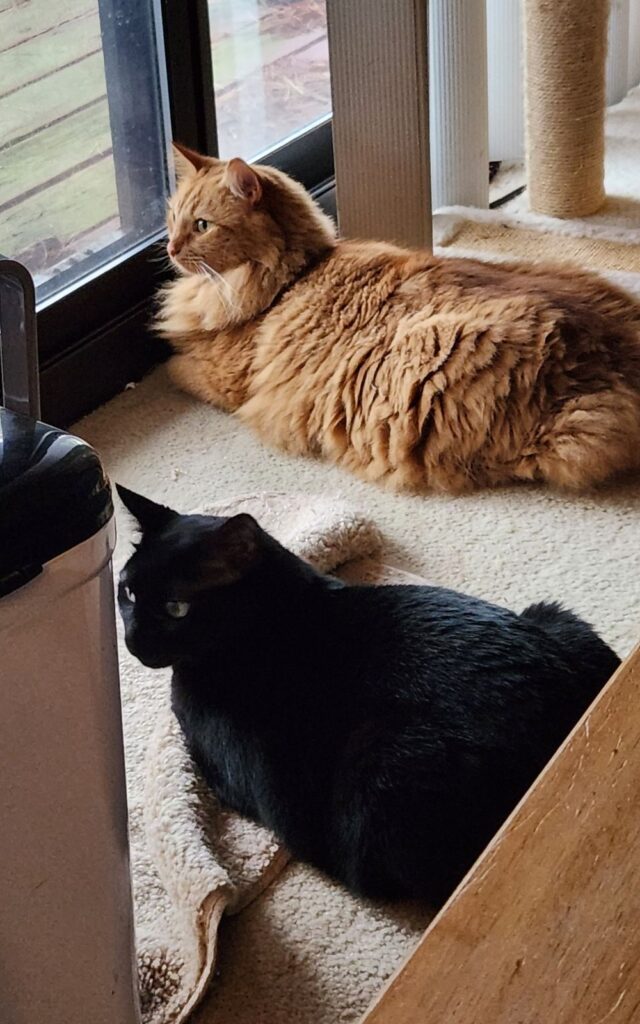
Debbie “aka Dusty” , Banner  & Balboa

Christmas Eve: A Time of Traditions and Joy

Memories That Bring Us Home

Growing up, our family had several Christmas Eve traditions that still glow warmly in my memory. Thinking about them now takes me right back—proof, I suppose, that I’ve reached the age where reminiscing becomes its own quiet pleasure.

One of the clearest memories is all of us gathered in the living room, the lights low,  as we watched Amahl and the Night Visitors. I haven’t seen that film in years, and I often wonder how many children today have even heard of it. It’s such a beautiful story of honesty, generosity, and wonder. Today’s holiday favorites lean more toward The Santa Clause, Elf, and The Grinch. All fun in their own way, of course—but what happened to It’s a Wonderful Life or Miracle on 34th Street?

Stories That Stay With Us

Speaking of Christmas stories, do you have a favorite? Mine has always been The Gift of the Magi. It gets me every time—heartwarming, tender, and just sentimental enough to bring a tear to my eye. If you’ve never read it, this is the year to treat yourself. You don’t need a book. You can read it here for free.

The Magic of Midnight Mass

Although I was raised Episcopalian, both of my parents came from Catholic upbringings, so Midnight Mass was a must in our household. I’m not sure whether the excitement came from staying up late or from the hope that we might catch Santa in the act when we returned home. Either way, Midnight Mass felt special.

I remember feeling so grown up, swept into the beauty of the rituals—the incense curling upward, the choir filling the church with soaring hymns, the organ vibrating through the pews. The sanctuary glowed with Christmas trees, wreaths, and stained-glass windows shining outward into the night. I no longer attend Midnight Mass, but the memories remain vivid and dear.

Believing in the Magic

Life felt slower then. We sat together as a family, and my parents kept the Santa Claus story alive long after we “knew”—or thought we knew—the truth. Still, the note from Santa tucked into the tree on Christmas morning, or the sudden appearance of gifts that definitely hadn’t been there moments before, kept the magic alive. How did they do it? Even now, I’m not entirely sure.

It was mysterious, fun, and it was childhood.

Wishing You Warm Traditions of Your Own

I hope you and your family enjoy your own joyful traditions—whether they involve classic hymns, cherished stories, or even a movie called Home Alone.

What’s your favorite Christmas story?