More Bizarre Animal Facts- What? Really?

Baby elephant standing on sandy ground with its trunk curled into its mouth, sucking it like a human baby would a thumb.

🩉  Nature continues to Surprise

Can you believe it’s been almost a year since we first talked about how strange animals can be? Nature never disappoints — it’s weird, wonderful, and occasionally downright unbelievable. So today, instead of the usual stories, let’s take a little detour back into the world of bizarre animal facts. Trust me, these are the kind of things that make you blink twice and say, “Wait
 seriously?”

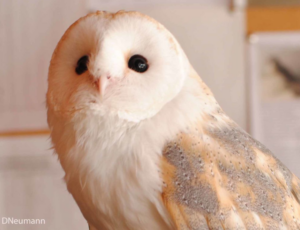
Close-up of a barn owl with a white heart-shaped face and tan-gray feathers, standing indoors with a blurred background.

European Barn Owl = photo credit Deb Neumann

🩉 Owls: The Original Head‑Turners

Owls can twist their heads 270 degrees. They’re basically nature’s surveillance cameras with feathers. It’s all thanks to extra vertebrae and specialized blood vessels. Regan from The Exorcist wishes she had this kind of range.

Large owl perched on a wooden post with its head turned sharply over its back, showing yellow eyes and patterned gray-brown plumage against a natural outdoor background.

Electric eel gliding through green aquatic plants in murky water, its long dark body giving off that unmistakably “it’s electric” energy.⚡ Electric Eels: Nature’s Shock Therapy

Electric eels can deliver a jolt between 600 and 800 volts — enough to kill a horse. Imagine being the scientist who discovered that the hard way. And you don’t even need a kite or a key. So everybody dance now- It’s Electric!

🩘 Kangaroos: Olympic Jumpers With One Big Flaw

Kangaroos can leap over 27 feet in a single bound
 but they can’t jump backward. Forward only — like nature’s motivational poster.

 Kangaroo mid-hop across a grassy field, its body stretched forward like a long‑jump champion in motion.

🩟 The Deadliest Insect on EarthSilhouette illustration of a mosquito with long legs, slender body, and two wings — much less itchy than the real thing.

The mosquito. According to the World Health Organization, mosquitoes transmit malaria, dengue, yellow fever, and more. In 2015 alone, malaria caused 438,000 deaths. Tiny insect, enormous trouble. But you only have to worry about the ladies. Females are the only ones who bitr. The males feed exclusivly on flower nectar and plant sugar.

Young elephant standing in tall golden grass with its trunk raised and ears spread wide, glowing in soft warm light.🐘 Elephants: Pregnancy Champions

African elephants stay pregnant for up to two years — the longest of any mammal. Scientists still aren’t entirely sure why it takes so long to grow an elephant, but considering the size, it’s probably not a quick project.

đŸŠ« Beavers: The Metal‑Mouthed EngineersClose-up of a nutria showing its coarse brown fur, long whiskers, and bright orange incisors against a soft green background.

Beavers’ teeth never stop growing, so they chew constantly to keep them in check. Their enamel contains iron, giving their teeth an orange tint and making them strong enough to cut through wood like it’s a snack. Before anyone tries to ‘fix’ a beaver’s orange teeth — don’t. That color means they’re healthy, not overdue for a dental Groupon.

🌍 And That’s Why Nature Keeps Us Guessing

When you stack all these facts together, it’s hard not to appreciate just how wonderfully strange our world really is. Owls bending their heads like flexible periscopes, kangaroos refusing to reverse, elephants taking two years to finish what everyone else does in nine months, and beavers walking around with iron‑reinforced teeth — it’s a reminder that nature doesn’t just create life, it creates characters.

Some are shocking, some are hilarious, some are a little terrifying (looking at you, mosquitoes), but all of them prove one thing: the planet is full of surprises, and we’ve barely scratched the surface.

So here’s to the bizarre, the unexpected, and the creatures that make us say, “Wait
 what?” Because honestly, that’s half the fun of learning about the world — discovering that truth is often stranger than fiction, and way more entertaining.

Seal’s head poking above greenish-blue water, whiskers visible and eyes shining as it floats calmly at the surface.


More Reality Behind the Shot- The One that Almost Got Away


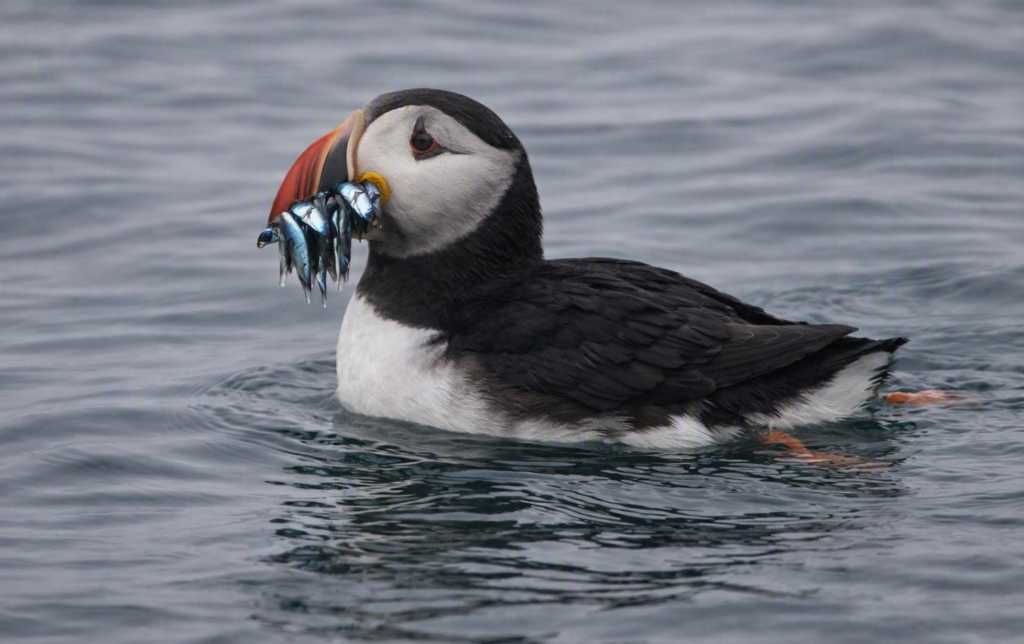
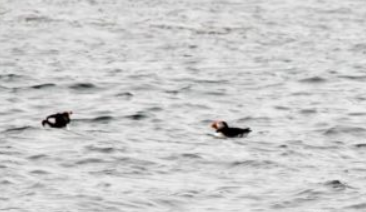
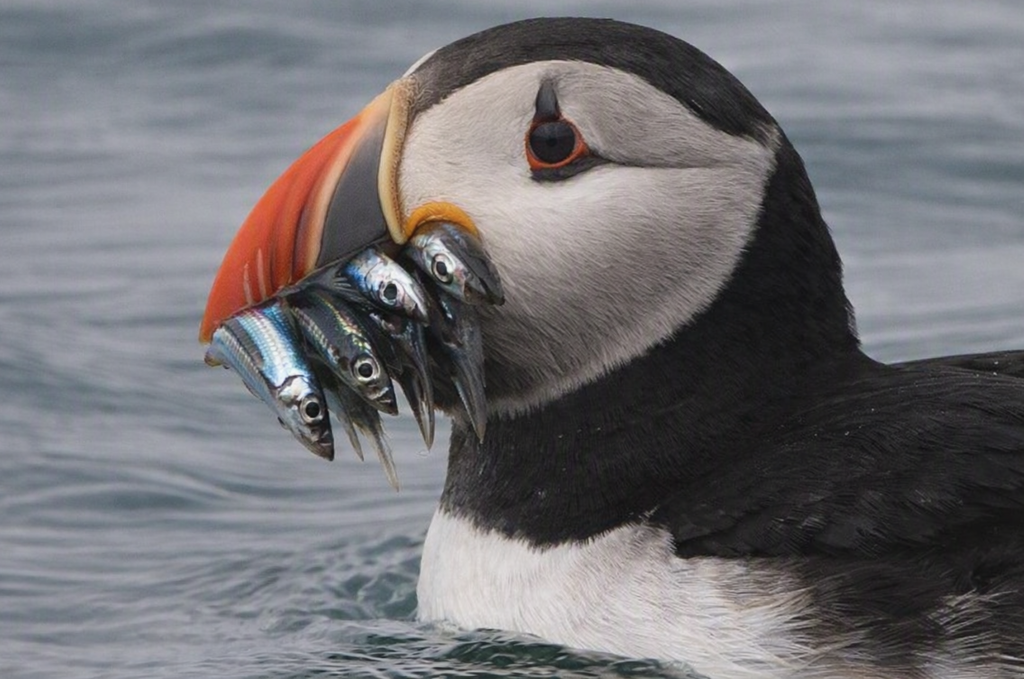
A small Atlantic puffin floating on calm gray-blue ocean water, holding several silver fish crosswise in its colorful beak.

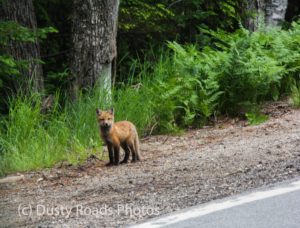
Red fox kit Monday afternoonFinding Gems in the Tedious Work
This photo‑tagging project can be tedious, but every so often it hands me a little miracle. That special shot I thought I’d missed.

I’ve been digging through older folders — the ones full of “not bad, but not good enough” pictures I skipped over during my first sort — and I’m finding gems I never appreciated at the time.

Why I Take So Many Photos

When I’m out on a photography excursion, I take tons of pictures. Way more than anyone needs. Birds and animals don’t pose on purpose, and sometimes I’ll see “The Money Shot”
 only for the lighting to shift or the subject to wiggle out of frame. It’s hard work, but it’s also exciting. My adrenaline spikes, my heart races, and I’m basically running on pure wildlife‑photographer joy.

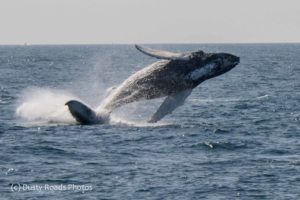
The Not‑So‑Fun Part: SortingBreaching Whale

Then I come home, load 200+ images into Lightroom, and the real work begins. I do a quick pass to eliminate the truly blah or out‑of‑focus ones, narrowing it down to the handful worth polishing. This part isn’t fun, but I do get lost in the art of “imaging.”

Why I Keep the “Almost” Photos

The good news? I rarely delete those second‑tier pictures. Time changes my perspective, and sometimes one of those “almost” shots ends up being exactly what I need for a post.

And that’s how I found him — my little puffin with a beakful of fish.


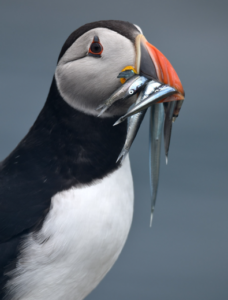
Award Winning Photo from the Internet

The Inspiration Behind the Shot

This photo earned an international award years ago and was one of the inspirations behind my puffin photography trips. If you do a Google search for puffins with fish, the web is full of these photos. On Machias Seal Island, I saw puffins returning with their catch, but the best I managed was a mouthful of shrimp. That was my last puffin trip.

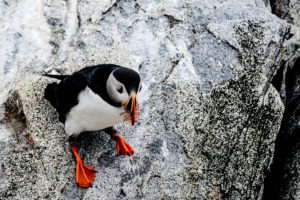
Shrimp, Its what’s for dinner

A Foggy Day, a Rocking Boat, and a Forgotten Puffin

But while reviewing older shots from the Egg Island tour — yes, the foggy day on the rocking boat — I found a picture I’d kept only because it showed how tiny puffins look in the vast open ocean. This time, though, something caught my eye. A tiny detail. A shape.

It wasn’t so much “How did I miss that?” as “How did I see it now?” Sheer luck, maybe. Or just the magic of looking at a photo years later with fresh eyes.

Zoom
 Zoom
 Zoom

I zoomed in. And zoomed. And zoomed.

There they were. Fish.

My little puffin had a mouthful of fish after all.

Polishing the Shot That Waited for Me

I sharpened, cleaned up the color, and cropped the heck out of it. It will never be a gallery‑sized 16×20, but a small 5×7 will work beautifully. And sure, it would never pass even the first round of a photo contest — I had to zoom in way too far — but I don’t care.

I love my little puffin. I thought this was going to be “the one that got away.” Turns out he was waiting for me all along.


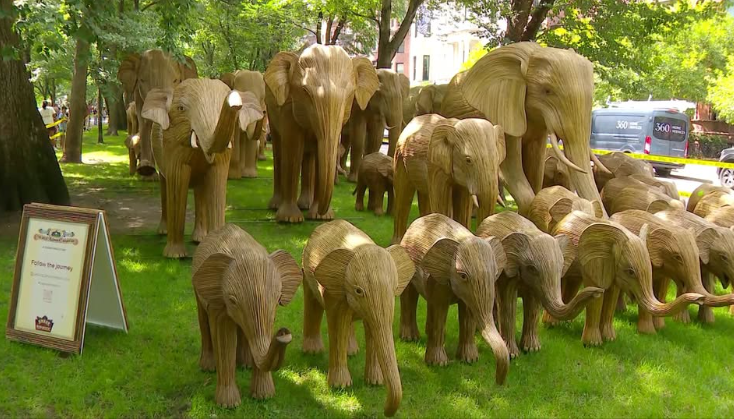
WMEO News Update — Elephant Migration Exhibit Joins Boston Tours

WMEO Newsroom with Anchors Banner and Balboa, cats

WMEO News Update — Elephant Migration Exhibit Joins Boston Tours

The traveling Elephant Migration Exhibit is heading to Boston, and longtime local guide Christian V. — a 25‑year veteran with GoWithGuide — has confirmed he’ll be incorporating the exhibit into his popular Boston–Cambridge Tour while it’s in town.

Christian, known for his comfortable demeanor and excellent reviews, has spent decades sharing Boston’s Revolutionary history and Cambridge’s world‑famous academic landmarks. His tour typically explores key historic sites in Boston before continuing on to Harvard and MIT.

With the Elephant Migration Exhibit temporarily joining the city’s cultural landscape, Christian says guests will get an added layer of storytelling: a blend of Boston history, Cambridge intellect, and a rare wildlife‑focused experience right in the heart of the city.

WMEO will continue to follow the elephants as they “migrate” into Massachusetts.


This has Been a WMEO 9 News Update

Some links or mentions related to tours or services may be affiliate-based, meaning WMEO/ arounddustyroads may earn a small commission at no additional cost to you. This helps support our ongoing coverage and creative projects. Thank you

End of bulletin. Please resume your regularly scheduled scrolling.


National Geographic’s 7 Natural Wonders of America


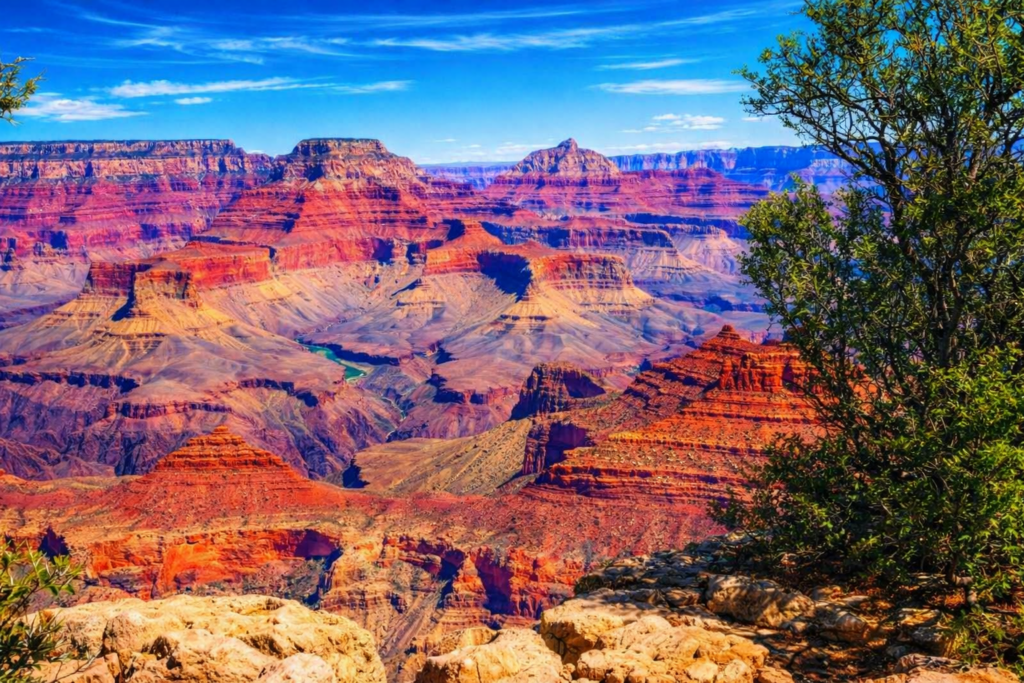
Wide view of the Grand Canyon showing layered red, orange, and tan rock formations under a clear blue sky. A green tree frames the right side, and sunlight highlights the canyon’s depth and geological details.”

Photo Credit Deb Neumann

What Wonders Await When You Dare to Explore

National Geographic has named seven Natural Wonders of America. It made me pause for a moment and ask myself: Have I explored any of them? As it turns out, I’ve been fortunate enough to experience many of these extraordinary places firsthand.

On the South Rim, Grand Canyon 2008

1. The Grand Canyon — “The Big Ditch”

This destination of a lifetime cannot be fully described. It can be photographed, painted, and praised by poets, but nothing prepares you for the awe of seeing it in person — whether for the first time or the fifth. Eighteen miles wide and over a mile deep, its scale is almost more than the mind can grasp.

I’ve seen it. I’ve stood at the edge and felt that dizzying thrill of peering into the vastness. It takes your breath away every single time.

2. Coastal Redwoods

I have not yet explored the giant sequoias and redwood forests that stretch along the misty northern California coast. I’ve seen enormous trees in other places — including the sprawling banyan trees of Hawaiʻi — but a trip to California’s Redwood forests still waits on my list.

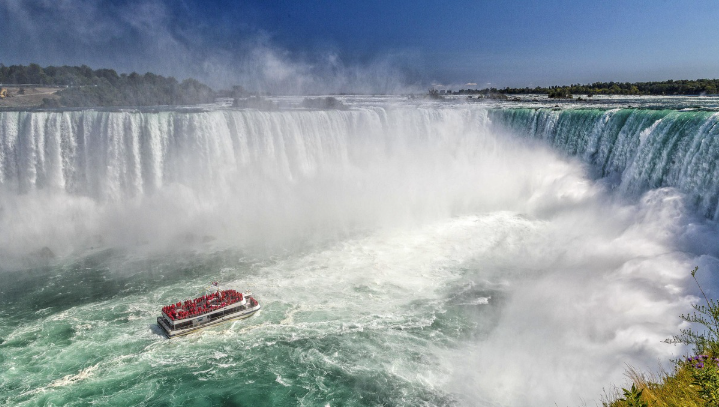
3. Niagara Falls

Truly one of the Wonders of America, Niagara Falls straddles the border between Canada and the USA — a cathedral carved by water and time. The Maid of the Mist heroically plunges into the wild waters at the base of the falls, where the world becomes wind and spray. Down there, the air itself is alive, whipped into motion by the thunderous plunge of millions of gallons of water. Gusts rise and swirl like invisible wings, tugging at your clothes and reminding you that nature still knows how to roar.

If this sounds like I’ve been there, it’s because I have. I’ve seen and felt the power of the falls up close and personal. It is truly a Natural Wonder and one not to be missed.

4. Appalachian Mountains

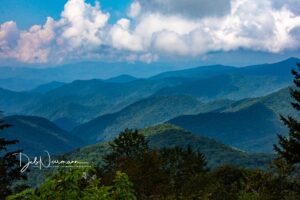
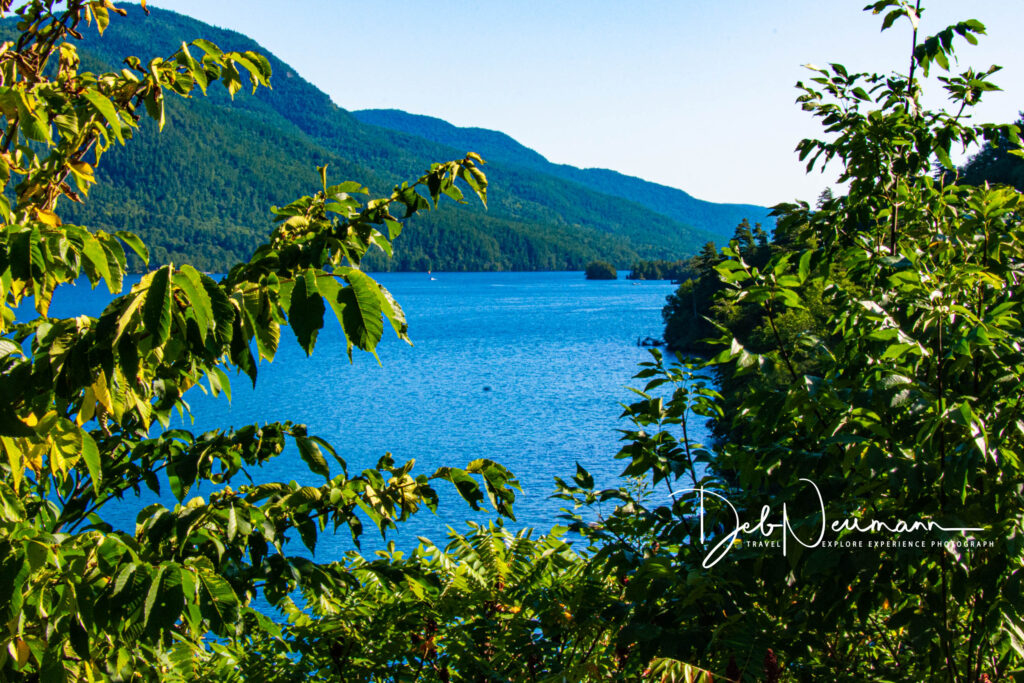
The Appalachian Mountains stretch roughly 2,000 miles from Alabama to Canada. I grew up in the Adirondack Park, on the shores of Lake George, never realizing that the mountains around me were part of a story far older and wider than my childhood. The Appalachians form a quiet backbone across the eastern states — through the soft Berkshires, the misty Catskills, the deep greens of the Smokies, and the sharp granite of the White Mountains.

The Appalachian Trail threads through many of these ranges, a long wandering line that eventually reaches Maine. When you grow up surrounded by mountains, you don’t always see them as wonders. They’re just there — the shape of your horizon, the backdrop of your summers, the steady presence behind every memory. Only later do you understand that you were living inside an ancient world without ever needing to look for it.

People travel from all over to experience these unspoiled mountain parks. But I grew up in them.


5. The Everglades

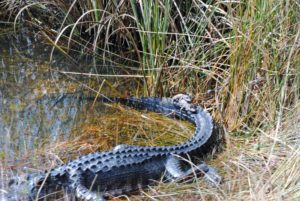
The Everglades is a slow — very slow — moving river in subtropical Florida. It’s a mix of fresh and salt water and home to an astonishing diversity of wildlife: wading birds with enormous wingspans, prehistoric reptiles like alligators and crocodiles, and rare creatures such as sea turtles, the Miami-blue butterfly, and the elusive Florida panther.

What most people don’t realize is that the Everglades is not just a national park — this ecosystem covers one-third of the entire state. It encompasses nine distinct habitats, from mangroves to sawgrass prairies.

Today, the Everglades faces threats from invasive species like Burmese pythons, which thrive in the warm climate and have no natural predators. Still, I’ve been there. I love it — even in the heat and humidity — and I would go back in a heartbeat. It’s wild and beautiful.

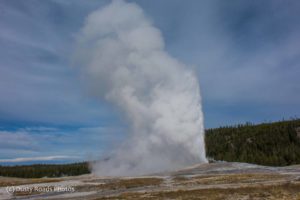
Old Faithful Erupts6. Yellowstone National Park

Another of my favorite places. When you realize you are walking, hiking, and driving inside the caldera of an enormous volcano, it can boggle the mind. Hot springs, bubbling mud pots, steaming geysers — everywhere you turn, you’re surrounded by nature’s raw power.

And then there’s the wildlife: deer, elk, bison, pronghorn, wolves, bears, coyotes, and foxes. If you love wild creatures, you are in the right place.


I’ve been to Yellowstone, and even after a week of exploring, I only scratched the surface of its wonders.

7. Hawaiʻi Volcanoes

I love all the places on National Geographic’s list, but Hawaiʻi’s volcanoes hold a special place in my heart. From Haleakalā — the House of the Sun — to Hawaiʻi Volcanoes National Park with the very active Kīlauea, these landscapes take my breath away.

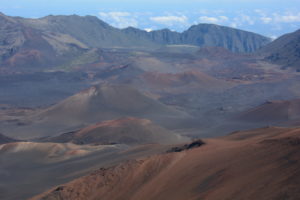
Haleakalā is a beautiful moonscape of ochre and red cinder cones. Often a shifting layer of clouds lies between you and the valley floor.

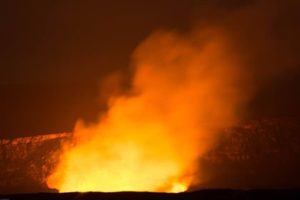
Kīlauea erupted almost continuously for 35 years, reshaping the island with lava flows and glowing lakes of molten rock. I’ve missed most of her dramatic displays — she’s been quiet during my visits — but I’ve walked through a lava tube and seen the red glow from the crater. Maybe someday Pele will show herself when I’m there.

A Grateful Journey

And that’s the list, according to National Geographic. Writing about these places has been a wonderful trip down memory lane. I have so much to be thankful for — to have visited so many of America’s most wondrous landscapes.

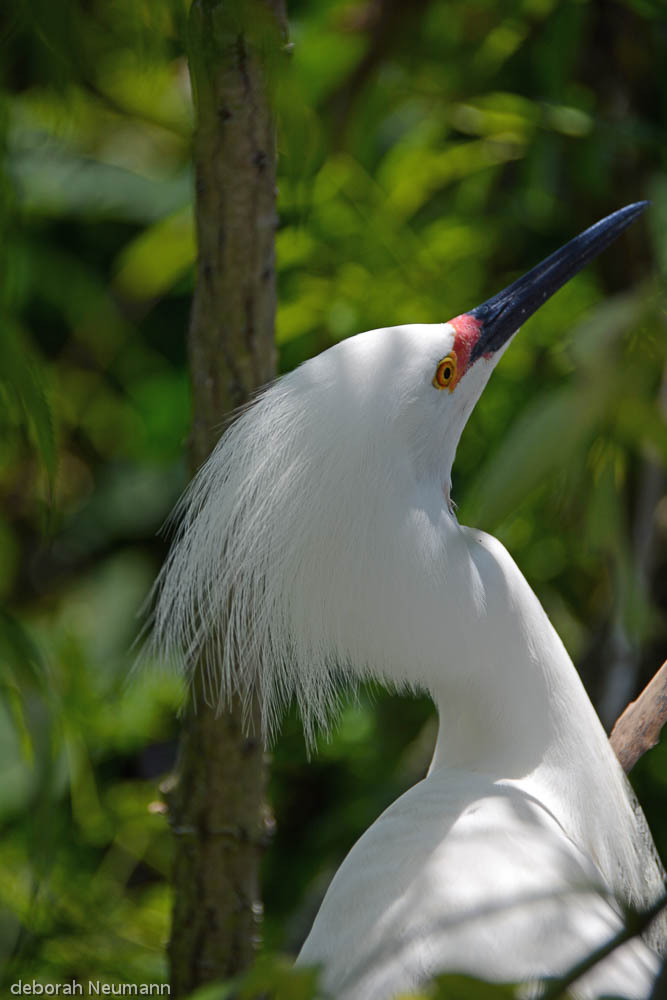
Egret, Florida


🎁 The Night the Animals Prepare


A Lighthearted Look at December 23rd


The Forgotten Day of the Holiday Season

December 23rd is the underdog of the holiday calendar. It’s not festive enough to get its own song, and it’s not dramatic enough to inspire a Hallmark movie. It’s the day we use to panic‑wrap gifts, lose the scissors repeatedly, and wonder why we bought so much tape last year but can’t find any of it now.

While we’re doing all that, the animals are busy with their own very serious preparations.


Dogs: Conducting the Annual Comfort Inspection

Dogs treat December 23rd like a personal performance review for their beds.

  • They circle with the intensity of a NASA docking maneuver.
  • They nudge blankets into shapes that defy geometry.
  • They sigh loudly, as if the fate of the season depends on proper fluffing.

By the time they settle in, you’d think they were preparing for a long winter’s nap sponsored by a luxury bedding company.


Cats: Scouting Prime Real Estate

Cats approach December 23rd with the focus of tiny, furry real‑estate agents.

They wander the house evaluating:

  • Sunbeam strength
  • Blanket softness
  • Human‑lap availability
  • The structural integrity of the laundry pile

By evening, they’ve chosen the exact spot where tomorrow’s holiday lounging will occur. And once a cat claims a location, it is — legally and spiritually — theirs.


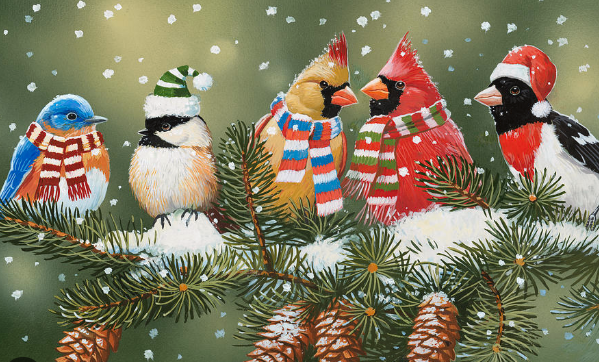
Birds: Rehearsing the Holiday Morning Chorus

If you hear extra chirping on the 23rd, don’t worry — the birds aren’t arguing. They’re rehearsing.

They like to start the 24th with a crisp, cheerful soundtrack, and they take their warm‑up routine very seriously. Think of it as nature’s version of a soundcheck, minus the roadies..


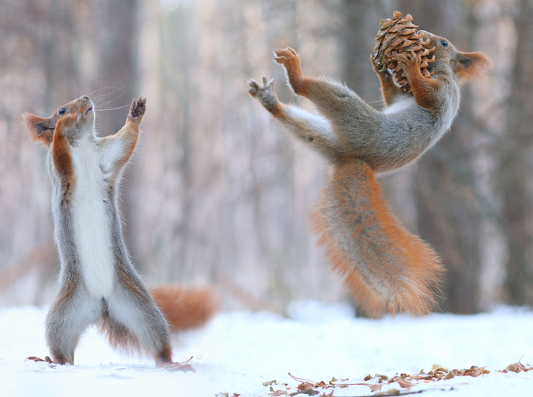
Squirrels: The Last‑Minute Overachievers

Squirrels treat December 23rd like the final lap of a reality competition show.

They’re:

  • Stashing one last acorn
  • Reorganizing their secret treasure hoards
  • Sprinting across yards like they’re late for a meeting
  • Checking your flowerpots for “inventory purposes”

If you see a squirrel moving at warp speed, just know: it’s on a mission.


A Quiet Kind of Preparation

While we’re juggling to‑do lists and wrapping paper, the animals are carrying out their own traditions — no fanfare, no fuss, just small rituals that make the season feel a little cozier.

Maybe that’s the charm of December 23rd. Not the sparkle, not the spectacle, but the everyday routines happening all around us
 reminding us that everyone prepares for the holidays in their own way.