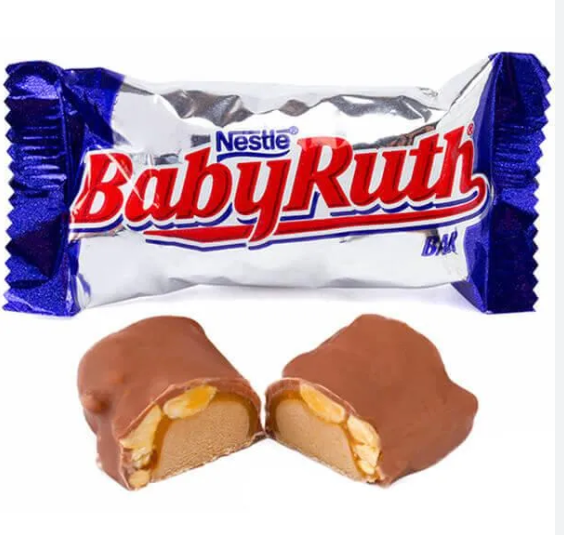
The Candy Bar Babe Ruth Couldn’t Claim
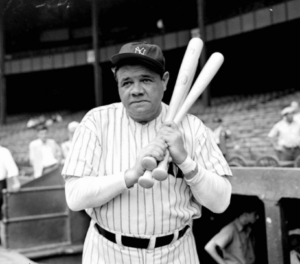 When a Sports Legend Says “That’s MY Name!”
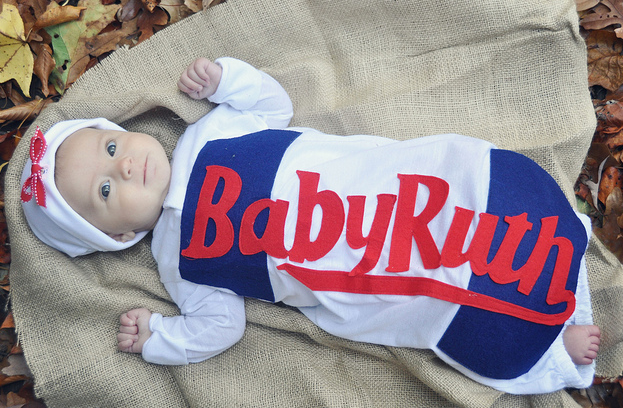
Hey! No you don’t you guys! That’s MY name. It seems ridiculous in today’s world of big name endorsements and contracts that Babe Ruth couldn’t keep control of his own name but that’s what happened back in 1921 but that’s exactly what happened to one of the Biggest Names in Sports. Let me tell you about Babe Ruth and a candy bar called Baby Ruth.
A Candy Bar With a Suspiciously Familiar Name
In 1921, the Curtiss Candy Company launched a new candy bar called Baby Ruth. America immediately assumed it was named after Babe Ruth — the baseball superstar who dominated headlines and packed stadiums. The timing was perfect, the association was obvious, and the public made the connection instantly.
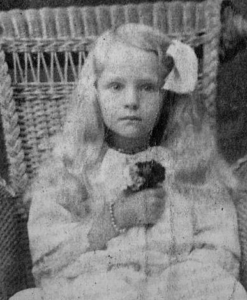
But Curtiss Candy insisted — with a perfectly straight face — that the bar was named after Ruth Cleveland, President Grover Cleveland’s daughter… who had died nearly twenty years earlier and had absolutely nothing to do with baseball, candy, or marketing.
Babe Ruth Fights Back
Babe Ruth wasn’t just annoyed. He had a plan. He wanted to patent his own candy bar, something that would give him financial control and a brand outside of baseball. This was decades before athletes made fortunes from endorsements, so Ruth was trying to be ahead of his time — doing what modern stars do today without blinking.
To protect that future, he needed control of his name. So he took Curtiss Candy to court, arguing that Baby Ruth was clearly trading on his fame.
 The Court’s Decision: A Big Swing and a Miss
Despite the timing, the marketing, and the obvious connection, the judge sided with Curtiss Candy.
The company claimed the bar wasn’t referencing Babe Ruth at all — and the court accepted it. It didn’t matter that the explanation was flimsyor that the candy bar’s popularity rose right alongside Babe Ruth’s fame. It didn’t matter that Curtiss Candy was making piles of money off the association.
The judge essentially said:
“They used the name first, and they say it’s about the president’s daughter. Case closed.”
Babe Ruth walked away with no rights to the name, and Curtiss Candy kept selling Baby Ruth without paying him a cent.
Why the Verdict Feels So Unfair Today
In today’s world of celebrity branding, the ruling feels absurd.
Modern stars make fortunes from their names and likenesses:
- Michael Jordan didn’t own Nike, but Nike sure couldn’t use “Air Jordan” without him.
- Beyoncé trademarks everything from her name to her tour titles.
- Taylor Swift protects her lyrics like a fortress.
- LeBron, Serena, Shaq — their names are multimillion‑dollar assets.
If Babe Ruth lived today, he’d have entire teams managing his brand, licensing deals, and endorsements. But in 1921? He couldn’t even stop a candy company from using a name everyone associated with him.
The Legacy of a Candy Bar and a Missed Opportunity
Baby Ruth went on to become an iconic American candy bar. Babe Ruth went on to become an even bigger legend. But the story of the candy bar he couldn’t claim remains one of the most surprising — and unfair — chapters in snack‑food history.
Share this:
- Share on Tumblr (Opens in new window) Tumblr
- Print (Opens in new window) Print
- Share on X (Opens in new window) X
- Share on Facebook (Opens in new window) Facebook
- Share on Pinterest (Opens in new window) Pinterest
- Share on Reddit (Opens in new window) Reddit
- Share on LinkedIn (Opens in new window) LinkedIn
 Everest Air: The Rescue Pilots of the Khumbu
 Casey Anderson in Bhutan