🍝 You’re Cooking Pasta ALL Wrong!
I guess the Great Spaghetti Debate is never going to rest.
Despite my very reasonable explanation back in April — To Break or Not to Break: The Great Spaghetti Debate — I opened my email this morning to a headline screaming at me like I’d committed a culinary crime:
“You’re Cooking Pasta Wrong.”
Well of course I had to read it. And inside? Another dramatic proclamation:
“arounddustyroads.com According to an Italian Chef.”
Alright, fine. What am I supposedly doing wrong now?
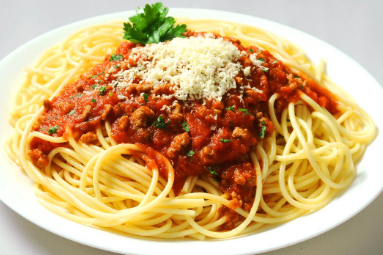
According to Chef Marcello of the Academia Barilla, the perfect bowl of pasta requires long noodles cooked in salted water — without breaking them — so the sauce can swirl and cling like it’s performing a romantic tango. After wading through all the author’s detours, it became clear he was talking about pasta dishes where the sauce is mixed into the noodles, not the kind you spoon on top once it’s on your plate. And after all that drama… they didn’t even include a recipe!
Okay. I can accept that. But I’ve moved on.
I am now 100% in the Short Noodle School of spaghetti cooking. I’ve even stocked up on the “pot‑sized” spaghetti you can buy at the grocery store. I don’t need a restaurant‑sized cauldron to make a single serving, and the pot‑sized noodles work beautifully. No muss, no fuss, no rogue noodle shards launching themselves across my kitchen like tiny edible javelins.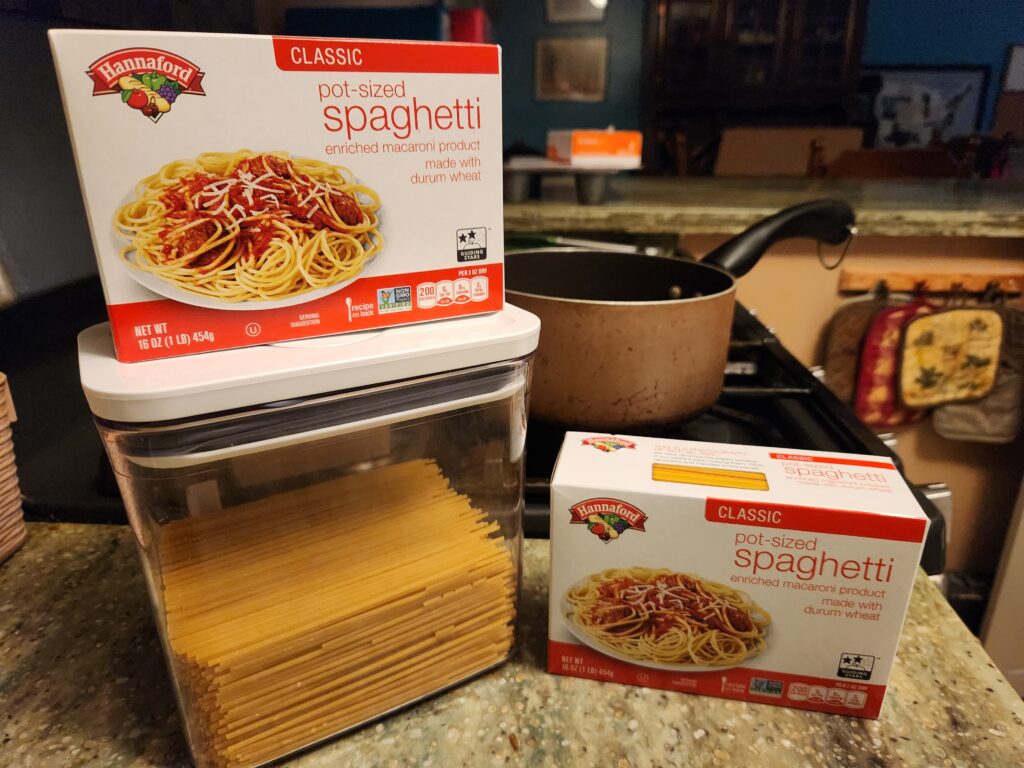
So yes — the debate lives on. But this home cook has chosen her side.
And if Chef Marcello wants to challenge me, he can meet me in the pasta aisle — I’ll be the one holding the pot‑sized spaghetti with zero regrets.
Share this:
- Share on Tumblr (Opens in new window) Tumblr
- Print (Opens in new window) Print
- Share on X (Opens in new window) X
- Share on Facebook (Opens in new window) Facebook
- Share on Pinterest (Opens in new window) Pinterest
- Share on Reddit (Opens in new window) Reddit
- Share on LinkedIn (Opens in new window) LinkedIn
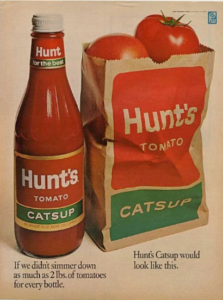
 Ketchup as Medicine?
 What People Put It On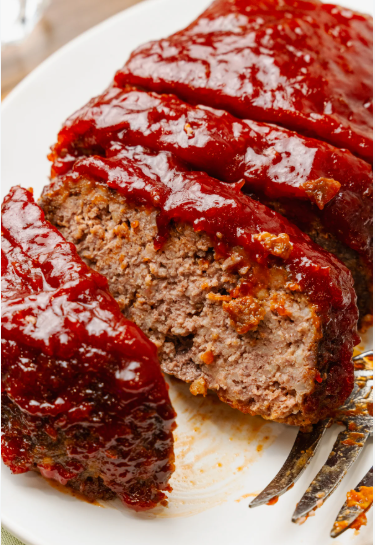
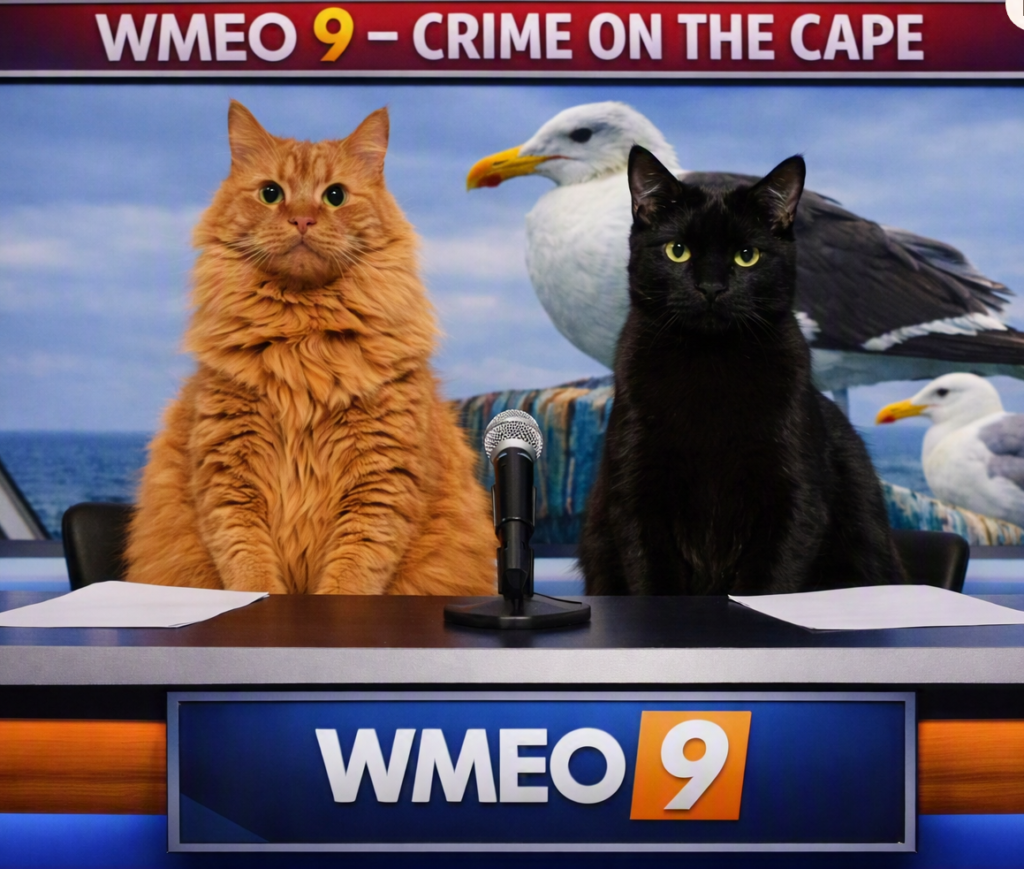
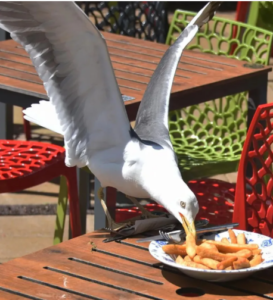 and absolutely disgusting.”
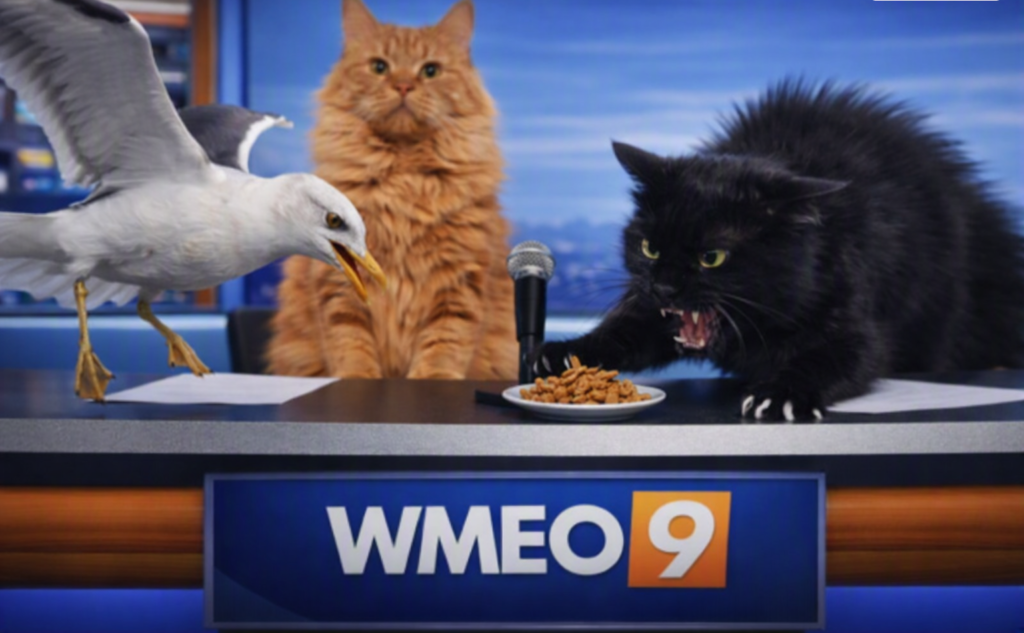
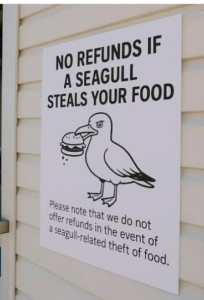 Local restaurants have begun advising customers to “guard your food like it’s the last donut on Earth.” Beachgoers have taken to eating inside their cars — a strategy WMEO officially endorses. Gulls have no respect for personal space or picnic etiquette.