A Slow Start for a Smart Idea
Not so long ago, wildlife bridges were almost unheard of. The first versions started appearing in the 1950s, but here in the U.S., the idea took decades to gain traction. Canada embraced the concept much earlier, and because they’re our closest neighbor, we had a front‑row seat to watch their success.
When Human Impact Forces Action
For years, wildlife advocates pushed for safe passage for migrating animals, while politicians pointed to the cost. And as often happens, nothing really changed until enough people were affected. Once the human impact became impossible to ignore, momentum finally shifted.
Colorado’s Most Dangerous Stretch of Highway
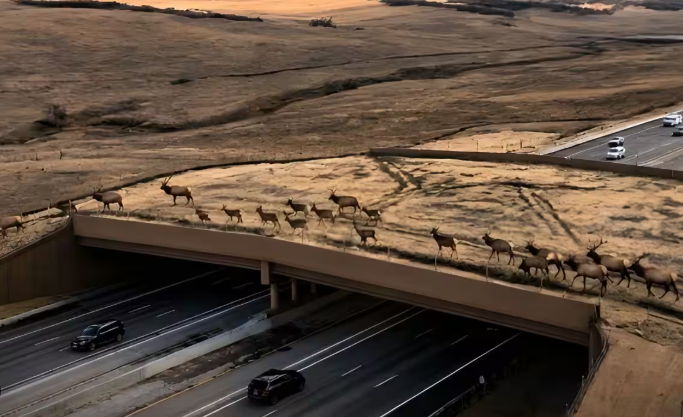
One of the worst areas for wildlife collisions is in Colorado. You might remember when I shared the opening of the I‑25 Greenland Wildlife Bridge — and then the update when the first three elk crossed it shortly after it opened. The latest numbers are jaw‑dropping.
A 91% Drop in Wildlife Collisions
Since the overpass opened, wildlife‑vehicle collisions have dropped 91%. Ninety‑one percent. That’s not just a win — that’s a lifesaver.
Before the bridge was built, this stretch of highway saw up to 25 animal‑vehicle collisions per day during migration season. Think of the ripple effect: fewer injuries, fewer animal deaths, fewer totaled cars and trucks. Imagine a big rig hitting an elk — the damage to the truck, the cargo, the driver, and of course the animal. And that’s just one accident.
Built for Big Game — Used by Everyone
The overpass spans I‑25 near the Greenland exit between Larkspur and Monument. It was designed primarily for pronghorn and elk, but the success has gone far beyond that.
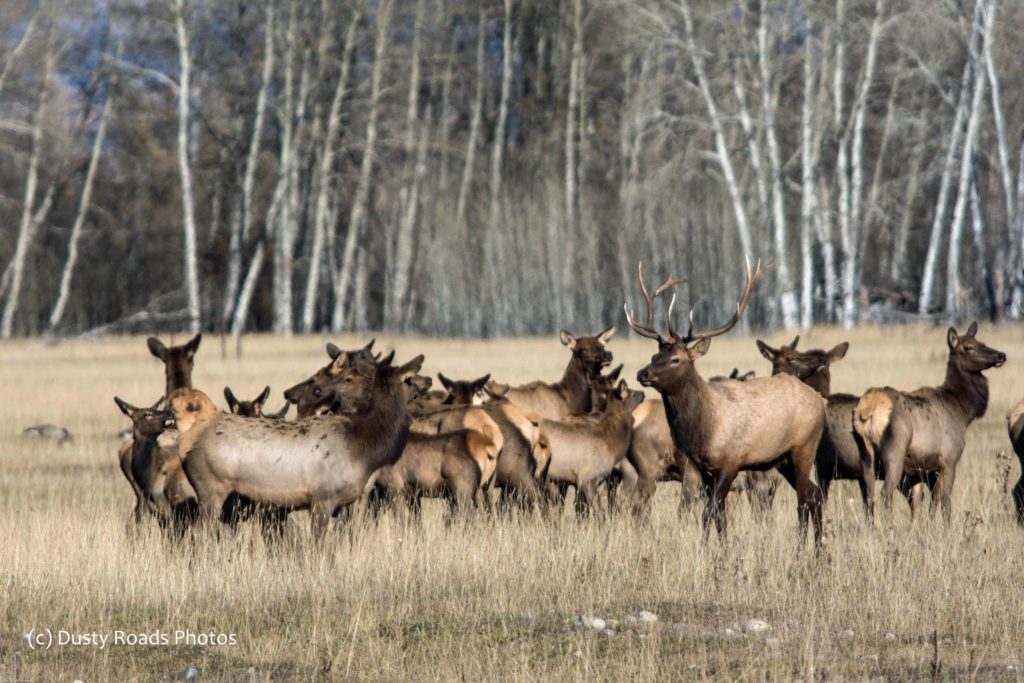
Video feeds show entire elk herds using the bridge. Pronghorn are crossing to the west side of I‑25 for the first time in decades. Bears, deer, coyotes, and other animals have been spotted using it too.
Biologists even created a protected pathway for small mammals by piling wood along the edges so they wouldn’t be picked off by predators while crossing. It’s not just a big‑game solution — it’s a full‑ecosystem fix.
A Model for the Future of Wildlife Safety
Colorado’s success is more than a local win — it’s a blueprint. When we give wildlife safe passage, we protect animals, drivers, families, and entire ecosystems. The Greenland overpass proves that thoughtful infrastructure can save lives on both sides of the guardrail.
Projects like the Greenland overpass remind us that the West isn’t just a place we admire — it’s a place we share. When we build with wildlife in mind, we’re choosing a future where animals can follow the paths they’ve used for centuries and drivers can travel safely through the landscapes we all love. It’s a simple idea with enormous impact, and Colorado has shown what happens when we finally decide to make room for every creature that calls this region home.
Share this:
- Share on Tumblr (Opens in new window) Tumblr
- Print (Opens in new window) Print
- Share on X (Opens in new window) X
- Share on Facebook (Opens in new window) Facebook
- Share on Pinterest (Opens in new window) Pinterest
- Share on Reddit (Opens in new window) Reddit
- Share on LinkedIn (Opens in new window) LinkedIn