A Tough Morning for Conservation — and One Bright Spot of Hope


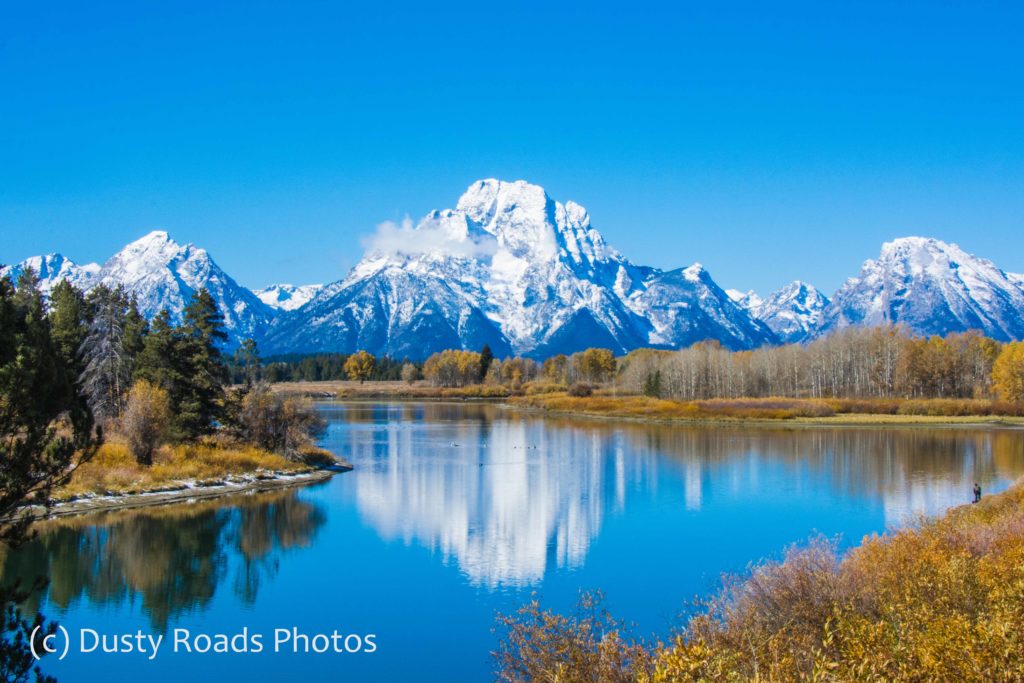
Crisp autumn morning at Mount Moran in Grand Teton National Park, the snowy peak mirrored perfectly in the calm water below.

Mount Moran reflected in the Snake River.. Grand Teton National Park

This morning I want to take a few minutes to get serious about a subject I truly care about. Not my cats and their furry antics. No joking around today. We’re facing a real shift in environmental conservation, and it’s not a good one for wildlife or the planet. We only have one world, and we need to do everything we can to keep it a safe, stable home to pass on to future generations.

Environmental Protections Under Pressure

Several news outlets reported new efforts to reduce or remove federal protections on land surrounding major national parks, including areas connected to Yellowstone. Conservation groups warn that these buffer zones support wildlife corridors — the pathways animals rely on to migrate, breed, and survive. Without them, the parks turn into isolated pockets instead of functioning ecosystems.

Other reports describe changes to protections for certain marine reserves. These changes open the door to expanded commercial activity in areas originally set aside to safeguard ocean habitats. Marine scientists and environmental organizations say the shift could weaken long‑standing conservation work.

Whether people support or oppose these policy goals, the impact is real. Wildlife, water quality, and future generations all feel the effects. It’s hard not to feel a sense of loss when protections that took decades to build can disappear so quickly.

A Reminder That Conservation Still Works

In the middle of all that discouraging news, something else crossed my feed — and it reminded me why conservation matters.

Just hours after California completed its first wildlife bridge, three deer walked across it. Fifteen hours. That’s all it took for wildlife to recognize and use a safe passage built for them. The moment felt like a small miracle. It showed how quickly nature responds when we choose protection over exploitation.
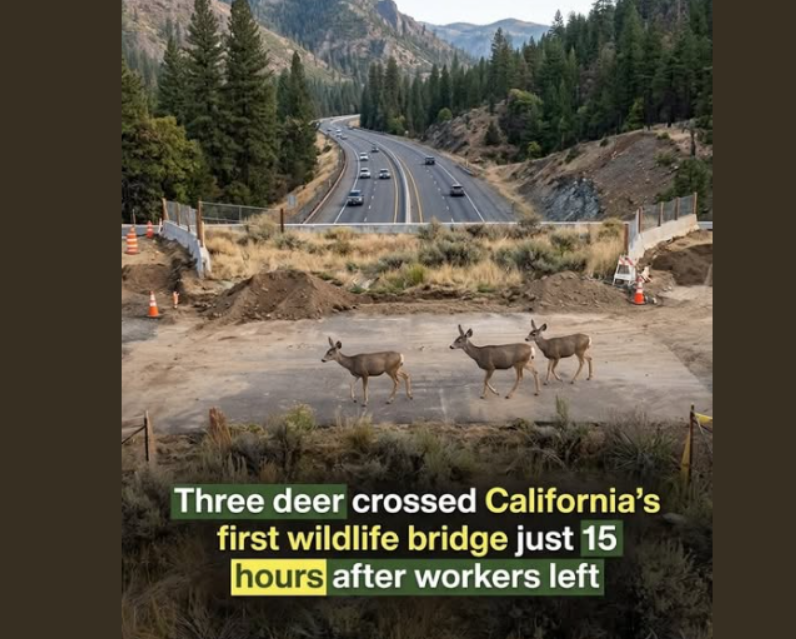
Wildlife bridges save lives — both animal and human. They reconnect fragmented habitats. They give species a fighting chance. And they prove that when we invest in solutions, we see results.

So yes, today’s headlines were heavy. But that photo of the deer on the new bridge offered a spark of hope. Even in difficult times, progress is still possible — and worth fighting for.

We only get one planet. Let’s do everything we can to protect the wild places that make it extraordinary.


Great Whites Prowl the Coast of Cape Cod

Cape Cod Paddle boarder attacked!

Shark bite in paddelbaord

082317- Paddleboard bitten by shark off Marconi Beach in Wellfleet, MA. (Cape Cod National Seashore photo)

That’s a juicy headline for Cape Cod. And not just on the cape. It made the headlines on all the local Boston stations too. The attack was in 3 ft of water off Marconi Beach, Wellfleet, Ma.


Where are all the Sharks?

Sharks have always been summer visitors to the Cape. But now that the seal population has exploded more and more sharks are here. So why do we have so many seals? In 1972 the Marine Mammal Protection Act made it illegal to harm or harass these animals. Great White sharks help keep the seal populations in check. Believe it or not, we need more white sharks to balance out  the seals.

Swimmers and boaters should understand that sharing the water with great whites means sharing the beaches and land with fewer seals. Check out this map of sightings, tagings and pings!  http://www.capecodtimes.com/great-white-sharks-map

Cape Cod Officials want to Kill Great Whites

Is it JAWS all over again? In 1975 we were all afraid to go in the water when Steven Spielberg turned Peter Benchley’s book into a big screen success. It was set on Martha’s Vineyard. Now in a twist of life imitating  art we have Great Whites paroling our coast. Once again our local officials want to wage war on these magnificent creatures. Why do we think we have the right to kill off any animal that interferes with humans? These Great Whites are just doing their own thing acting as apex predators. That’s what they are supposed to do.

Killing Sharks is not the answerGreat white shark swimming

Why do we humans feel we have the right to kill off the predators. I don’t want anyone hurt but why is the ocean any different than bears in the forest? Do you let your child wander alone in grizzly country? Sharks are hunting for food. When humans go hunting most often it is for sport. What if the animals we hunt could decide to kill us because we are a threat?

What do you think?

Should we hunt down the Great White Sharks of Cape Cod? Yes or No?

Please share this post to raise awareness. Thank you