A Time Traveler’s Guide to the First Thanksgiving


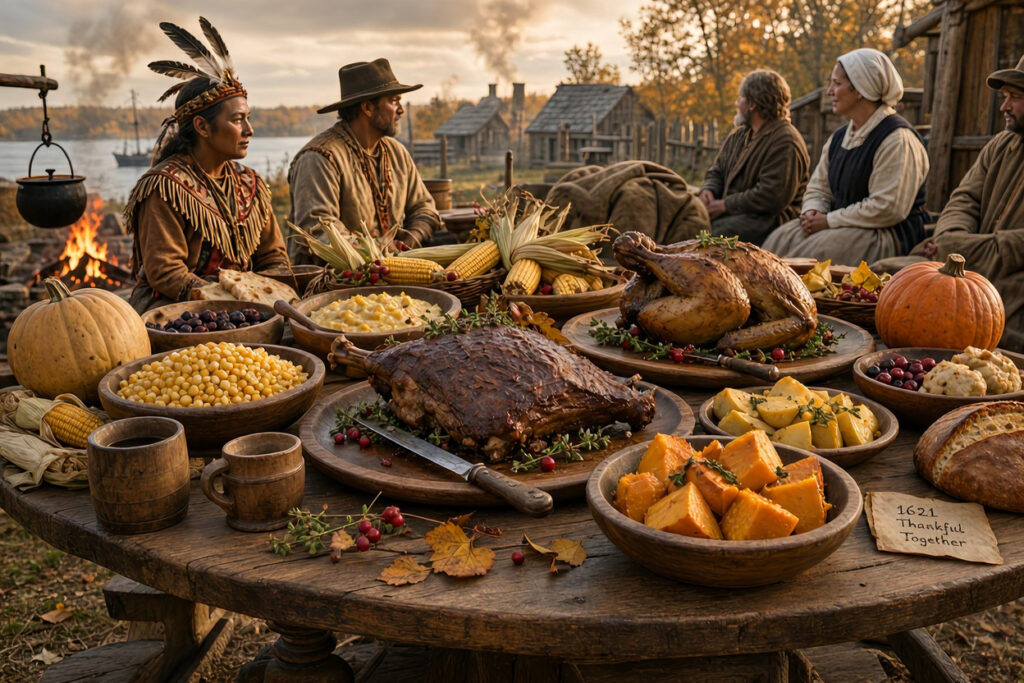
Artist's depiction of a 1621 harvest celebration in Plymouth Colony with English settlers and Native Americans gathered around a table filled with turkey, venison, corn, squash, and other seasonal foods.

A Visit to the First Thanksgiving… Sort Of

Everyone knows the story.

The Pilgrims landed at Plymouth, struggled through a difficult first winter, received help from the Wampanoag people, and celebrated the First Thanksgiving with a feast of turkey and all the trimmings.

Or did they?

The reality is a little more complicated and, if you ask me, a lot more interesting.

Let’s pretend for a moment that we’ve climbed into a time machine and traveled back to the fall of 1621 to attend that famous harvest celebration. What would we actually find?

Our first surprise would come before the meal even begins. Nobody there would call it “The First Thanksgiving.” That name came much later. To the people gathered at Plymouth Colony, it was simply a harvest celebration marking a successful growing season after a very difficult year.

And that wasn’t the only thing that looked different from the story many of us learned in school.

Where Are the Pilgrims?
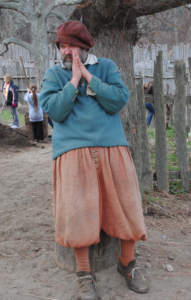
A person in historical colonial-era clothing stands outdoors beside a large tree and a weathered wooden fence. The outfit includes a blue tunic, loose tan trousers, a brown cap, long socks, and leather shoes. The person is leaning against a tree stump with hands pressed together near the face. Several visitors are visible in the background along a dirt pathway in what appears to be a living history or reconstructed settlement setting.As soon as we arrive, something seems off.

Where are the black coats? The shiny buckles? The tall black hats that appear in every Thanksgiving decoration and elementary school play?

The settlers of Plymouth Colony didn’t generally dress that way. Their clothing included a variety of colors, including browns, greens, blues, grays, and reds. The famous silver buckles wouldn’t become fashionable until later.

In fact, if you were walking through Plymouth in 1621 looking for the Pilgrims, you might run into another problem.

They probably wouldn’t have called themselves Pilgrims.

Most would have thought of themselves as English settlers, colonists, or members of the Plymouth community. The term “Pilgrim” became popular much later and eventually became the name by which we remember them today.

So before we’ve even reached the feast, two familiar pieces of the Thanksgiving story have already been challenged.

Meeting the WampanoagA person wearing traditional-style regalia stands outdoors in a dry field with leafless trees in the background. The person wears a feathered headdress with red, white, and black accents, layered beaded necklaces, tan buckskin-style leggings and apron, and soft moccasin-style footwear. One hand is raised in a gesture as if speaking or demonstrating something. The ground is covered with dried grass and leaves, and the scene appears to be photographed during a cultural or historical presentation.
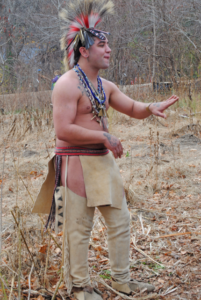
One thing that often gets lost in popular retellings is that this story wasn’t just about English settlers.

Long before the Mayflower arrived, the Wampanoag people had lived throughout the region for generations. They had their own communities, traditions, trade networks, and knowledge of the land.

The harvest celebration itself included not only the English settlers but also Massasoit and about ninety Wampanoag visitors. Far from being background figures in the story, they were an important part of the event and played a crucial role in the colony’s survival.

When I visited Plimoth Patuxet Museums years ago, I found the Wampanoag Homesite to be one of the most fascinating parts of the experience. The English village was certainly interesting, but much of it felt familiar from history books and television programs. The Wampanoag section offered a perspective I hadn’t encountered nearly as often while growing up.

But How Did Everyone Communicate?
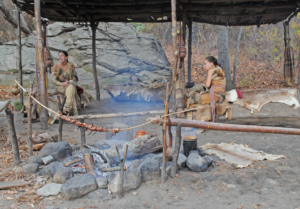
A rustic outdoor camp shelter made of wooden poles and a bark-covered roof sits beside a large stone outcrop. In the foreground, a fire burns within a circle of rocks, with a wooden spit holding roasting meat above the flames. Two people dressed in historical-style animal-hide clothing sit under the shelter among furs and handmade items. Fallen leaves cover the surrounding ground and woods, suggesting a late autumn setting.Imagine hosting a three-day celebration attended by people who don’t speak the same language.

Conversation around the table could have been a challenge.

Fortunately, there were interpreters.

One was Samoset, who had learned some English through contact with fishermen and traders along the New England coast. An even more important figure was Squanto, also known as Tisquantum, who spoke English fluently and helped bridge the language gap between the two groups.

Without people like Squanto, communication between the English settlers and the Wampanoag would have been far more difficult.

When you think about it, understanding one another may have been nearly as important as the food on the table.

What’s for Dinner?

Now we come to one of the biggest Thanksgiving myths of all.A historical reenactment of an early colonial harvest gathering takes place beside a coastal settlement. In the foreground, a wooden table is covered with roasted game birds, corn, pumpkins, cheese, and wooden bowls. Several people in period clothing stand near the table, while others approach carrying baskets of corn and pumpkins. A wooden fence, watchtower, and weathered buildings marked “Plymouth 1621” stand in the background under a cloudy sky, with the ocean visible beyond the settlement.
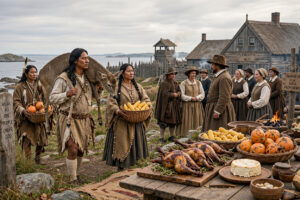
Most of us picture a massive roast turkey surrounded by stuffing, mashed potatoes, cranberry sauce, sweet potatoes, and pumpkin pie.

The truth is that historians know only part of what was served.

Contemporary accounts mention that the settlers gathered “fowl” for the celebration. That could have included turkey, but it might also have included ducks, geese, or other birds. Turkey may very well have been on the menu, but historians can’t say for certain.

What we do know is that the Wampanoag contributed deer to the gathering, making venison one of the few foods we can confidently place on the table.

Ironically, the meat most closely associated with modern Thanksgiving is less certain than the venison that many Americans never think about.

Other foods likely included seafood, corn, and seasonal produce available in the region.

As for pumpkin pie? Not yet.

There would have been pumpkins and squash, but probably not the familiar pie that appears on Thanksgiving tables today.

Experience 1621 Without a Time Machine

Of course, time travel is still a few years away, so there isn’t actually a way to attend the harvest celebration of 1621.

The next best thing might be a visit to Plimoth Patuxet Museums in Plymouth, Massachusetts.
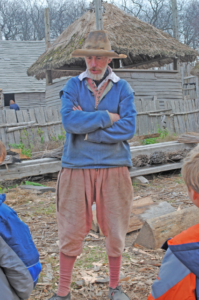
A historical interpreter stands outdoors in a reconstructed colonial-era settlement, wearing a wide-brimmed felt hat, a blue jacket, and loose knee-length trousers. The interpreter stands with arms crossed in front of a thatched-roof building and a wooden fence, speaking to a small group of visitors seated nearby. Bare trees and weathered wooden structures fill the background.The museum brings seventeenth-century New England to life through a recreated English village, a Wampanoag Homesite, educational programs, and seasonal events. Rather than simply repeating the familiar Thanksgiving story many of us learned in school, the museum encourages visitors to explore both the English and Native perspectives and discover how much of the popular story has been simplified over the centuries.

Each year, the museum also hosts harvest-themed dining experiences inspired by the foods and traditions of early New England. This year’s Harvest Feast menu includes dishes such as mussels cooked with beer and parsley, roast turkey with onion gravy, stewed squash, roast pork, fish, corn pudding, and fruit and cheese courses. While it isn’t meant to be an exact recreation of the 1621 harvest celebration, it offers visitors a taste of seventeenth-century New England foodways and a glimpse into what life may have been like in the colony.

In other words, if you’re curious about the difference between the Thanksgiving of popular imagination and the Thanksgiving historians study, there are few better places to start.

The Real Story

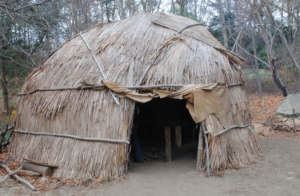
The more I learn about the history behind Thanksgiving, the more I realize that the real story is more interesting than theA dome-shaped Native American-style dwelling constructed from wooden poles and covered with dried reeds or cattails. The structure has a low entrance opening with a woven covering pulled aside, revealing a dark interior. Bare trees and fallen leaves surround the hut, suggesting a late autumn setting in an outdoor historical or cultural exhibit. legend.
We arrived expecting Pilgrims in black hats, a giant turkey, and the Thanksgiving story we learned as children. Instead, we found English settlers in colorful clothing, Wampanoag guests who played a vital role in the colony’s survival, interpreters bridging two cultures, and a harvest celebration that looked quite different from the holiday we celebrate today.

Sometimes the legends are good. The truth, however, is often even better.

And perhaps that’s the real lesson of a visit to Plymouth: there’s always more to the story than we first imagine.

Until time travel becomes an option, a visit to Plimoth Patuxet Museums may be the closest we can come to stepping into the world of 1621.

And in a nod to Paul Harvey, I have to say it…And Now You Know The Rest Of the Story. 
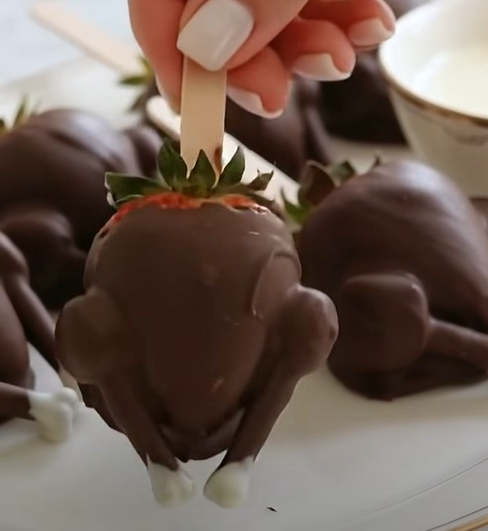


Turkey Strawberries

A close-up food scene shows several strawberries coated in dark chocolate and decorated to resemble tiny roasted turkeys. One chocolate-covered strawberry in the foreground is being held by a small wooden stick. The strawberry's green leaves form the "tail," while chocolate-covered pretzel pieces create wings and white candy-coated tips form the drumsticks. Additional turkey-shaped strawberries are arranged on a white surface in the background, with a small bowl of melted chocolate visible behind them. The image has warm lighting and a festive, Thanksgiving-themed appearance.

When November Runs Out of Ideas, Make Turkey Strawberries

The Unexpectedly Adorable Answer to a Slow November Day

As I was contemplating what to share today, I ran across the cutest idea.

November is kind of a slow month for me. Once Thanksgiving arrives, there is plenty to talk about and write about, from Pilgrims to how to cook an excellent holiday meal without losing your mind, your patience, or the gravy.

But early November? Unless you want to discuss the election (I don’t do politics), it can feel a little like a letdown after Halloween. I even checked the National Day calendars hoping for inspiration, and honestly, there wasn’t much there either.

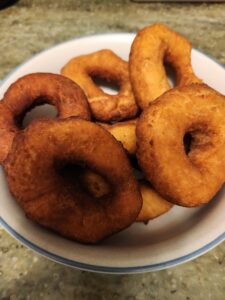
One observance was National Donut Day. Suggested activities included going on a donut hop and comparing the offerings from different shops, or making homemade donuts.
I’ve done both.

In fact, I’ll probably make homemade donuts again someday. Right now, though, I have a counter full of cranberry muffins looking at me accusingly every time I walk through the kitchen. I need to pace myself.

homemade cranberry muffin on a blue plate with crumbs

The other celebration was National Red Hair Day.

I felt a little left out.

My hair is gray these days, and when it had color, it was never red. Brown was my natural color and the one I stuck with for most of my life. I was never one of those adventurous souls who dyed their hair pink, purple, blue, or any other color found in a box labeled “Warning: Extreme.”

I did once try a blonde wig.

Let’s just say I looked less like a glamorous movie star and more like I belonged on a street corner calling out, “Hey sailor!”

So what was I going to write about?

Then I saw it.

The cutest little Thanksgiving treat.

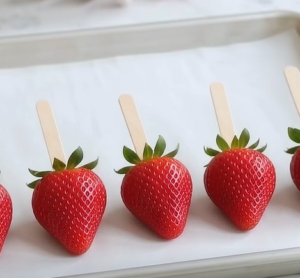
Close-up of several fresh red strawberries lined up on a parchment-lined baking sheet, each strawberry skewered with a wooden craft stick to create strawberry pops. The strawberries are evenly spaced and brightly lit against a clean white background.Chocolate-covered strawberries that look like miniature turkeys.

There’s something delightfully refreshing about seeing someone make a fun holiday treat instead of another paper turkey centerpiece. These little creations are adorable, festive, and surprisingly easy to make.

The strawberry is already the perfect shape for a turkey. All you need are drumsticks.

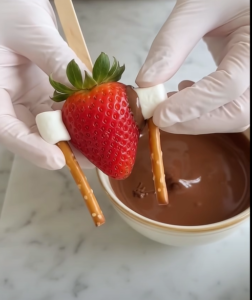
To make them, stick a straight pretzel piece into a mini marshmallow. Add a popsicle stick to the top of the strawberry. It makes dipping easier and gives everyone something to hold onto while they enjoy their turkey.

Next, melt some chocolate chips in a bowl.

Dip one side of a marshmallow in the chocolate and attach it to the strawberry. Repeat on the other side to create theClose-up of a large fresh strawberry held between two marshmallows attached to pretzel sticks, as gloved hands dip the strawberry into a bowl of melted chocolate on a light marble countertop. drumsticks. Let everything set for a few minutes, then dip the entire strawberry into the melted chocolate until it is coated.
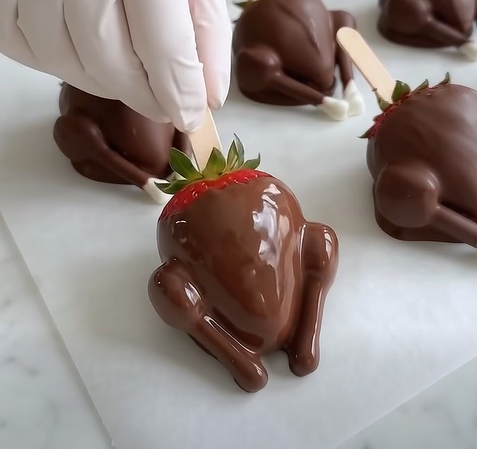
Voilà!

A chocolate-covered strawberry that looks like a tiny Thanksgiving turkey.

Seriously, how cute is that?

I wish I could show you the video that inspired today’s post, but it was on Facebook, and Facebook occasionally decides that embedding content would simply be too much happiness for the internet to handle. Unfortunately, this is one of those times.

I do have the link, though, so you can check it out for yourself.

Such a clever idea!

Chocolate-covered strawberries decorated to look like roasted turkeys rest on a sheet of parchment paper. A gloved hand places a wooden craft stick into one strawberry, while several finished strawberry "turkeys" with chocolate-coated pretzel legs are visible in the background.


Harvest Has Arrived

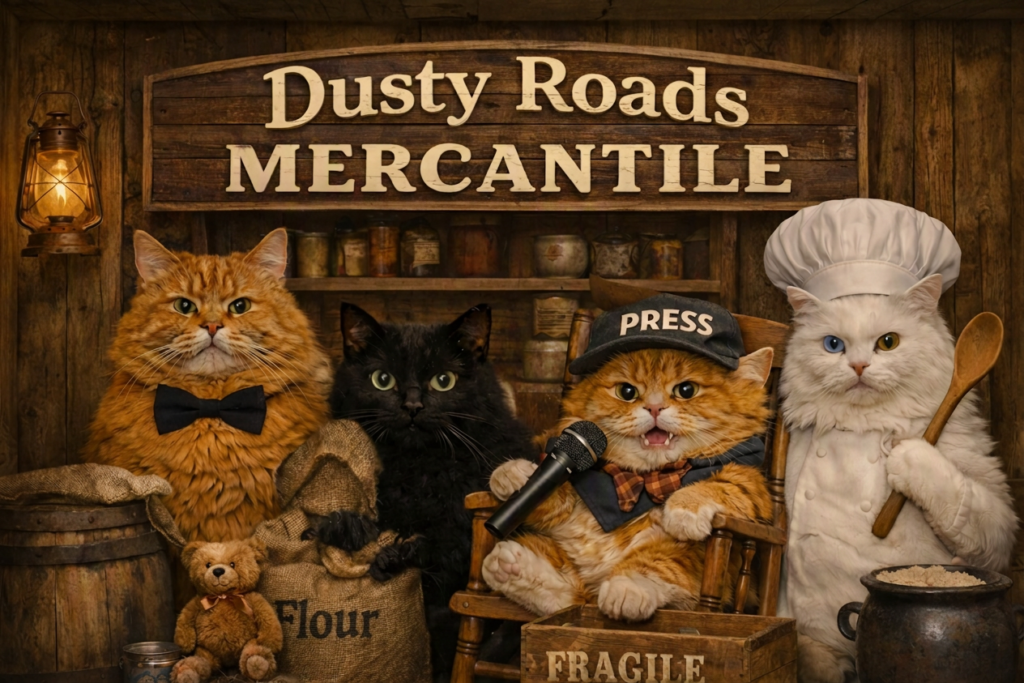
Dusty Roads Mercantile storefront banner featuring four cat mascots in a rustic country store setting, including a cat reporter with a microphone, a chef cat holding a wooden spoon, a black cat among flour sacks, and an orange cat with a bow tie beneath a wooden Dusty Roads Mercantile sign.

🍂 Introducing Harvest 🍂

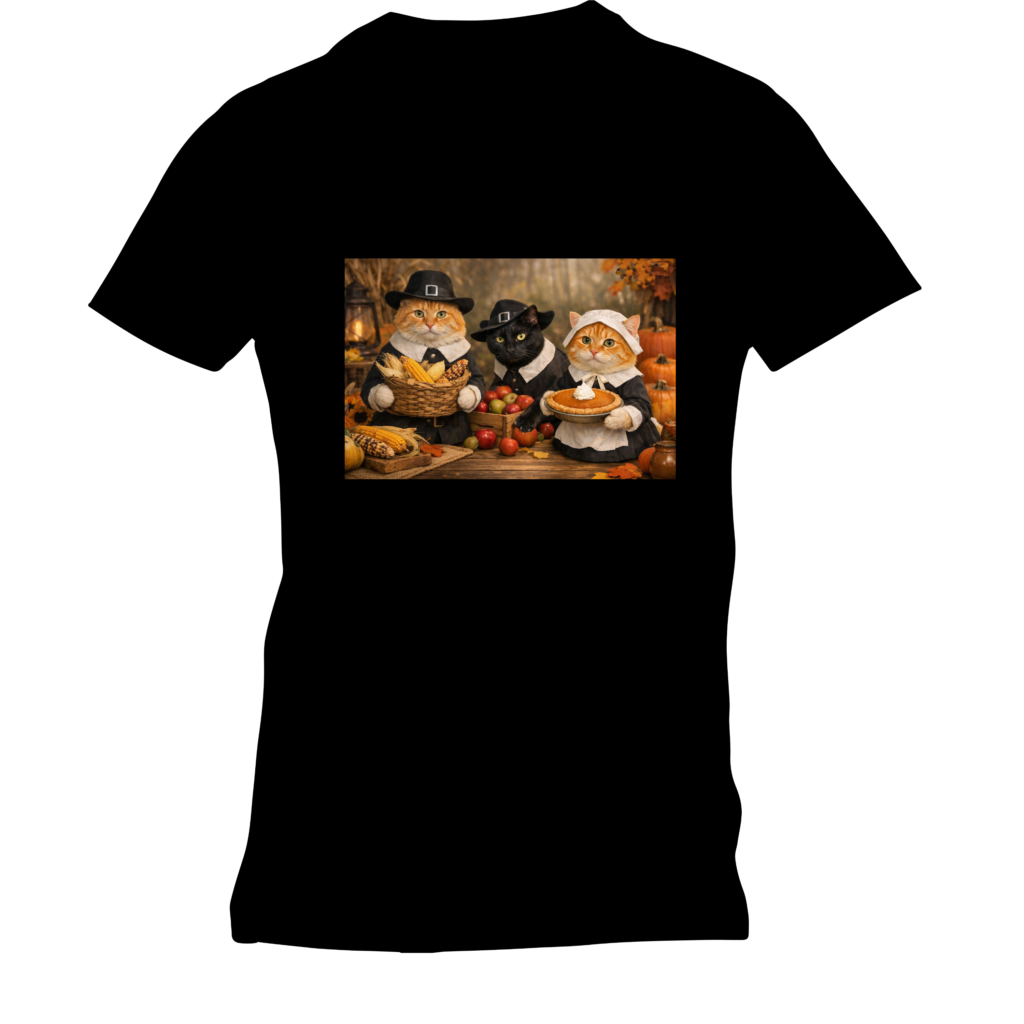
Autumn is a season of simple joys… colorful leaves, family gatherings, favorite recipes, and moments spent with the people and pets we love. Our newest Dusty Roads Mercantile design, Harvest, celebrates the warmth and abundance of Thanksgiving with three charming feline pilgrims surrounded by pumpkins, apples, corn, and a freshly baked pie.

Whether you’re heading to a holiday gathering, visiting an autumn festival, or simply enjoying the beauty of the season, Harvest is a cozy way to bring a little autumn charm wherever you go.

🍁 Perfect for cat lovers
🥧 Full of Thanksgiving spirit
🎃 Designed to celebrate the season of gratitude

Black T-shirt featuring the Harvest design, showing three pilgrim cats gathered around baskets of corn and apples, pumpkins, autumn leaves, and a freshly baked pumpkin pie in a warm Thanksgiving harvest scene.

As a special launch celebration, TeePublic is offering introductory pricing on Harvest for the first 48 hours after release. If you’ve had your eye on this design, now is the perfect time to visit the shop and save.

Happy Harvest Season from Dusty Roads Mercantile!

Looking Back at the Rich History of the Presidential Turkey Pardon

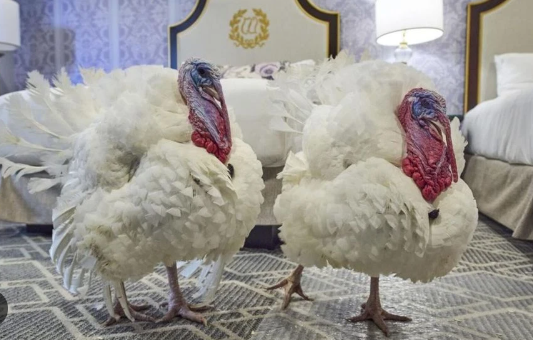
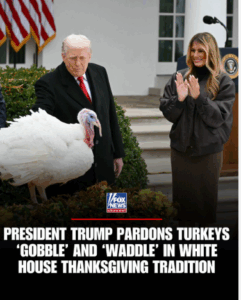
Yes,, I know Thanksgiving was last week but Gobble and Waddle are still giving thanks if they have any idea of the fate they escaped.

A Lighthearted Tradition Amid Serious Times
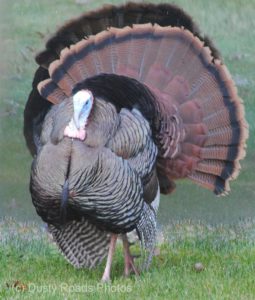
Every November, the White House sets aside politics for a moment of levity: the presidential turkey pardon. This year, President Donald Trump granted clemency to Gobble and Waddle, continuing a tradition that has become as quintessentially American as pumpkin pie. The ceremony, now in its 78th year, offers humor, gratitude, and a touch of whimsy against the backdrop of Washington’s otherwise weighty affairs.

Lincoln’s First Act of Mercy

The roots of the turkey pardon stretch back to 1863, when President Abraham Lincoln spared a bird at the request of his young son, Tad. The turkey, affectionately named Jack, was destined for the family’s Christmas table until Tad intervened. Lincoln’s compassion set the stage for what would later evolve into a national ritual.

Truman’s Myth and Kennedy’s Gesturetom turkey

Though often credited with beginning the tradition, Harry Truman never officially pardoned a turkey. The Truman Library confirms that the birds presented to him in the late 1940s were likely eaten. The first modern gesture of mercy came from John F. Kennedy in 1963, when he famously said, “Let’s keep him going,” sparing a 55-pound bird just days before his assassination.

Reagan, Bush, and the Formalization of the Pardon

In the 1980s, Ronald Reagan began sending turkeys to farms rather than the dinner table, joking about “pardons” during the Iran-Contra scandal. But it was George H.W. Bush in 1989 who officially declared a presidential pardon, ensuring the bird’s survival. Since then, every president has upheld the tradition, with Barack Obama pardoning the most—16 turkeys during his two terms.

Life After the White House

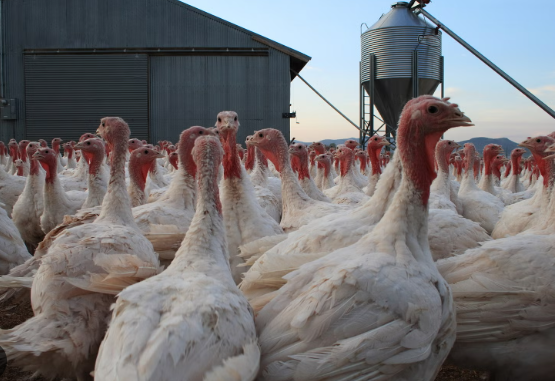
Pardoned turkeys don’t simply fade into obscurity. Many retire to farms, universities, or agricultural centers, serving as quirky ambassadors for American farming. Gobble and Waddle, this year’s stars, will enjoy retirement at North Carolina State University’s Prestage Department of Poultry Science. Meanwhile, millions of other turkeys—about 46 million each Thanksgiving—still meet a far less fortunate fate.

A Tradition of Humor and Humanity

From Lincoln’s compassion to Bush’s formal proclamation, the turkey pardon reflects both the lighter side of presidential power and the enduring appeal of Thanksgiving. It’s a reminder that even in the halls of government, there’s room for humor, kindness, and a nod to the nation’s agricultural roots.


Sources: TIME, CBS News, Yahoo News, USA Today, History.com, Wikipedia


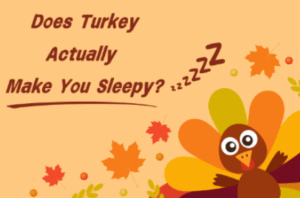
🦃 The Great Turkey Sleep Conspiracy

🦃 The Great Turkey Sleep Conspiracy- Myth or Fact

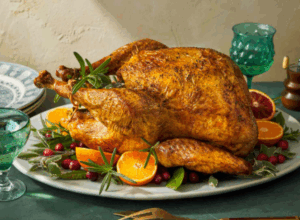
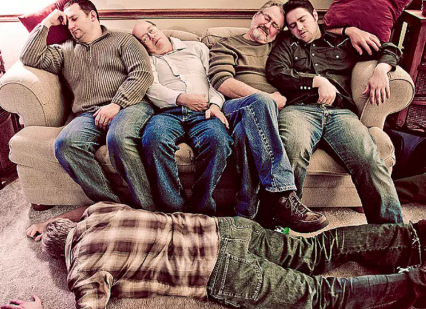
Thanksgiving: a time for gratitude, gravy, and glorious naps. And every year, we blame the bird. “Turkey made me sleepy!” we declare, as we drift off mid-football game. But is this poultry really packing knockout power?

Traditional Thanksgiving Nap

🧪 Tryptophan: The Sleepy Suspect

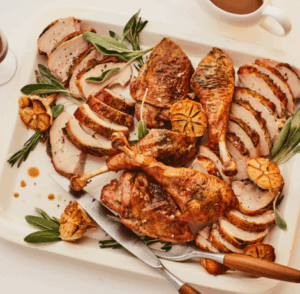
Yes, turkey contains tryptophan — an amino acid that helps produce serotonin and melatonin, the body’s chill-out chemicals. But here’s the rub: you’d need to eat 20 servings of turkey to match a sleep supplement dose. That’s less “nap-inducing” and more “competitive eating event.”

🧀 Other Foods That Should Be Guilty (But Aren’t)

Tryptophan also lurks in milk, cheese, chicken, beef, nuts, and soybeans. Yet no one ever says, “That grilled cheese knocked me out cold.” Turkey’s just the fall guy in this post-feast drama.

🥧 The Real Culprits: Carbs, Booze, and Couch Gravity

Let’s talk about what’s really making you sleepy:

  • Carb overload: Stuffing, mashed potatoes, pie — your blood sugar spikes, then crashes like your uncle on the recliner.
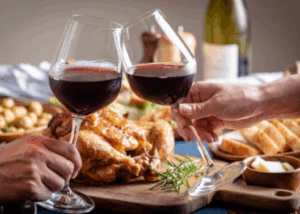
  • Alcohol: That festive drink? It’s a sedative. Combine it with overeating and you’re halfway to hibernation.
  • Blood flow diversion: Your body sends blood to your stomach to digest the feast, leaving your brain wondering where everyone went.
  • Seasonal darkness: Late fall means early sunsets. Melatonin kicks in, and your circadian rhythm starts humming lullabies.

🏃‍♀️ How to Outsmart the Nap Trap

Want to stay awake long enough to dodge dish duty?

  • Eat slowly and take smaller portions.
  • Snack before dinner to avoid overindulgence.
  • Watch the wine — it’s not just festive, it’s sleepy juice.
  • Walk it off after dinner.
  • Get regular sleep and exercise (yes, even outside of holidays).

🛋️ Final Thoughts: Don’t Blame the Bird

Turkey’s innocent. The real culprits are carbs, cocktails, and cozy couches. So this year, let’s stop blaming the bird and start blaming the buffet. Or just embrace the nap — it’s tradition.