🧡 Roaring Back: Tigers, India, and the Power of Rediscovery 🧡
Every year on July 29, the world pauses to honor one of nature’s most iconic predators: the tiger. International Tiger Day, also known as Global Tiger Day, began in 2010 at the Saint Petersburg Tiger Summit with a bold goal—double the number of wild tigers by 2022. In 2025, India stands as a beacon of hope, having not only met but surpassed that target.
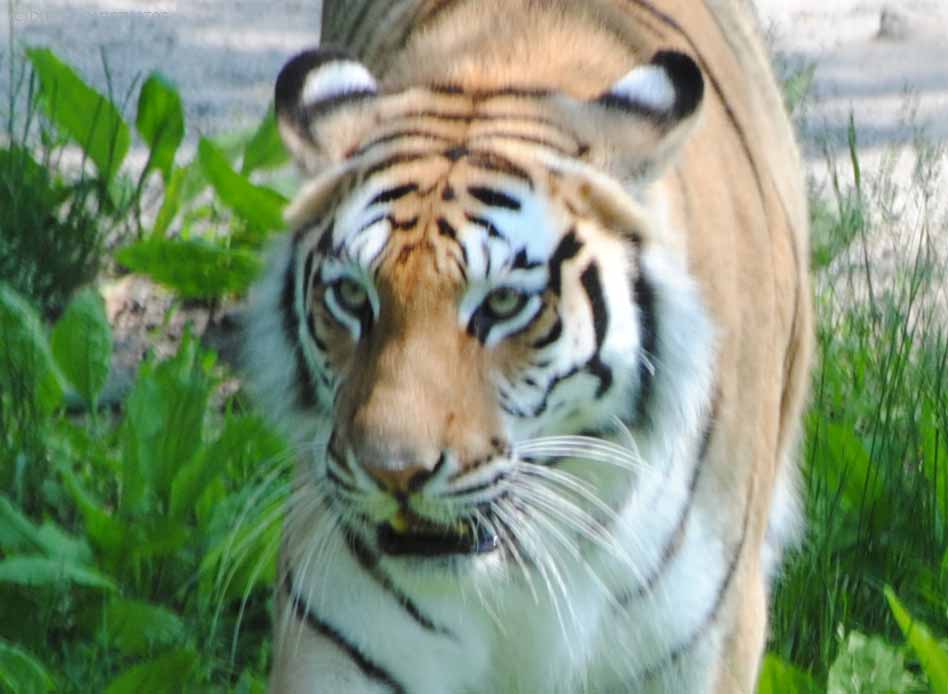
Photo credit Deb Neumann
🐅 India’s Tiger Triumph
India is now home to over 3,700 wild tigers, representing 75% of the global population. This remarkable recovery didn’t happen by chance—it’s the result of decades of conservation work under initiatives like Project Tiger, launched in 1973. The strategy blends protected reserves, community engagement, and modern technology like GPS tracking to monitor tiger movements.
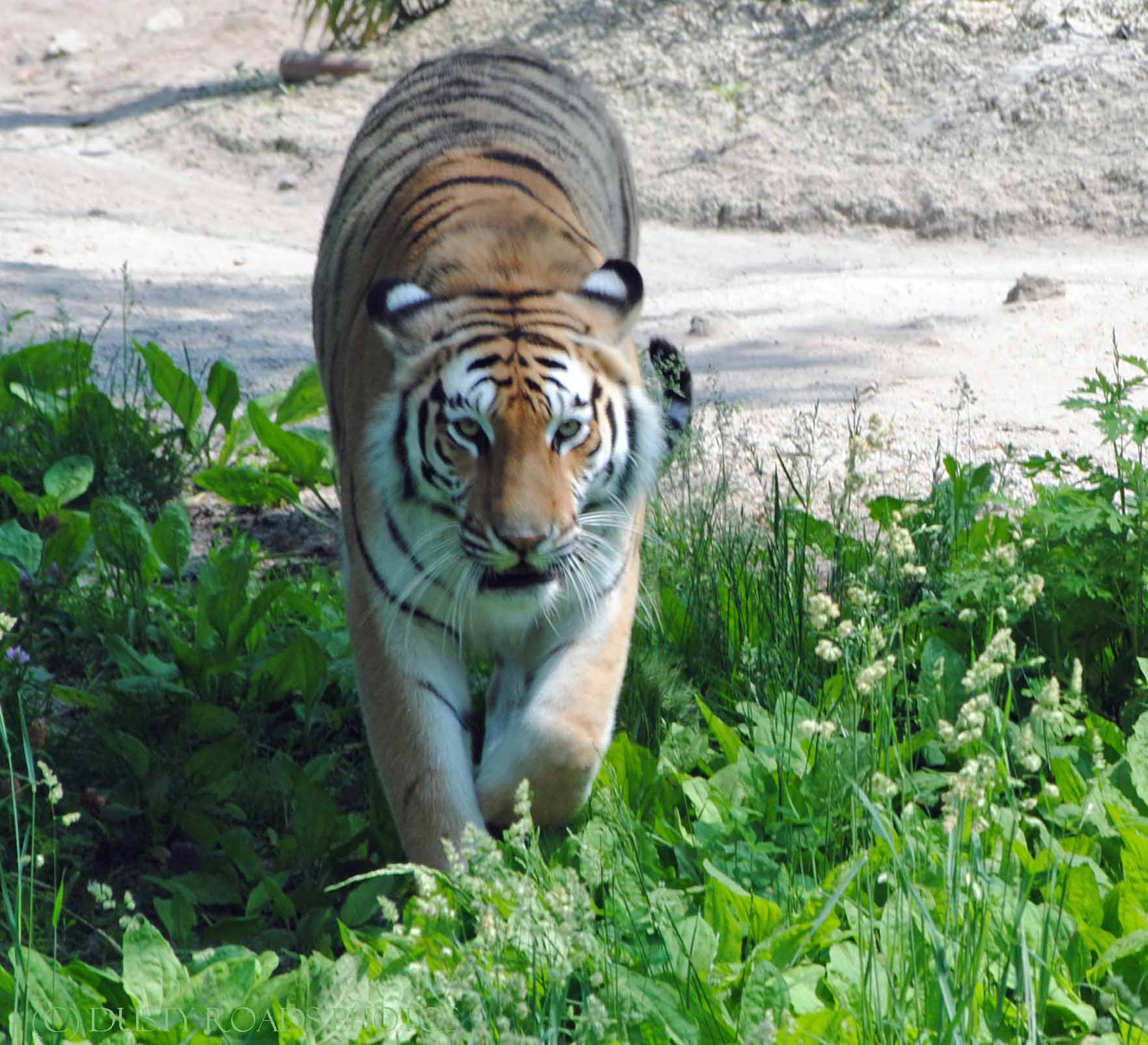
Photo Credit Deb Neumann
What makes India’s approach unique is its emphasis on coexistence. Tigers aren’t confined to isolated parks—they roam landscapes shared with over 60 million people. Through compensation programs, eco-tourism, and education, communities have become active partners in conservation. In places like Pilibhit and Dudhwa, grassroots efforts and “Bagh Mitras” (Tiger Friends) help prevent conflict and build trust.
🌍 Lessons from “Extinct or Alive”
This story of tiger resurgence echoes the spirit of the TV show Extinct or Alive, hosted by wildlife biologist Forrest Galante. The show follows Galante as he searches for animals believed to be extinct, often uncovering evidence that they still survive in remote corners of the world.
In one episode, Galante’s team rediscovered the Fernandina Island Galápagos tortoise, a species unseen for over a century. Another episode featured the Zanzibar leopard, caught on camera in a moment that challenged long-held assumptions about extinction. These discoveries remind us that extinction isn’t always final—sometimes, it’s a call to look closer, listen harder, and believe in nature’s resilience.
India’s tiger story is a real-world version of this ethos. It proves that with science, cultural respect, and community support, even the most endangered species can make a comeback.

Javan Tiger- Extinct or Alive
🌱 Why Tigers Matter
Tigers are more than majestic creatures—they’re keystone species. Their presence helps regulate prey populations, maintain forest health, and support biodiversity. Forests where tigers thrive also act as carbon sinks, protect water sources, and reduce flood risks.
Saving tigers means saving entire ecosystems—and by extension, ourselves.
🐾 Final Roar
On this International Tiger Day, let’s celebrate not just the tiger’s survival, but its return. Let’s honor the communities, scientists, and storytellers who keep hope alive. And let’s remember that extinction is not a closed door—it’s a challenge to open new ones.
Because sometimes, the roar isn’t gone—it’s just waiting to be heard again.

Stock Photo