A Headline That Never Gets Easier
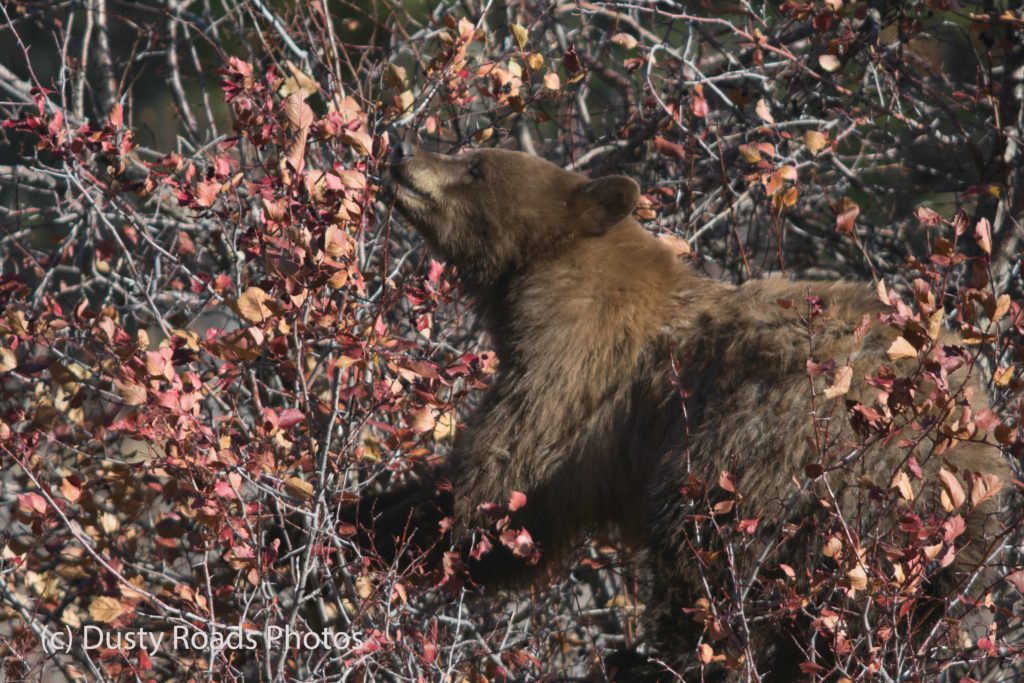
Every so often, a headline pops up that makes me stop what I’m doing and sit with it for a moment. This week it was the story out of Colorado: a bear euthanized after attacking a fisherman. It’s the kind of headline we’ve all seen before, and it never gets easier to read. And by the way, the angler was hospitalized with non‑life‑threatening injuries and is expected to recover. The bear wasn’t given that chance.
Whenever wildlife and humans intersect, the situation is fraught with danger. Sometimes humans behave recklessly. Sometimes animals react instinctively and sometimes no one does anything “wrong” at all — it’s simply a moment where two worlds collide, and the animal is the one who pays the ultimate price.
Not Every Encounter Is Human-Caused — But the Consequences Always Fall on the Animal
It’s easy to blame humans for every wildlife incident, and sometimes that blame is deserved. But it’s not always that simple. I’ve had encounters where humans were absolutely the problem, and others where the animal reacted to something as small and unintentional as the color of my rental car. And I’ve had moments where neither side provoked anything — we simply surprised each other.
The common thread is this: the animal is punished for the encounter, no matter who or what caused it.
 The Yellowstone Bison Who Was Just Being a Bison
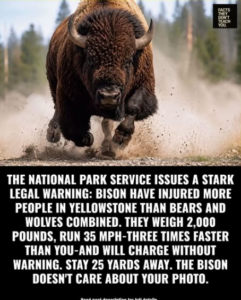
A few years ago, a tourist in Yellowstone was attacked by a bison. The headlines were dramatic, but the park rangers made a point of saying the bison would not be euthanized. It wasn’t aggressive or dangerous. It was simply being a bison — defending its space the way bison have done for thousands of years.
That decision stuck with me. It was one of the rare times the animal wasn’t blamed for behaving exactly as nature designed it to.
The Old Faithful Selfie That Could Have Gone Very Wrong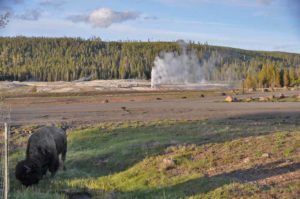
Contrast that with another Yellowstone moment I witnessed at Old Faithful. A lone bison was grazing near the geyser, minding its own business. A teenage tourist decided she needed a selfie with it and approached from behind — close enough to touch it.
She got her picture. She also got lucky.
That bison was feeling mellow. If it hadn’t been, we would have had a very different headline. And if anything had happened, the bison would have been blamed and likely euthanized, even though it was the human who created the danger.
The Tree Bear and the Crowd That Pushed Me Forward
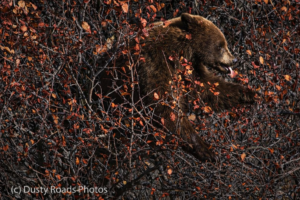 Then there was the little bear sitting in a tree right next to the road. I had a long lens and didn’t need to get close, but the crowd behind me kept pushing forward, nudging me closer and closer to the bear so I could “get the shot.”
That bear could have been down out of that tree in seconds. If it had felt threatened, if someone had moved wrong, if the crowd had surged — that bear would have reacted instinctively.
And the rangers would have come, and the bear would have been killed.
But the bear didn’t do anything wrong. It was just being a bear.
The Black Rental Car and the Territorial Bison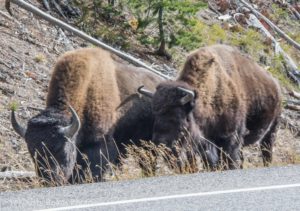
And then there’s the encounter that had nothing to do with human recklessness at all.
I was trapped in traffic on a Yellowstone road, nowhere to go, when two bison suddenly charged my car. My black rental must have triggered their territorial instinct — bison don’t have great eyesight, and something about that color set them off.
Their hoofbeats thundered behind me as they chased my car down the road. I wasn’t close to them, and I hadn’t interacted with them at all — they reacted purely on instinct.It was simply a moment where wildlife reacted the way wildlife reacts.
If they had reached the car, if they had injured me, if anything had gone wrong — those bison would have been blamed. Not because they were dangerous, but because they were wild.
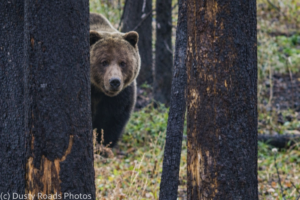 The Grizzly Bear: A Moment That Could Have Gone Either Way
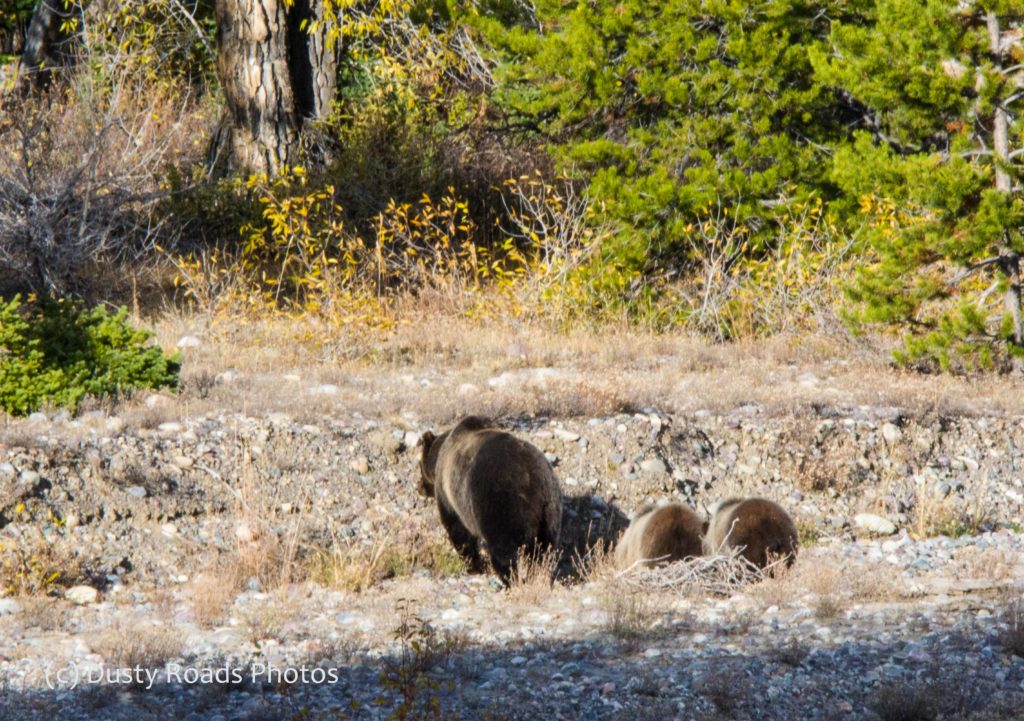
In Grand Teton National Park, I was hiking — and in that park, every trail is bear country. I turned a corner and suddenly found myself face to face with a grizzly. We both froze. We both startled. And then, mercifully, the bear turned back the way it came.
I headed straight for the parking lot. That was close enough for one day.
Neither of us did anything wrong. We simply surprised each other. But if that bear had reacted differently, if instinct had taken over, if fear had turned into defense — the bear would have been the one to die for it.
The Bull Moose Who Needed a Moment to Decide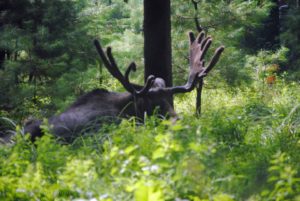
Another time, hiking to a waterfall in Maine, I surprised a bull moose and a cow. The female slipped quietly into the forest. The bull didn’t. He stared me down first — a long, assessing look — before he too disappeared into the trees.
Moose are enormous, unpredictable animals. If he had charged, it would have been catastrophic. And yet, again, neither of us did anything wrong. We simply crossed paths in a place where both of us had a right to be.
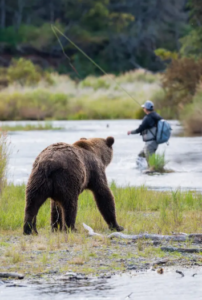 The Colorado Bear: A Familiar, Heartbreaking Pattern
Which brings me back to the bear in Colorado.
The fisherman may have startled the bear, or it may have been stressed, hungry, or defending a food source. It could also have been nothing more than a moment where both were in the wrong place at the wrong time.
We’ll never know the full story. But we do know how it ended: the bear was euthanized.
Not because it was a monster. Not because it was malicious. But because it was a bear — and bears don’t understand our rules.
The Wildness We Keep Shrinking
Every time we kill a wild animal for doing what wild animals do, we shrink the wildness left in the world. We make nature smaller, safer, more controlled — and less alive.
Human–wildlife encounters will always be dangerous. Danger can come from humans, from animals, or simply from the unpredictable reality of sharing space with creatures who don’t speak our language.
But the tragedy is always the same: the animal pays the price for the intersection.
And that’s what makes these headlines so hard to read.
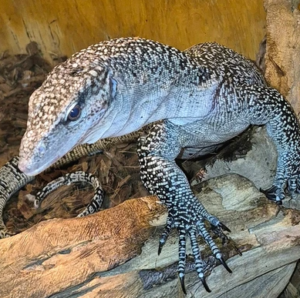 in a laser-pointer factory. And now we bring you something truly bizarre: an escaped mangrove monitor, an exotic lizard native to northern Australia and the western Pacific islands.
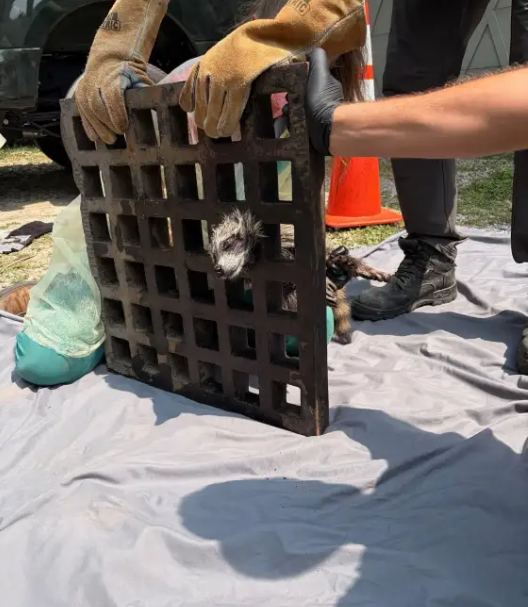
 Banner: At the Wildlife Center, veterinarians used modern rescue techniques to safely free him. After sedating the baby raccoon, they applied canola oil and wrapped him in garbage bags to gently ease him out of the grate.