Massachusetts’ Quiet Wildlife Spectacle- the Herring Run

“Close‑up of river herring packed together as they swim upstream through shallow, rippling water during the Massachusetts herring run.”


The Herring Run in Massachusetts: Spring’s Quiet Wildlife Spectacle

Every spring in Massachusetts, something ancient stirs beneath the surface of our rivers. As the water warms, thousands of river herring — alewives and blueback herring — return from the Atlantic to the exact freshwater streams where they were born. This annual migration, known simply as the herring run, is one of New England’s most reliable signs that winter is finally loosening its grip.

It’s a small miracle that happens in plain sight, and once you know it’s happening, you start to notice the subtle excitement in the air: the gulls gathering, the osprey circling, the water suddenly alive with silver flashes.


What Exactly Is a Herring Run?

River herring are diadromous fish, meaning they split their lives between saltwater and freshwater. They hatch in ponds and streams, spend their early months growing there, then head out to sea. After several years in the Atlantic, instinct pulls them back home to spawn the next generation.

Massachusetts sees two species:

  • Alewife (early spring)
  • Blueback herring (late spring)

The run typically begins in late March or early April and peaks through mid‑May, depending on water temperature.


Why the Herring Run Matters

The run isn’t just a quirky local event — it’s a cornerstone of the coastal ecosystem. River herring are a crucial food source for:

  • Osprey
  • Herons
  • Striped bass
  • Bluefish
  • Seals
  • River otters
  • And now, increasingly, bald eagles

When the herring return, everything else wakes up too. It’s the ecological equivalent of turning the lights back on after winter.


🦅 Bald Eagles and the Herring Run

One of the most exciting changes in recent years has been the return of bald eagles to southeastern Massachusetts. After disappearing from the state for decades, they’ve made a dramatic comeback thanks to conservation efforts — and the herring run is one of the seasonal events that draws them in.

During the run, eagles:

  • perch in tall riverside trees
  • watch for slowed or struggling fish
  • swoop down to grab herring near the surface
  • occasionally steal fish from gulls (which the gulls do not appreciate)

Seeing an eagle over the river in April has become one of those “I can’t believe this is Massachusetts” moments.


A Tale of Two Coasts: Herring Run vs. Salmon Run

If you’ve ever watched the dramatic salmon runs in Alaska or the Pacific Northwest — the leaping fish, the roaring rivers, the bears lined up like they’re at a sushi conveyor belt — you might assume the herring run is the same thing on a smaller scale.

It is similar… but also wonderfully different.

🐻 Pacific Northwest: Bears

Salmon runs attract grizzlies who stand in the river and casually pluck salmon out of the air. It’s peak nature‑documentary energy.

🕊️ New England: Seagulls

Here?
We get seagulls. Loud, pushy, unapologetic seagulls.
They’re not majestic, but they are extremely committed to the drama.

It’s less “National Geographic” and more “local gossip at the river.”

💀 Salmon die after spawning — herring don’t

Pacific salmon make one heroic, exhausting journey upstream and then die, feeding the ecosystem.

River herring?
They spawn, shake it off, and head back to sea. They can repeat the trip several times over their lifespan.

📏 Scale: Epic vs. Intimate

Salmon runs can look like the river is made of fish.
Herring runs are quieter — thousands, not millions — and concentrated at fish ladders and narrow channels. You can stand a few feet away and watch individual fish make their climb.

🗓️ Timing

  • Herring: early spring
  • Salmon: late summer into fall

So while the Pacific Northwest is gearing up for berry season and bears, we’re pulling on light jackets and heading to the fish ladder with coffee.


Do People Eat River Herring?

Historically, yes — they were smoked, salted, pickled, and even used as fertilizer. But today, harvesting river herring is banned in Massachusetts due to population declines.

So the only ones feasting during the run are:

  • gulls
  • osprey
  • herons
  • bald eagles
  • stripers waiting downstream

It’s a wildlife buffet, not a human one.


Where to See the Herring Run

Some of the best spots in Massachusetts include:

  • Oliver Mill Park, Middleboro — one of the most popular and photogenic
  • Mystic River & Mystic Lakes Dam, Medford
  • Parker River, Newbury
  • Town Brook, Plymouth

Each has fish ladders, viewing platforms, and plenty of opportunities for photos.

I’ve been watching the herring run for years, and every spring it feels like the river wakes up all at once. The gulls start screaming, the water churns, and suddenly you realize winter is officially over.


Color Me Wild: The Brilliant Plumage of a Wood Duck

In honor of National Wildlife Week, I’m sharing one of the most colorful birds in North America — the stunning wood duck.

Wood Duck Wildlife Photography Spotlight

Wood duck standing near a tree with iridescent green, purple, and chestnut plumage — National Wildlife Week photo.

Protecting wildlife begins with appreciating the beauty right in front of us.

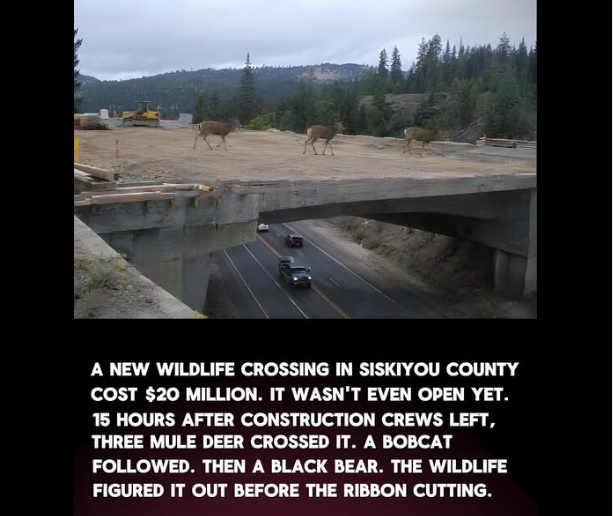
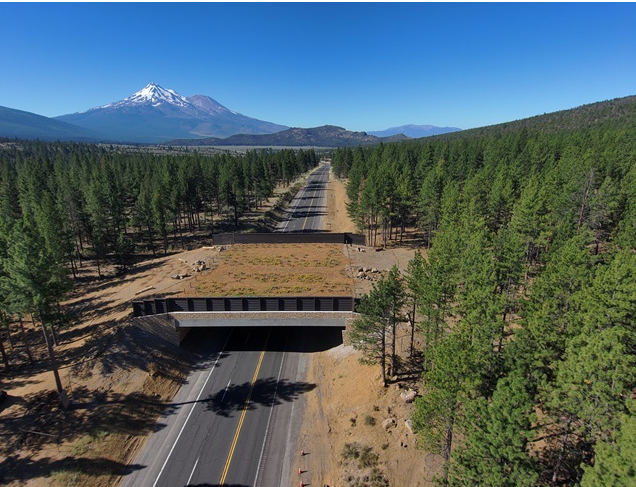
Largest Wildlife Overpass In North America

Largest Wildlife Overpass in North America is completed in Colorado


A  Wildlife Win in Colorado

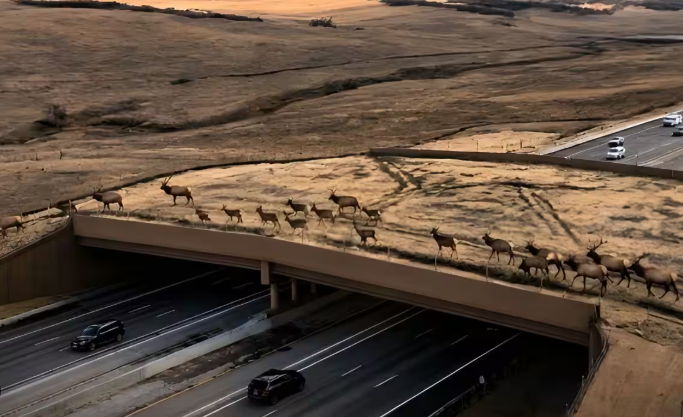
Gotta love it when the universe hands you a little validation. Back in December, I wrote about Colorado’s plans for a new wildlife overpass. Fast‑forward to April, and my Google AI feed lit up with an update: the Greenland Wildlife Overpass is officially complete — and it’s now the largest wildlife overpass in North America.

Greenland Wildlife Overpass

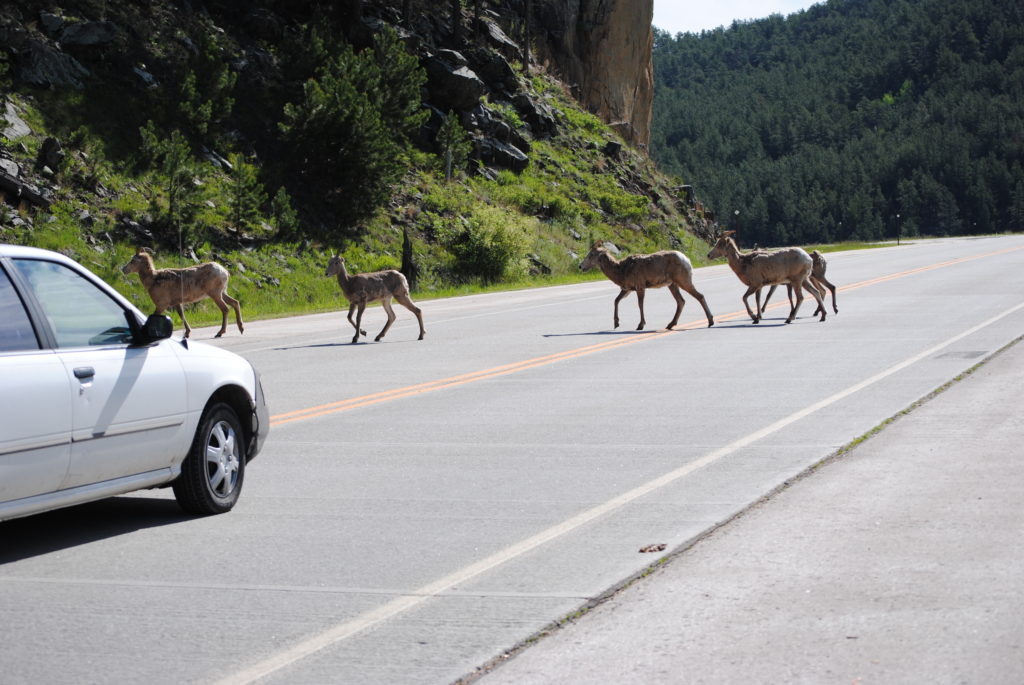
This thing is massive: 200 feet wide, 209 feet long, and fully covered with rocks, soil, and native vegetation so it blends right into the landscape. The goal is simple but powerful — give wildlife a safe way across a busy stretch of I‑25.

And it’s needed. Before the bridge, this area averaged one wildlife–vehicle collision every single day.

Expected Use

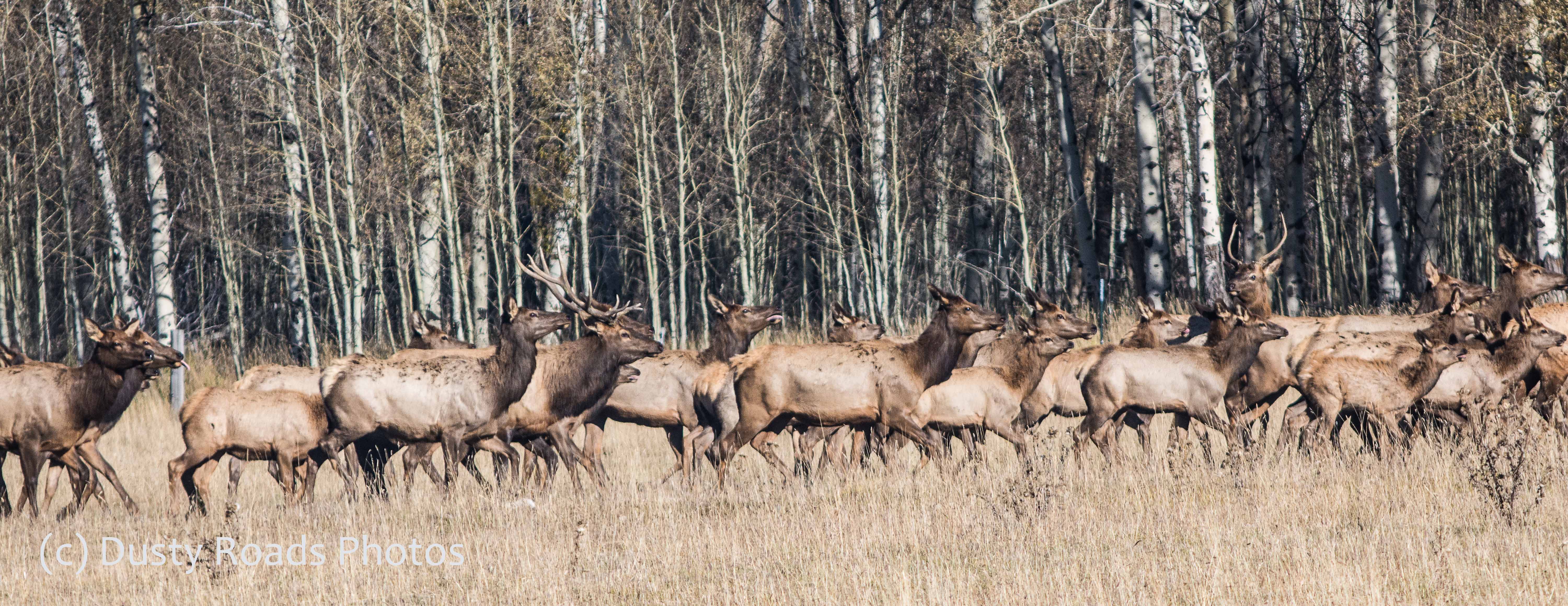
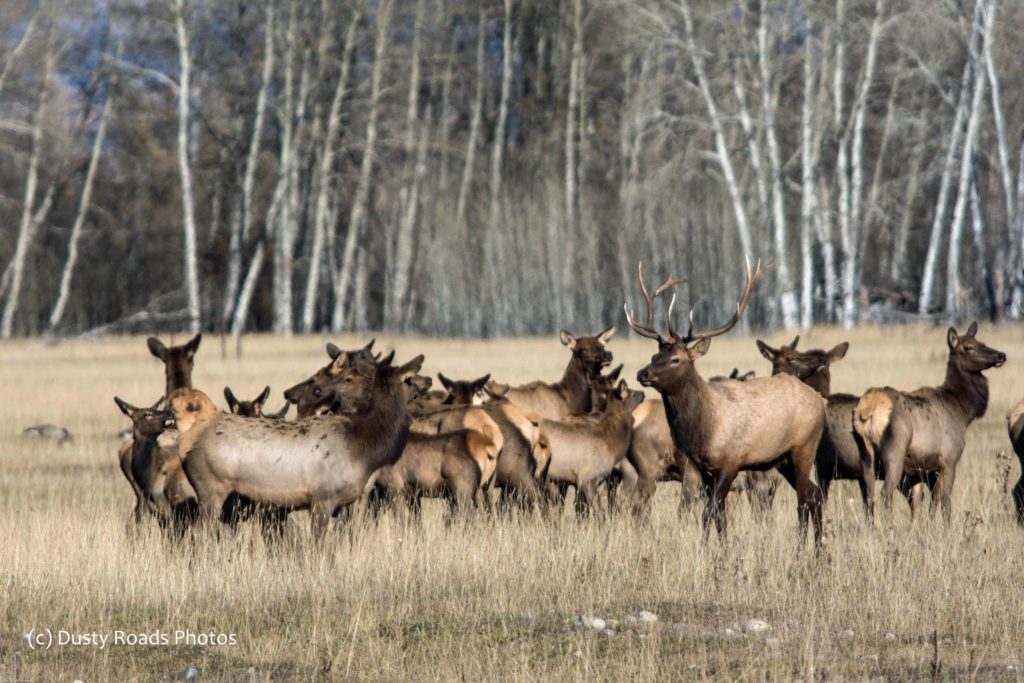
A pair of Bull elk

The overpass is designed primarily for pronghorn and elk, but biologists expect moose, black bears, mountain lions, and mule deer to use it too. Even better, the project wrapped up ahead of schedule and under budget, coming in around $15 million, funded through federal infrastructure support and state partners.

It’s a rare moment where safety, conservation, and smart planning all line up — and I’m here for it.

Want to know more? Check out my previous post:

Colorado’s Big, Bold, and Slightly Baked Idea

Its International Tiger Day

🧡 Roaring Back: Tigers, India, and the Power of Rediscovery 🧡

Every year on July 29, the world pauses to honor one of nature’s most iconic predators: the tiger. International Tiger Day, also known as Global Tiger Day, began in 2010 at the Saint Petersburg Tiger Summit with a bold goal—double the number of wild tigers by 2022. In 2025, India stands as a beacon of hope, having not only met but surpassed that target.

Photo credit Deb Neumann

🐅 India’s Tiger Triumph

India is now home to over 3,700 wild tigers, representing 75% of the global population. This remarkable recovery didn’t happen by chance—it’s the result of decades of conservation work under initiatives like Project Tiger, launched in 1973. The strategy blends protected reserves, community engagement, and modern technology like GPS tracking to monitor tiger movements.

Photo Credit Deb Neumann

What makes India’s approach unique is its emphasis on coexistence. Tigers aren’t confined to isolated parks—they roam landscapes shared with over 60 million people. Through compensation programs, eco-tourism, and education, communities have become active partners in conservation. In places like Pilibhit and Dudhwa, grassroots efforts and “Bagh Mitras” (Tiger Friends) help prevent conflict and build trust.

🌍 Lessons from “Extinct or Alive”

This story of tiger resurgence echoes the spirit of the TV show Extinct or Alive, hosted by wildlife biologist Forrest Galante. The show follows Galante as he searches for animals believed to be extinct, often uncovering evidence that they still survive in remote corners of the world.

In one episode, Galante’s team rediscovered the Fernandina Island Galápagos tortoise, a species unseen for over a century. Another episode featured the Zanzibar leopard, caught on camera in a moment that challenged long-held assumptions about extinction. These discoveries remind us that extinction isn’t always final—sometimes, it’s a call to look closer, listen harder, and believe in nature’s resilience.

India’s tiger story is a real-world version of this ethos. It proves that with science, cultural respect, and community support, even the most endangered species can make a comeback.

https://preview.redd.it/do-you-think-the-javan-tiger-is-truly-extinct-or-no-v0-qyrh8tif69lb1.jpg?width=640&crop=smart&auto=webp&s=74d07341c51fed1249f40acf2f8cb7e75bc4f012

Javan Tiger- Extinct or Alive

🌱 Why Tigers Matter

 Tigers  are more than majestic creatures—they’re keystone species. Their presence helps regulate prey populations, maintain forest health, and support biodiversity. Forests where tigers thrive also act as carbon sinks, protect water sources, and reduce flood risks.

Saving tigers means saving entire ecosystems—and by extension, ourselves.

🐾 Final Roar

On this International Tiger Day, let’s celebrate not just the tiger’s survival, but its return. Let’s honor the communities, scientists, and storytellers who keep hope alive. And let’s remember that extinction is not a closed door—it’s a challenge to open new ones.

Because sometimes, the roar isn’t gone—it’s just waiting to be heard again.


199,000+ Tiger Stock Photos, Pictures & Royalty-Free Images ...

Stock Photo


RIP 399

Grizzly 399

Grizzly 399 was , without a doubt, the most famous Grizzly in the Yellowstone/Grand Teton eco-system. She was so famous that when I went to Jackson Hole in 2017 even I had heard of her.  Sadly Grizzly 399 was killed in a car/bear accident about a week ago. She was 28. 28 is old for any grizzly but especially a wild bear. 

photo credit- unknown

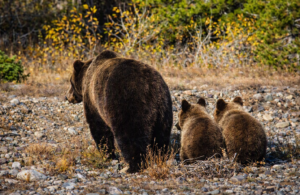
Grizzly 399 was unique in that she was still birthing cubs every year.  This bear produced 18 offspring over the years. Another reason she became so famous is that she lived close to Jackson Hole so was more visible than most. It wasn’t unusual for her to be spotted along a roadside with her cubs. Fans even sent texts and posted on social media where she might be seen. That was how I was lucky enough to get a glimpse of the  bear and 2 cubs when I was in Wyoming and know that it was this famous bear,

My Sighting

I was heading back to the condo where I was staying after a day touring Yellowstone National Park. The geysers had been plentiful but wildlife had been scarce. I’d just crossed into Grand Teton National Park when I saw a lot of cars pulled off the road. I parked, grabbed the camera and trotted up to the crowd. I could see a lot of pointing and low talking so I approached one of the people in front of me. He told me Grizzly 399 was in the area with 2 cubs.  Right about then I heard someone say “There she is!” And cameras came out all along the roadside. I got as close as I could but having arrived late I wasn’t in the best location.  Here’s what I was able to capture.

3 bears out for a stroll

Grizzly 399 and 2 cubs -2017 photo Credit Deb Neumann

Into the woods

Grizzly 399 -2017 photo Credit Deb Neumann

Mangelsen Gallery

If you want to see really beautiful photos of Grizzly 399 you have to visit the Mangelsen Gallery in Jackson Hole. His work is some of the finest Wildlife Photography I have ever seen and he has some outstanding images for Grizzly 399 over the years. 

Ode to 399

28 is old for a bear and sooner or later we were going to have to say goodbye to this iconic grizzly. At least we know what happened to her. She could have denned up for a winter and never come out. No matter what it would be sad. Part of me is thankful that we know what happened to her and part of me is angry that it was due to humans that this amazing bear is gone. At the same time having driven those roads and seen how dark they can be I can understand how it happened. RIP Grizzly 399. You will be missed.


Photo credit -unknown