How December 28 Changed Our Natural World
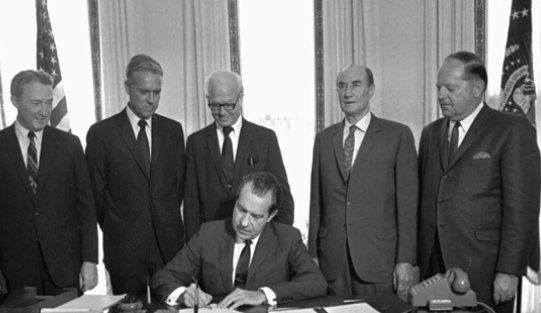
Every so often, history hands us a moment that reshapes the way we care for the planet. December 28, 1973, was one of those days. On that winter afternoon, President Richard Nixon signed the Endangered Species Act (ESA) into law—an act that would become one of the strongest environmental protections in the world. And yes, it came from a president whose legacy is… complicated.
A Notorious Presidency: Why Nixon’s Name Still Echoes
Richard Nixon remains one of the most talked‑about presidents in American history. His administration was marked by the Watergate scandal, a political crisis that led to investigations, resignations, and ultimately his own resignation from office. The phrase “I am not a crook,” which he famously said in response to allegations, became a cultural shorthand for political scandal and mistrust.
Yet even amid controversy, Nixon’s presidency produced a surprising wave of environmental action. Under his administration, the Environmental Protection Agency (EPA) was created, and several landmark environmental laws—including the ESA—were signed. History is rarely tidy, and Nixon’s environmental legacy is a reminder of that.
What Exactly Is the Endangered Species Act?
 The Endangered Species Act was designed to protect plants and animals at risk of extinction. It does three major things:
- Identifies species that are endangered or threatened
- Protects their habitats, preventing destruction or harmful development
- Creates recovery plans to help species rebound
It’s not just a list—it’s a commitment. The ESA requires federal agencies to consider the impact of their actions on vulnerable species, making it one of the most powerful conservation tools ever created.
How the ESA Shapes Our World Today
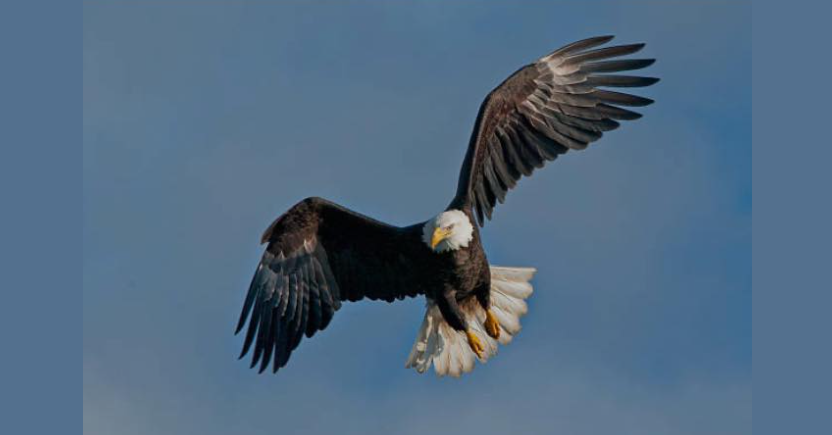
The effects of the ESA ripple far beyond the forests and oceans. It influences how we build, farm, fish, and even how we plan communities. More importantly, it has helped pull dozens of species back from the brink, including:
- The bald eagle
- The American alligator
- The peregrine falcon
- The humpback whale *
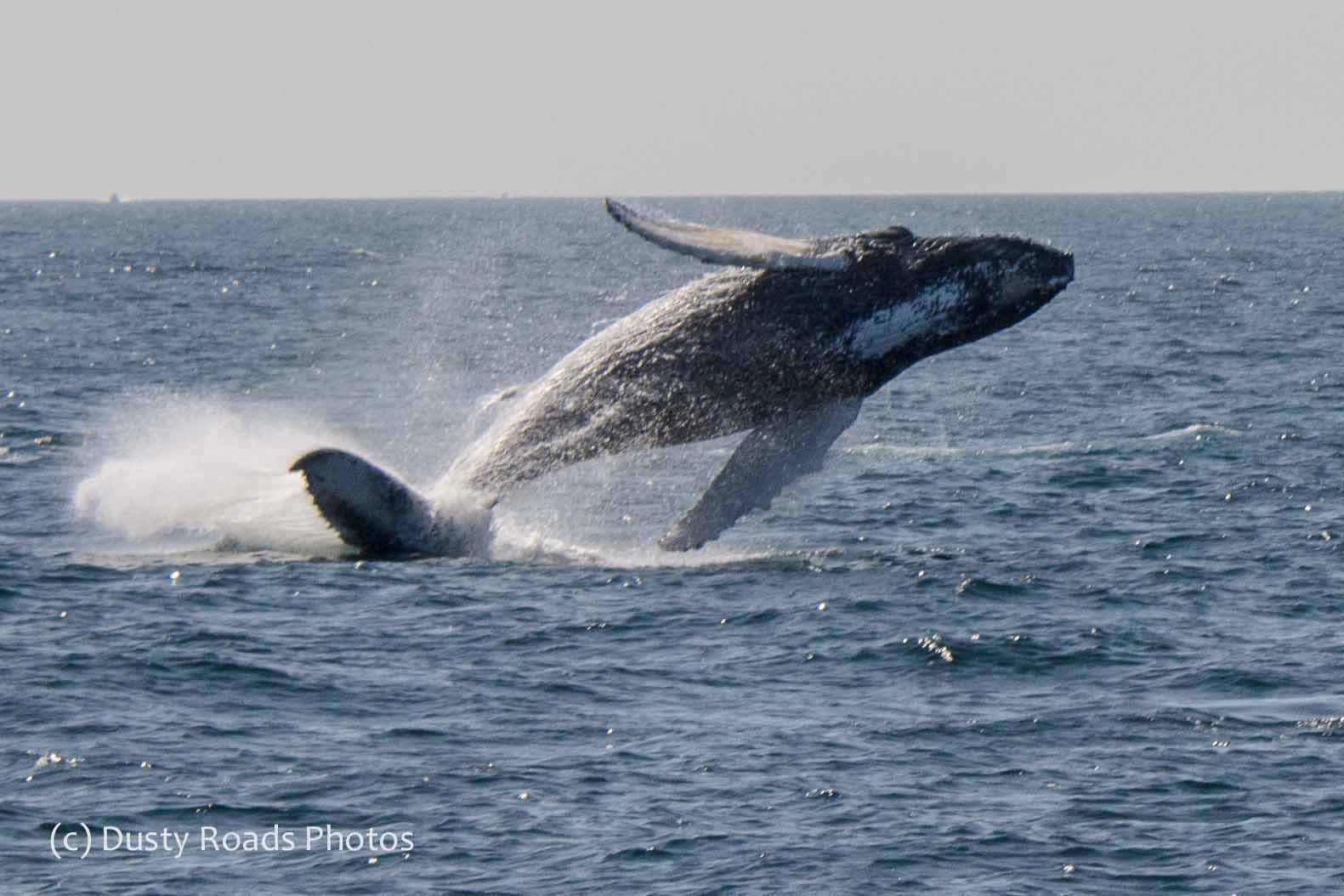
These aren’t just animals—they’re symbols of resilience.
For us, the ESA protects biodiversity, which in turn supports healthy ecosystems. Those ecosystems give us clean water, stable soil, pollinators for our crops, and the natural beauty that inspires so much of our storytelling here on Around Dusty Roads.
Why This Moment Still Matters
In a world where climate change and habitat loss continue to threaten wildlife, the ESA stands as a reminder that policy can be a force for good. Nixon’s signature on that December day helped safeguard the natural heritage we pass on to future generations.
It’s a story of contradiction, hope, and the unexpected ways history shapes our world. And it’s a reminder that even in turbulent times, meaningful progress can take root.
Closing Thoughts
Today, the Endangered Species Act still stands as one of the most powerful conservation tools we have—but it’s not without new challenges. The current administration has proposed regulatory changes that many scientists and environmental groups warn could weaken key protections the ESA has relied on for decades. As these debates unfold, the future of wildlife conservation hangs in the balance. In our next post, we’ll take a closer look at the specific efforts underway to revise or roll back parts of the ESA, and what those changes could mean for the species that depend on it.