Boston is my Home Town
Back in March, when I was contemplating making a life change and moving, I wrote about why I changed my mind and decided to stay in Massachusetts. (Why I Might Just Stay Put in Massachusetts) After all, Massachusetts is one of the most expensive states to live in and our weather is questionable at best — cold and snowy three‑quarters of the year and hot and humid the rest.

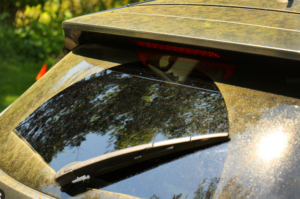
Spring and fall? Look quick or they’re gone. Sometimes you only know it’s spring because your car, walkway, and deck all turn yellow from the pollen. Hello allergies.
But as I said in that March post, there are some reasons to stay. And recently I saw a list (you know I love lists) of reasons living in Boston is the best and everyone should move here. Let’s see if I agree with them.
1. The distinctive and gorgeous skyline.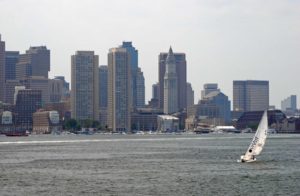
Yes, Boston is a beautiful city, sitting as it does right on the harbor. There’s nothing quite like taking a boat ride around the harbor and its islands. From lighthouses to forts to the skyscrapers shining in the sun, Boston mixes the old with the new. You can even spot the Old North Church spire while you cruise.
2. Boston is loaded with landmarks.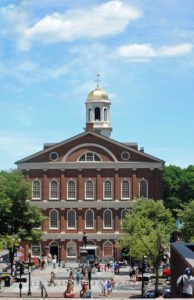
From Faneuil Hall (built in 1742) to Fenway Park (the oldest ballpark in the MLB), from Bunker Hill to the Freedom Trail (you can visit Paul Revere’s house), or even the Charlestown Navy Yard where you can tour the USS Constitution (Old Ironsides).
3. History buffs will love exploring.
If you want to go beyond the usual Freedom Trail stops, Boston has some wonderfully under‑the‑radar historic gems. One of my favorites is Fort Warren out on Georges Island. I went there when I first moved here in the 70s, and it still has that same windswept, slightly spooky charm — Civil War history, granite walls, and the legend of the “Lady in Black,” all wrapped up in one ferry ride.
And while you’re in a historical mood, wander over to The Warren Tavern in Charlestown. It’s one of the oldest taverns in Massachusetts and still operating today. Paul Revere and George Washington once stopped in, and more importantly, they serve popovers — one of the only places besides the old Anthony’s Pier 4 (now closed) where I’ve ever had them. That alone makes it worth the visit.

4. Our scenic waterfront.
Follow the Harborwalk and enjoy a relaxing stroll along the shoreline. It leads you past Christopher Columbus Waterfront Park, the Rose Kennedy Greenway, and the lively piers that frame the harbor. It’s one of the prettiest stretches in the city.
5. We’re wicked smaht — or at least well‑educated.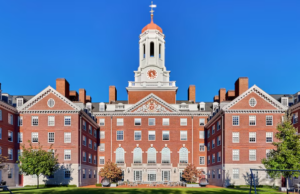
Boston is a city of learning. The Boston Redevelopment Authority says there are 35 colleges in Boston — which tells me they’re counting the Greater Boston area. And honestly, that makes sense. We have a plethora (like that big word?) of universities to choose from, including:
- Boston University (BU)
- Northeastern University
- Boston College (technically Chestnut Hill, but part of the campus sits within Boston city limits)
And if we’re counting Greater Boston, then of course we have to include Harvard, sitting stuffy and pompous in its Cambridge shrine. Right across the river is MIT, the youthful upstart of the computer world — the place where geniuses seem to grow on trees. Add those two heavy hitters into the tally, and suddenly 35 colleges doesn’t sound far‑fetched at all.
6. Oh, we have the best Italian food too.
Just take a stroll through the North End. The narrow streets are lined with pizzerias and local grocery stores — not 7‑Elevens. Stores with olives and marinara and fresh pasta. And for a real treat of gluttony, visit during Saint Anthony’s Festival. Mama Mia!
7. When foodies die, they go to Boston.
If there’s one thing Boston knows how to do, it’s throw a food festival. Ice cream days in the summer, Oktoberfest in the fall, seafood festivals all over the area. And let’s talk cultural events — Irish celebrations with plenty of food and drink, Haitian and Jamaican festivals like Boston JerkFest, and even a “Fluff Fest” to celebrate Marshmallow Fluff.
8. We’re no slouches when it comes to inventing dishes.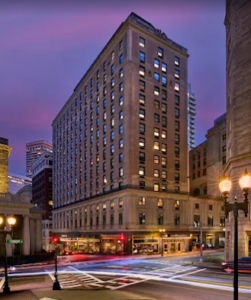
Boston Cream Pie and Parker House rolls were first dreamed up at the Parker House Hotel. Boston baked beans harken back to the 1600s and the Pilgrims. And cookies? The Boston area is the gold standard for chocolate chip — the original Toll House cookie started here. Then the Fig Newton jumped in. Are we good or what!
9. We’re a wonderfully diverse bunch.
It’s well known that Boston’s roots include the British (remember those Redcoats/loyalists), the Irish (hello Southie), and the Italians in the North End (ciao!). But we’ve also got Haitian, Jamaican, Cape Verdean, and even Moldovan communities. I’m sure we can find more if we dig a little deeper.
10. This is a creative and artistic city.
We have concerts on the Esplanade and the Boston Pops. There’s the beautiful Gardner Museum and the MFA. Even our library is a thing of beauty.
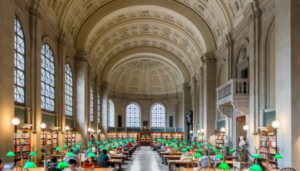
Boston Athenæum
11. Boston offers world‑class healthcare.
Let’s be honest — we can’t all have perfect health. If you must get sick, what better place than Boston, where we have some of the top doctors and surgeons in the world? And we’ve been sedating patients for surgery almost forever. Boston gave the world anesthesia — right in the Ether Dome at Mass General — turning surgery from a horror show into something survivable.
12. Like shoes? Specifically athletic shoes?
Then Boston is the place for you. Reebok, New Balance, and Converse are all headquartered here. Makes sense when you think the world’s oldest marathon is run here every April.
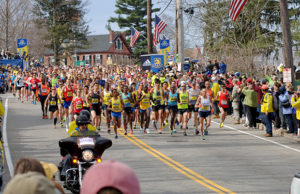
13. Boston is extremely walkable.
Boston has a walk score of 81/100 — third in the nation. Many of our streets are still paved with cobblestones, so walking is the preferred means of travel. A lot less bumpy. So strap on that Fitbit and hit those 10k milestones.
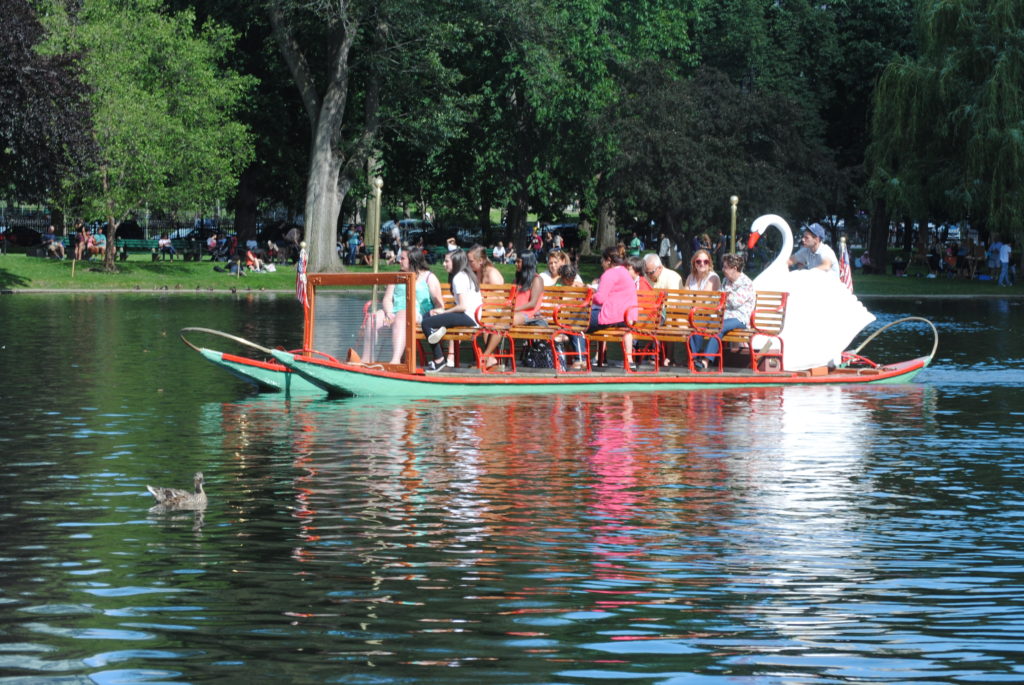
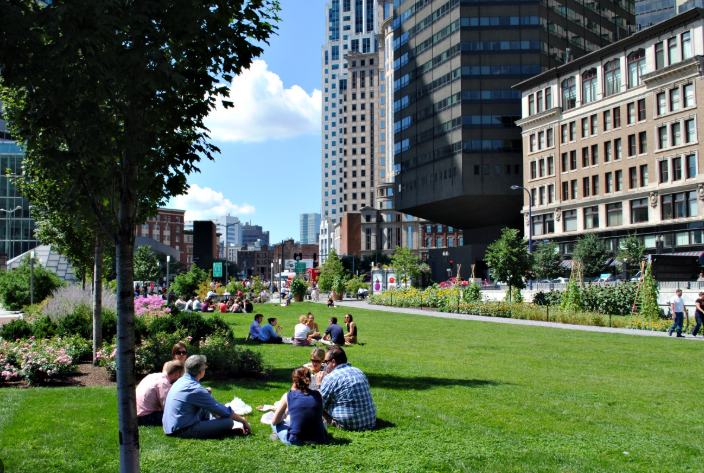
14. Parks and green spaces.
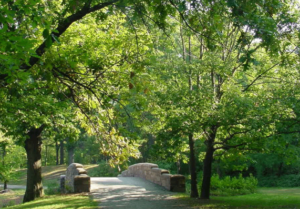
Boston is surrounded by the Emerald Necklace, a series of parks that cover 7 miles from Boston Common to Franklin Park. It’s a 1,100‑acre chain of parks linked by waterways and parkways. Designed by Frederick Law Olmsted, it is the only fully intact linear park system he ever created. Almost anyone who lives in Boston is within a 10‑minute walk of a patch of green.
15. The T.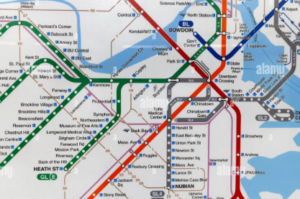
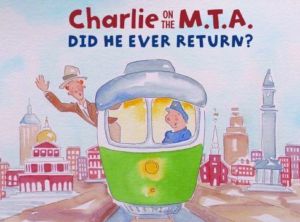
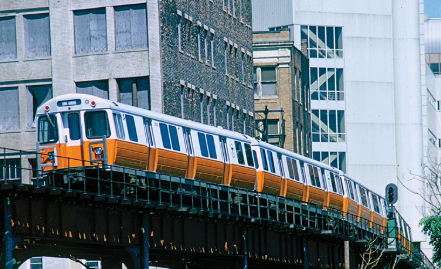
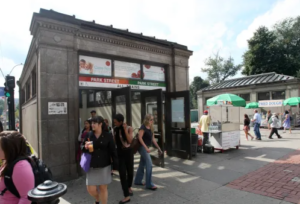
That’s MBTA to you non‑Bostonians. We were first in the nation, but as I’ve told you in the past, we always seem to arrive late. We ranked 3rd in the nation for our public transit system. When you figure that’s an assessment of 136 cities with populations over 175,000, that’s really a win.
16. Sports… what can I say?
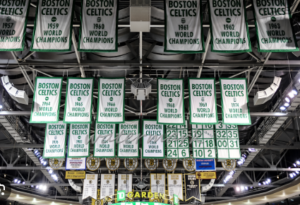
Boston is sports‑crazy. Even if you weren’t a sports fan when you came here, you’ll get caught up. We love our teams — the Sox, Pats, Bruins, Celtics — we’re a city of champions. Just look at the banners hanging from the rafters in the Garden. We stick with them through all the ups and downs. We’re not fair‑weather fans.
17. Neighborhoods.
This was one of the things that hit me when I moved here in the 70s. Boston was a city, but it didn’t feel like one. It wasn’t like New York City. Boston was more like a cluster of little cities and towns all rolled into one. Neighborhoods had a flavor, and you knew your neighbors — at least enough to offer a friendly wave.
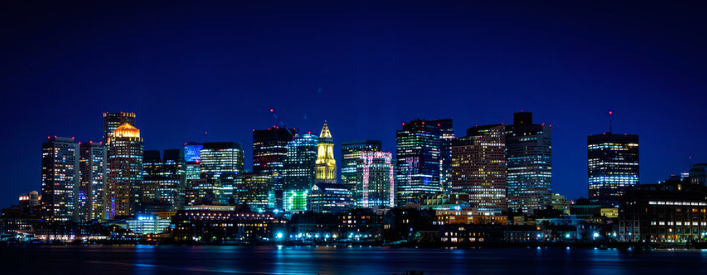
18. The sight of the city after dark.
This has always been a big one for me. When I first moved here, I’d go back home fairly often. I’d drive the Mass Pike back and forth on weekends. There was nothing like the feeling I got as the skyline of Boston came into sight when I returned. I’d come barreling down that section of the Pike past Belmont and the Mormon Temple, and there were the lights of Boston spread out before me. I never drive that stretch at night without getting an overwhelming feeling of I’m home now.
I know this has run long, but there was just so much to say about life in Boston. Special thanks to Juliet White for her essay 18 Reasons Living in Boston is the Best and Everyone Should Move Here. It was the launching point for this post. I’ve tried to stay true to her headings while putting my own spin on it. I hope you enjoy it and welcome any of your thoughts and observations.
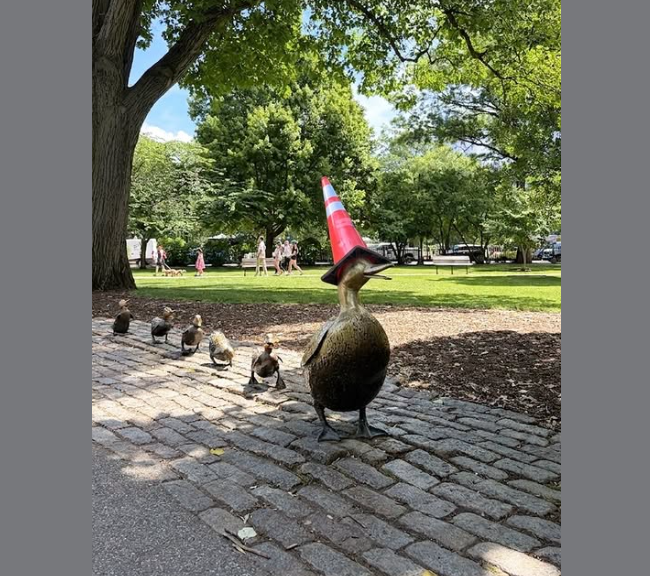
 The Real Story Behind the Cones
 I’m trying to arrange a visit to

 The New Jersey Detour That Never Happened

 Before the Subway: Boston’s First Commute (Bring a Rowboat)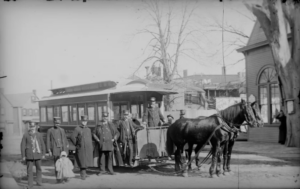
 1897: The First Subway in America (And We Still Use It)