Wildlife Overpasses Are Saving Lives

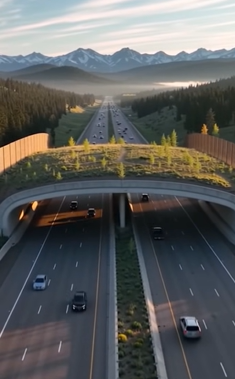
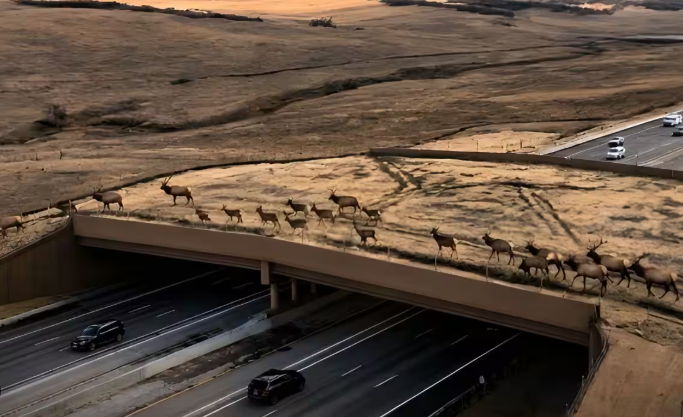
Elk walking across a vegetated wildlife overpass above a busy multi‑lane highway, with cars passing underneath and open plains in the background.

A Slow Start for a Smart Idea

Not so long ago, wildlife bridges were almost unheard of. The first versions started appearing in the 1950s, but here in the U.S., the idea took decades to gain traction. Canada embraced the concept much earlier, and because they’re our closest neighbor, we had a front‑row seat to watch their success.

When Human Impact Forces Action

For years, wildlife advocates pushed for safe passage for migrating animals, while politicians pointed to the cost. And as often happens, nothing really changed until enough people were affected. Once the human impact became impossible to ignore, momentum finally shifted.

Colorado’s Most Dangerous Stretch of Highway

One of the worst areas for wildlife collisions is in Colorado. You might remember when I shared the opening of the I‑25 Greenland Wildlife Bridge — and then the update when the first three elk crossed it shortly after it opened. The latest numbers are jaw‑dropping.

A 91% Drop in Wildlife Collisions

Since the overpass opened, wildlife‑vehicle collisions have dropped 91%. Ninety‑one percent. That’s not just a win — that’s a lifesaver.

Before the bridge was built, this stretch of highway saw up to 25 animal‑vehicle collisions per day during migration season. Think of the ripple effect: fewer injuries, fewer animal deaths, fewer totaled cars and trucks. Imagine a big rig hitting an elk — the damage to the truck, the cargo, the driver, and of course the animal. And that’s just one accident.

Built for Big Game — Used by Everyone

The overpass spans I‑25 near the Greenland exit between Larkspur and Monument. It was designed primarily for pronghorn and elk, but the success has gone far beyond that.

Video feeds show entire elk herds using the bridge. Pronghorn are crossing to the west side of I‑25 for the first time in decades. Bears, deer, coyotes, and other animals have been spotted using it too.

Biologists even created a protected pathway for small mammals by piling wood along the edges so they wouldn’t be picked off by predators while crossing. It’s not just a big‑game solution — it’s a full‑ecosystem fix.
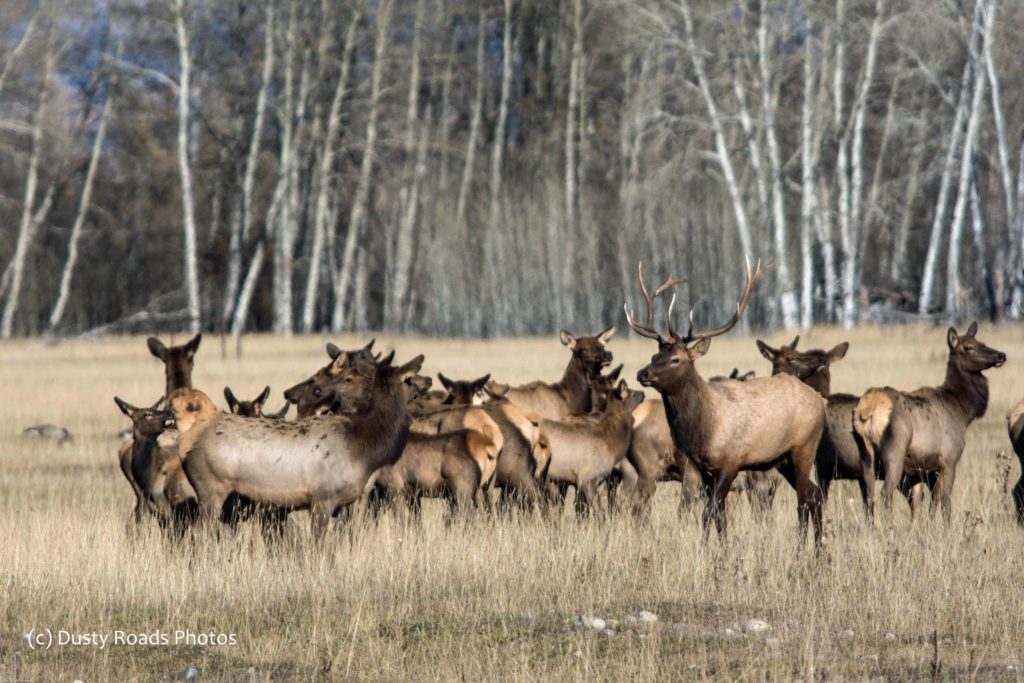
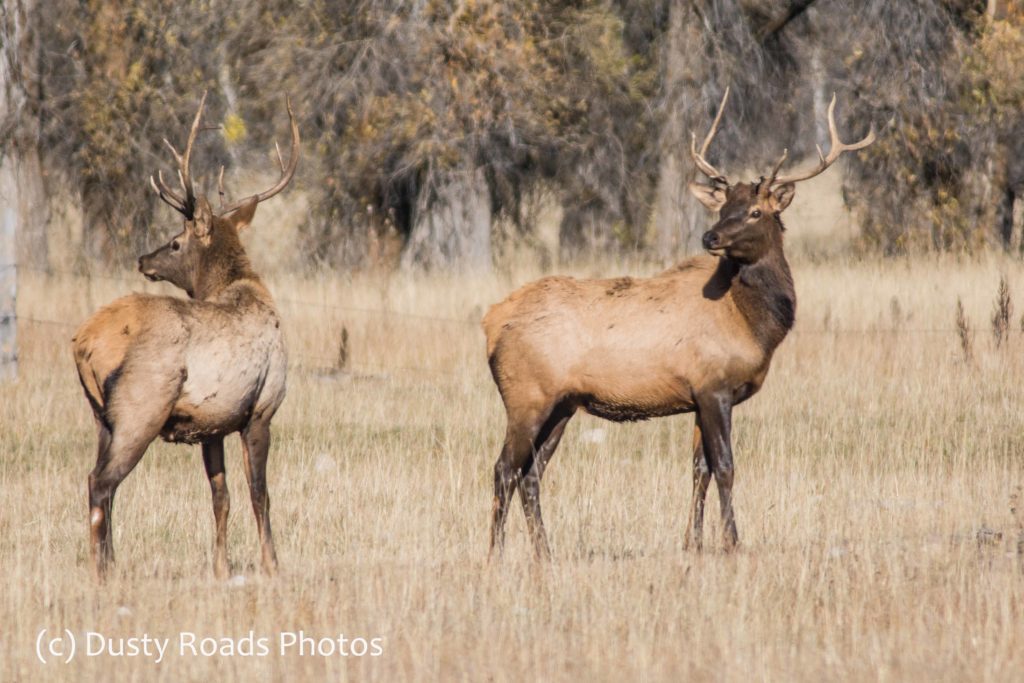
 A herd of elk standing in a grassy field, with a large bull elk in the center and leafless trees in the background.

A Model for the Future of Wildlife Safety

Colorado’s success is more than a local win — it’s a blueprint. When we give wildlife safe passage, we protect animals, drivers, families, and entire ecosystems. The Greenland overpass proves that thoughtful infrastructure can save lives on both sides of the guardrail.

Projects like the Greenland overpass remind us that the West isn’t just a place we admire — it’s a place we share. When we build with wildlife in mind, we’re choosing a future where animals can follow the paths they’ve used for centuries and drivers can travel safely through the landscapes we all love. It’s a simple idea with enormous impact, and Colorado has shown what happens when we finally decide to make room for every creature that calls this region home.


WMEO‑9 BREAKING NEWS- ANOTHER BEAR ATTACK!

Two cats sit behind a “WMEO 9” news desk, posed like TV anchors. A microphone and papers rest on the desk, with a blurred newsroom backdrop behind them.

WMEO‑9 BREAKING NEWS

Follow‑Up to Sunday’s Post: When Wildlife Pays the Price for Human–Wildlife Encounters

A starving bear entered a senior woman’s home through an unlatched window and swiped at her before bolting back out the same way. Wildlife officials quickly labeled the incident an “attack,” but the bear’s behavior shows panic, not aggression.

Drought, wildfires, and the fall feeding drive known as hyperphagia pushed the bear to search for food anywhere it could. The woman will fully recover. Wildlife officers are now tracking the bear with plans to euthanize it.

  
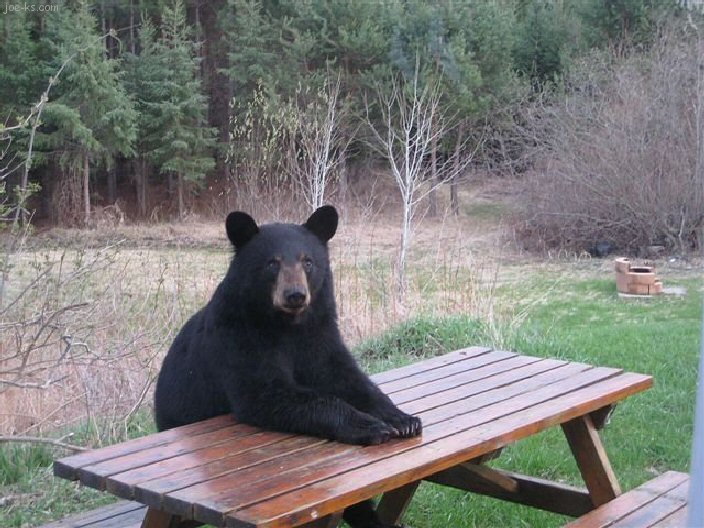
A black bear sits at a wooden picnic table with its front legs resting on the tabletop, creating a humorous, human‑like pose in a natural outdoor setting.

🐾 Banner’s Official Statement

WMEO Senior Field Correspondent, Sunbeam Division

“Look… if a bear comes through a window because humans dried out the forest and burned half its pantry, maybe don’t blame the bear. If I were starving, I’d go through a window too. I go through doors now and I’m not even starving.

Also, calling it ‘aggressive’ after one swipe? Please. Balboa swipes me ten times a day and nobody sends wildlife officers after him.”

🐾 Balboa’s Official Statement

WMEO Chief Dramatic Analyst, Blanket Affairs

“I swear, humans panic over everything. A bear walks in, realizes it made a mistake, and leaves. That’s not aggression — that’s me when the vacuum turns on.

If anyone should be labeled aggressive, it’s whoever decided the bear should be hunted. I’d hiss at them. Loudly.”

Banner and Balboa reporting for WMEO 9- We Meow, You Listen

Two cats sit behind a newsroom desk labeled “WMEO 9.” The orange cat sits upright, while the black cat appears mid‑meow. The background shows a blurred TV studio, creating a humorous scene of cats acting as news anchors.


Colorado’s Wildlife Bridge Gets Its First Big Visitors

Update : Colorado, Greenland Wildlife Overpass

Remember that wildlife overpass Colorado finished earlier this year — the one I wrote about when it opened? Well, it just had its first major moment. A trail cam captured three elk using the bridge, strolling across like they’ve been doing it forever.

It’s exactly what biologists hoped for: large animals choosing the safe route instead of darting across I‑25. And honestly, seeing it actually work feels like a little win for both wildlife and drivers.

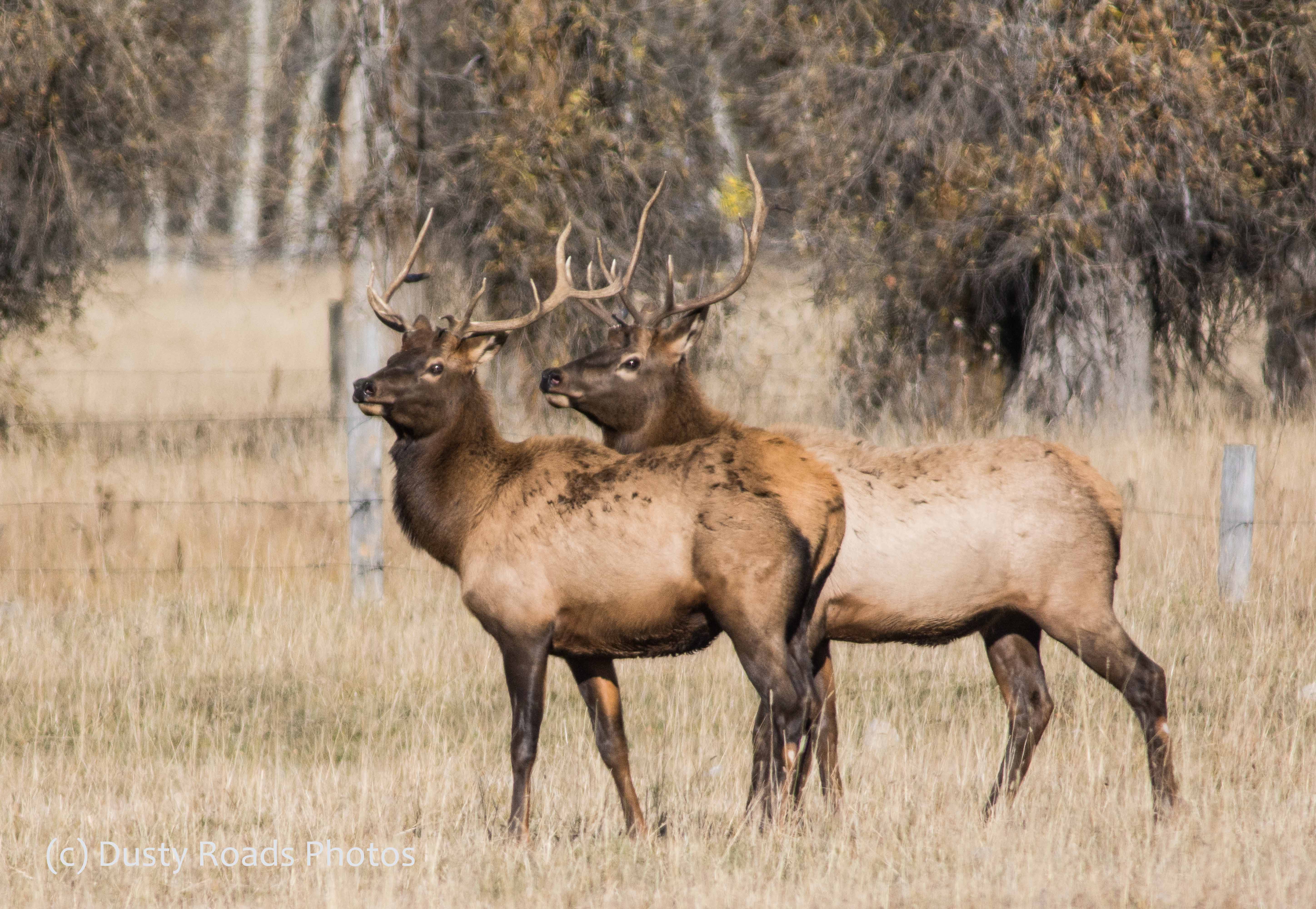
Two bull elk standing in a grassy field with trees behind them, representing the wildlife now using Colorado’s new overpass.”

I’ve linked back to my original post if you want the full backstory.

Largest Wildlife Overpass In North America

Largest Wildlife Overpass in North America is completed in Colorado


A  Wildlife Win in Colorado

Gotta love it when the universe hands you a little validation. Back in December, I wrote about Colorado’s plans for a new wildlife overpass. Fast‑forward to April, and my Google AI feed lit up with an update: the Greenland Wildlife Overpass is officially complete — and it’s now the largest wildlife overpass in North America.

Greenland Wildlife Overpass

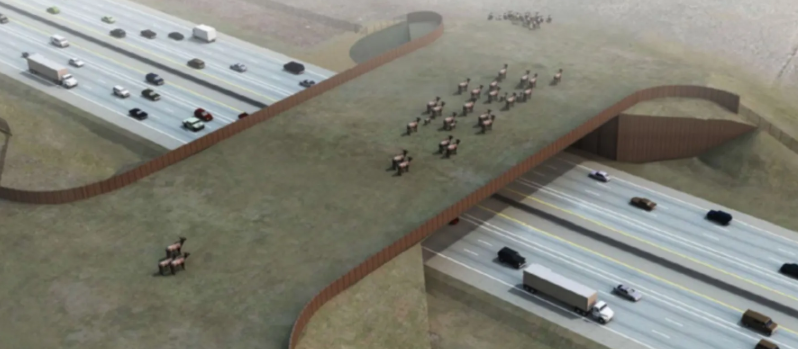
This thing is massive: 200 feet wide, 209 feet long, and fully covered with rocks, soil, and native vegetation so it blends right into the landscape. The goal is simple but powerful — give wildlife a safe way across a busy stretch of I‑25.

And it’s needed. Before the bridge, this area averaged one wildlife–vehicle collision every single day.

Expected Use

A pair of Bull elk

The overpass is designed primarily for pronghorn and elk, but biologists expect moose, black bears, mountain lions, and mule deer to use it too. Even better, the project wrapped up ahead of schedule and under budget, coming in around $15 million, funded through federal infrastructure support and state partners.

It’s a rare moment where safety, conservation, and smart planning all line up — and I’m here for it.

Want to know more? Check out my previous post:

Colorado’s Big, Bold, and Slightly Baked Idea

A Southwest Wish‑List Adventure: If I Hit the Road Today

Setting Out With a Sense of Possibility

Every now and then, I feel that familiar tug — the one that whispers it might be time to wander again. Not in a rushed, suitcase‑bursting, itinerary‑packed way, but in the soft, dreamy style of a wish‑list adventure. The kind where you point the car toward the horizon and let the landscape decide the pace.

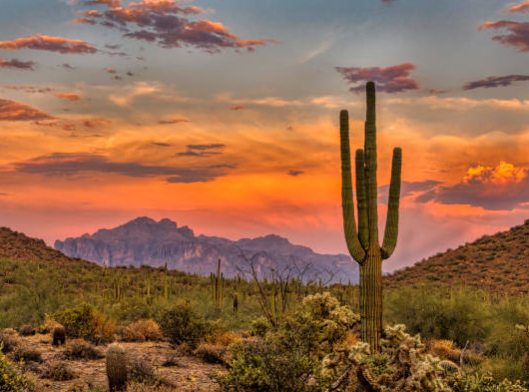
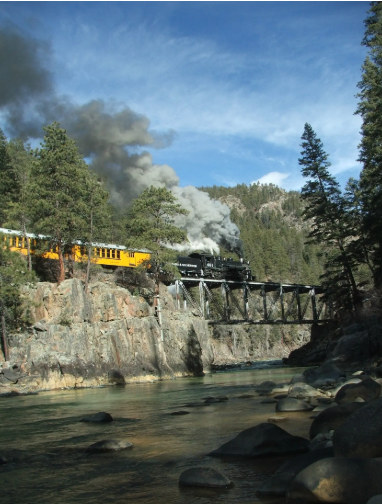
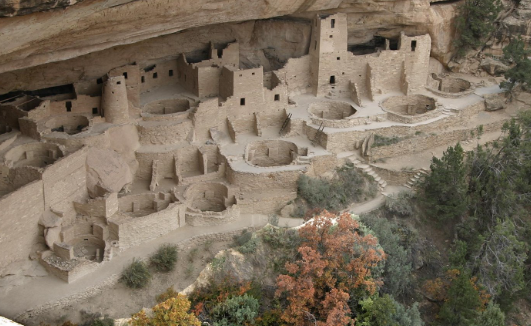
If I were heading out today, I know exactly where I’d go: southwest toward Colorado and Utah, where steam trains still echo through mountain canyons, ancient cliff dwellings cling to stone walls, and red‑rock cathedrals glow under endless skies.

This isn’t a trip I’ve booked. It’s one I’m savoring in my imagination — and sometimes those are the sweetest journeys of all.


Durango: Where the Journey Begins

Two nights

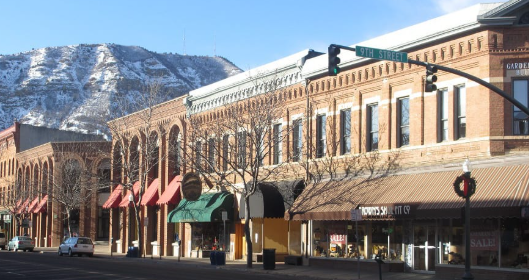
I’d start in Durango, settling into one of its historic hotels — the kind with wooden staircases polished by a century of footsteps and a lobby that feels like a warm handshake. From here, I’d wander out for dinner, camera in hand, letting the town’s old‑west charm set the tone.


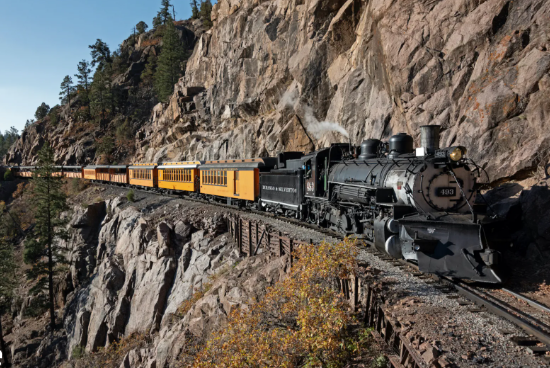
The next morning, I’d board the Durango & Silverton Narrow Gauge Railroad, a living piece of history that still breathes steam and nostalgia. As the train chugs along the Animas River, the canyon walls rise like guardians on either side. It’s a ride made for photography and quiet awe — no hiking boots required, just open eyes and a willingness to be carried through time.


Mesa Verde: Echoes of an Ancient World

One night in Cortez or Mancos

After the train, I’d drift west to Mesa Verde National Park, spending the night in Cortez or Mancos — simple, comfortable towns where the mesas glow gold at sunset.

Mesa Verde is a place that humbles you. Even without climbing ladders or squeezing through cliff dwellings, the overlooks alone tell a powerful story. Standing at Cliff Palace Overlook, I’d imagine fires flickering in the alcoves, families moving through the stone rooms, voices echoing across the canyon. The air feels ancient here, as if it remembers everything.


Moab: Gateway to Red‑Rock Wonder

Three nights

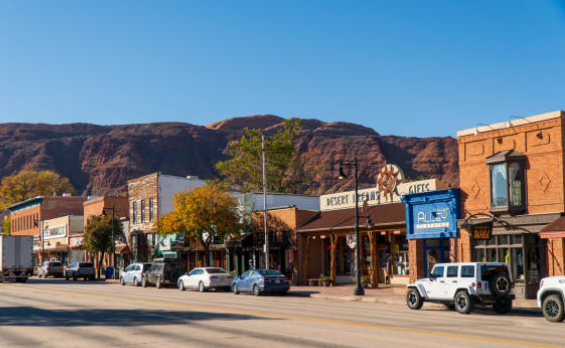
From Mesa Verde, the road would pull me into Utah and into Moab, a town that feels like the doorstep to another planet. I’d choose a place with a balcony or a big window — somewhere I could watch the cliffs catch the morning light.

Arches National Park

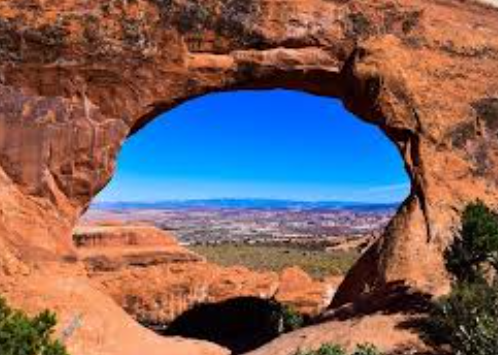
Arches is a photographer’s playground, even for those of us who prefer minimal walking. Balanced Rock, the Windows, Double Arch — each one a masterpiece carved by wind and time. You can see so much right from the overlooks.

Canyonlands: Island in the Sky

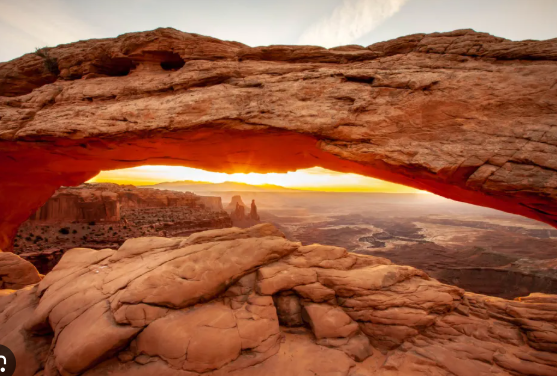
Canyonlands is all about vastness. I’d drive the rim, stopping at overlooks that make you feel like you’re standing at the edge of creation. Mesa Arch at sunrise would be the dream shot — that golden glow lighting up the canyon like a stage.


Torrey & Capitol Reef: A Quiet Pause

One night

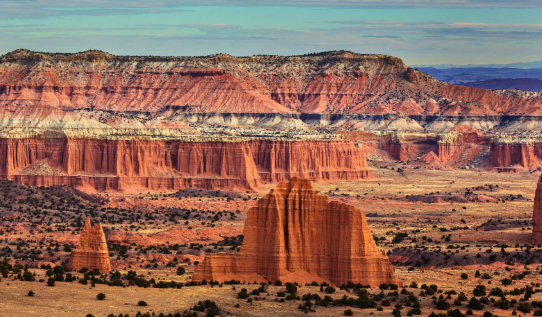
From Moab, I’d follow Scenic Byway 24 — one of Utah’s most photogenic roads — into Torrey, a tiny town tucked against red cliffs. It’s the kind of place where the sky feels bigger and the evenings quieter.

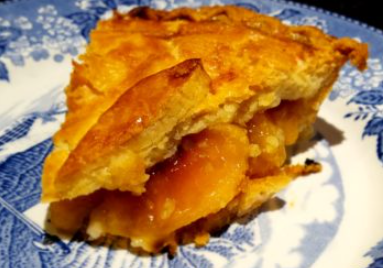
Capitol Reef is gentle and generous. The orchards of Fruita, the historic barns, the petroglyphs, the sweeping overlooks — all easy to reach, all deeply photogenic. I’d savor a slice of pie from the Gifford House and let the day unfold slowly.


Bryce Canyon: A Forest of Stone

Two nights

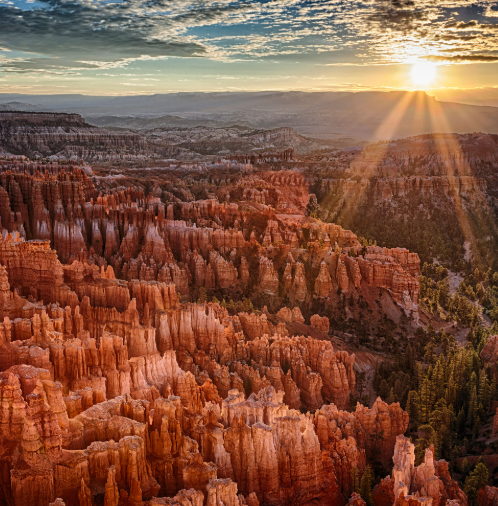
Next, I’d move on to Bryce Canyon, where the hoodoos rise like a frozen forest of flame. Sunrise Point, Sunset Point, Inspiration Point — each overlook offers a different angle on the amphitheater below, and none require more than a gentle stroll.

In the soft light of morning or evening, the stone spires glow pink, orange, and gold. It’s impossible not to take too many photos.


Springdale & Zion: A Canyon of Giants

Two nights

My final stop would be Springdale, the gateway to Zion National Park, where the canyon walls rise like cathedral pillars right behind the buildings. Even from the shuttle or the roadside pullouts, Zion overwhelms in the best way.

I’d stroll the flat Pa’rus Trail, sit by the river, and watch the cliffs shift color as the sun moves across the sky. No strenuous trails needed — the beauty comes to you.


Returning Home With a Full Heart

And then, as all journeys do — even the imaginary ones — the road would lead me home again. My camera would be full, my mind even fuller. That’s the magic of a wish‑list trip: it reminds me that adventure doesn’t always require a packed suitcase. Sometimes it just needs a spark of curiosity and the willingness to follow where the road might lead.

If I ever do take this trip, I already know it will feel familiar — because I’ve traveled it once already, right here in my imagination.


If You Go: Gentle Tips for a Southwest Dream Trip

Even though this journey lives mostly in the realm of imagination, it’s always nice to tuck a few practical notes into your back pocket — just in case the road starts calling a little louder.

Best Time to Travel

  • Spring and fall offer the most comfortable temperatures.
  • Summer can be hot, but mornings and evenings are still beautiful for photography.

Pacing for Minimal Walking

  • All the parks mentioned have drive‑up viewpoints perfect for travelers who prefer gentle movement.
  • Shuttle systems in Zion and Bryce make sightseeing easy.
  • The Durango & Silverton train and Mesa Verde’s overlooks offer rich experiences without strenuous activity.

Lodging Overview

  • Durango: Stay downtown for easy access to the train.
  • Cortez or Mancos: Quiet bases for Mesa Verde.
  • Moab: Ideal for Arches, Canyonlands, and Dead Horse Point.
  • Torrey: A peaceful overnight stop for Capitol Reef.
  • Bryce Canyon area: Close to sunrise and sunset viewpoints.
  • Springdale: Perfect for Zion, with canyon walls rising behind the hotels.

Driving Notes

  • Roads are well‑maintained and incredibly scenic.
  • Distances are long but relaxing — perfect for a slow, photography‑friendly pace.
  • Gas stations can be far apart in Utah, so topping off the tank is wise.

Photography Tips

  • Golden hour is your best friend in the Southwest.
  • Bring extra memory cards — the landscapes are irresistible.
  • Many overlooks have railings or flat paths, making them easy to access.

Accessibility

  • National parks offer accessible viewpoints, shuttles, and level paths.
  • Each park’s accessibility page provides helpful details.

Mindset to Pack

  • Curiosity
  • Flexibility
  • A sense of wonder
  • And a camera ready for magic