From Dusty Roads to Sacred Waters: Remembering Pearl Harbor


Standing in Silence: My Visit to Pearl Harbor

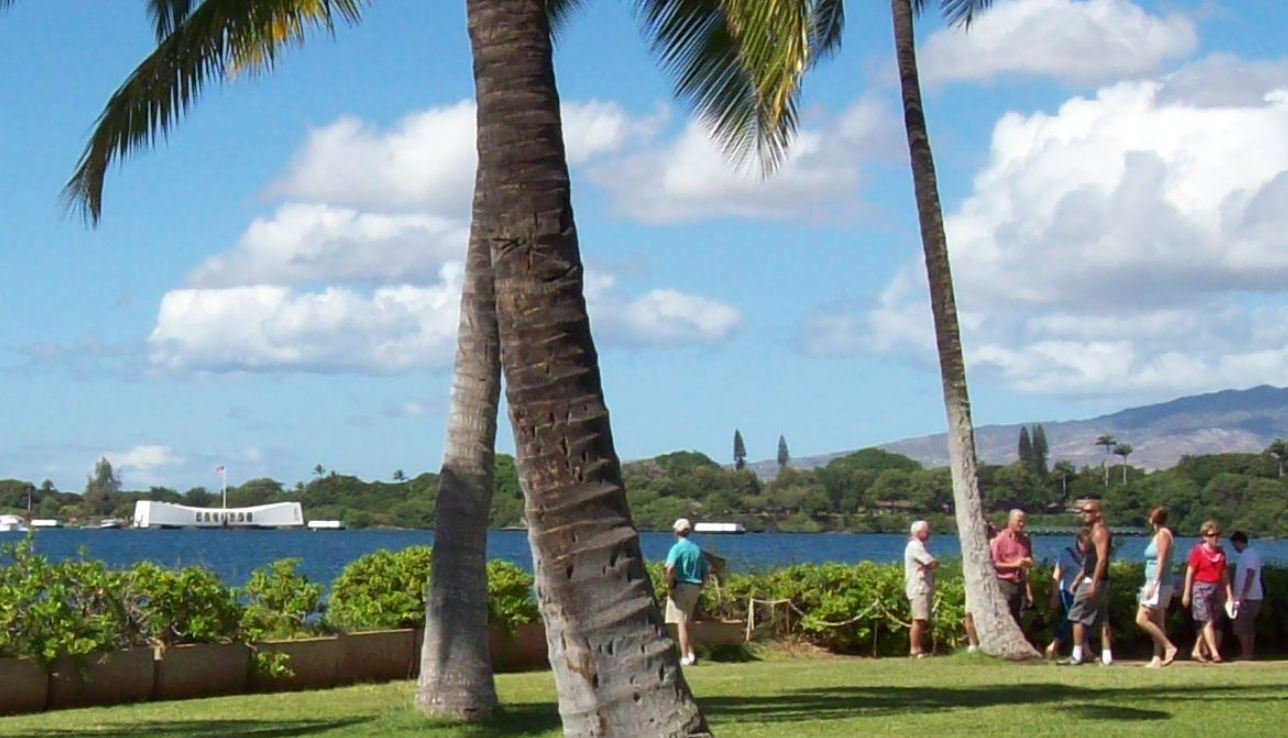
Photo Credit Deb Neumann

A Journey Beyond History

When I stepped onto the grounds of Pearl Harbor, I thought I knew the story. I had read the dates, the numbers, the accounts of December 7, 1941. But history on a page is different from standing in the place where it happened. The air felt heavy, as if it carried the echoes of that morning when the world changed forever.

The Arizona Memorial Experience

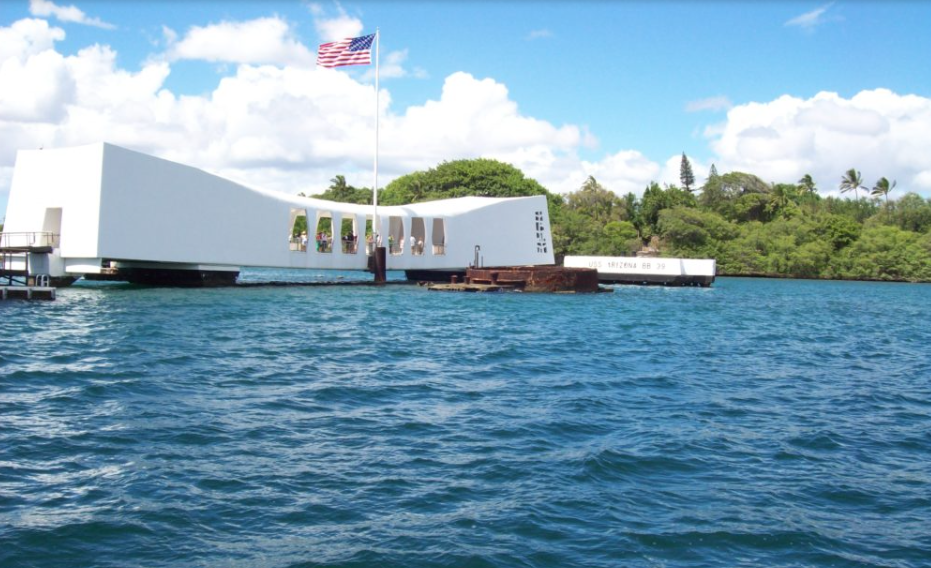
Visiting the USS Arizona Memorial was unlike anything I’ve ever felt. The structure itself is simple, white and graceful, resting above the sunken battleship. Yet the emotions it stirs are anything but simple. Looking down at the quiet waters, knowing that more than a thousand sailors still rest below, I felt a silence that spoke louder than words. It was not just sadness—it was reverence, a deep awareness that this place holds both grief and honor.

Photo credit Deb Neumann

AP photo Twin Towers, NYC

Memory Across Generations

As I stood there, I thought about how many in today’s generation don’t carry personal memories of Pearl Harbor. For them, it is history class, not lived experience. In that way, it reminded me of how 9/11 shaped my own generation—an event that defined us, just as Pearl Harbor defined those before us. Both moments remind us that tragedy can strike suddenly, but resilience rises just as quickly.

A Lasting Impression

I cannot fully explain what the memorial gave me, only that it will stay with me forever. It is a reminder that freedom is fragile, that sacrifice is real, and that remembrance is essential. Pearl Harbor is not just about the past—it is about carrying forward the lessons of unity and courage.

Passing It On

For those who have never been, I encourage you to visit if you can. Stand in that silence. Feel the weight of history. And then carry it with you, so the stories of Pearl Harbor are never forgotten.

Around Dusty Roads

Travel has a way of leaving footprints on our hearts. Some roads lead us to joy, others to reflection, and some—like the path to Pearl Harbor—remind us of the sacrifices that shaped the world we walk today. Around Dusty Roads is about more than destinations; it is about the meaning we find along the way. Pearl Harbor is one of those places where history and humanity meet, and where the journey becomes part of who we are.


Autumn’s Whisper


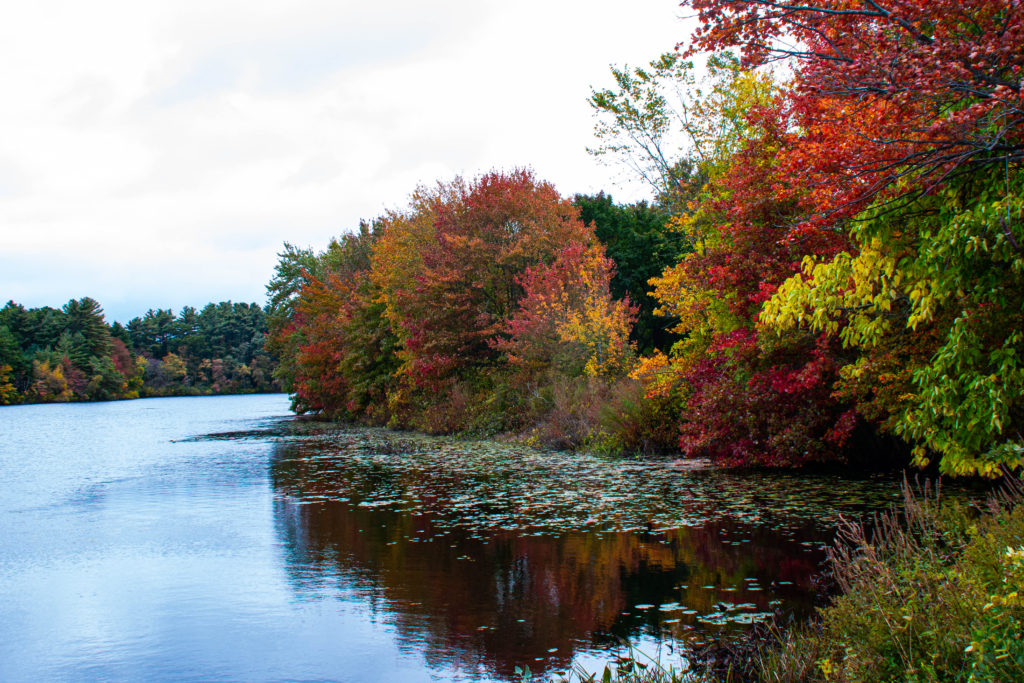
Norton Reservoir

Norton Reservoir

Autumn’s Whisper: A Chilly Prelude

The nights are growing longer, and the air carries a crisp edge that wasn’t there just a few weeks ago. Each morning greets me with brisk temperatures and a sky that seems to hint at the season’s shift. It’s the kind of cool that nudges you to reach for a sweater, maybe even a second cup of coffee. I know what’s coming. The blustery winds will soon sweep in, ushering winter’s icy grip and—yes—snow.

photo credit Deb Neumann

The Snowy Illusion

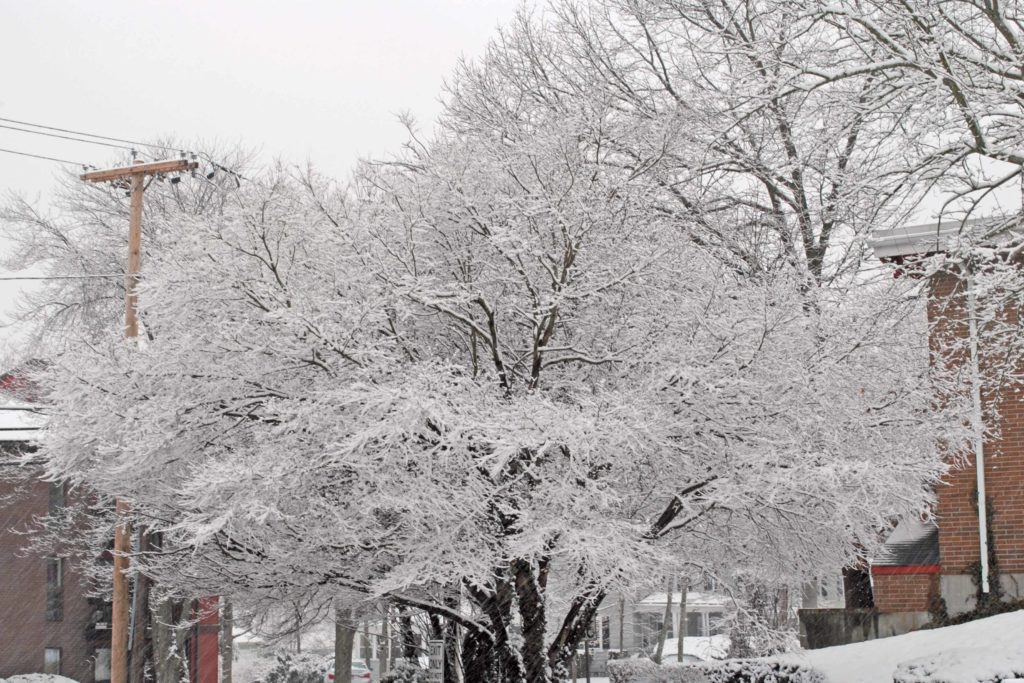
Don’t get me wrong, snow has its charm. That first snowfall is magical—soft, white, and pristine. It blankets the world in quiet beauty, turning even the most mundane street into a postcard scene. But the enchantment fades quickly. Within days, the snow turns brown and slushy, the skies grow heavy and gray, and the daylight seems to vanish before you’ve even had lunch. It’s a slow descent into the season of dreariness.

photo credit Deb Neumann

A Digital Dose of Nostalgia

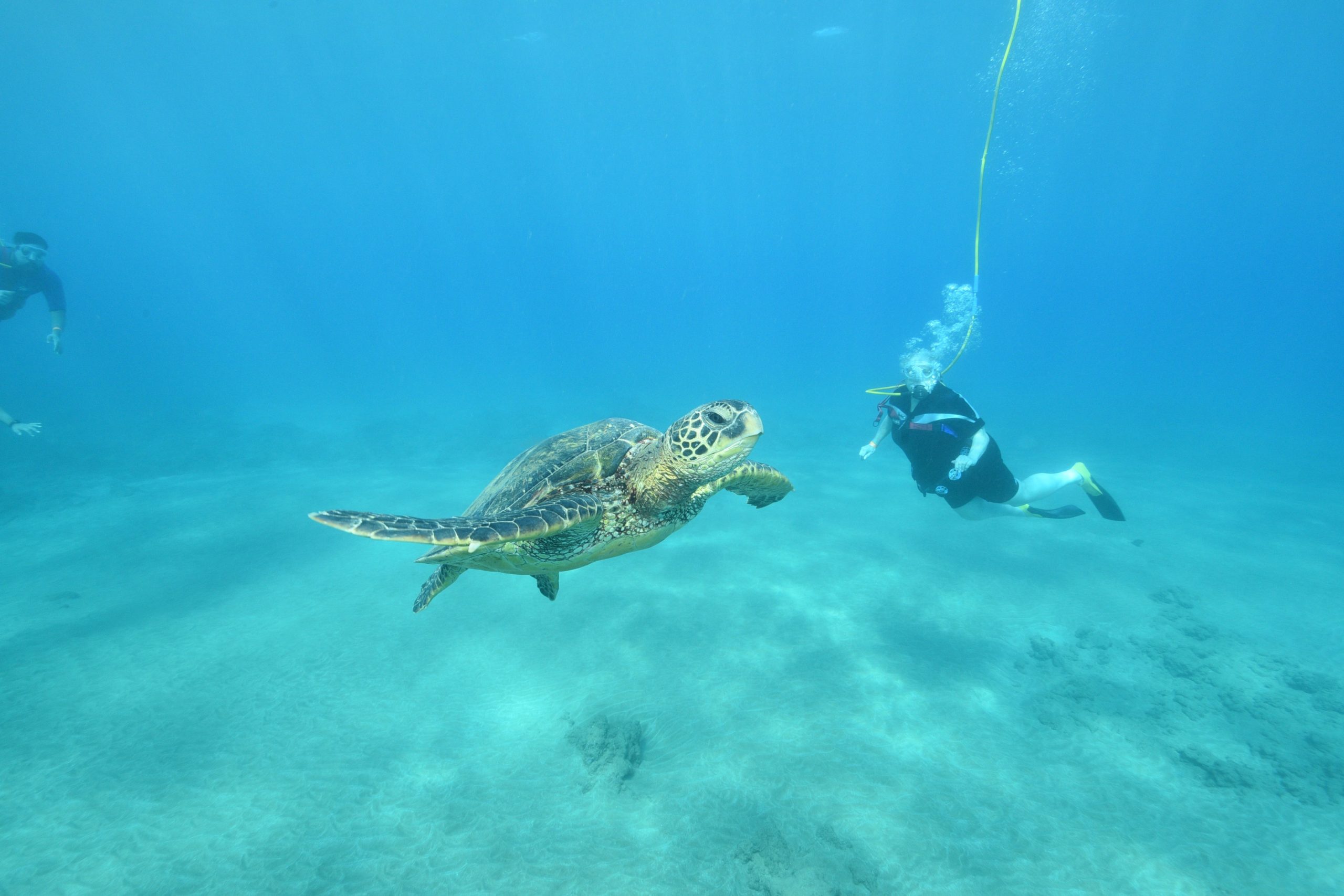
As if the cold weren’t enough, my phone has developed a new habit since its last update. It now sends me daily “memories that made this day special.” Sweet, right? Except today’s memory was a sun-drenched snapshot from Hawaii. There I was, standing on a beach with a massive sea turtle nearby, the ocean stretching out in endless shades of blue. The air looked warm, smelled like salt and flowers, and felt like freedom.

snuba at Turtletown 2020

Hawaiian Dreams and Winter Realities

I miss those Hawaiian escapes—the balmy breezes, the golden sunsets, the way even the air seemed to hum with life. Sure, the flight is long and exhausting, but once you arrive, it’s like stepping into another world. Today’s photo hit me hard. It was a reminder of warmth, of adventure, of days when the only chill came from a tropical drink.

Brace Yourselves

So here we are. The leaves are falling, the wind is picking up, and the forecast is inching toward frost. Buckle down, folks. Winter is coming fast—and my phone won’t let me forget what I’m missing.

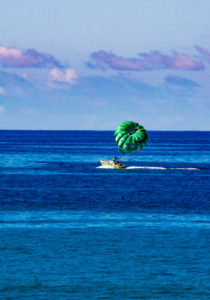
Parasailing off Kona

photo credit Deb Neumann

Tentacled and Terrific


A Day Late, But Still Tentacled and Terrific

While hunting for today’s blog inspiration, I stumbled upon World Octopus Day. Technically, it was yesterday—but I’ve never let a calendar dictate my curiosity. And let’s be honest, octopuses (yes, that’s the correct plural!) are far too fascinating to be confined to a single day.

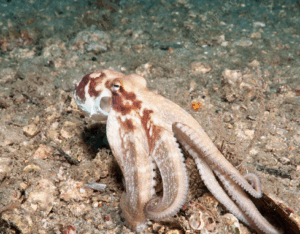
Stock photo

My Wild Encounter

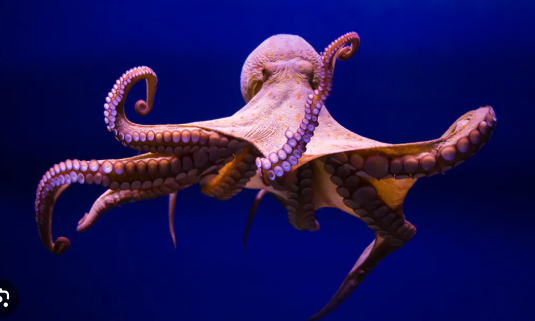
Stock photo

I’ve seen plenty of octopuses in aquariums—usually curled into a corner, looking more like a forgotten sock than a sea creature. But everything changed the day I met one in the wild. I was snorkeling off Maui, surrounded by fellow swimmers gushing over a sea turtle I somehow missed. My attention, however, was captured by a tiny, energetic octopus darting through the reef. Unlike its aquarium cousins, this one was a flurry of motion and mystery. I’ll take that little cephalopod over a turtle any day.

Brains Beyond the Head

Octopus intelligence isn’t just impressive—it’s radically different from our own. Instead of relying on a single brain, these creatures distribute their neurons across their bodies. In fact, two-thirds of their roughly 500 million neurons are located in their arms, allowing each limb to operate semi-independently.

Recent studies show that each arm contains a segmented nerve cord, with clusters of neurons that can control movement, react to stimuli, and even “taste” the environment through specialized suckers. This decentralized system lets octopuses respond quickly and precisely to their surroundings—whether they’re exploring a crevice or escaping a predator. It’s a neural architecture so unique that scientists are studying it to inspire advances in soft robotics and artificial intelligence.

A Glimmer of Self-Awareness

And if that wasn’t enough, octopuses may also possess a sense of self. In a groundbreaking experiment, researchers used a version of the “rubber hand illusion”—a test that tricks the brain into adopting a fake limb as its own. When scientists stroked a hidden real arm and a visible fake arm simultaneously, octopuses reacted defensively when the fake was pinched, as if their own body had been harmed.

This response suggests that octopuses can integrate visual and tactile information to form a mental image of their bodies—a trait once thought exclusive to mammals. It’s a hint that these alien-like animals might experience a form of body ownership, nudging them closer to our understanding of consciousness.

Final Thoughts from the Reef

Octopuses are more than eight-armed enigmas—they’re storytellers of the sea, weaving intelligence, adaptability, and mystery into every ripple. My brief encounter off Maui reminded me that wonder often hides in the smallest corners of nature. Whether tucked into a reef or curled in an aquarium tank, these creatures invite us to rethink what it means to be aware, alive, and astonishingly complex.

Georgia Aquarium photo


Affiliate Spotlight: Bring the Ocean Home

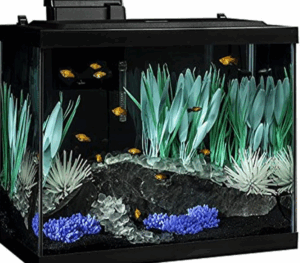
If your curiosity about octopuses has you dreaming of underwater worlds, why not start with a home aquarium? Whether you’re a beginner or a seasoned aquarist, a well-designed tank can become a tranquil centerpiece—and a gateway to appreciating marine life up close.

🪸 Explore top-rated home aquariums on Amazon
(affiliate link)

Disclosure: As an Amazon Associate, I earn from qualifying purchases. This helps support my blog and the stories I share—thank you for diving in with me!


Hats Off to the Park Keepers-Nature’s Unsung Heroes


🌲 Celebrating National Park Service Founders Day 🌄

Today marks National Park Service Founders Day—a tribute to the stewards of our wildest wonders. This day honors the Park Service and its tireless efforts in conservation and preservation. Whether you’re hiking alpine trails, boating through mangrove forests, or simply soaking in the silence of a desert sunrise, remember: it’s the dedication of Park Service employees that makes these experiences possible. They are the quiet heroes behind every trail marker, ranger talk, and protected vista.

There are 63 designated National Parks, but the full scope of the National Park System is even more breathtaking. With 433 unique units—including monuments, historic sites, lakeshores, and seashores—it spans over 85 million acres across all 50 states and U.S. territories. Listing them all would take a lifetime… and maybe that’s the point.

🌿Where I’ve Wandered: Parks That Left Their Mark

I’ve only scratched the surface, but here’s my growing list of parks visited:


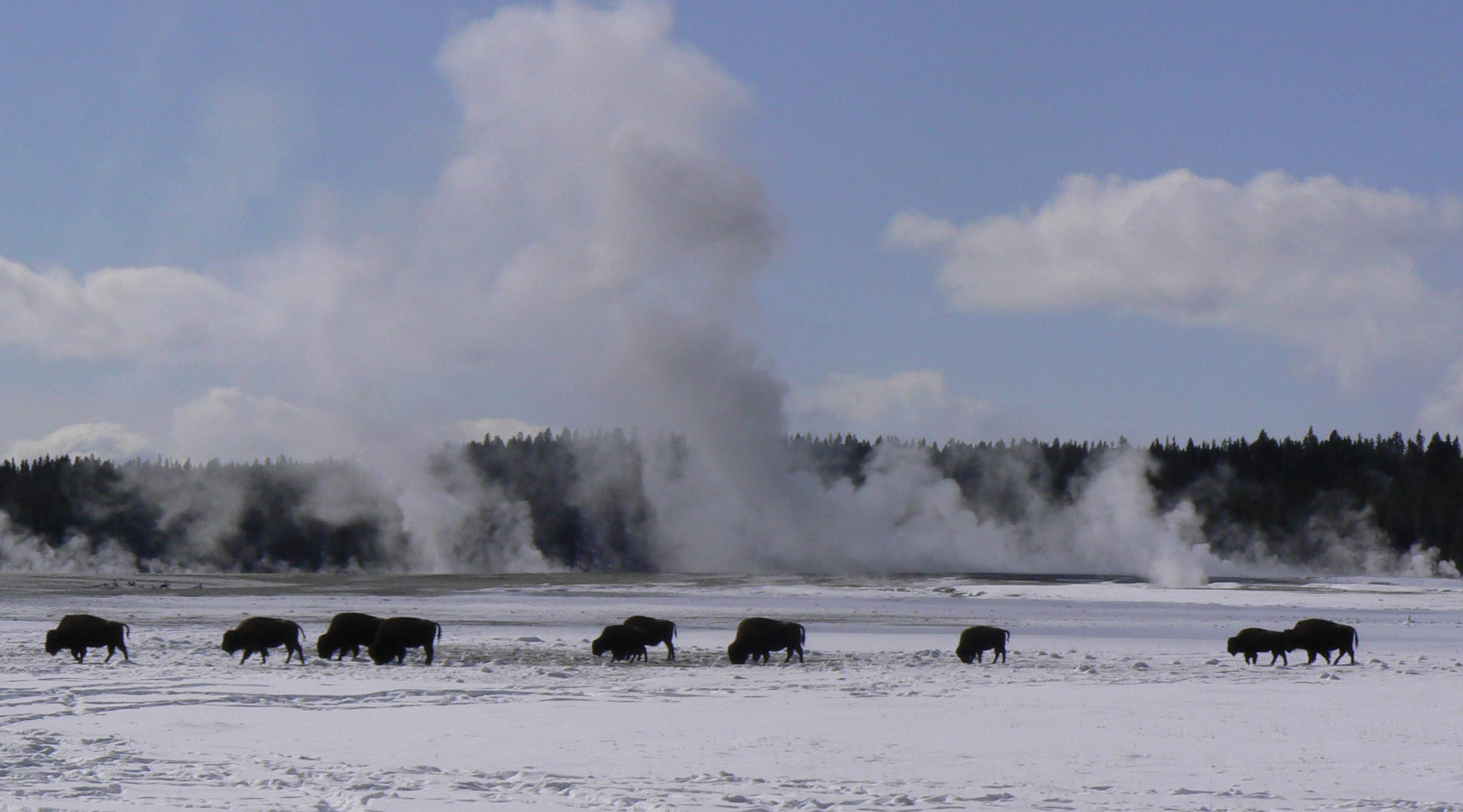
Each one left its mark—whether through wind-sculpted stone, volcanic steam, or the hush of ancient forests.

🌄Future Footprints: My Park Bucket List

If I get the chance to travel again, Utah is calling. With its “Mighty Five”—Arches, Bryce Canyon, Canyonlands, Capitol Reef, and Zion—it’s a dream itinerary of red rock cathedrals and star-studded skies. I’d love to do a trip that takes them all in, one canyon curve at a time.

So tell me—how many National Parks have you explored? And which ones are still on your list?

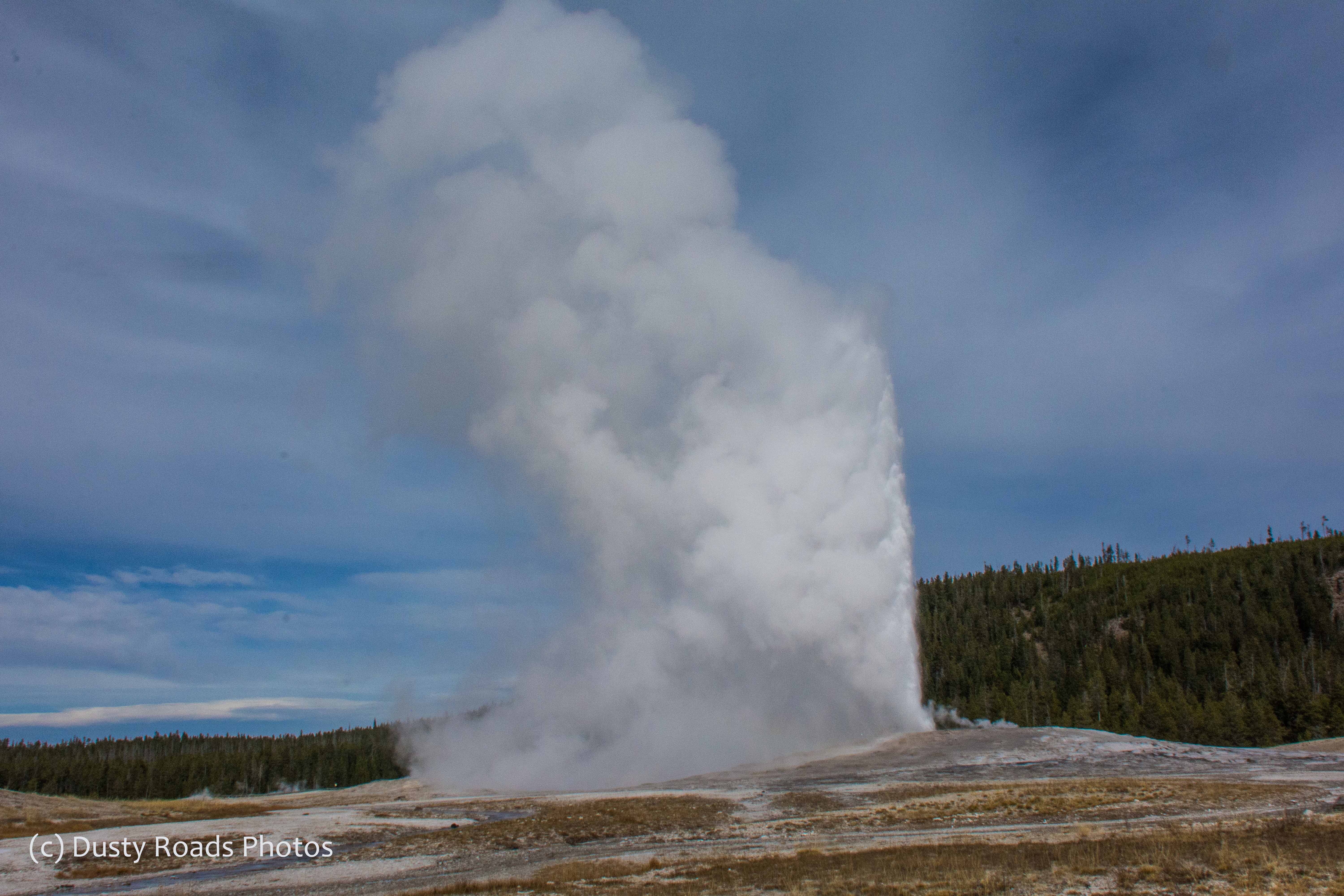
Remember the next time you step into a National Park, pause for a moment. Feel the crunch of pine needles beneath your boots, the hush of canyon winds brushing your cheek, the scent of sun-warmed stone or salt-laced air. These places aren’t just scenic—they’re sacred. They hold stories written in rock, whispered by rivers, and guarded by those who believe in preserving beauty for generations to come.
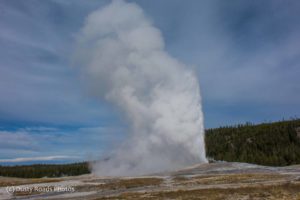
Whether you’ve wandered through geyser steam or stood beneath ancient redwoods, each visit is a thread in a tapestry of shared wonder. Let’s keep weaving it—one trail, one vista, one grateful breath at a time.

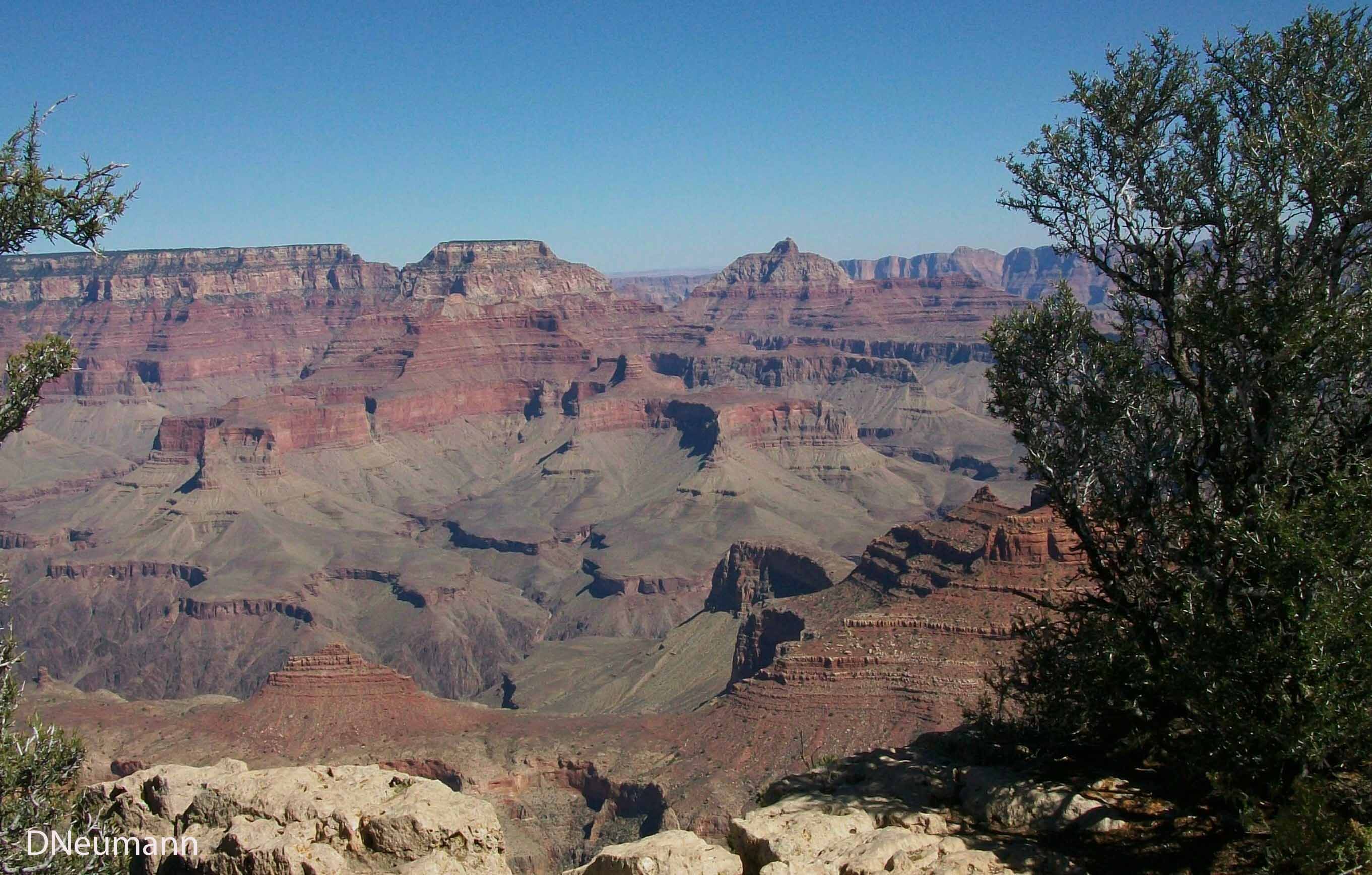
Painted Desert/ Petrified forest- photo credit Deb Neumann

Kīlauea: Hawaii’s Fiery Heartbeat

Hawaii

Considering my affection for Hawaii and my fascination with Kilauea, I think this post is long overdue. I just wish I could be spending some time there to watch Pele dance.

Kilauea 2025 Eruption Episodes - Fire And Wonder | Hawaii ...

Kilauea photo from Internet

🌋 Kilauea: Hawaii’s Fiery Heartbeat

Nestled within the lush expanse of Hawaiʻi Volcanoes National Park, Kīlauea is more than just a geological marvel—it’s a living, breathing force that shapes the land, inspires awe, and commands deep respect. As one of the world’s most active volcanoes, Kilauea has been erupting intermittently since December 2024, continuing a legacy of fire that stretches back centuries.


Hawaii volcano produces tall lava fountaining in latest episode of Kilauea  eruption | AP News

Photo AP news

🔥 A Volcano of Many Faces

  • Type: Shield volcano, known for its broad, gentle slopes and fluid lava flows.
  • Age: Formed underwater roughly 280,000 years ago.
  • Name Meaning: “Kilauea” translates to “spewing” or “much spreading” in Hawaiian—a fitting name for a volcano that has covered nearly 90% of its surface in lava over the past 1,000 years.
  • Summit Caldera: Kaluapele, home to Halemaʻumaʻu crater, is traditionally considered the dwelling place of Pelehonuamea, the Hawaiian goddess of volcanoes.

🌋 Eruption History & Recent Activity

Kīlauea’s eruptive history is both dramatic and transformative:

  • 1983–2018: A nearly continuous eruption along the East Rift Zone, centered at Puʻuʻōʻō and Kupaianaha vents.
  • 2018: A powerful eruption caused the collapse of Halemaʻumaʻu crater, expanding it dramatically and altering the summit landscape.
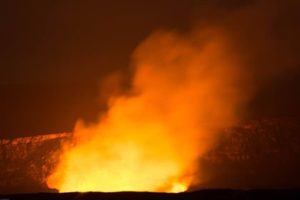
  • 2024–2025: A series of episodic eruptions have occurred within the summit caldera, including the recent Episode 29, which ended abruptly after 13 hours of lava fountaining that reached heights of up to 330 feet.
    Kilauea

    2017 Volcanic Vog

    Volcano Glow 2018 Photo credit Deb Neumann

    🌱 Creation and Destruction

    Kīlauea’s eruptions are typically nonexplosive, producing slow-moving lava that reshapes the land without the catastrophic blasts seen in other volcanoes. Yet its power is undeniable:

    • Halemaʻumaʻu Crater: Once home to a lava lake, it briefly held a water lake in 2019 before lava returned in 2020.
    • Cultural Significance: Native Hawaiians view Kilauea as sacred, a place where the goddess Pele manifests her creative force.

    🧪 Science Meets Spirit

    The U.S. Geological Survey and Hawaiian Volcano Observatory monitor Kilauea closely, using ground deformation, seismic activity, and gas emissions to predict eruptions. But beyond the data lies a deeper truth: Kilauea is a reminder of Earth’s raw power and the delicate balance between destruction and renewal.

    📸 A Glimpse into the Inferno

    Here are some stunning images of Kilauea in action:

    Kilauea Volcano Eruption Halemaʻumaʻu Crater Glow Lava Fountains

    🌍 Visiting Kilauea

    If you’re planning a trip to Hawaiʻi, Kilauea offers a rare chance to witness Earth’s inner workings. Trails, viewpoints, and educational exhibits within the national park provide safe and enriching ways to experience this volcanic wonder.


    Hawai'i - If you were approaching Hawaiʻi Volcanoes ...