What’s Feng Shui got to do with it?


Deck the Halls… with Good Energy! 🎄✨

The stockings are hung, the tree is twinkling, and the scent of pine (or maybe gingerbread) fills the air. Holiday decorating isn’t just about sparkle—it’s also about how your space feels. And that’s where Feng Shui comes in. This ancient practice is all about arranging your surroundings so energy flows smoothly, bringing harmony, joy, and maybe even a little extra luck under the mistletoe.

🎁 Feng Shui Basics, Wrapped in Holiday Cheer

  • Qi (Chi): Think of Qi as the invisible holiday spirit that flows through your home. When it’s blocked, things feel stressful. When it’s free, everything feels merry and bright.
  • Yin & Yang: Balance is key—like pairing cozy candlelight (Yin) with lively holiday music (Yang). Too much of one, and the vibe feels off.
  • Five Elements: Your decorations already bring these in!
    • Wood: The Christmas tree or wreath.
    • Fire: Twinkling lights and candles.
    • Earth: Ceramic ornaments or a rustic nativity scene.
    • Metal: Shiny baubles, silver bells, or tinsel.
    • Water: A reflective ornament or even a bowl of holiday punch.
  • Bagua Map: Imagine your home as a gift box divided into nine sections—each tied to areas like love, wealth, and career. Where you place decorations can subtly boost those areas.

🎄 Holiday Decorating with Flow
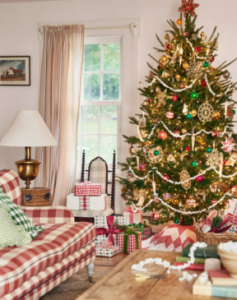
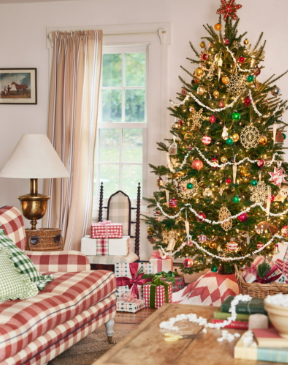
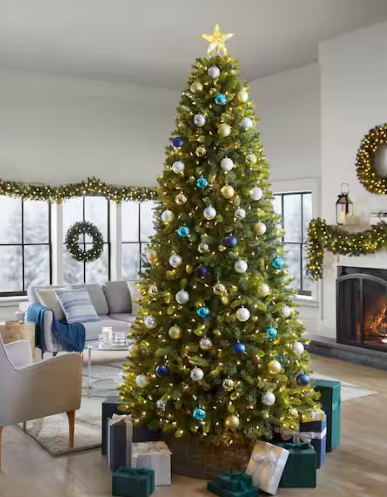
  • Tree Placement: Put your tree where it feels welcoming, not crammed in a corner. Bonus points if it’s near the “family” or “wealth” area of your Bagua map.
  • Clear Pathways: Don’t let piles of wrapping paper block the flow of Qi—or your guests!
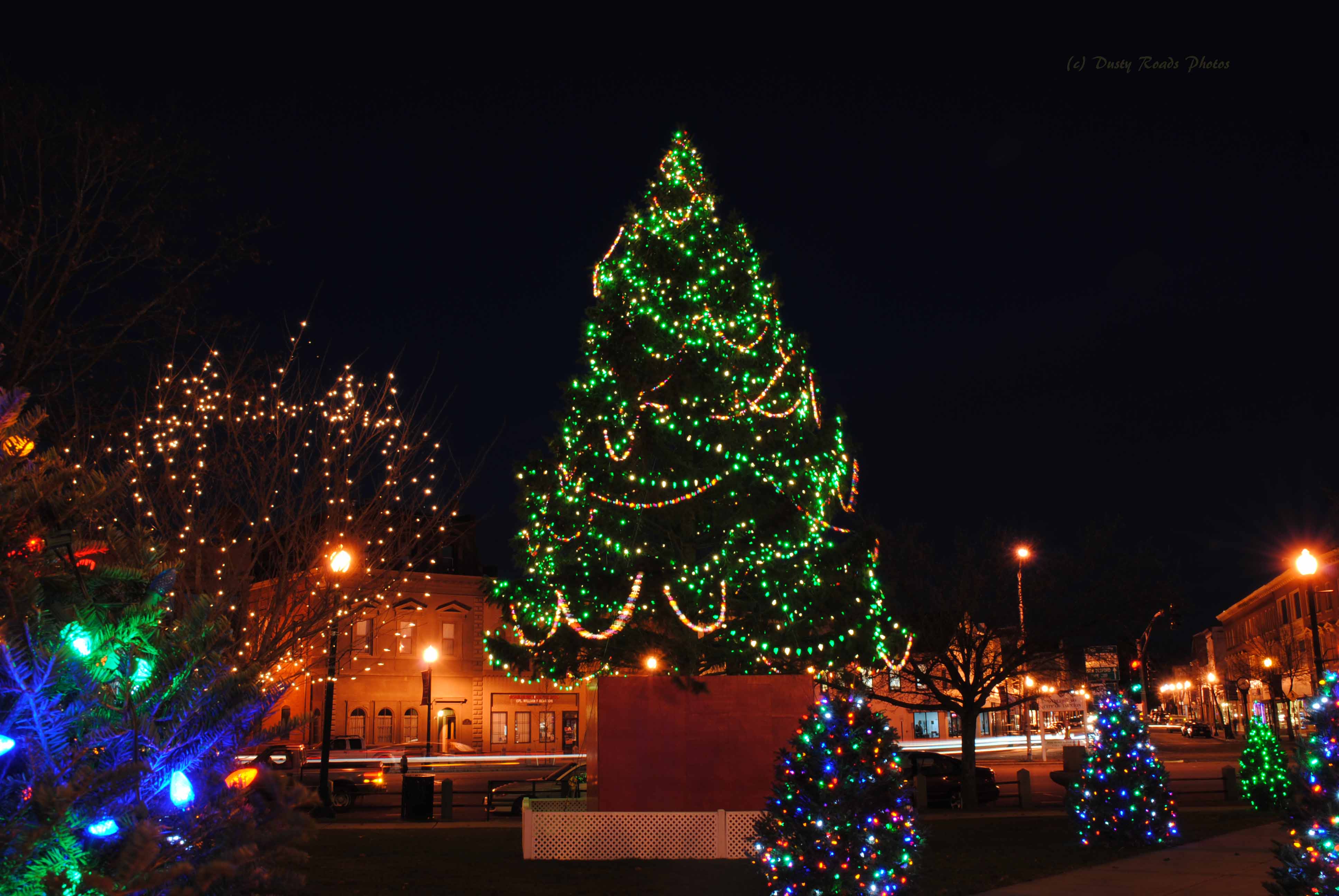
  • Light It Up: Fairy lights aren’t just pretty; they energize a space. Place them where you want to spark joy or creativity.
  • Clutter-Free Cheer: After the gift-opening frenzy, tidy up quickly. A clutter-free space keeps energy moving and spirits high.

✨ Why It Matters

Holiday décor isn’t just eye candy—it sets the tone for how you and your loved ones feel. By layering Feng Shui principles into your decorating, you’re not only making your home look festive, you’re inviting harmony, warmth, and good vibes to carry you into the new year.
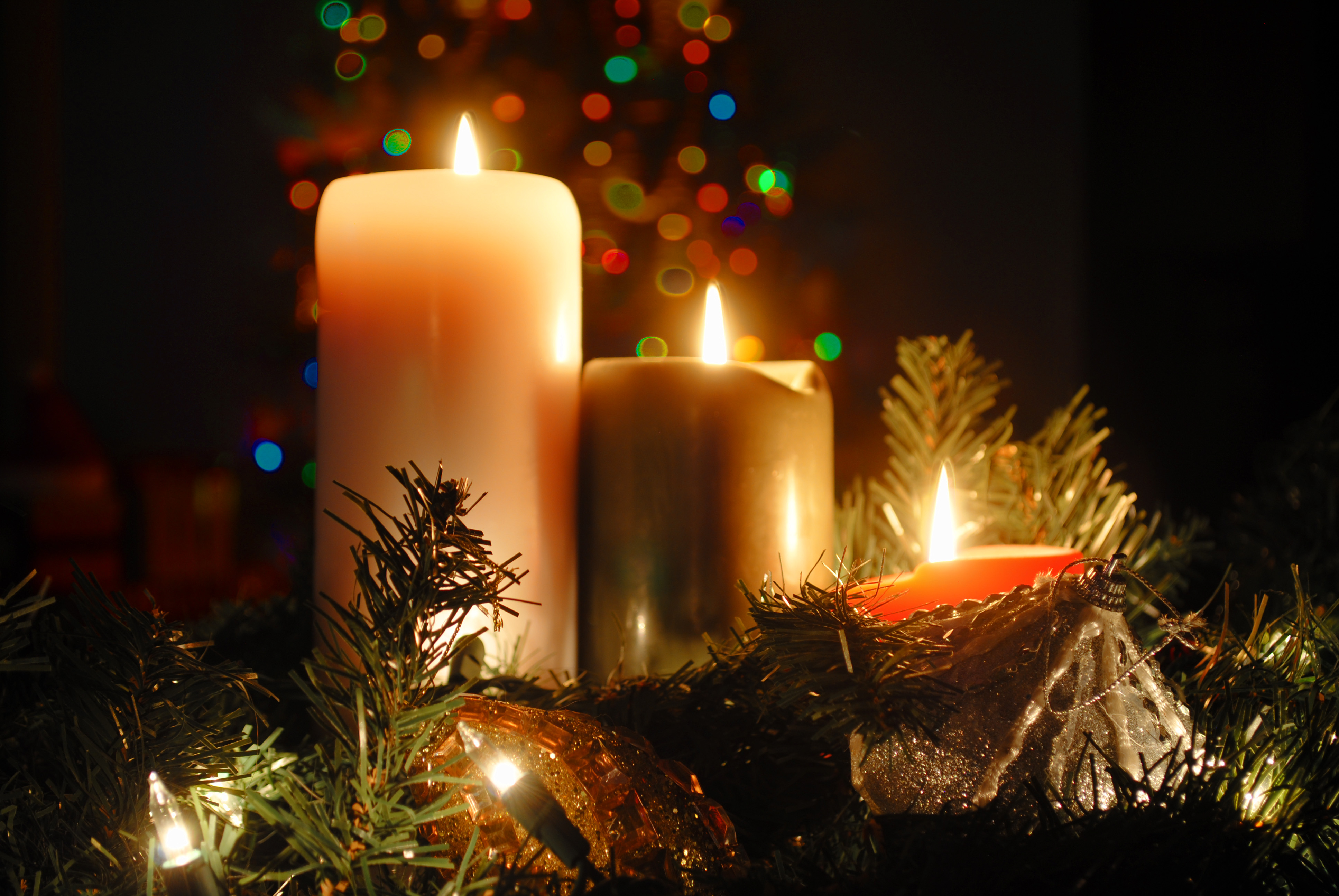
 

So this season, as you hang ornaments and string lights, think of it as more than decorating—it’s a little energy makeover for your home. And who doesn’t want their holidays to glow from the inside out?
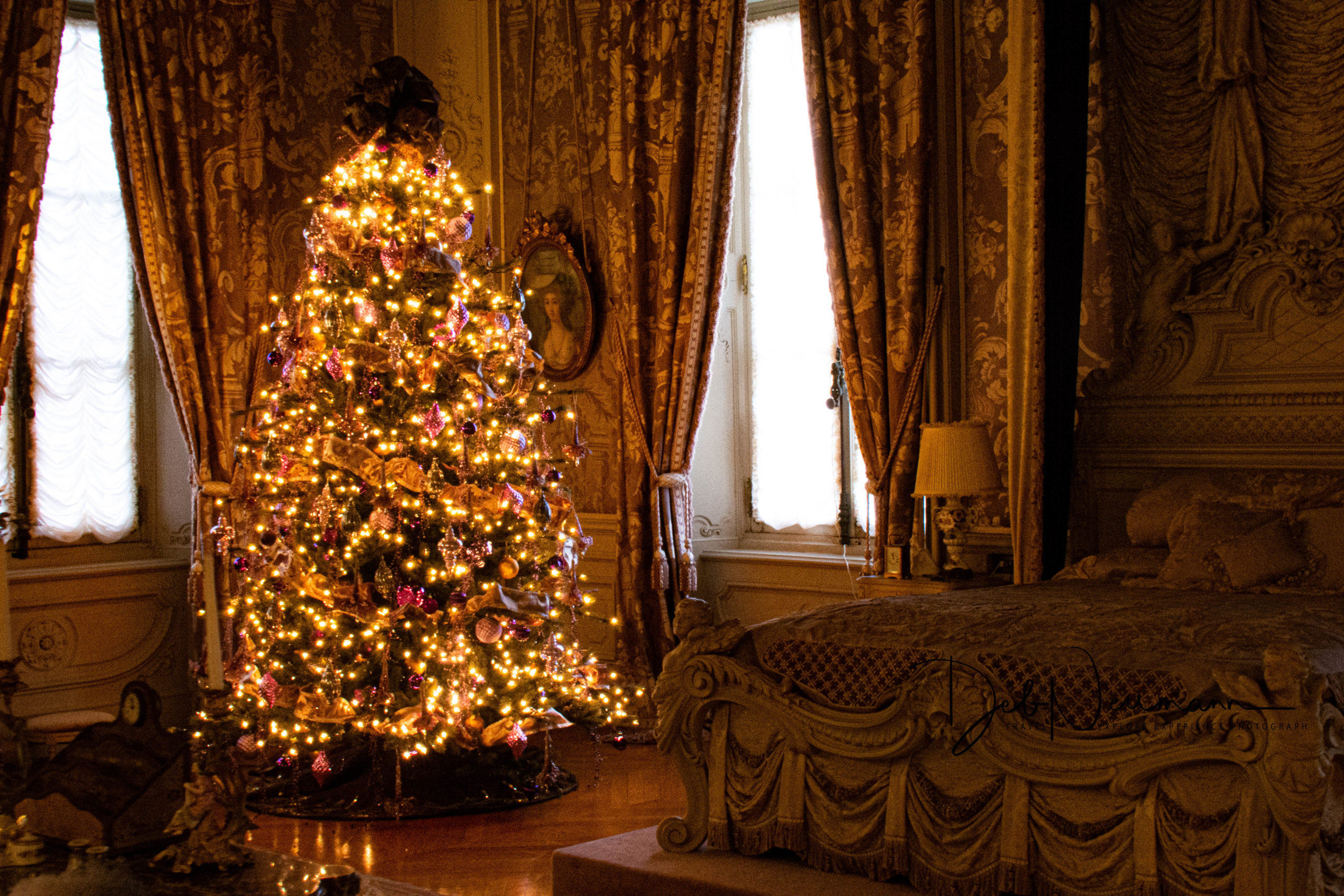
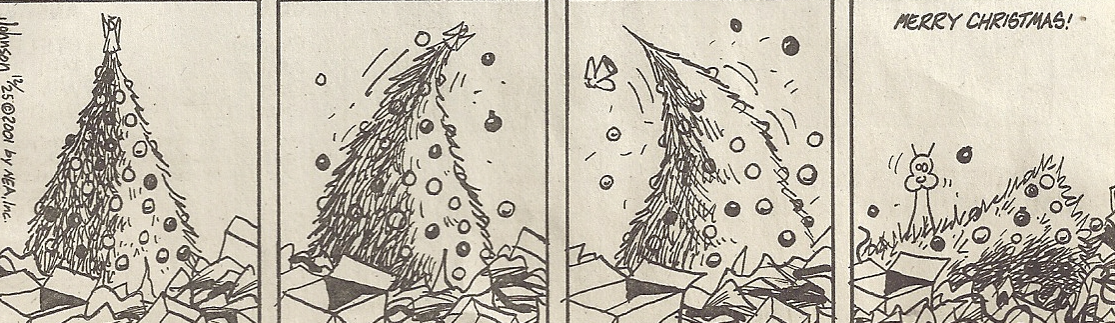
 

Oh Christmas Tree

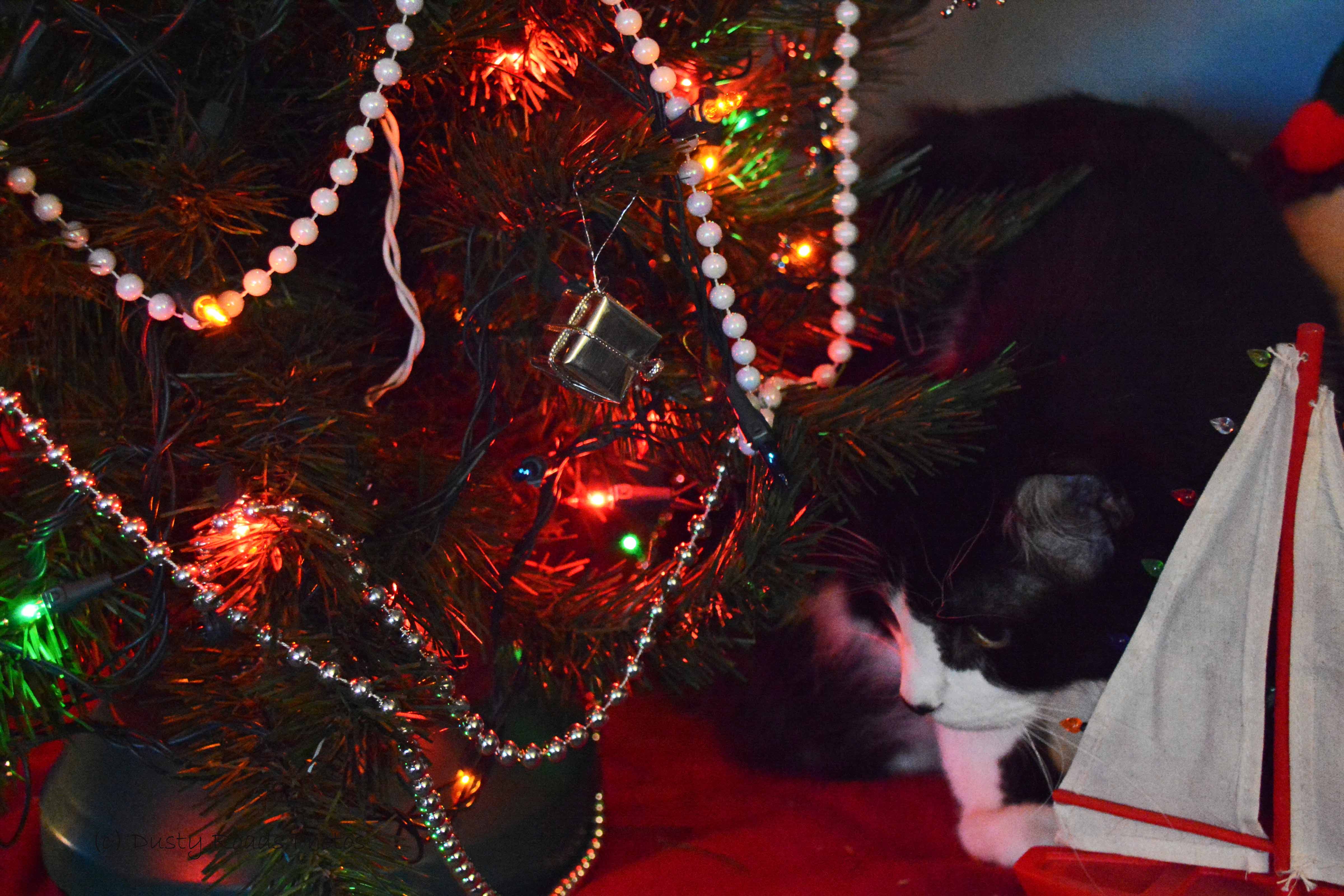
🎶 Rockin’ Around the Christmas Tree (With Cats in Tow)

The Beat Drops, the Baubles Bounce

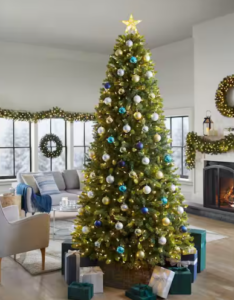
Every December, the living room transforms into a stage. The fir tree stands tall, lights twinkling like disco balls, ornaments shimmering like backup dancers. Cue the music: “Rockin’ around the Christmas tree…” And just when you think the show is set—enter the cats.

Feline Funk Meets Festive Fir

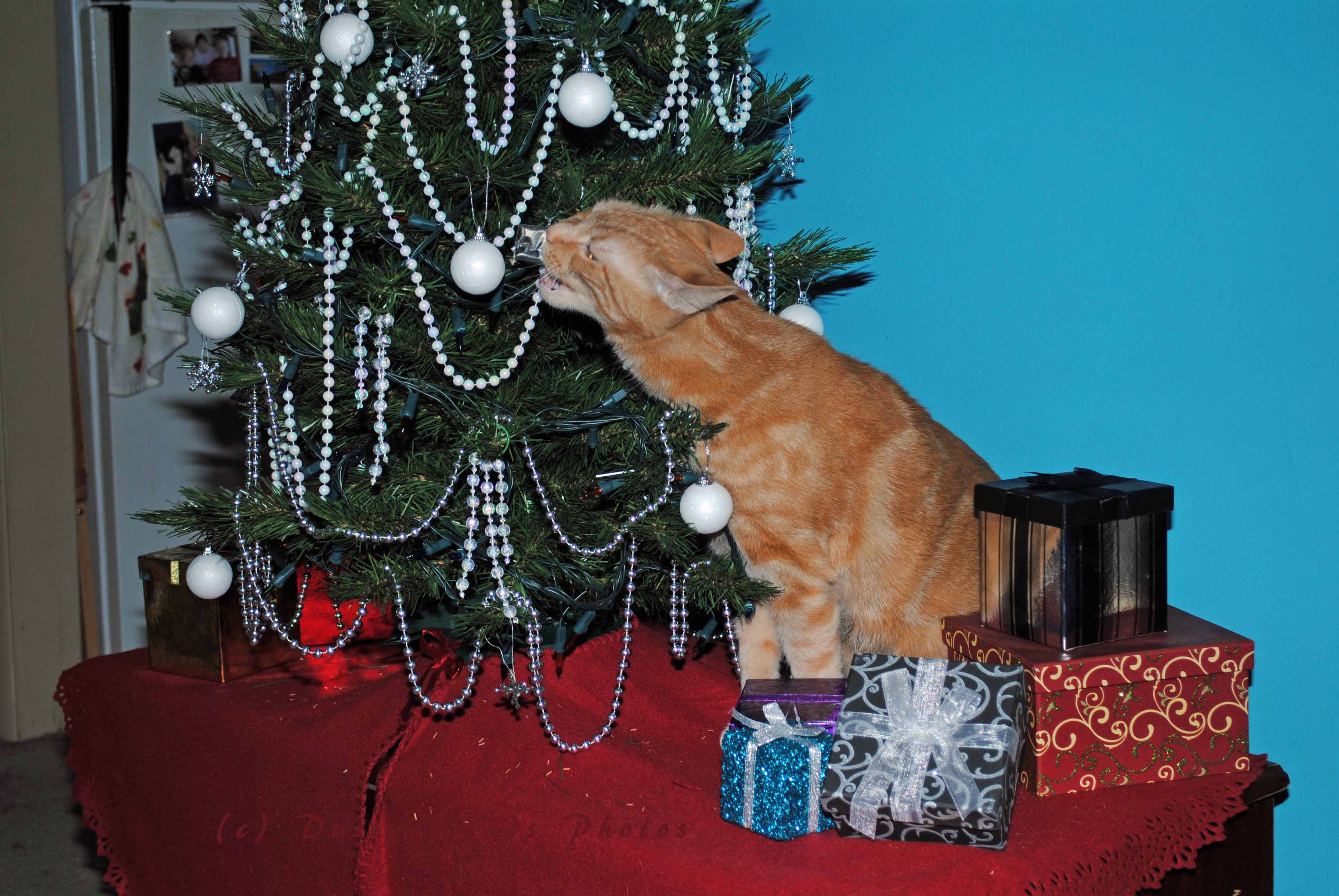
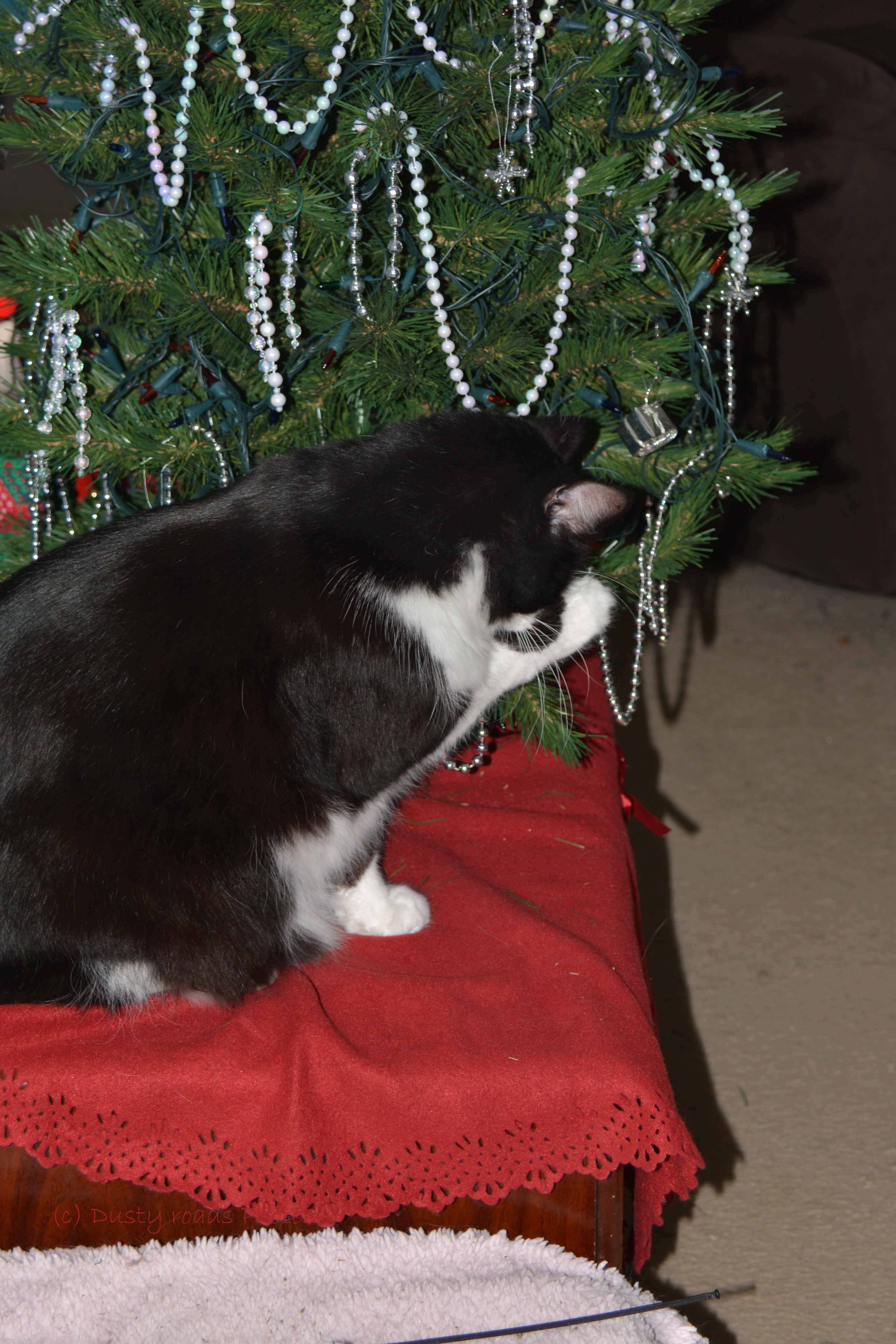
Cats don’t just watch the decorating spectacle; they headline it. One leaps into the branches like a rock star diving into the crowd. Another bats at ornaments with the rhythm of a drum solo. The tree skirt? Forget it—it’s now a cat cape, perfect for dramatic entrances.


Lights, Laughter, and a Little Mayhem

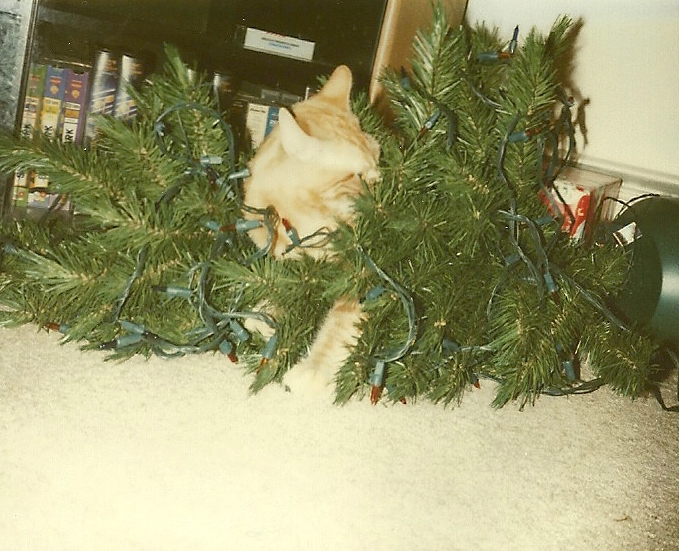
Stringing lights becomes a duet: you on one end, your cat on the other, determined to chew the cord like it’s a guitar string. The topper—star, angel, or glittery bow—becomes the ultimate prize in a feline climbing competition. Sure, the tree may lean a little left by the end, but isn’t that part of the charm?


The Encore: Cozy Chaos

When the decorating dust settles, the cats curl beneath the glowing branches, purring like bass notes under the melody. The tree may look slightly “remixed,” but it’s alive with personality. After all, what’s Christmas without a little chaos wrapped in tinsel?


Why We Keep Rockin’

We decorate not for perfection, but for the joy of the jam session. The tree becomes a dance floor, the cats become the band, and the holiday spirit becomes impossible to ignore. So crank up the carols, embrace the glitter storm, and let the cats steal the spotlight.

Because when you’re rockin’ around the Christmas tree—with paws, claws, and laughter—it’s not just decorating. It’s a holiday concert you’ll never forget.

🎤 Share Your Cat Chaos!

Now it’s your turn: have your cats ever staged a Christmas tree takeover? Did they topple the star, shred the skirt, or turn ornaments into hockey pucks? Share your funniest cat-versus-tree stories—we’d love to feature the best tales in another post.


Holiday Feasts of Yesteryear


🎄 When Peacock Was the Turkey

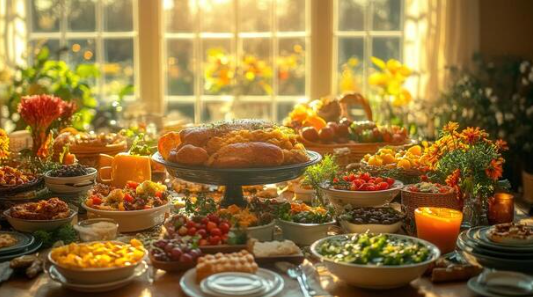
Ah, the holidays. Today we gather around golden turkeys, honey-glazed hams, and pumpkin pies. But if you think your great-aunt’s fruitcake is the strangest thing to hit the holiday table, history begs to differ. Let’s take a stroll down the dusty roads of festive feasts past—where the menu was equal parts impressive, bizarre, and slightly terrifying.

🦚 Turkey’s Flashy Cousin: The Roasted Peacock

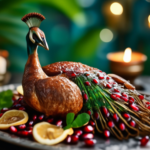
Forget the humble turkey. Medieval nobles wanted something with flair—literally. Enter the roasted peacock, served with its dazzling feathers reattached after cooking. Imagine carving into your holiday bird while it stares back at you in full technicolor glory. Talk about dinner with a side of intimidation.

🐑 Scandinavian Smalahove: Sheep’s Head Supper

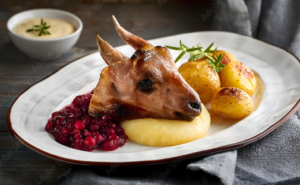
Meanwhile, in Norway, Christmas meant Smalahove—a sheep’s head, boiled or smoked, served with potatoes. Yes, the whole head. Cheeks were considered the delicacy, while the eyes were… well, let’s just say they were reserved for the bravest at the table. Forget “who gets the drumstick”—this was more like “who dares take the eyeball.”

🍲 Plum Broth: Sweet Meets Savory

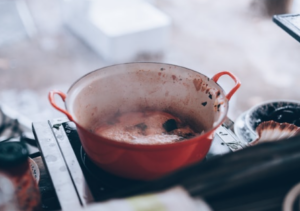
If you thought mixing cranberry sauce with gravy was bold, meet plum broth, a 17th–18th century concoction. The recipe called for a leg of beef and a slice of mutton boiled together with prunes and spices. The result? A dish that was part soup, part dessert, and entirely confusing. Imagine sipping beefy prune juice by the fire while carolers sing outside.

🎁 What We Can Learn

Holiday feasts of the past remind us that tradition is always evolving. What seems normal today—turkey, stuffing, mashed potatoes—might look downright tame compared to roasted peacock or sheep’s head. And who knows? Maybe in 200 years, people will laugh at our obsession with pumpkin spice.

So this season, when you’re staring down a plate of fruitcake, remember: it could be worse. It could be prune-flavored beef broth.


The Three Wise Men: Gifts, Pageants, and a Dash of Mystery

A Familiar Christmas Scene

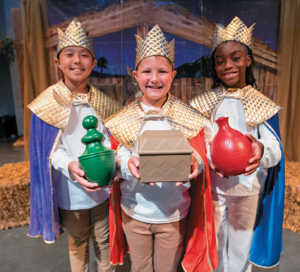
Every December, children don cardboard crowns, drape themselves in shiny robes, and march across church stages or school auditoriums as the Three Wise Men. Sometimes they’re solemn, sometimes they’re giggling, but they always carry their “gifts” with great importance. Gold is easy—wrap a box in shiny paper and you’re set. But frankincense and myrrh? Those usually get improvised with spice jars or perfume bottles.


Who Were These Travelers?

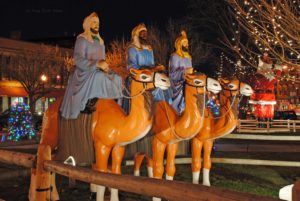
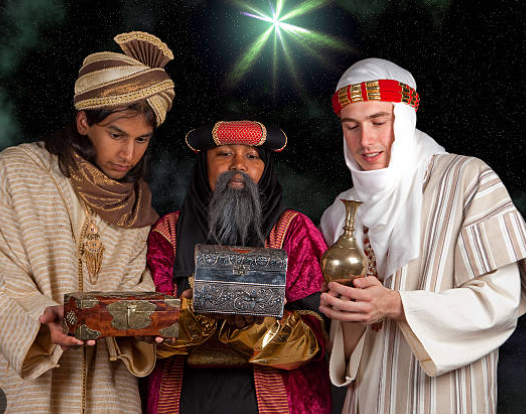
The story tells of three magi who followed a star to Bethlehem, bringing treasures for the newborn child. They’ve been painted as kings, scholars, or astrologers depending on the tradition, but what makes them memorable is their journey. Imagine trekking across deserts with camels, guided only by a star, and arriving with gifts that still spark curiosity today.

Gold: The Obvious One

We all know gold. It’s the universal symbol of wealth and value, and even in a children’s pageant, it’s the easiest to explain. A shiny coin or a golden box says it all.

Frankincense: The Fragrant Gift

Frankincense is a resin from the Boswellia tree, prized in ancient times for its sweet, woody aroma. It was burned in temples and homes, filling the air with a sense of ceremony. Today, you might find it in essential oils or incense sticks. In a pageant, frankincense might be represented by a little jar of potpourri, but in reality, it was a luxury item—something that said, “This gift is fit for royalty.”

Myrrh: The Mysterious One

Myrrh, another resin, came from the Commiphora tree. It had a bittersweet scent and was used in perfumes, medicine, and even embalming. That makes it a curious gift for a baby, but it carried deep meaning in the ancient world. In modern terms, think of it as a rare essential oil with a touch of mystery.

Why We Still Love the Story

The Three Wise Men remind us that Christmas isn’t just about tinsel and toys—it’s about journeys, wonder, and gifts that carry meaning. Whether you’re watching children parade across a stage or lighting a candle scented with frankincense, their story adds a touch of magic to the season.


Turkey Talk

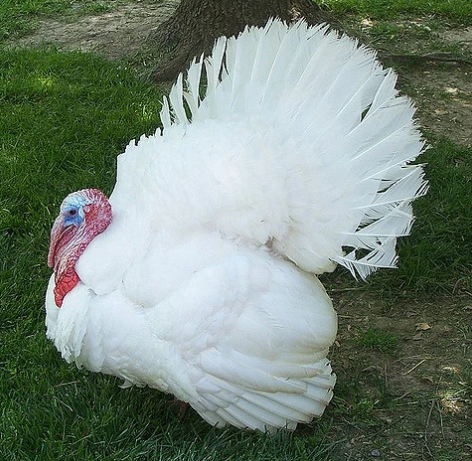
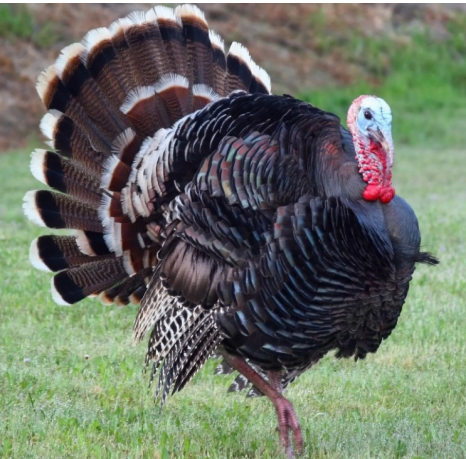
🦃 Why Are Domestic Turkeys White?

A Totally Serious Interview with Two Turkeys

Reporter: Welcome to Turkey Talk Live! Today we’re asking the burning question: why are domestic turkeys white while wild turkeys strut around in earthy browns and blacks? Let’s hear it straight from the birds themselves.


Domestic Turkey (fluffing feathers):

“Listen, I didn’t choose this look. Humans bred me this way. Apparently, white feathers make me look ‘cleaner’ once I’m… you know… processed. Dark pinfeathers are like having spinach stuck in your teeth—nobody wants to see that on the holiday table. So voilà, I’m the snow‑white centerpiece. Fashion? Nah. It’s all about marketing.”


Wild Turkey (adjusting camo plumage):

“Meanwhile, I’m rocking these rich browns and blacks because I actually need to survive. Ever tried hiding from coyotes in a white feather coat? Forget it. My colors help me blend into the forest floor. I’m basically the ninja of the turkey world. Domestic cousin here couldn’t camouflage in a mud puddle if it tried.”


Domestic Turkey (sighing):

“True. I can’t fly well, I’ve lost most of my wild instincts, and honestly, if you dropped me in the woods, I’d probably ask for Wi‑Fi. But hey, I’m great at sitting still and looking plump, basically the couch potato of the poultry world. Humans love that.”


Wild Turkey (smirking):

“And I love not being dinner. So while you’re busy auditioning for the Thanksgiving table, I’ll be over here blending in with the leaves.”


Reporter’s Wrap‑Up

Domestic turkeys are white because humans bred them for a cleaner, more marketable look. Wild turkeys are dark because nature bred them for survival. One is hiding from predators, the other is hiding from gravy. It’s just the result of centuries of humans saying, “Hmm, this bird would look better if it matched the tablecloth.”