Holiday Feasts of Yesteryear


🎄 When Peacock Was the Turkey

Ah, the holidays. Today we gather around golden turkeys, honey-glazed hams, and pumpkin pies. But if you think your great-aunt’s fruitcake is the strangest thing to hit the holiday table, history begs to differ. Let’s take a stroll down the dusty roads of festive feasts past—where the menu was equal parts impressive, bizarre, and slightly terrifying.

🦚 Turkey’s Flashy Cousin: The Roasted Peacock

Forget the humble turkey. Medieval nobles wanted something with flair—literally. Enter the roasted peacock, served with its dazzling feathers reattached after cooking. Imagine carving into your holiday bird while it stares back at you in full technicolor glory. Talk about dinner with a side of intimidation.

🐑 Scandinavian Smalahove: Sheep’s Head Supper

Meanwhile, in Norway, Christmas meant Smalahove—a sheep’s head, boiled or smoked, served with potatoes. Yes, the whole head. Cheeks were considered the delicacy, while the eyes were… well, let’s just say they were reserved for the bravest at the table. Forget “who gets the drumstick”—this was more like “who dares take the eyeball.”

🍲 Plum Broth: Sweet Meets Savory

If you thought mixing cranberry sauce with gravy was bold, meet plum broth, a 17th–18th century concoction. The recipe called for a leg of beef and a slice of mutton boiled together with prunes and spices. The result? A dish that was part soup, part dessert, and entirely confusing. Imagine sipping beefy prune juice by the fire while carolers sing outside.

🎁 What We Can Learn

Holiday feasts of the past remind us that tradition is always evolving. What seems normal today—turkey, stuffing, mashed potatoes—might look downright tame compared to roasted peacock or sheep’s head. And who knows? Maybe in 200 years, people will laugh at our obsession with pumpkin spice.

So this season, when you’re staring down a plate of fruitcake, remember: it could be worse. It could be prune-flavored beef broth.


The Three Wise Men: Gifts, Pageants, and a Dash of Mystery

A Familiar Christmas Scene

Every December, children don cardboard crowns, drape themselves in shiny robes, and march across church stages or school auditoriums as the Three Wise Men. Sometimes they’re solemn, sometimes they’re giggling, but they always carry their “gifts” with great importance. Gold is easy—wrap a box in shiny paper and you’re set. But frankincense and myrrh? Those usually get improvised with spice jars or perfume bottles.


Who Were These Travelers?

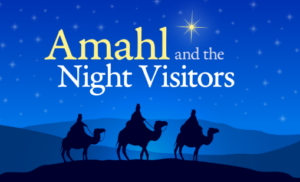
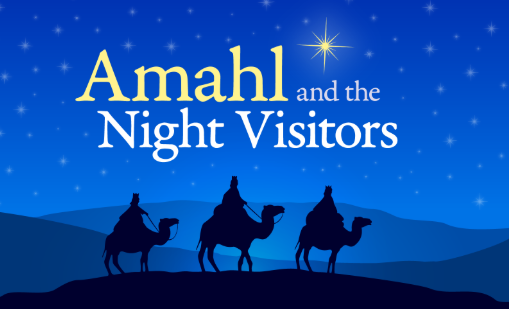
The story tells of three magi who followed a star to Bethlehem, bringing treasures for the newborn child. They’ve been painted as kings, scholars, or astrologers depending on the tradition, but what makes them memorable is their journey. Imagine trekking across deserts with camels, guided only by a star, and arriving with gifts that still spark curiosity today.

Gold: The Obvious One

We all know gold. It’s the universal symbol of wealth and value, and even in a children’s pageant, it’s the easiest to explain. A shiny coin or a golden box says it all.

Frankincense: The Fragrant Gift

Frankincense is a resin from the Boswellia tree, prized in ancient times for its sweet, woody aroma. It was burned in temples and homes, filling the air with a sense of ceremony. Today, you might find it in essential oils or incense sticks. In a pageant, frankincense might be represented by a little jar of potpourri, but in reality, it was a luxury item—something that said, “This gift is fit for royalty.”

Myrrh: The Mysterious One

Myrrh, another resin, came from the Commiphora tree. It had a bittersweet scent and was used in perfumes, medicine, and even embalming. That makes it a curious gift for a baby, but it carried deep meaning in the ancient world. In modern terms, think of it as a rare essential oil with a touch of mystery.

Why We Still Love the Story

The Three Wise Men remind us that Christmas isn’t just about tinsel and toys—it’s about journeys, wonder, and gifts that carry meaning. Whether you’re watching children parade across a stage or lighting a candle scented with frankincense, their story adds a touch of magic to the season.


Turkey Talk

🦃 Why Are Domestic Turkeys White?

A Totally Serious Interview with Two Turkeys

Reporter: Welcome to Turkey Talk Live! Today we’re asking the burning question: why are domestic turkeys white while wild turkeys strut around in earthy browns and blacks? Let’s hear it straight from the birds themselves.


Domestic Turkey (fluffing feathers):

“Listen, I didn’t choose this look. Humans bred me this way. Apparently, white feathers make me look ‘cleaner’ once I’m… you know… processed. Dark pinfeathers are like having spinach stuck in your teeth—nobody wants to see that on the holiday table. So voilà, I’m the snow‑white centerpiece. Fashion? Nah. It’s all about marketing.”


Wild Turkey (adjusting camo plumage):

“Meanwhile, I’m rocking these rich browns and blacks because I actually need to survive. Ever tried hiding from coyotes in a white feather coat? Forget it. My colors help me blend into the forest floor. I’m basically the ninja of the turkey world. Domestic cousin here couldn’t camouflage in a mud puddle if it tried.”


Domestic Turkey (sighing):

“True. I can’t fly well, I’ve lost most of my wild instincts, and honestly, if you dropped me in the woods, I’d probably ask for Wi‑Fi. But hey, I’m great at sitting still and looking plump, basically the couch potato of the poultry world. Humans love that.”


Wild Turkey (smirking):

“And I love not being dinner. So while you’re busy auditioning for the Thanksgiving table, I’ll be over here blending in with the leaves.”


Reporter’s Wrap‑Up

Domestic turkeys are white because humans bred them for a cleaner, more marketable look. Wild turkeys are dark because nature bred them for survival. One is hiding from predators, the other is hiding from gravy. It’s just the result of centuries of humans saying, “Hmm, this bird would look better if it matched the tablecloth.”

Looking Back at the Rich History of the Presidential Turkey Pardon

Yes,, I know Thanksgiving was last week but Gobble and Waddle are still giving thanks if they have any idea of the fate they escaped.

A Lighthearted Tradition Amid Serious Times

Every November, the White House sets aside politics for a moment of levity: the presidential turkey pardon. This year, President Donald Trump granted clemency to Gobble and Waddle, continuing a tradition that has become as quintessentially American as pumpkin pie. The ceremony, now in its 78th year, offers humor, gratitude, and a touch of whimsy against the backdrop of Washington’s otherwise weighty affairs.

Lincoln’s First Act of Mercy

The roots of the turkey pardon stretch back to 1863, when President Abraham Lincoln spared a bird at the request of his young son, Tad. The turkey, affectionately named Jack, was destined for the family’s Christmas table until Tad intervened. Lincoln’s compassion set the stage for what would later evolve into a national ritual.

Truman’s Myth and Kennedy’s Gesturetom turkey

Though often credited with beginning the tradition, Harry Truman never officially pardoned a turkey. The Truman Library confirms that the birds presented to him in the late 1940s were likely eaten. The first modern gesture of mercy came from John F. Kennedy in 1963, when he famously said, “Let’s keep him going,” sparing a 55-pound bird just days before his assassination.

Reagan, Bush, and the Formalization of the Pardon

In the 1980s, Ronald Reagan began sending turkeys to farms rather than the dinner table, joking about “pardons” during the Iran-Contra scandal. But it was George H.W. Bush in 1989 who officially declared a presidential pardon, ensuring the bird’s survival. Since then, every president has upheld the tradition, with Barack Obama pardoning the most—16 turkeys during his two terms.

Life After the White House

Pardoned turkeys don’t simply fade into obscurity. Many retire to farms, universities, or agricultural centers, serving as quirky ambassadors for American farming. Gobble and Waddle, this year’s stars, will enjoy retirement at North Carolina State University’s Prestage Department of Poultry Science. Meanwhile, millions of other turkeys—about 46 million each Thanksgiving—still meet a far less fortunate fate.

A Tradition of Humor and Humanity

From Lincoln’s compassion to Bush’s formal proclamation, the turkey pardon reflects both the lighter side of presidential power and the enduring appeal of Thanksgiving. It’s a reminder that even in the halls of government, there’s room for humor, kindness, and a nod to the nation’s agricultural roots.


Sources: TIME, CBS News, Yahoo News, USA Today, History.com, Wikipedia


🎄 Oh Christmas Tree, Oh Christmas Tree… Your Ornaments Are History


Or why I no longer have a Christmas Tree…


Challenge Accepted: The Ceiling Tree

We’ve all seen the viral photos: a Christmas tree mounted upside down on the ceiling, with a determined cat gazing up as if to say, “Challenge accepted.” It’s the ultimate test of feline agility. Forget gravity — cats see it as an invitation to defy physics and prove that no ornament is truly safe.

The Cardboard Forest

Why spend hours fluffing branches when cardboard boxes stacked in a pyramid will do? To us, it’s recycling. To cats, it’s a jungle gym. Add a few twinkle lights, and suddenly you’ve created the perfect climbing wall disguised as holiday décor. Bonus: no shattered glass ornaments when the inevitable leap occurs.

Godzilla Kitty Invades the Village

Miniature Christmas villages are meant to be serene, snowy escapes. Enter Buddy, my beloved (and now dearly missed) cat, who once claimed the center of the village like a furry Godzilla. Tiny ceramic houses trembled under his paws, and the townsfolk never stood a chance. It was equal parts adorable and catastrophic — a memory that still makes me smile every season.


The Joys of Decking the Halls with Cats

For every toppled ornament and paw‑printed snow scene, there’s laughter and love. Cats remind us that perfection isn’t the goal — joy is. Whether they’re scaling ceiling trees or stomping through villages, they bring their own brand of holiday cheer. And honestly, would Christmas feel complete without a little chaos?