Haunted October: Join Me in the Bennington Triangle

  
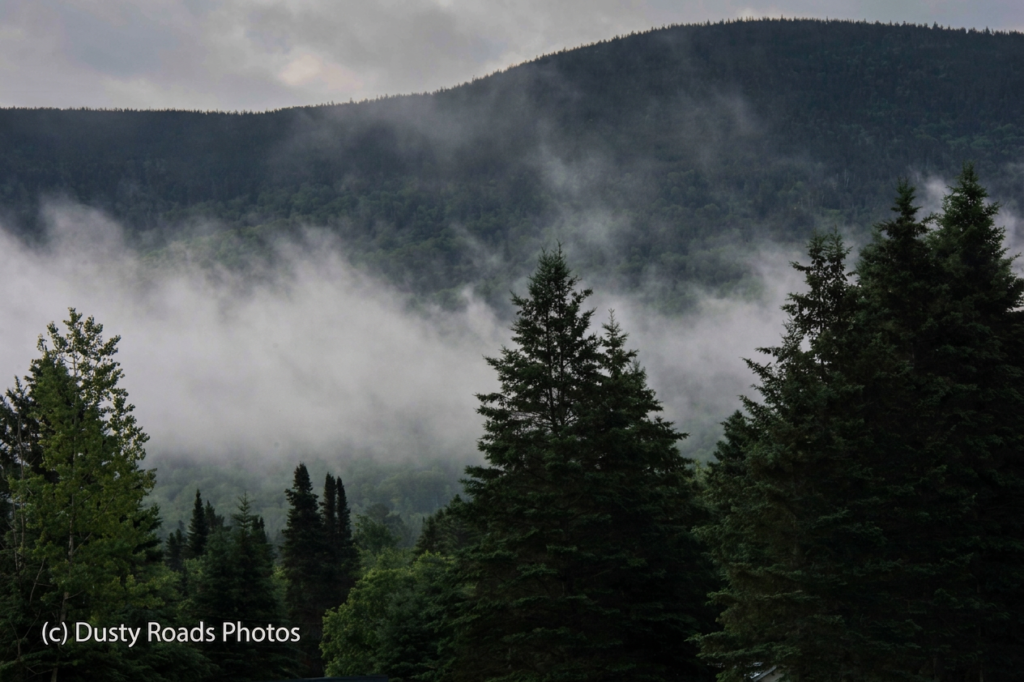
A misty Vermont forest with dense evergreens and low‑lying fog drifting through the trees, with a shadowed mountain rising in the background.

🎃 Join me — if you dare — on a nature hike deep in the forests of Vermont.

There’s a stretch of wilderness in the southwestern corner of the state where the trees grow close, the air hangs still, and the quiet feels heavier than it should. Hikers talk about a strange hush that settles over the land — a silence that doesn’t sound natural, a stillness that makes you stop walking and listen without knowing why.

This is Glastenbury Mountain, the heart of what people now call the Bennington Triangle.

🌲 A Campfire in the Dark

  
A glowing campfire burning on a rocky riverbank at dusk, with flames reflecting off the stones and silhouetted trees in the background.Picture our campfire: a bright circle of light in the darkness, twigs snapping as they burn. Someone from our group steps away — just for a moment. Maybe to grab something from the tent or pick up a sweater. Nights get cold in these woods.

But they never return.

Vanished. Gone in the blink of an eye.

It sounds impossible… until you learn that five people have walked into these woods and never come back out. Only one was ever found — and her remains had been lying out there for months before surfacing.

👣 The Vanishings

Middie Rivers — 1945

An experienced woodsman leading a hunting party along a familiar trail. He walked a short distance ahead to scout the path, rounded a curve, and simply never returned.

Search teams combed the area for days. No footprints.or  broken brush. No sign of an animal attack. Nothing. It was as if the forest opened up and took him.

One moment he was there. The next, he wasn’t.

Paula Welden — 1946

A 19‑year‑old college student who went for a hike on the Long Trail. She was seen heading toward the woods… and then never again. Despite weeks of searching, no trace was ever found.

An empty pair of blue‑gray bus seats with a worn green backpack and a weathered brown duffle bag resting on them, next to a window showing a blurred outdoor view.James Tedford — 1949

A veteran traveling by bus through the area. Passengers saw him sitting in his seat as the bus approached Bennington — but when it arrived, he was gone. His belongings were still there. His seat was undisturbed. He had vanished from a moving bus.

Paul Jepson — 1950

Only eight years old. His mother left him in the family truck for about half an hour. When she returned, Paul was gone. Bloodhounds tracked his scent to a nearby road, where it simply ended. He was never found.

Frieda Langer — 1950

An experienced hiker and the only one ever recovered. She slipped into a brook and went to change her clothes. She never came back. Months later her body was discovered — but no cause of death could be determined.

Five disappearances. Five unsolved cases. One small region.

🌫️ A Mountain the Abenaki Would Not Enter  
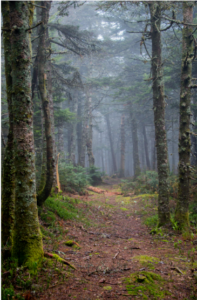
A foggy woodland trail lined with tall moss‑covered trees, with mist drifting through the forest and the path fading into the distance.

The Abenaki knew better than to trust Glastenbury. Hunting parties steered clear of its woods, no villages ever took root on its slopes, and travelers passed through without stopping. In their stories, the mountain was a place that swallowed people whole.

🎃 Why the Bennington Triangle Haunts Us

The Bennington Triangle is spooky not because of ghosts, but because of the feeling it gives you. It’s the kind of place where the forest seems to close in, where the trail feels longer than it should, and where the silence makes you wonder what’s listening.

It’s New England at its most mysterious.

So I ask you again…

Will you join me in the Bennington Triangle?

A nighttime campfire burning inside a ring of rocks, with two empty yellow camping chairs facing the flames and dark trees silhouetted in the background.


Haunted October: Rockafellas Restaurant, Salem, Massachusetts

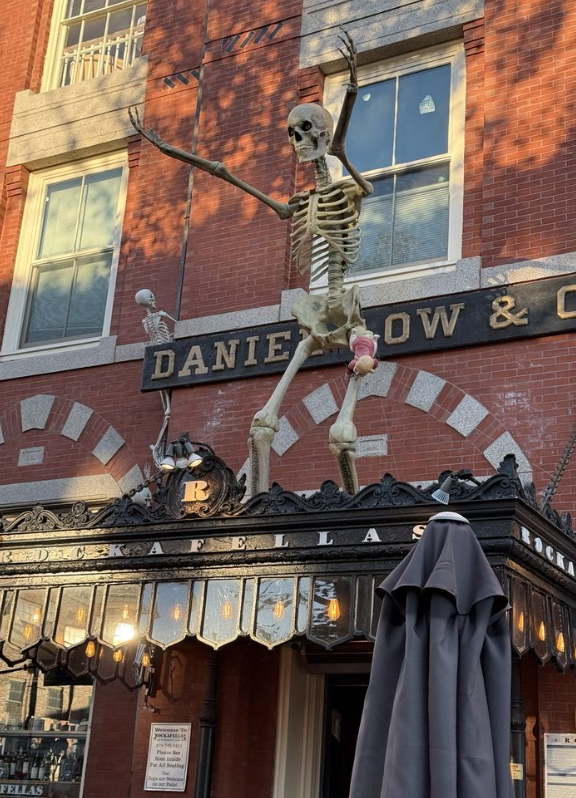
A historic brick building in Salem with a large skeleton decoration mounted above the entrance, signage reading “Daniel Low & Co.” and “Rockafellas,” and additional Halloween skeletons near the upper windows.

🎃 Welcome to Haunted October

Good evening… and welcome.

Outside, October wind drifts through Salem’s narrow streets, brushing past brick façades and stirring the last leaves on the Common. Inside this handsome Derby Square building, warm light pools across polished wood, and conversation hums softly. Yet beneath that modern glow lies a history that never quite settles.

Tonight, we step into Rockafellas, a contemporary restaurant housed within a structure whose past stretches back two centuries — and whose roots reach even deeper.

🏛️ A Meetinghouse With Shadows Behind It

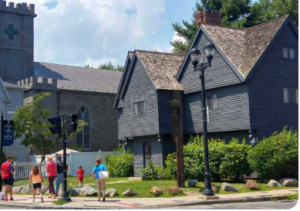
A group of visitors standing near the historic Witch House in Salem, a dark wooden 17th‑century structure with steep gables, set beside a large Gothic stone building with arched windows and battlementsLong before diners filled these rooms, the site belonged to Salem’s First Church, a congregation whose earlier meetinghouses stood witness to the uneasy tensions of 1692. Within that lineage, John and Elizabeth Proctor were questioned during the Salem Witch Trials, their futures hanging by a thread as fear swept through the town.
The building standing today rose in 1826, later reshaped in Victorian Gothic style. Though its architecture changed, the memory of those earlier meetinghouses clings to the space like a faint, persistent echo. Visitors often describe a subtle shift in the air — a quiet reminder that this corner of Salem has seen more than its share of troubled history.

👻 A Presence That Doesn’t Announce Itself

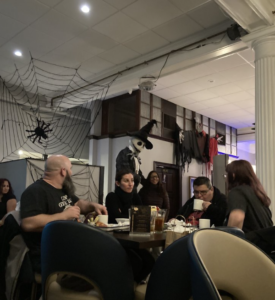
Rockafellas doesn’t lean into theatrics. Its décor is modern, its atmosphere lively, its energy warm.Diners seated at a Halloween‑decorated restaurant table surrounded by oversized spider webs, hanging spiders, and life‑size skeleton figures, including one dressed like Jack Skellington in a witch hat.

Even so, certain moments give guests pause: a sudden chill, a brief hush, the feeling that someone has paused nearby. Staff speak softly about the building’s “regulars,” the ones who never appear on the reservation list.

Among them is the Lady in Blue, glimpsed in an upstairs window after closing time — a figure who vanishes the moment anyone looks twice. Footsteps drift across the second floor when no one is there. A knock sounds against a wall with no door behind it. And stories linger about Daniel Low, the jeweler who died within these walls and, some say, still keeps watch.

These aren’t dramatic hauntings. They’re whispers. Echoes. Small reminders that history rarely stays quiet in Salem.

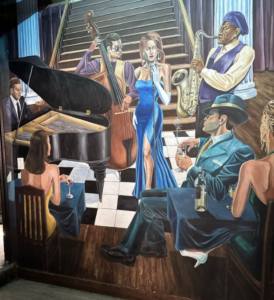
A vibrant mural depicting a jazz club scene, featuring a woman in a flowing blue dress singing on a checkered floor, surrounded by musicians playing piano, bass, and saxophone, with two patrons seated at a table in the foreground.🕯️ Where Past and Present Share the Same Room
Rockafellas may not resemble a haunted house, but it carries the weight of a haunted place — shaped by centuries of worship, fear, tragedy, and transformation.

The witch trial lineage. The meetinghouse legacy. The quiet spirits said to linger. The Lady in Blue watching from above.

Together, they create an atmosphere that settles gently, like a familiar guest returning to a room they once knew well.

🎃 Welcome… to Haunted October

As candles flicker and the wind presses against the windows, remember: this is Salem. The past never wanders far. Sometimes it sits at the table beside you.

Welcome to Haunted October — and together, we’ll explore the myths, legends, hauntings, and mysteries of New England.

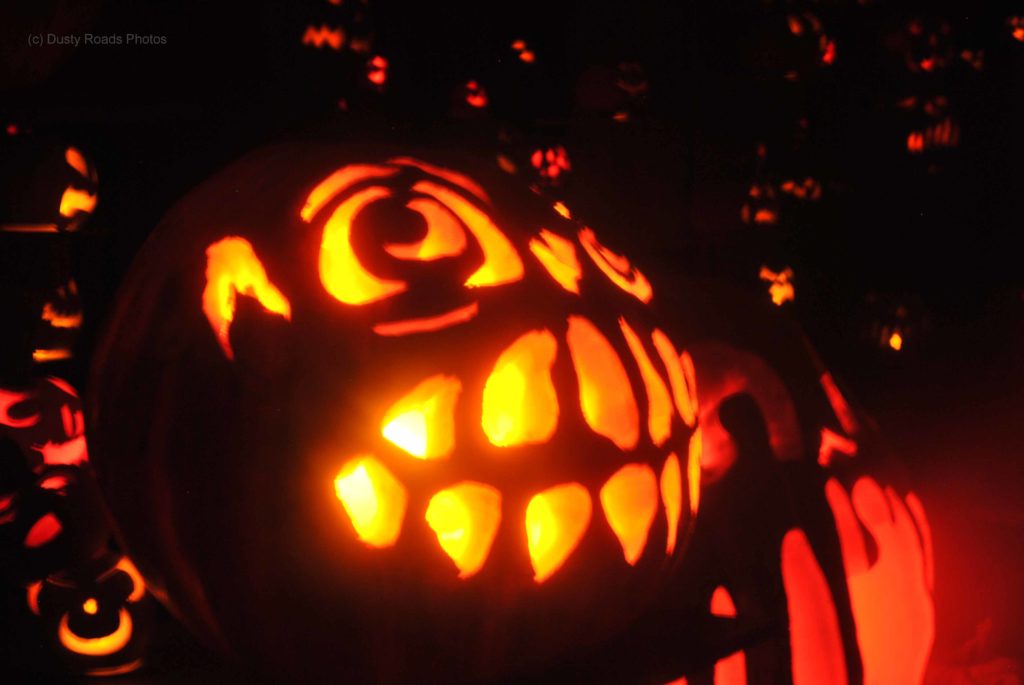
A glowing carved pumpkin with large eyes and a wide toothy grin, surrounded by other illuminated jack‑o’‑lanterns creating a warm, festive Halloween display.

Lake Monsters of the Adirondacks: My Family’s Monster‑Free Record


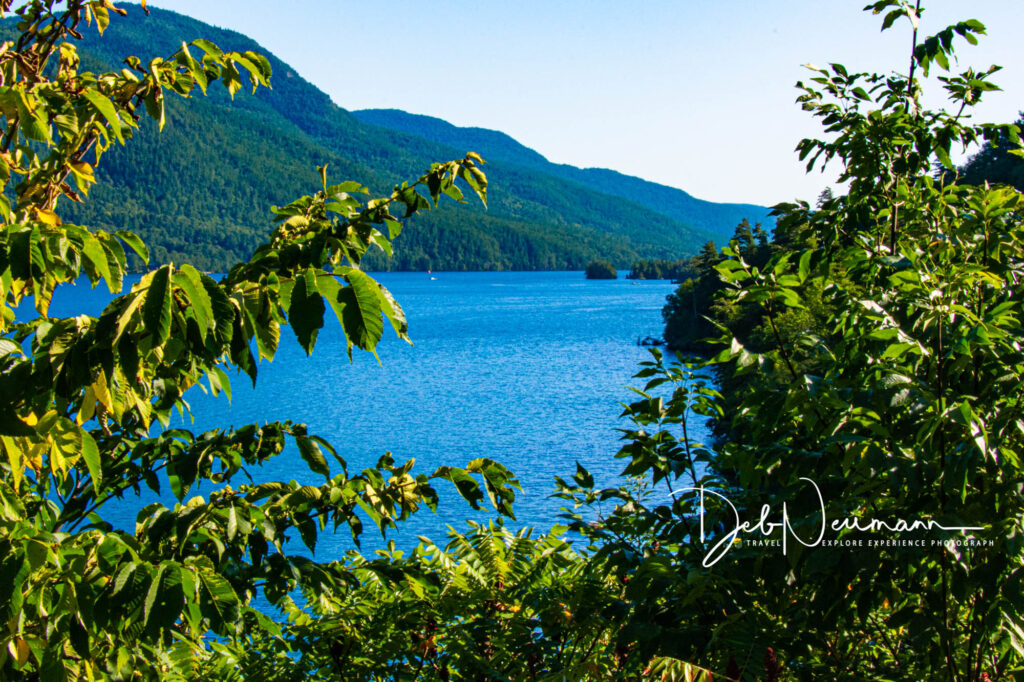
Beautiful Lake George surrounded by lush green hills, framed by leafy branches in the foreground, with a small sailboat visible on the water under a clear sky.

Growing Up Between Two Monster Lakes

My family has spent a lot of time on the two Adirondack lakes most famous for monster sightings. My mother grew up in Ticonderoga, right between Lake George and Lake Champlain, and I spent my childhood on Lake George. We used to road‑trip to Vermont and often took the ferry across Lake Champlain. If Champ was going to make an appearance, we were giving him every opportunity.
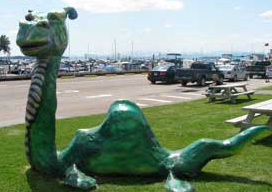

He never did. My mother never saw him either. Not even a suspicious ripple.

Champ is the celebrity cryptid of the region — the Adirondack Nessie — and people have been reporting sightings since the 1800s. Meanwhile, my family crossed that lake so many times we practically deserved a loyalty punch card, and still: nothing. Not even a polite bubble.

Champ: The Famous Monster Who Never Showed Up

Champ gets all the attention. Books, documentaries, blurry photos, breathless eyewitness accounts — he’s the star of Lake Champlain. And yet, despite all those ferry crossings, neither my mother nor I ever saw anything that even hinted at a lake monster.

Plenty of waves. Plenty of logs. Zero monsters.

Georgie: The Lake George Monster We All Joked About
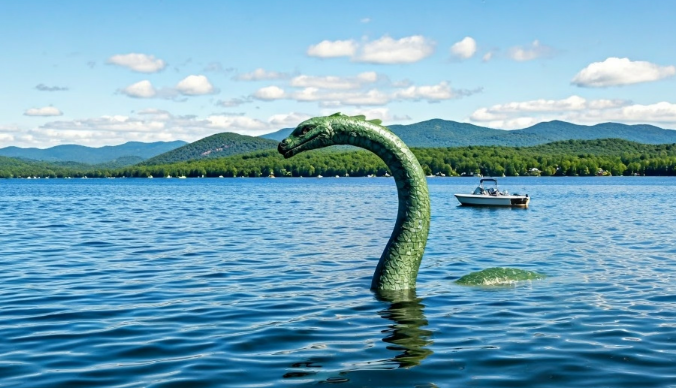
Lake George has a monster too, though it’s a much quieter legend. Growing up, we kids always joked about “Georgie,” the Lake George lake monster. I assumed Georgie was just the local version of Champ — a long‑necked creature lurking in the deep water, ready to pop up and terrify boaters.


I never knew Georgie had an actual origin story. Apparently most people don’t, because Georgie tends to get lumped in with Champ and Nessie as if he’s part of the same folklore family.

He isn’t.

The Wild, Forgotten Origin Story of Georgie

Georgie was a hoax — and a spectacular one.

Back in 1904, painter Harry Watrous built a ten‑foot lake monster out of a cedar log, complete with a skinny neck, big eyes, a wide mouth, and hemp‑rope whiskers. He created it to get revenge on a newspaper editor who had tricked him with a fake giant trout.

Watrous anchored his monster in Hague Bay and rigged it with a pulley system so he could make it rise dramatically out of the water whenever he felt like causing chaos.

And he did.

Panicked boaters, screaming passengers, parasol attacks — Georgie caused absolute mayhem. Watrous revived the monster again in 1934 just to “spoof the world” one more time. The original Georgie still exists and lives at the historical museum in Hague.

None of this made it into the version of Georgie I grew up with. To us, Georgie was just the Lake George monster — the one we joked about while swimming or boating, the one we pretended might be lurking under the dock. The prank faded, but the idea stuck.

My Family’s Real Lake Sightings (Everything Except Monsters)

And despite all that time on the lake, I never saw Georgie. My mother never saw Georgie. And my brother — who has spent more time on Lake George than anyone I know — has never seen Georgie.

This is impressive, because my brother has seen everything else.

He’s seen rattlesnakes swimming across Lake George. The lake’s had rabid beavers. He’s seen deer swimming across the lake like they’re training for a triathlon. He’s seen strange wakes, odd shadows, weird currents, and fog that makes the lake look like a horror movie set. There have even been water spouts!

Island Camping: Prime Monster Hours, Still No Monsters
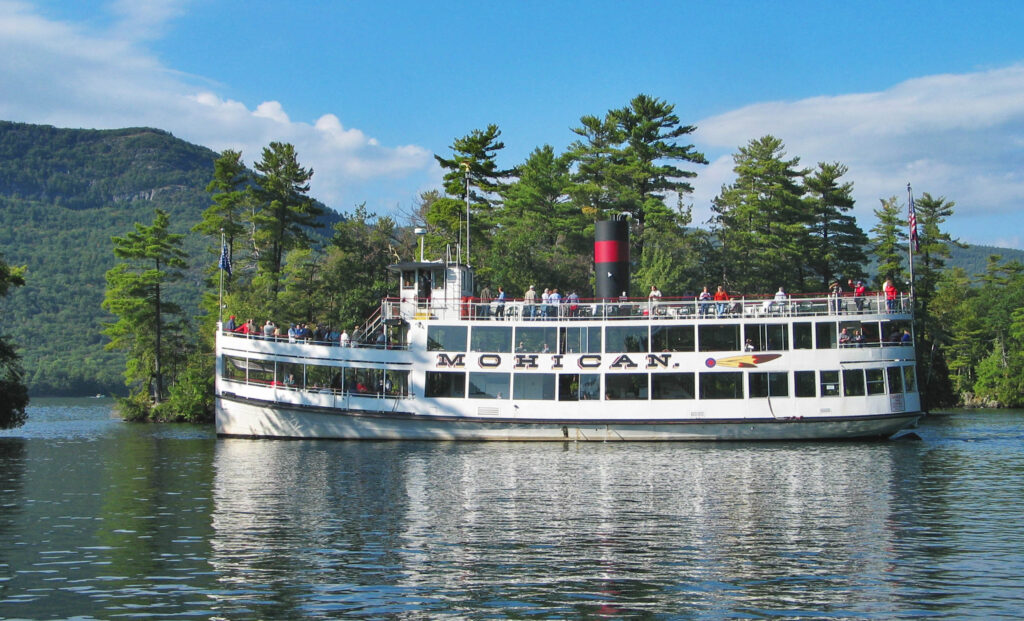
My brother also camps out on the Lake George islands during the summer, which means he’s out there at night — prime monster hours. If Georgie were real, my brother would have had front‑row seats.

But no. Not a single monster sighting.

If Monsters Exist, They’re Avoiding Us

Between Champ and Georgie, the Adirondacks are supposedly home to two lake monsters. My family has spent generations swimming, boating, camping, ferrying, and occasionally dodging rabid beavers — and we’ve never seen one. Not even a hint.

If the monsters are out there, they’re clearly shy… or they’ve decided my family isn’t worth the trouble.

Mohican-Paradise-Bay-


RIP Dolly Parton

It is with a sad heart that we shre the news of Dolly Parton‘s passing at 80. Music icon, philanthopist, Dolly, you werre loved in life and will be much missed. Your beautiful music will continue to bring joy and pleasure for years to come. RIP June 19, 1946 – Aug 26, 2026

Music icon Dolly Parton with her signature smile and blond hair

The Arounddustyroads team and family send heartfelt sympathy and love to all of Dollu’s family, friends and fans at this time of loss.

RIP Old Major

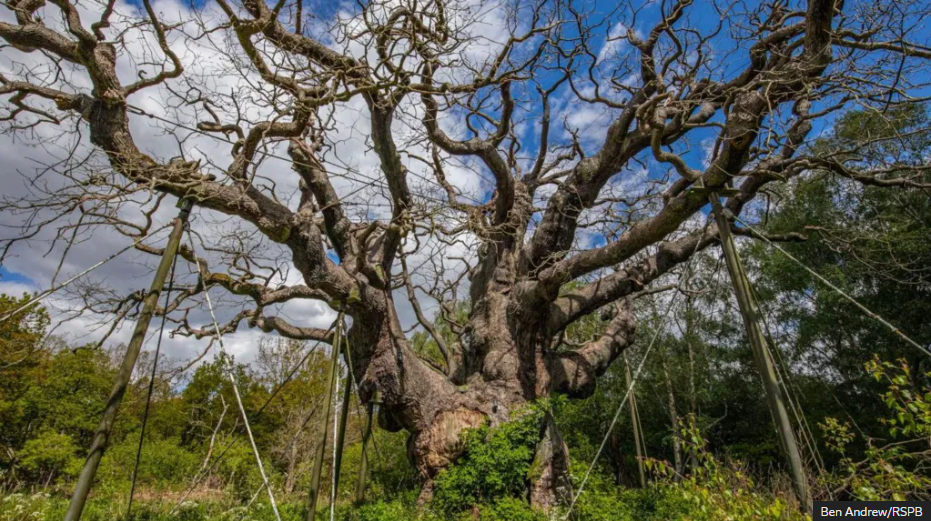
Old Major, the ancient Sherwood Forest oak, standing leafless with metal supports holding up its massive, hollowed branches against a cloudy sky


🌳 Saying Goodbye to a Living Legend

It’s always sad when someone — or something — passes away. We humans understand that our time on this earth is finite. We lose loved ones, we lose pets, from the humble goldfish to the faithful dog or cat who leaves a hole in our hearts.

But how often do we stop and think about the other living things around us?
The ones that stand quietly, century after century, asking nothing from us except space and sunlight?

The trees.

Trees, Time, and Childhood Imagination
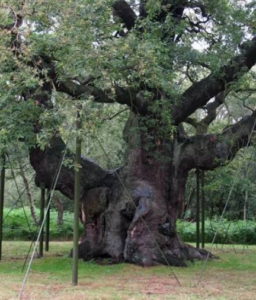
Trees are surprisingly long‑lived. When I was growing up, I had quite the imagination. I can still remember debating with my next‑door neighbor about whether fairies were real. Oh, how I wanted them to be — delicate little beings with shimmering wings, flitting among the flowers.

And that brings me back to the trees.

I always imagined the fairies living in the woods, tucked into the roots and branches. I wondered what stories the trees could tell if they could talk. The giant sequoias, for example, have been alive since the time of the dinosaurs. They’ve watched humanity grow and evolve — from four legs to two, from naked wanderers to suits, ties, and haute couture.

Which brings me to the subject of today’s post.

Who Was Old Major?

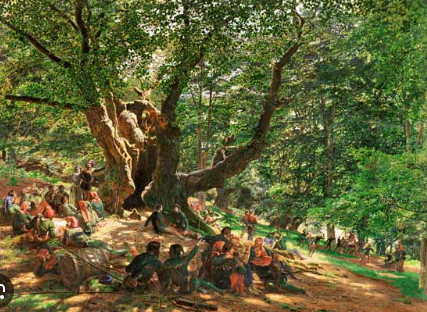
Old Major was an oak tree — a giant of a tree — estimated to be between 800 and 1,000 years old. He was a character in the Robin Hood legend, already ancient even in those stories. According to folklore, he sheltered Robin and his Merry Men inside his hollowed‑out trunk.

That’s what old oaks do. They grow and grow, and as they age, they begin to hollow out. Old Major was already entering his twilight years when Robin supposedly hid inside him. But he still had life left to give.

A Sentinel of Sherwood Forest

I don’t know how thick Sherwood Forest was in Robin’s time, but today Old Major stood alone — a massive sentinel in the clearing, drawing Robin Hood fans from around the world. He was the kind of tree you don’t just look at; you feel him.

Sadly, the old man of the forest has finally passed on.

The Final Spring

This spring, no leaves burst forth on any of his branches.
The horticulturists watched and waited, but no sap ran beneath the bark.
Old Major, the Robinhood Tree was dead. His long life had finally come to an end.

I don’t yet know what, if anything, is planned to memorialize Old Major. Sometimes new trees are grown from the acorns of the fallen, allowing another generation to begin. Perhaps that will be his legacy.

What Brought Him Down?

The usual things:

  • Age
  • Poor soil conditions
  • And the big one: climate change

Ancient trees like Old Major evolved in a stable climate. The rapid changes of the last 50 years have hit these elders hard — hotter summers, sudden storms, droughts, and unpredictable temperature swings.

Even giants have limits.

A Life That Spanned Centuries

No matter the cause, it’s still hard to say goodbye to something that began life in Medieval England. Old Major survived:

  • The Black Death
  • The Industrial Revolution
  • Two world wars
  • The rise and fall of countless monarchs

And along the way, he became a character in a legend.

Not many living things can claim that.

A Final Farewell

So we say goodbye to Old Major — not just a tree, but a witness to history, a keeper of stories, and a quiet companion to generations who walked beneath his branches. He stood through plagues and wars, through kings and commoners, through centuries of change that would have bewildered the world he was born into.

In the end, he reminds us that even the oldest giants must eventually rest. But what a legacy he leaves behind: a place in legend, a place in memory, and a reminder that the living world around us has its own tales to tell, if only we pause long enough to listen.