An Old Fashioned Road Trip

Enhanced view of the Badlands showing colorful layered rock formations, rugged hills, and a winding road with cars and an RV traveling through the landscape under a partly cloudy sky.

The Lost Art of the Road Trip
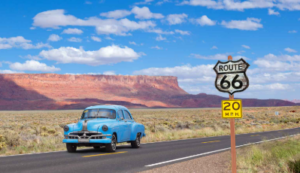
Ahh, the road trip. It’s a lost art, and this year it’s been on my mind thanks to the 100th anniversary of the Mother Road. Yes, Route 66 — the ultimate American road trip — is still celebrating, if the headlines can be believed.

Thinking about Route 66 made me remember how different road travel was when I was a kid. So buckle up and let’s take a little drive down memory lane. And by the way… we didn’t have seat belts when I was growing up.
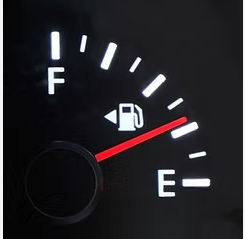
Rule #1: Never Let the Tank Drop Below Half

This was the big one. The rule. The commandment.

Never let the gas tank fall below half. No matter what.

And honestly? I still follow that in winter.

Why it mattered:

  • We didn’t have 24‑hour gas stations
  • Fuel gauges weren’t always reliable
  • Stations could be miles apart
  • You needed enough gas to stay warm if you got stuck
  • A half tank reduced condensation in the fuel line

It wasn’t a suggestion — it was survival. Half a tank or bust.

Rule #2: CB Radios Were Our Lifeline
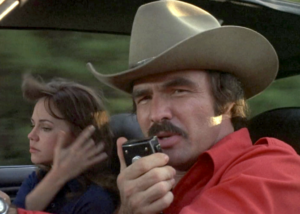
I bet some of the younger crowd doesn’t even know what a CB radio was. But for road trippers, it was essential.

With a quick “Breaker Breaker 1‑9”, you could:

  • talk to truckers
  • learn about trouble up ahead
  • find out where the “Smokey Bears” (police) were hiding
  • get recommendations for the best cup o’ joe

If you wanted to make time, you found a couple of truckers, slipped into the “rocking chair” between them, and put the pedal to the metal.
Rule #3: Map Reading 101

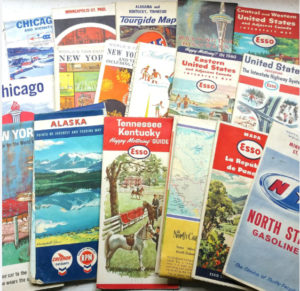
We weren’t just good at reading maps — we were excellent.

No GPS. No cell phones. Just paper maps that folded into more creases than an origami swan.

It helped to have a passenger who could read the map while you drove, but even kids learned how to follow the lines and symbols.

Rule #4: Scenic Overlooks Were Mandatoryrangeley overlook

“What’s that? A scenic overlook?”

Pull over.

Not slow down. Not glance out the window. Stop the car completely.

Kids tumbled out, parents took pictures, and every stop looked exactly like the last one — except for the sign telling you which overlook you were at. We got very good at photographing signs.
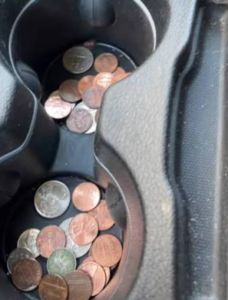
Rule #5: Change in the Cup Holder

Before EZ‑Pass, SunPass, or anything-pass, we had:

  • nickels
  • dimes
  • quarters
  • and whatever random coins lived in the cup holder

If you were on the New Jersey Turnpike, you needed toll money every few miles. The cup holder was basically a portable bank.

Rule #6: The Cooler Was Sacred
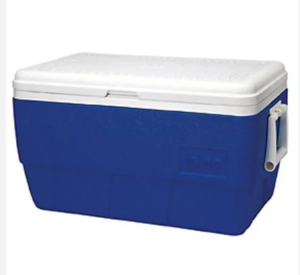
You’ve heard “Don’t leave home without it”? For us, that meant the cooler.

It was packed with:

  • ice
  • soda
  • sandwiches
  • snacks
  • and “adult beverages” for the folks

No McDonald’s on the roads we traveled. Lunch was whatever Mom packed, eaten at a rest stop picnic table with ants for company.

Rule #7: Entertainment Was… Minimal

Hang onto your hats, kids — there were:

  • no tablets
  • no built‑in TV screens
  • no cell phones

If you were bored, you looked out the window.

Games included:

  • counting cows
  • spotting license plates from different states
  • singing songs
  • and yes… 99 Bottles of Beer (which felt like it lasted the entire trip)

Road Trips Then and Now

Road trips today are easier, faster, and more comfortable — but they’re missing that old‑school charm. The cooler, the CB radio, the paper maps, the scenic overlooks… they were part of the adventure.

And maybe that’s why Route 66 still captures our imagination. It reminds us of a time when the journey mattered just as much as the destination.

 

Kitty Poo Club Day

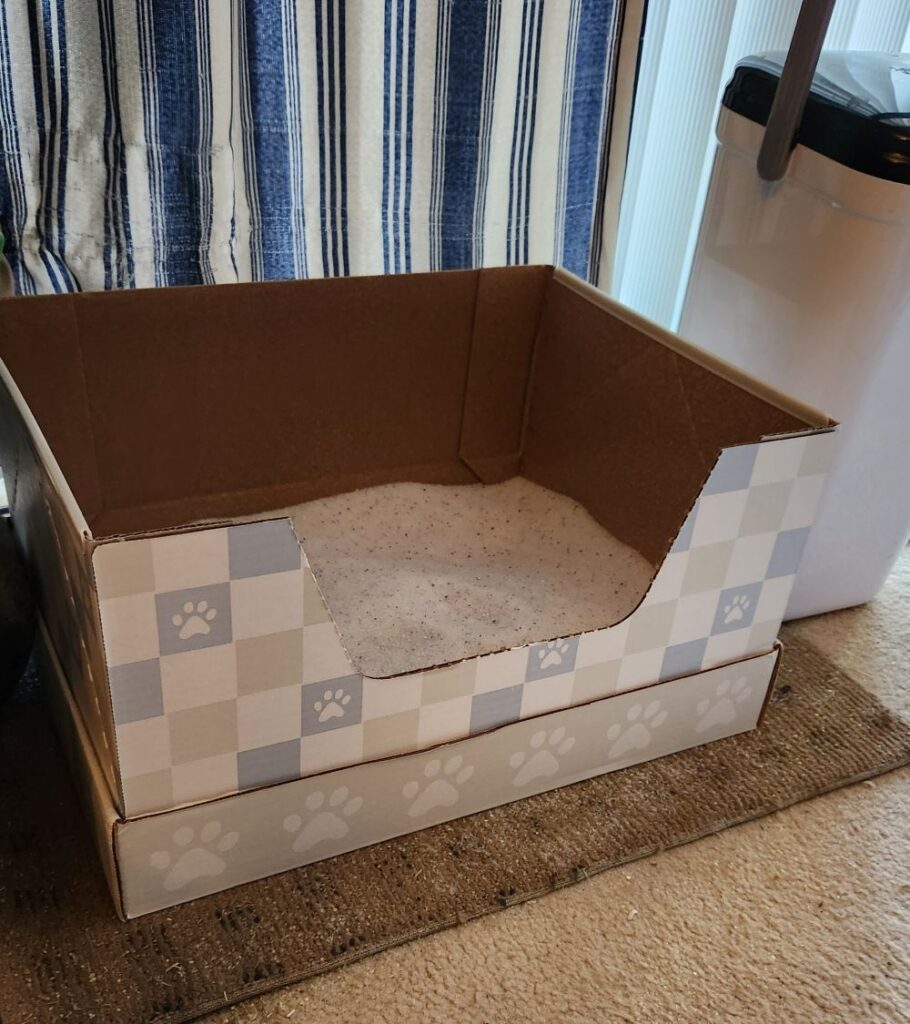
cardboard litter box set up in front of striped curtains and on brown rug

The Usual Morning Routine

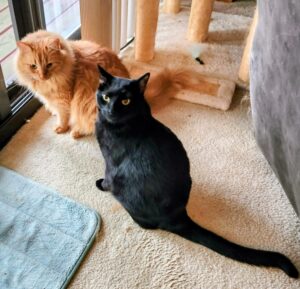
Most mornings follow a predictable pattern: feed, scoop, give treats, then retreat for a nap. Zoomies are optional but usually included if someone uses the litter box right after breakfast. Banner and Balboa know this schedule by heart. When I finish scooping, I can always count on them sitting like furry statues in the living room, waiting for their treats.

When the Monthly Routine Changes

Once a month, everything shifts. The Kitty Poo Club box arrives, and I drag it inside (literally — it’s heavy). With three fresh litter boxes, it’s more than just a quick scoop. It’s open the box, assemble the new trays, carry each one to its proper location, pour in the fresh litter, then deal with the old boxes.

My Box‑of‑Poop Phobia

I scoop the poop out before sealing the old boxes with tape and re‑boxing them. That step is just me being phobic. I can carry a bag of poop, but a box of poop? No thank you.

The Cats Know Exactly What’s Happening

Here’s the funny part: Banner and Balboa know exactly what’s happening, and they hold their poop until the new boxes are ready.

As soon as I swap out the first box, there’s a stampede to see who gets to christen it. Whoever wins gets the first poop. The loser trots off to the bedroom and sits politely beside Box #2, waiting his turn. Once Box #2 is set up, he hops in and does his business. I guess it’s their way of marking territory.

Why We Use Three Litter Boxes

The third box is the “extra” box. I’ve always followed the recommendation of one more box than cats: two cats = three boxes. That way there’s no waiting, no fights, and almost never an accident.

A Flashback to My Three‑Cat Household

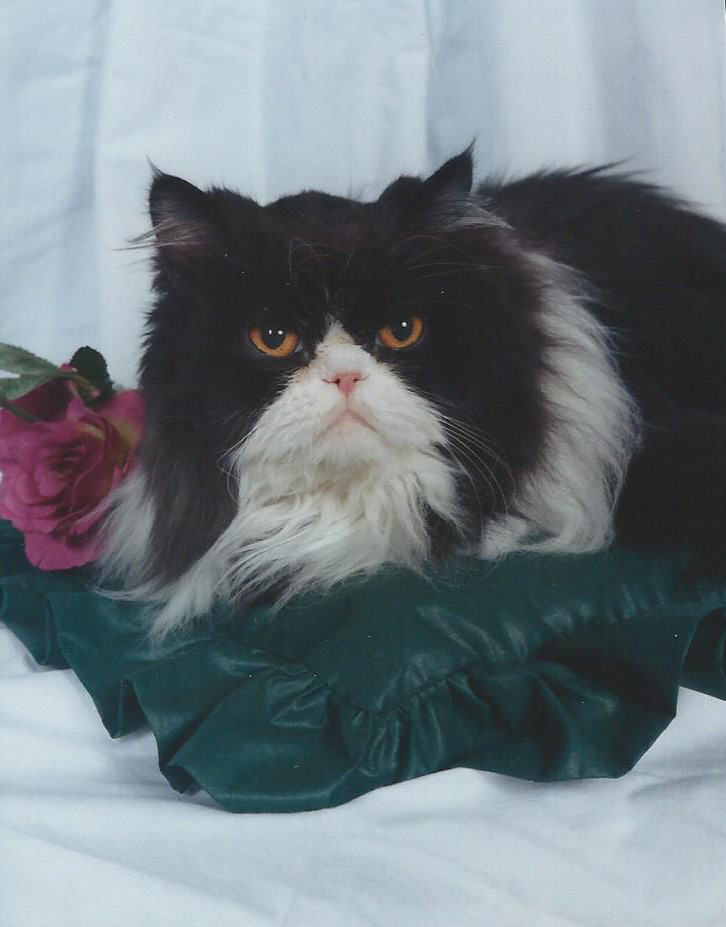
Years ago, when I had three cats, I used three regular plastic boxes and one automatic litter box a neighbor gave me. My tuxedo cat claimed that automatic box as his personal royal privy. He guarded it and refused to let the others near it. Some cats take their bathroom politics very seriously.


A Longer Month Means Grumpy Cats

This month was a long one between checks — five weeks instead of four — so I had to delay the Kitty Poo delivery. Judging from how fast Banner and Balboa raced to the fresh litter, I think they were unimpressed with that extra week. They probably compared it to us using a porta‑potty or a gas station restroom. You all know exactly what I mean.

Back on Track With Kitty Poo Club

But we’re back on track now with a regular four‑week delivery. I do love Kitty Poo Club. Disposable litter boxes are so much easier than stinky plastic ones — and clearly, Banner and Balboa approve

Disclosure

This post includes an affiliate link. If you use it, I may earn a small commission — which Banner and Balboa assure me should go toward maintaining their monthly “fresh box” tradition. Thanks for supporting my little corner of the internet.


Are You Older Than Dirt? Then You’re a Limited‑Edition Human

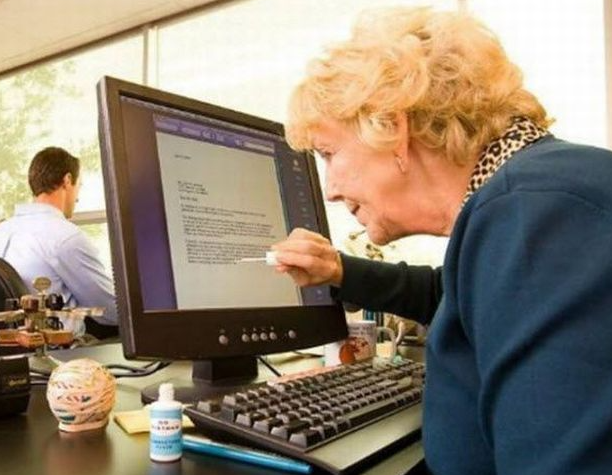
An older person sits at a desk in front of a computer monitor, holding a bottle of correction fluid and applying it directly onto the screen as if trying to fix a typo. The monitor displays a document with typed text. A keyboard, mouse, rubber band ball, and office supplies sit on the desk. In the background, another person works at a separate desk. The scene is humorous, showing a mix‑up between old‑school office tools and modern technology.

Are You Older Than 65? Then You’re Officially Rare.

Only about 10% of the world’s population is over 65. In the United States, it’s around 18%. In Japan, it’s a whopping 30% — practically a national pastime.

So yes, if you’re over 65, you’re a limited‑edition human. If you’re over 75, like me, you’re practically a collector’s item.

The Keepers of Wisdom

Then you’re part of a very small group — only about 10% of the world. In many cultures throughout history, older adults were the keepers of wisdom, the storytellers, the ones who remembered how things used to be and why it mattered.

People once gathered around fires, in circles, in kitchens, on porches — anywhere stories could be shared — to listen to the elders talk about the world as it was, the lessons learned, and the memories worth carrying forward.

Today, we may not sit around campfires passing down legends, but we still carry decades of lived experience. We’ve seen the world change in ways younger generations can’t imagine — rotary phones to smartphones, handwritten letters to emojis, TV antennas to streaming everything.

Being over 65 means you’ve collected stories, survived trends, and lived through at least three hairstyles you regret. That’s a superpower.

Things We Used That Don’t Exist Anymore

Cursive Writing

We didn’t just sign our names — we wrote entire essays in cursive. Kids today treat it like hieroglyphics.

Rotary Phones

We dialed numbers one… slow… circle… at… a… time. If your friend’s number had a lot of 9s, you needed a snack break.

Rabbit‑Ear Antennas

And yes — the best use for aluminum foil was topping off those rabbit ears to get the picture just clear enough to watch your show.

Rewinding VHS Tapes

And being polite enough to rewind before returning it to Blockbuster — which, by the way, most kids today think is either a myth or a Halloween costume.

Paper Maps

We unfolded them like treasure hunters and refolded them like confused origami students. And as Indiana Jones wisely taught us, X never, ever marks the spot.

Film Cameras

You took 24 pictures, waited a week, and discovered 18 were blurry — or everyone was missing their head.

Party Lines

You picked up the phone and your neighbor was already talking. Privacy was optional.

Typewriters

One typo and you were negotiating with correction tape like a hostage situation.

Defrosting the Freezer

Chipping ice like you were mining for diamonds.

The Funny Part About Aging in America

Here in the U.S., we’re about 18% of the population — still a minority. Depending on who’s talking, we’re either treasured elders or apparently draining Social Security one coffee cake at a time.

Meanwhile, in Japan, 30% of the population is over 65. Over there, being old is practically a group hobby.

The Truth? We’ve Earned Every Bit of This

Across the decades, life has thrown change, innovation, chaos, beauty, heartbreak, joy, and more than a few questionable fashion choices our way.
Through it all, adaptation, resilience, humor, and sheer determination have carried us forward.

So What Does Senior Life Really Mean?

Waking up with an ache or pain just lets me know I’m still alive. I’m old enough to understand there’s less life ahead of me than behind — which only makes every adventure sweeter. Every sunrise, every laugh, every unexpected moment feels like a little bonus round.

So I’m going to keep collecting stories, marveling over the changes, and putting one foot in front of the other. Slow if I must, wobbly if I have to, but forward all the same.

This post is proudly endorsed by me — professional story collector, rabbit‑ear antenna engineer,with the help of two cat editors.


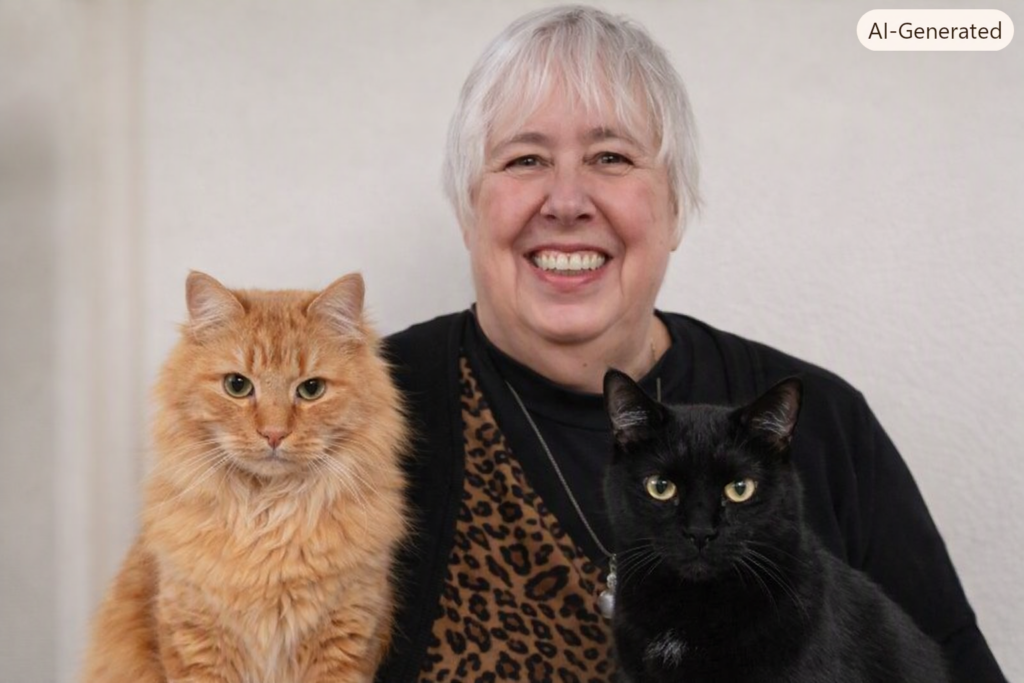
Created with Copilot — featuring Deborah and her two cat editors.

Finding Silver Linings in Strange Places

Sunset over Cadillac Mountain in Maine, with warm orange light spreading across layered hills and a forested foreground beneath a glowing sky.

When Life Hands You a Plot Twist

Sometimes life hands you a plot twist you never asked for. Not the kind you get when your plane is delayed and you’re stuck at the airport with a $12 sandwich and a dying phone battery. I mean the kind that knocks you sideways, steals your plans, and leaves you staring at a ceiling wondering what comes next.

And yet, every so often, those detours end up pointing us somewhere unexpectedly beautiful. You may have to dig a little to find the silver lining — sometimes with a shovel — but I really do believe it’s there if you look.

Little Richard Starkey and the Sanatorium Drum

I learned today that in 1953 Ringo Starr — yes, that Ringo Starr, the famous drummer for the Beatles — spent two years in a sanatorium after developing tuberculosis. Back then he was just little Richard Starkey, a kid from Liverpool whose world had suddenly shrunk to the size of a hospital ward. The staff tried to keep the children from sinking into boredom and loneliness, so they handed out simple percussion instruments. A triangle here, a drum there.

And that’s where Ringo first fell in love with drumming. A sick child, stuck in a hospital, discovers the thing that will carry him through the rest of his life. The thing that will make him famous. The thing that will make millions of people smile.

Stephen Hawking and the Two‑Year Diagnosis That Lasted 50 Years

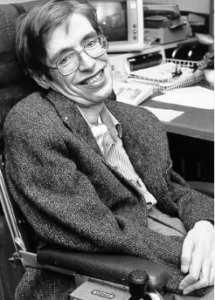
It reminded me of another story — Stephen Hawking. Diagnosed with ALS at 21 and told he had two years to live. Instead, he lived more than five decades. His illness didn’t make him brilliant, but it forced him to think differently, to work differently, to focus on the kind of deep theoretical questions that don’t require a lab — just a mind sharp enough to wander the universe. And wander it he did.

Harrison Ford: Rejection, Carpentry, and a Chance Encounter

And then there’s Harrison Ford. Today he’s Indiana Jones, Han Solo, and a real-life hero who once flew a helicopter into Yellowstone to help rescue a missing boy. But before all that, he was told by a studio executive that he had no talent and would never make it in Hollywood. The exec even said, “When Tony Curtis walked into this office, I knew he was a star.” Ford’s reply? “I thought he was supposed to be a waiter.” Dry, sharp, and pure Harrison Ford.

He took the rejection, became a carpenter to support his family, and that detour put him in the right place at the right time. His carpentry work led him to George Lucas, who hired him to build cabinets… and then cast him in American Graffiti, and later Star Wars. The door slammed shut, and he climbed in through the workshop window.

The Quiet Truth Behind These Stories

All three stories hum with the same quiet truth: Bad things don’t magically become good. But humans are astonishingly good at finding light in dark places.

My Own Chapters and Silver Linings

And when I look at my own life, I see it as a series of chapters. When one ends, something else always seems to come along. Different decisions would have led to different results — who knows where I’d be today if I’d finished college and gotten my degree, or if I’d changed direction earlier and started writing sooner?

But my life today is good. It’s full. Everyday is an adventure, And as Elton John sings, I’m still standing — and as long as I am, there’s time for silver linings.

Deb’s Ready to Dive


Breaking News from the Feline Desk – Daylight Saving Time Moves Ahead

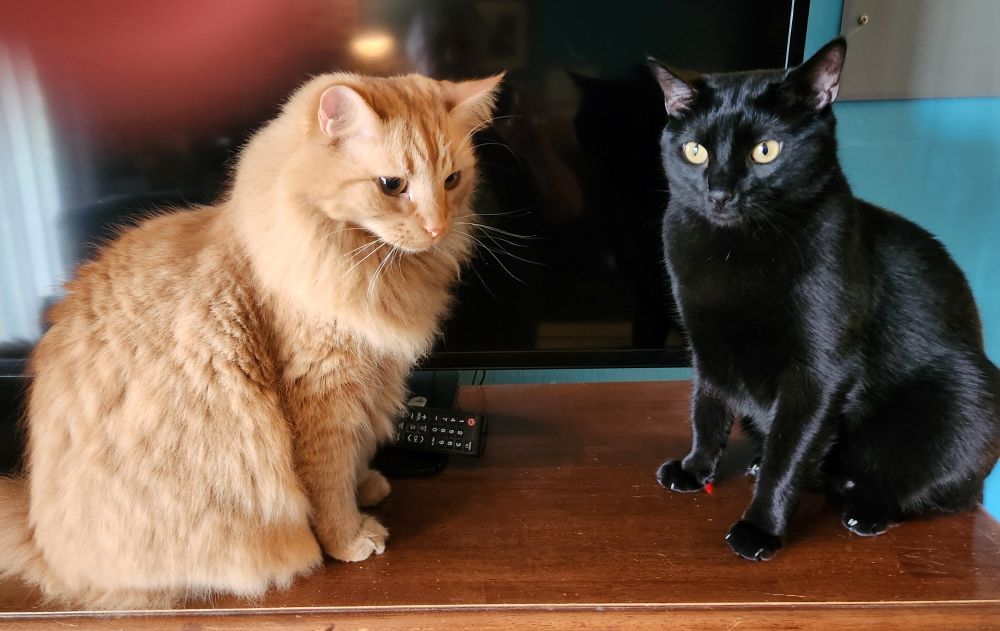
Banner and Balboa perched in front of the TV, one orange and fluffy, one black and sleek, looking like feline news anchors.

DST Déjà Vu

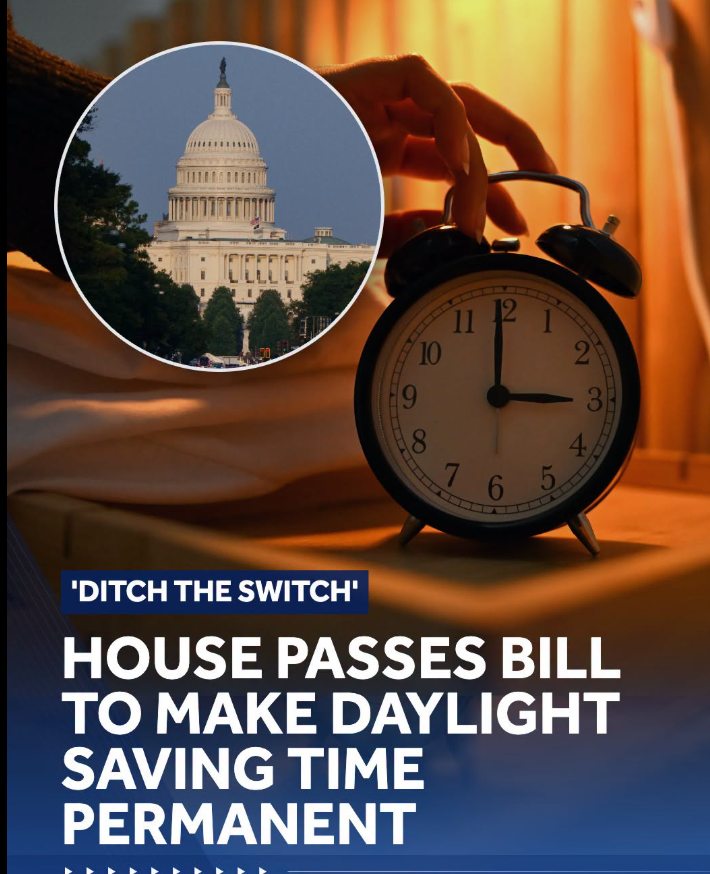
Well… here we go again. The House has once more nudged a bill forward to make Daylight Saving Time permanent. It’s not a done deal — it would still need to pass the full House and Senate — but the committee pushed it to the next step. We’ve been down this road before, so consider this another lap around the track.

Critics say keeping time saving daylight as a permanent fixture would mean darker mornings, groggy commutes, and kids waiting for buses in the shadows. Proponents counter that lighter evenings mean fewer accidents and a little more sunshine in our day.

Banner and Balboa have weighed in, of course. They love springing forward — earlier breakfast is a win in their book. But as for the concept of Daylight and Saving Time, “falling back”? Absolute chaos. Too many delays. Too much waiting. Feline outrage everywhere.

So what do you think? Would you want to keep Saving Time Daylight all year: good idea, bad idea, or “haven’t we talked about this every few years since the dawn of time”?

And finally, as Daylight Saving changes come up yet again, inquiring minds want to know your opinion.