A Miracle Comeback Nine Years in the Making

Rustic log cabin in Rangeley, Maine surrounded by trees and summer greenery, the lakeside vacation rental where I stayed during my 2017 moose‑spotting trip.

A Quiet Cabin, an Empty Town, and a Mountain Waiting for a Miracle

A Moose heading for the treesIn 2017 I chose Rangeley for my summer vacation because I wanted to see Maine moose. And I did — moose, deer, and more quiet forest roads than I could count. But I also found a town on a beautiful lake that was struggling.

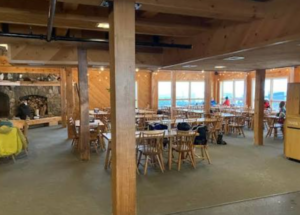

Saddleback, their ski mountain, was closed. Talk of a sale floated around like fog over the lake, but I can’t say the atmosphere was hopeful. Most people didn’t expect anything to come of it. Rangeley has plenty to offer if you love the outdoors — hiking, camping, nature photography — but in town the restaurants were either closed or empty. My cabin was beautiful, but I didn’t see many other vacationers around. It felt like a place waiting for something that might never come- a town holding its breath for a miracle.

So I’ve always wondered: What happened to Rangeley in the nine years since that visit?

Well, COVID didn’t stop the little town that could. In 2020, the sale of Saddleback finally went through — and everything changed.

The mountain woke up again

After years of false starts, Saddleback was purchased by Arctaris Impact Investors, a Boston‑based firm focused on revitalizing rural communities. And they didn’t just buy the mountain. They revived it.

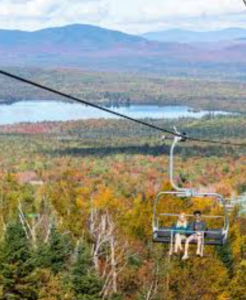
More than $42 million has been invested since 2020. New lifts, new snowmaking, lodge improvements, a new T‑bar, a high‑elevation restaurant, and even a 7.5‑megawatt solar farm that produces twice the electricity the mountain uses.

It’s the kind of transformation you expect from a mega‑resort, not a once‑shuttered independent ski hill in western Maine.

Rangeley’s winter heartbeat returned

The reopening didn’t just bring skiers back — it brought life back.

Saddleback created 240+ jobs, built workforce housing, and restored the winter economy that had been fading when I visited. Restaurants filled up again. Lodges booked out. Seasonal workers could count on steady income. The town’s identity — which felt fragile in 2017 — snapped back into place.

It’s hard to overstate how much a single ski mountain can mean to a rural town. In Rangeley’s case, it meant everything.

From shuttered to #1 in the East

This is the part that still amazes me.

In 2025, SKI Magazine’s readers ranked Saddleback #1 ski resort in the East.

Number one. In the entire East. After being closed for five years.

If you wrote that in fiction, people would say it was unrealistic.

A different kind of ski mountain

What makes Saddleback’s comeback special isn’t just the money or the lifts — it’s the philosophy behind it.

They’re leaning into:

  • Independence — no mega‑pass, no corporate sameness
  • Sustainability — that solar farm is a game‑changer
  • Community — housing, childcare support, year‑round jobs
  • Authenticity — the “real ski mountain” vibe people crave

In a world where so many ski areas feel interchangeable, Saddleback is intentionally not trying to be anything but itself.

Weather still rules the game

Of course, skiing is still skiing. Warm spells still happen. Rain still happens. Gas prices still matter. Travel budgets still matter.

But Saddleback is far more resilient now than it was in 2017. Better snowmaking, better infrastructure, and a broader year‑round recreation economy give Rangeley a buffer it didn’t have before.

Looking back at that 2017 trip

When I think about that quiet summer week — empty restaurants, shuttered lifts, locals who didn’t dare hope — it makes Saddleback’s comeback feel even more remarkable. Rangeley didn’t just survive. It reinvented itself.

A comeback nine years in the making — and absolutely worth celebrating. I can honestly say that I love a happy ending! Rangely, Maine got it’s miracle. 

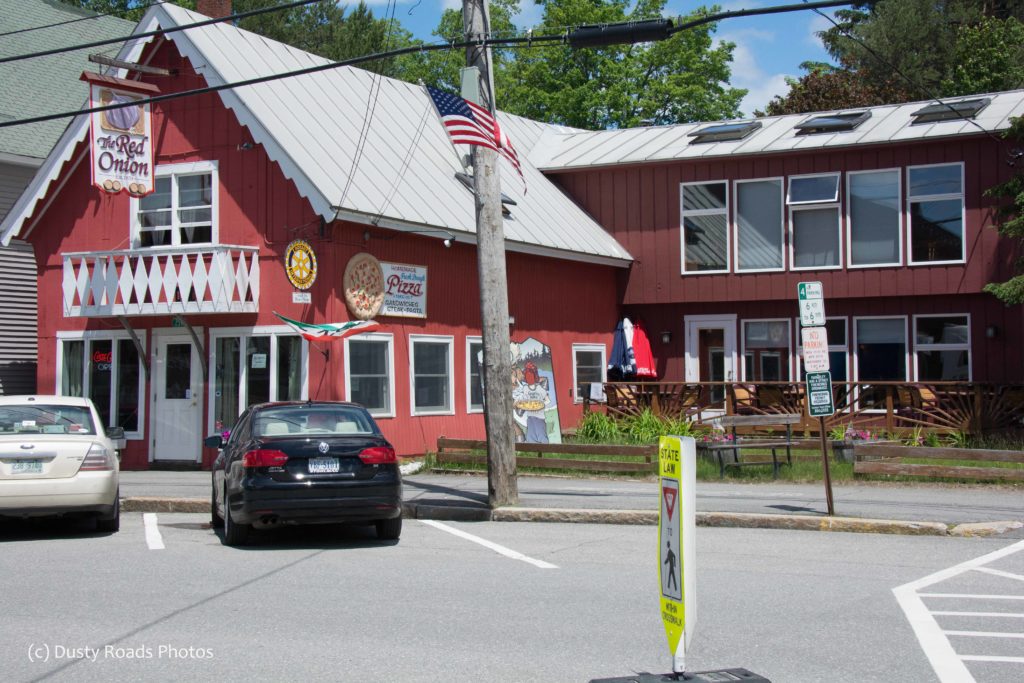
The Red Onion


Bing Wallpaper does it again! Portland Head Light

Bing Wallpaper does it again!

Once again I have to sing the praises of Bing Photography. I’ve mentioned it here before — from razorbills to green sea turtles, their wildlife shots are breathtaking — but this morning they surprised me with an old friend on my desktop: a true New England icon.

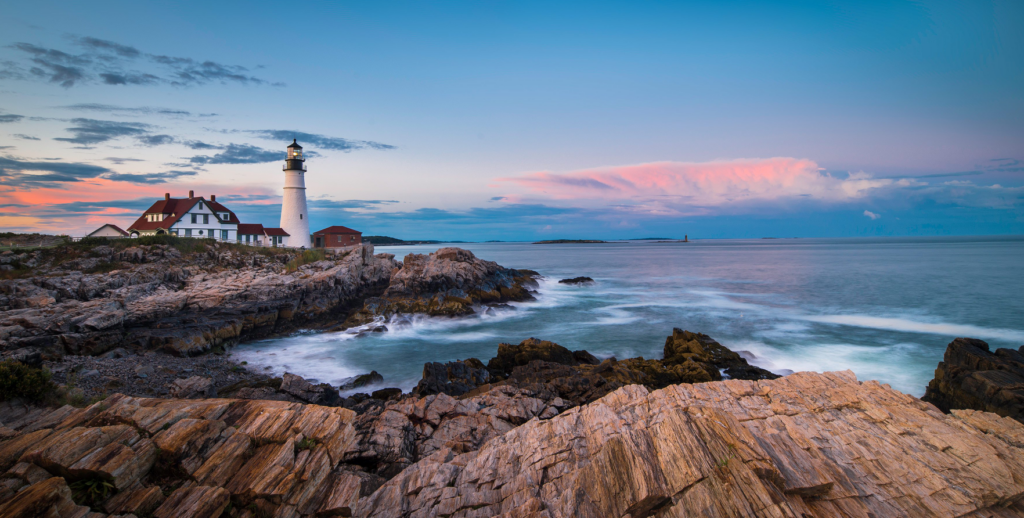
Portland Head Light, the oldest lighthouse in Maine and one of the most photographed in the Northeast, was waiting for me when I logged on.

Portland Head Light an Iconic symbol of the rugges Maine Coastline

Here’s what greeted me this morning…
And here’s one of my photos of this spectacular lighthouse.

Not too shabby for an old amateur.”


Tower in the Sea

Rising from the waves like a sentinel of stone, Boon Island Light is New England’s tallest lighthouse—and one of its most haunting maritime landmarks. With a nod to my sister’s enduring love of lighthouses and a dash of wanderlust, I invite you to explore the story of this remote Maine beacon, where history, hardship, and the sea converge.


🌊 A Tower in the Sea: Introduction to Boon Island Light

Located 6.5 miles off the coast of York, Maine, Boon Island Light is the tallest lighthouse in New England, rising 133 feet from a barren outcrop in the Atlantic. Its isolated perch and storm-battered silhouette have made it a symbol of resilience and maritime vigilance.

🕰️ From Shipwrecks to Signals: A Storied Past

Drawing of the Nottingham Galley shipwreck

The island’s name may stem from early fishermen who left provisions for shipwrecked sailors—a “boon” in desperate times. But its most infamous tale is the 1710 wreck of the Nottingham Galley, whose crew resorted to cannibalism to survive. This tragedy sparked calls for a permanent warning beacon.

Builders erected the first lighthouse in 1811, but relentless storms repeatedly tore down those early structures. In 1855, they completed the current granite tower, outfitting it with a second-order Fresnel lens and a fog horn that still sounds every 10 seconds.

🛠️ Automation and Preservation

After a devastating blizzard in 1978 washed away all keeper dwellings, the station was automated in 1980. Today, Boon Island Light remains an active aid to navigation, owned by the U.S. Coast Guard and leased to the American Lighthouse Foundation, though it’s in need of major restoration.

🚫 Remote and Inaccessible—Yet Irresistible

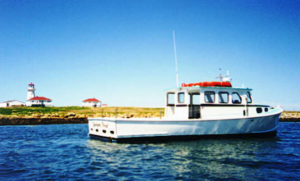
Boon Island is not open to the public, and its rocky terrain makes landings treacherous. Still, its allure draws lighthouse enthusiasts and historians. Scenic boat tours occasionally pass by, offering distant glimpses of this stoic sentinel.

📚 Legacy in Literature and Lore

The lighthouse’s grim history inspired Kenneth Roberts’ novel “Boon Island”, and its stark beauty has been described as “an eternal exclamation mark” by 19th-century writer Samuel Adams Drake. It’s a place where nature, history, and human endurance collide.


Decadent Treat from the Sea

Maine Lobster- photo credit Deb Neumann


Broiled Decadence

I was born in the wrong time in history. My absolute favorite treat is broiled lobster tails. Any lobster is good—but I’m addicted to the tails.

Lobster wasn’t always the elite culinary gem it is today. At one time, it was so plentiful it was considered poor man’s food—fed to prisoners and even pigs. Can you imagine tossing a $50 lobster into a pigpen? And yes, I found a website selling Maine lobster tails for $58.99, so I’m not exaggerating when I say a “trash meal” turned treasure.


Maine Lobster vs. Rock Lobster

Every trip to Florida—especially the Florida Keys—includes at least one (usually more) stop for lobster tails. Why Florida? Because they use spiny lobsters, also called Rock Lobsters. These clawless crustaceans pack all their meat in the tail. The tails are larger, firmer, and have a brinier taste than Maine lobster.

Maine lobsters are great, but just using the tail feels like a waste. Let’s boil that beauty and enjoy the delicate claw meat too. Best to use a real Lobster Pot, not just any pan.

Fun fact: When I was younger, I had a lobster license and used to scuba dive for Maine lobsters. I could enjoy a lobster meal anytime I was willing to dive—which was often!

snuba at Turtletown 2020


National Lobster Day

Today is National Lobster Day, so head to your nearest seafood restaurant or fish market for an annual treat of broiled lobster. Restaurants might make it sound like preparing tails is a mystical art, but it’s really quite simple. Just don’t overcook them—nothing worse than a dry lobster tail.

Around here, it’s easy to find Maine lobster tails. Occasionally (though rarely), you’ll spot Langostinos—small crustaceans often substituted for real lobster. They’re tasty, but more closely related to crabs than lobsters. So for today, let’s go with the real thing.

Broiled Rock Lobster tails- Key Largo 2019 photo Deb Neumann


Let’s Cook

Ingredients

  • 4 lobster tails (10 oz each, or adjust cooking time for other sizes)
  • ¼ cup salted butter, melted (½ stick)
  • 2 cloves garlic, crushed
  • 2 tsp lemon juice
  • ½ tsp smoked paprika
  • Pinch of cayenne pepper

Instructions

  1. Thaw the tails
    If frozen, thaw overnight in the fridge or in a sealed bag submerged in cold water for about 30 minutes.
  2. Preheat the oven
    Set to Broil (500°F / 260°C). Position the oven rack so the lobster tails on a baking sheet are 4–5 inches from the broiler.
  3. Butterfly the lobster tails
    Using kitchen shears, cut down the center of the shell lengthwise (top side only), stopping at the tail fin. Gently pull the meat upward, leaving the end attached. Rest the meat on top of the shell.
  4. Make the butter mixture
    In a small bowl, whisk together melted butter, garlic, lemon juice, smoked paprika, and cayenne. Brush generously over the lobster meat.
  5. Broil the tails
    Cook until the meat is opaque and lightly browned—about 1 minute per ounce. (10 oz tails = 10 minutes; 5 oz tails = 5 minutes.)
  6. Serve with melted butter
    For extra indulgence, try drawn butter—it takes a little more effort but yields a clear, golden dip with rich flavor.

How to Butterfly a Lobster Tail


Affiliate Disclosure

Some of the links in this post may be affiliate links. This means if you click through and make a purchase, I may earn a small commission at no extra cost to you. I only recommend products I truly love—especially when they involve lobster tails!


Clowns of the Sea

Puffins, Clowns of the Sea

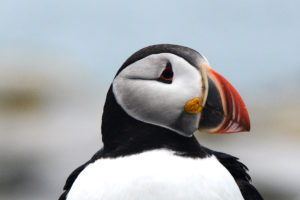
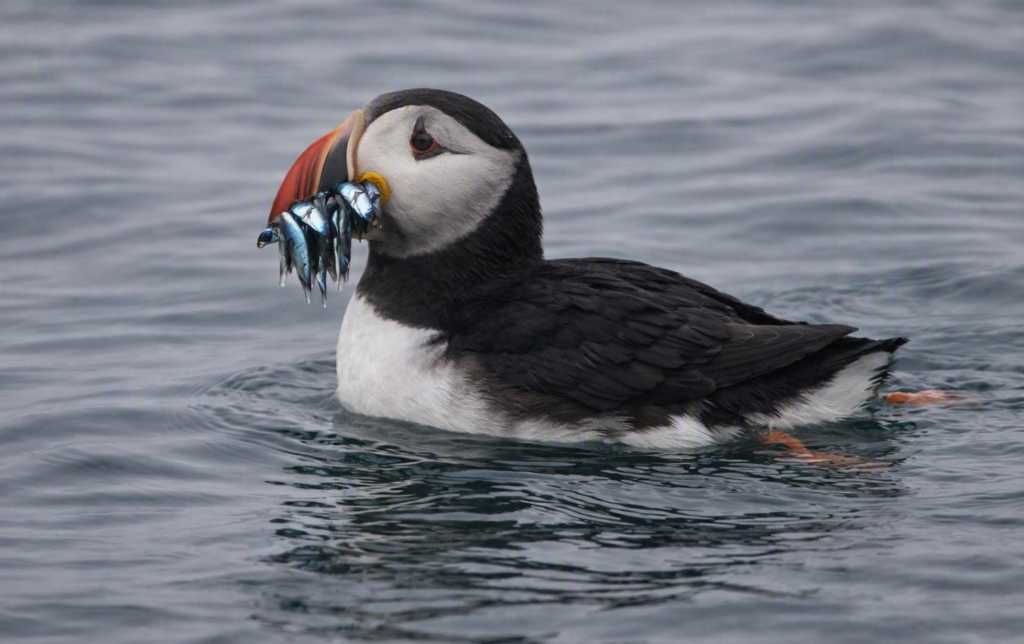
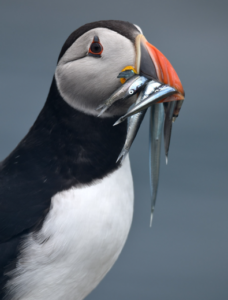
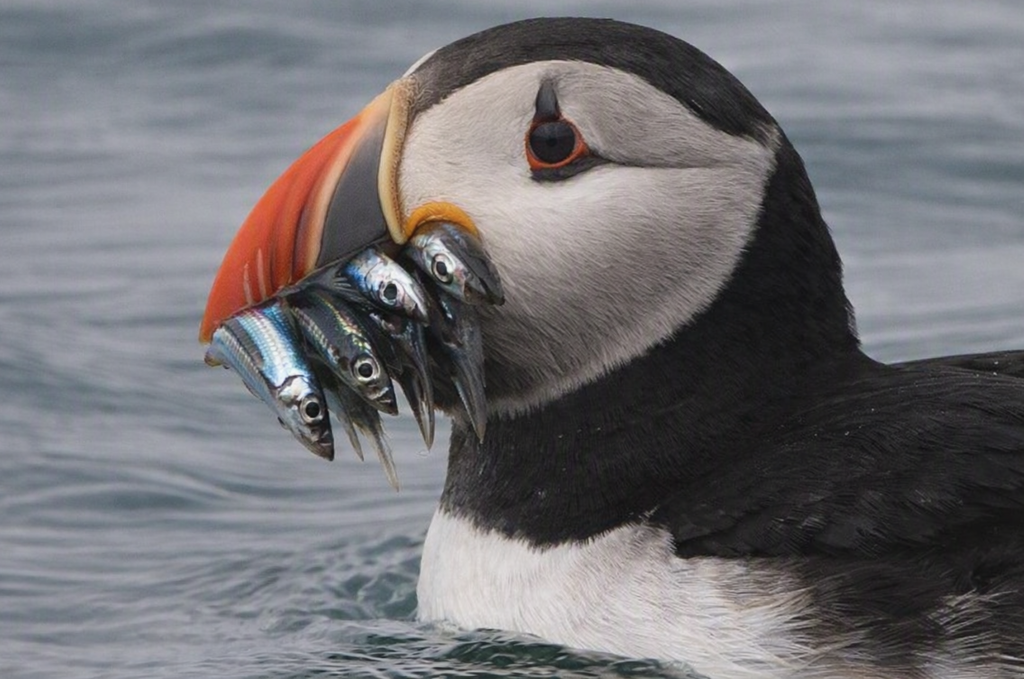
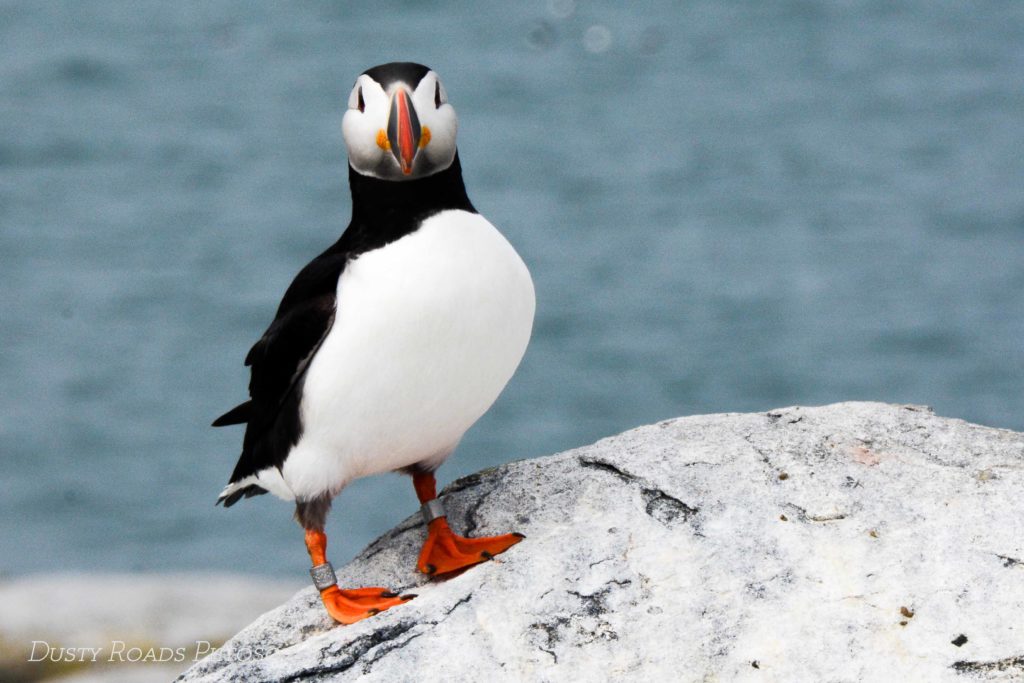
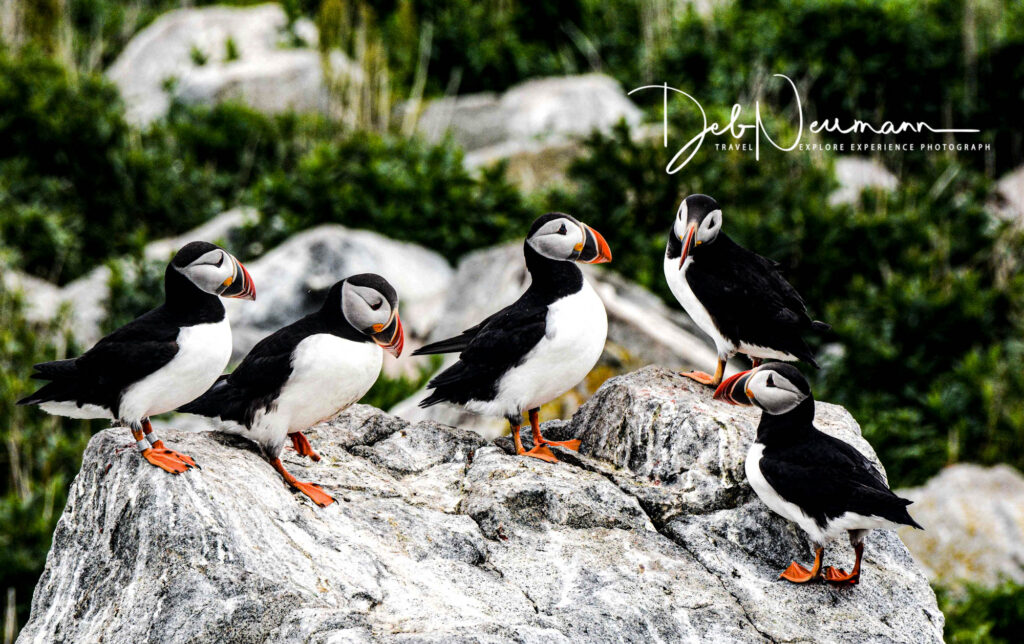
I love Puffins. Often called Clowns of the Sea, these charming seabirds earn their nickname thanks to their bright, multi-colored beaks, expressive facial markings, and pudgy little bodies. Add in their frantic wing-flapping and you’ve got a heartwarming, almost comical image that’s impossible not to adore. I love them so much that I embarked on a quest to see them live and in person—a surprisingly tricky endeavor on the East Coast of the USA.

Eastern Egg Rock, Maine – 2012

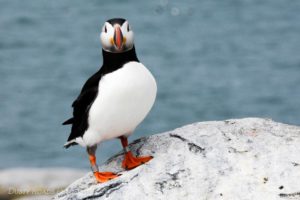
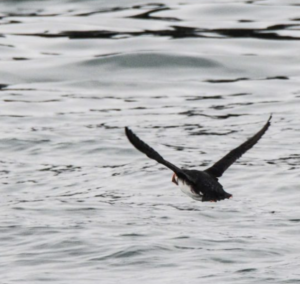
My first attempt was in 2012, when I joined an excursion to Eastern Egg Rock, a 7-acre island in Muscongus Bay, Maine, located about six miles east of New Harbor. It’s home to the world’s first restored seabird colony, including Atlantic Puffins. And it’s where I spotted my very first Puffin. They’re so little! Seeing one in the wild was a thrill, even if fleeting.

Puffin- Egg Island Maine 2012 photo credit Deb Neumann


Alaska – 2013

In 2013, I took a cruise to Alaska. I saw whales and sea lions, moose and caribou—even a couple of bears. But when the ship cruised past a raft of Puffins in Prince William Sound, I was curled up in my bunk, battling a bout of seasickness. Strike two on my Puffin quest.

Sea Lions Alaska 2013 Photo credit Deb Neumann

Machias Seal Island, Maine – 2016

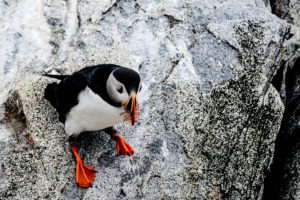
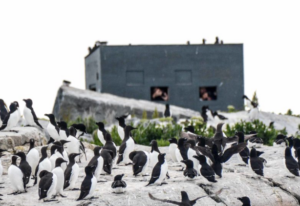
Then in 2016, I heard about a National Audubon trip to Machias Seal Island in the Bay of Fundy. Puffins? Yes, please—sign me up! This time, success. The trip was everything I’d hoped for. You can read all about it in my Around Dusty Roads post [linked here].

Machia Seal Island Puffin 2016 photo credit Deb Neumann


Puffling Season

So what got me thinking about Puffins today? I stumbled across a story from Iceland, where residents of a seaside town were reportedly throwing baby Puffins into the sea. The headline was alarming, so of course I had to dig deeper. Turns out, the town’s streetlights confuse fledgling Puffins—called Pufflings—making it difficult for them to find the ocean when they leave the nest. Since Puffins spend the next 3–4 years at sea before returning to land to mate, this disorientation could be disastrous. Thankfully, the townspeople created a Puffling Patrol, gently collecting the confused chicks and helping them reach the water safely. A beautiful example of community compassion and wildlife stewardship.

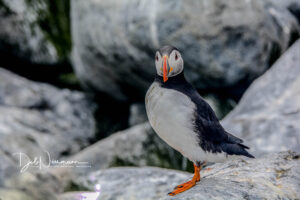
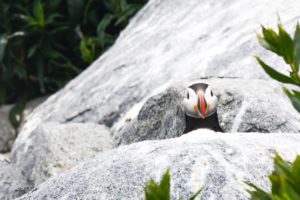
Puffin Photo credit Deb Neumann

Conclusion

From Maine’s rocky islands to Iceland’s glowing coastlines, Puffins have a way of capturing hearts and stirring wonder. My journey to see them has been filled with detours, discoveries, and a deepening appreciation for these quirky little seabirds. Whether flapping frantically through the air or bobbing serenely on the waves, Puffins remind us that joy often comes in small, feathered packages—and that sometimes, the best adventures begin with a little obsession and a lot of heart.


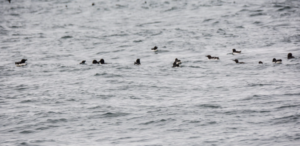
Puffin Hide and Seek- photo credit Deb Neumann