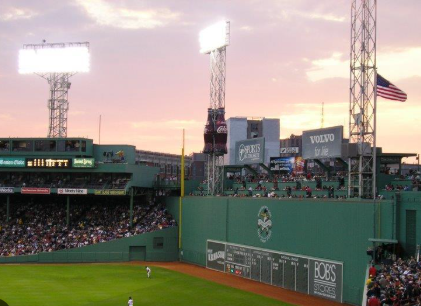
🟢 The Green Monster: New England’s Favorite Wall
If you know the Green Monster, chances are you’re either from New England or you’ve spent enough time in Massachusetts to develop strong opinions about chowder, rotary etiquette, and the Red Sox. And no — it’s not Cookie Monster’s cousin. He’s blue. This one sits proudly in left field at Fenway Park, the oldest ballpark in Major League Baseball. (That’s MLB for anyone still living under a rock.)
🟣 A Wall So Famous Even Presidents Notice
I have no doubt the success — and notoriety — of our beloved Monster hasn’t gone unnoticed by the current president. After all, Boston’s Green Monster is a wall, and for more than a century it has done an excellent job keeping ticketless spectators out of Fenway. It’s iconic, adored, cursed, photographed, and defended with the kind of passion only Red Sox Nation can muster.
Maybe that’s what they’re aiming for with the border wall? A structure people complain about but secretly love? But I digress. Let’s stick with the wall that actually works and doesn’t need congressional hearings to stay upright.
🟢 Why the Monster Exists at All
No other ballpark has anything quite like it — and no other ballpark would embrace such a quirky obstacle with the same enthusiasm.
When Fenway Park was being designed in 1911–1912, the layout of Boston’s streets boxed the left‑field boundary into an unusually short distance — only about 310 feet from home plate. That was far too close for comfort, since routine fly balls could easily sail out onto Lansdowne Street and let people watch the game for free. To fix the problem, the team’s owner, John I. Taylor, decided the only solution was to build a wall tall enough to make that short distance meaningful.
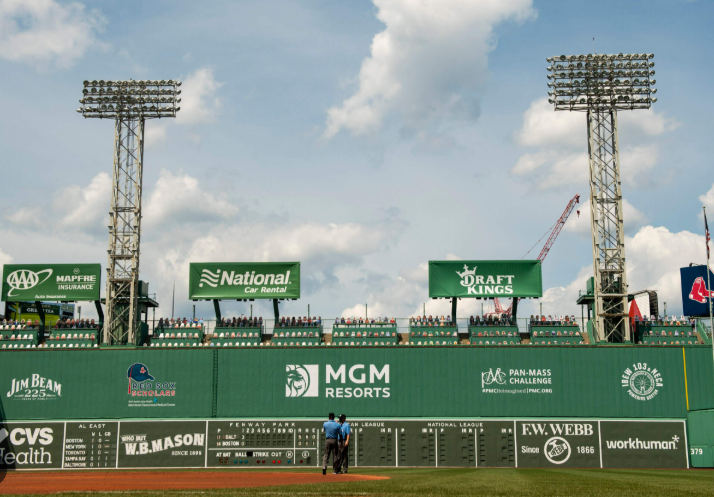
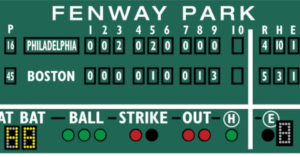 The first version wasn’t the green giant we know today. It was a wooden fence perched on an incline known as Duffy’s Cliff, and for years it was actually more of a dark blue than green. A fire in 1933 destroyed much of Fenway, including the old wall, and the replacement was a steel-and-tin structure that eventually gained the hand‑operated scoreboard still used at its base. It wasn’t painted green — or given its famous nickname — until 1947, when all the advertising signs were removed.
Today, at 37 feet high and only 310 feet from home plate, it remains the tallest outfield wall in Major League Baseball. It turns easy fly balls into doubles, doubles into heartbreak, and occasionally gifts a home run that would be an out anywhere else.
🟣 Pesky’s Pole: Fenway’s Other Trouble Spot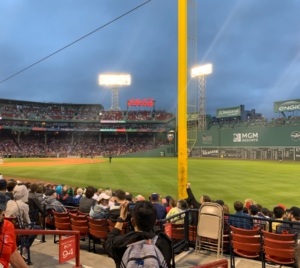
As if the Monster weren’t enough drama, Fenway has another quirk that keeps players humble: Pesky’s Pole, the right‑field foul pole. Balls that might have stayed fair in any other park smack that pole and bounce foul, leaving batters muttering words not fit for family‑friendly broadcasts.
The pole is named for Johnny Pesky — beloved player, manager, coach, and lifelong Red Sox ambassador. Though he wasn’t known for power, he occasionally curled a rare home run around that tight right‑field corner. His teammates teased him about it, calling the pole “Pesky’s Pole,” and the name stuck.
There’s also a quirky little tradition that’s grown around Pesky’s Pole over the years. Fans on Fenway tours often leave their mark by signing the pole — names, dates, quick messages, declarations of Sox loyalty. It started as a bit of harmless mischief, but it became so beloved that it’s now practically encouraged. The grounds crew repaints it from time to time, but the signatures always return. Red Sox Nation is nothing if not persistent.
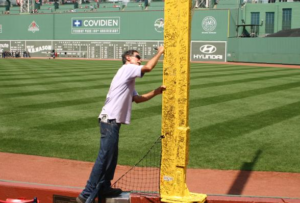
🟢 Why Red Sox Nation Loves the Chaos
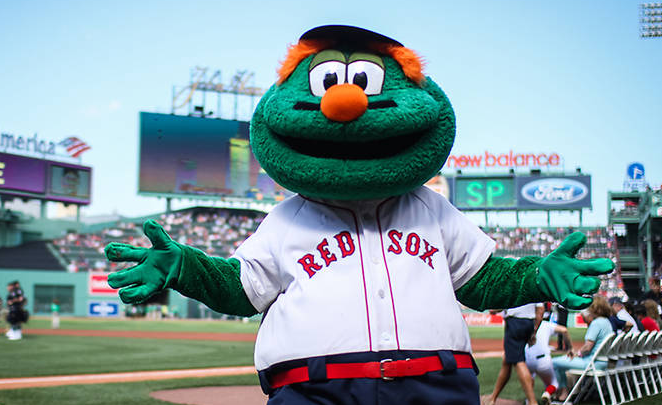
These quirks — the towering Monster, the mischievous foul pole, the unpredictable bounces — are exactly what make Fenway Park so beloved. Red Sox fans are famously rabid, and Fenway’s personality is part of the charm.
So next time you head to the park, remember: You’re stepping into Red Sox Nation. A home run might turn into a double thanks to the Monster. A perfect hit might clang off Pesky’s Pole and go foul.
It’s all part of the extra drama that makes Fenway Park unforgettable.
Share this:
- Share on Tumblr (Opens in new window) Tumblr
- Print (Opens in new window) Print
- Share on X (Opens in new window) X
- Share on Facebook (Opens in new window) Facebook
- Share on Pinterest (Opens in new window) Pinterest
- Share on Reddit (Opens in new window) Reddit
- Share on LinkedIn (Opens in new window) LinkedIn
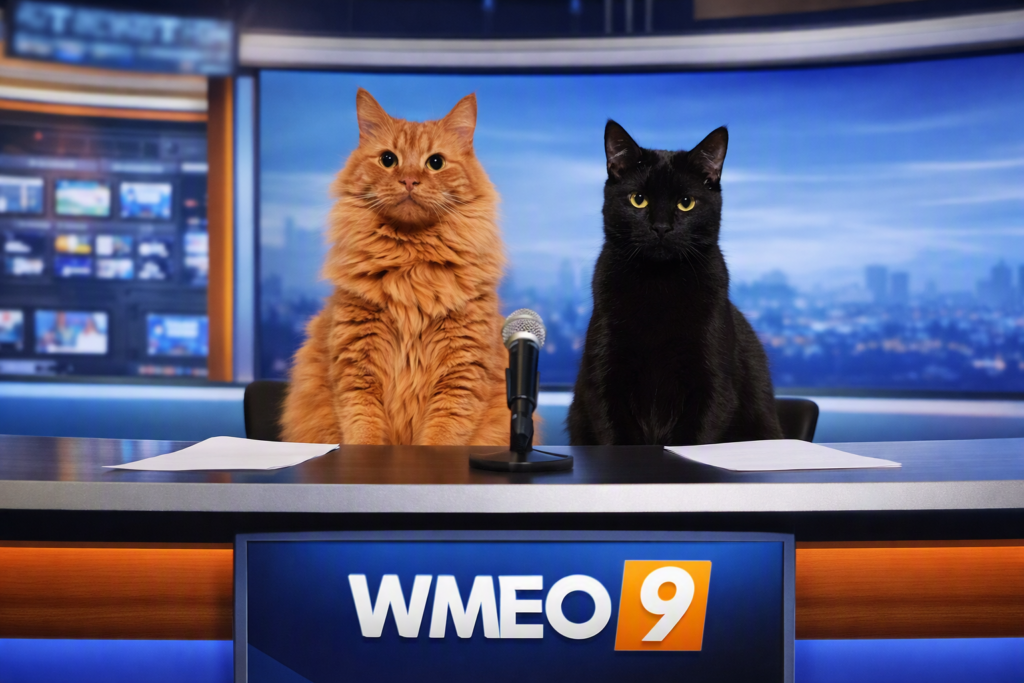

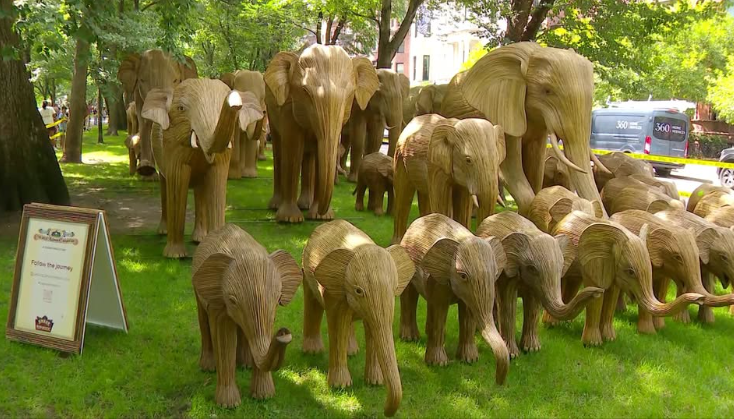

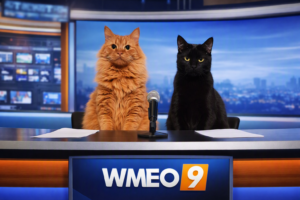
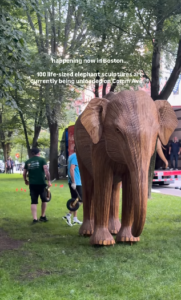 scheduled bird‑watching to report that Boston has officially lost its mind.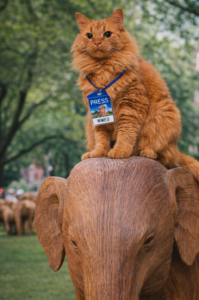
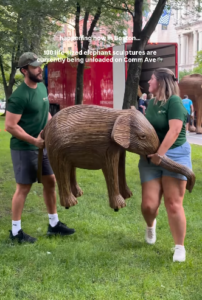
 🎙️ Balboa: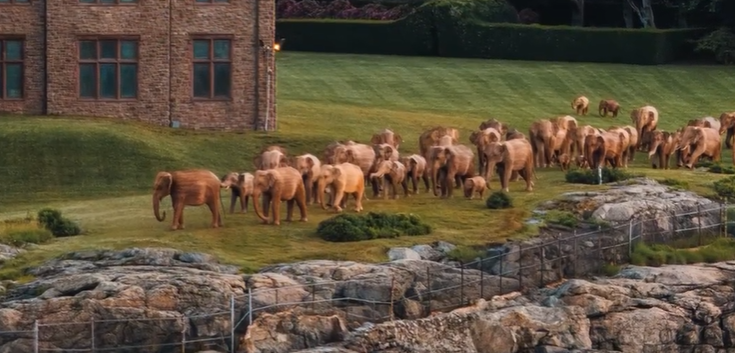

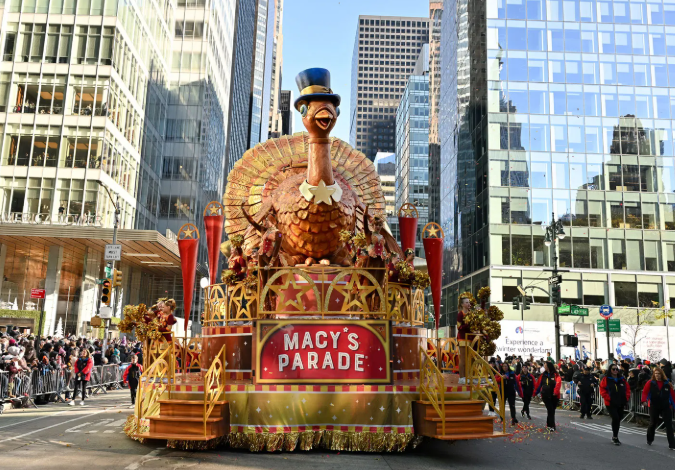
 Massachusetts: More Parades Than You’d Expect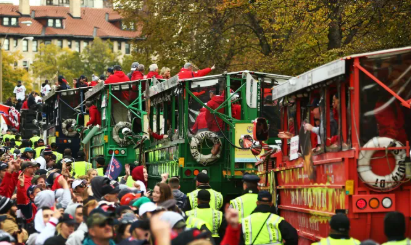
 Patriots’ Day: A Parade You Won’t Find Anywhere Else
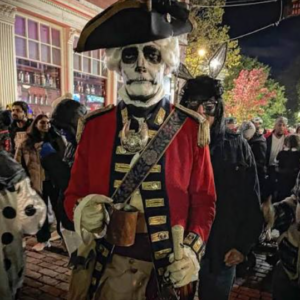 Salem’s Haunted Happenings: Halloween Done Right