RIP Old Major

Old Major, the ancient Sherwood Forest oak, standing leafless with metal supports holding up its massive, hollowed branches against a cloudy sky


🌳 Saying Goodbye to a Living Legend

It’s always sad when someone — or something — passes away. We humans understand that our time on this earth is finite. We lose loved ones, we lose pets, from the humble goldfish to the faithful dog or cat who leaves a hole in our hearts.

But how often do we stop and think about the other living things around us?
The ones that stand quietly, century after century, asking nothing from us except space and sunlight?

The trees.

Trees, Time, and Childhood Imagination

Trees are surprisingly long‑lived. When I was growing up, I had quite the imagination. I can still remember debating with my next‑door neighbor about whether fairies were real. Oh, how I wanted them to be — delicate little beings with shimmering wings, flitting among the flowers.

And that brings me back to the trees.

I always imagined the fairies living in the woods, tucked into the roots and branches. I wondered what stories the trees could tell if they could talk. The giant sequoias, for example, have been alive since the time of the dinosaurs. They’ve watched humanity grow and evolve — from four legs to two, from naked wanderers to suits, ties, and haute couture.

Which brings me to the subject of today’s post.

Who Was Old Major?

Old Major was an oak tree — a giant of a tree — estimated to be between 800 and 1,000 years old. He was a character in the Robin Hood legend, already ancient even in those stories. According to folklore, he sheltered Robin and his Merry Men inside his hollowed‑out trunk.

That’s what old oaks do. They grow and grow, and as they age, they begin to hollow out. Old Major was already entering his twilight years when Robin supposedly hid inside him. But he still had life left to give.

A Sentinel of Sherwood Forest

I don’t know how thick Sherwood Forest was in Robin’s time, but today Old Major stood alone — a massive sentinel in the clearing, drawing Robin Hood fans from around the world. He was the kind of tree you don’t just look at; you feel him.

Sadly, the old man of the forest has finally passed on.

The Final Spring

This spring, no leaves burst forth on any of his branches.
The horticulturists watched and waited, but no sap ran beneath the bark.
Old Major, the Robinhood Tree was dead. His long life had finally come to an end.

I don’t yet know what, if anything, is planned to memorialize Old Major. Sometimes new trees are grown from the acorns of the fallen, allowing another generation to begin. Perhaps that will be his legacy.

What Brought Him Down?

The usual things:

  • Age
  • Poor soil conditions
  • And the big one: climate change

Ancient trees like Old Major evolved in a stable climate. The rapid changes of the last 50 years have hit these elders hard — hotter summers, sudden storms, droughts, and unpredictable temperature swings.

Even giants have limits.

A Life That Spanned Centuries

No matter the cause, it’s still hard to say goodbye to something that began life in Medieval England. Old Major survived:

  • The Black Death
  • The Industrial Revolution
  • Two world wars
  • The rise and fall of countless monarchs

And along the way, he became a character in a legend.

Not many living things can claim that.

A Final Farewell

So we say goodbye to Old Major — not just a tree, but a witness to history, a keeper of stories, and a quiet companion to generations who walked beneath his branches. He stood through plagues and wars, through kings and commoners, through centuries of change that would have bewildered the world he was born into.

In the end, he reminds us that even the oldest giants must eventually rest. But what a legacy he leaves behind: a place in legend, a place in memory, and a reminder that the living world around us has its own tales to tell, if only we pause long enough to listen.


Colorado’s Wildlife Bridge Gets Its First Big Visitors

Update : Colorado, Greenland Wildlife Overpass

Remember that wildlife overpass Colorado finished earlier this year — the one I wrote about when it opened? Well, it just had its first major moment. A trail cam captured three elk using the bridge, strolling across like they’ve been doing it forever.

It’s exactly what biologists hoped for: large animals choosing the safe route instead of darting across I‑25. And honestly, seeing it actually work feels like a little win for both wildlife and drivers.

Two bull elk standing in a grassy field with trees behind them, representing the wildlife now using Colorado’s new overpass.”

I’ve linked back to my original post if you want the full backstory.

When the World Comes to Your Backyard


Flags of Japan, Australia, Scotland, Norway, Mexico, Canada, and the United States displayed side by side representing the international visitors at the World Cup.

Not Exactly a World Traveler

I’ve never been much of an international traveler. Not because I didn’t want to see the world, but because I always felt I should explore my own country first. So unless you count a white‑water rafting trip to Canada or that brief cruise to Cozumel and the ruins at Tulum, I’ve mostly stuck to that guideline. I’m certainly not a world traveler — even if my blog is.

Which is why the international energy of the World Cup landing right here in New England has been such an eye‑opener. I didn’t have to pack a suitcase or renew a passport. The world simply arrived on my doorstep, and suddenly I’m noticing cultural differences I might have completely missed if I were the one traveling abroad.

When you’re the visitor, you’re too busy adapting to take stock of what’s different. But here at home, with my familiar routines and my usual landmarks, the contrasts stand out in the best possible way.


The Japanese: Respect in Action

Take the Japanese fans. After their match, they quietly stayed behind to clean the bleachers — not their section, all the bleachers. No fuss, no announcement, just respect and responsibility in action.

And then there was the story of the Japanese visitors who tried to pay for the free chips and salsa at a Mexican restaurant. Cultural humility meeting American hospitality — and everyone smiling about it.


The Aussies: Joy at Full Volume

Then came the Aussies, chanting “Oi! Oi! Oi!” with the kind of joy that could power a small city. You could hear them before you saw them, and honestly, it was impossible not to grin.


The Scots: Music, Merriment, and… No Beer Left

The Scots have turned Boston into one big musical block party. Bagpipes on the T. Singing in the streets. And according to local bars, they’re drinking us under the table. Not metaphorically — literally running out of beer. It’s impressive in its own way.


The Norwegians: Vikings at Heart

And then there were the Norwegians, fully committed to the Viking theme. Instead of doing the wave, they sat down and did a full “row,” like they were powering a longship straight through the stadium.

I thought that was peak creativity until I saw a group of them sitting on an escalator doing the same rowing motion as they glided upward. I will never look at an escalator the same way again.


What’s Even More Remarkable

With all this energy — the singing, the chanting, the costumes, the beer, the bagpipes, the Viking rows — what’s struck me most is what hasn’t happened.

None of the riots or chaos that sometimes follow big sports wins here in the U.S. or in other stadiums around the world. For the most part, the world has come together here in fun and enjoyment. It’s been loud, joyful, and a little chaotic at times, but never destructive. Just people celebrating their teams, their cultures, and each other.


A Lesson for All of Us

All these little moments — the kindness, the enthusiasm, the humor, the pride — shine brighter because they’re happening right here in my everyday world. I didn’t have to travel internationally to see the beauty of other cultures. They brought it with them.

And honestly?
We Americans could learn something from all this.

Bring our enthusiasm and joy when we visit other countries.
But also clean up our messes.
Be respectful.
Smile more.

It’s the universal language.

Hot Time Summer in the City

Swan boat cruising the Public Garden lagoon on a sunny day, passing under the little suspension bridge everyone loves to photograph.

Summer Finally Arrives in Massachusetts

The weather is beautiful. Summer is finally here. Massachusetts has finally shaken off the dreary, rain‑filled days, and everything feels fresh again. The Public Garden is in bloom, the trees are lush, and the Swan Boats are once again cruising the lagoon. It’s the perfect time to explore the city.

Planning a Trip to Wolf Hollow Sanctuary

I’m trying to arrange a visit to Wolf Hollow Sanctuary in Ipswich. That’s a bit of a hike from Taunton and may turn into a car‑rental day, but I’m exploring my options.

One avenue I’m checking out is a Custom Tour with GoWithGuide US — which is exactly what I’d need for a Wolf Hollow trip. I checked the web page for their Boston Guides and they have options but nothing like Wolf Hollow. I’ve sent off an inquiry and will keep you posted on what I find out.

My Long Quest to Photograph a Wolf

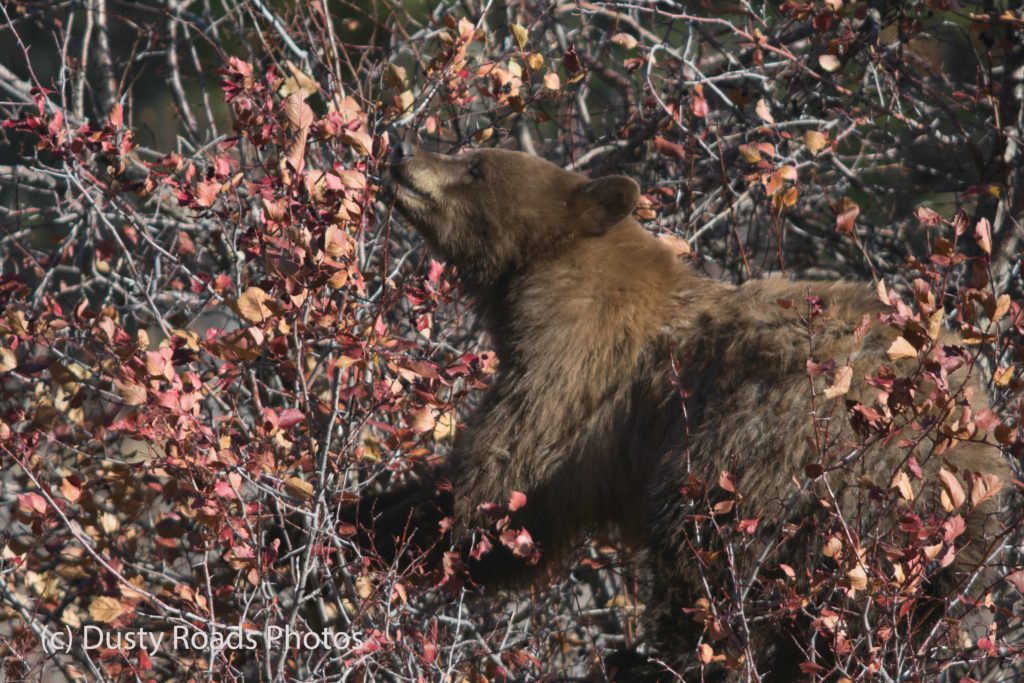
I first heard about Wolf Hollow a few years ago when I was on a photography quest for wild animals. I’d photographed deer, bear, moose, and of course the little guys — chipmunks and squirrels. In Wyoming I added pronghorn and bison to my collection. South Dakota gave me those adorable prairie dogs.


After much chasing and tracking, I stumbled onto the elk migration (again in Wyoming) and got one of my favorite photos.

A pair of Bull elk


But I never even spotted a wolf. While in Yellowstone, I always seemed to be one day behind the pack.

The New Jersey Detour That Never Happened

Eventually I heard about Lakota Wolf Sanctuary in New Jersey of all places and started planning an overnight trip: drive down one day, take a photography tour the next, then drive back to Boston.

It never happened. Severe winter storms shut down the sanctuary, and after several attempts the trip got pushed to the back burner — where it stayed.

Discovering Wolf Hollow in My Own Backyard

Then someone told me about Wolf Hollow — a sanctuary right in my own backyard! I actually drove up there once and found it, but they were closed. Always do your homework — check times and days so you aren’t disappointed.

Then life got busy, COVID hit, and I just never made it back.

Time to Try Again

Now feels like the right time to look into it again. This is how my trips and explorations usually start: slowly, with a spark of curiosity, and sometimes they take forever to get off the ground… but eventually, I get there.

I’ll keep you posted on the progress — if any — on this adventure.

Affiliate links are included in this post. If you make a purchase through them, I may earn a small commission. Thank you for helping keep my adventures (and this blog!) going strong.


A Wee Mallard in the Tartan Army

Meanwhile in the heart of the Boston Public Garden, Mrs. Mallard becomes  The Tartan Army’s newest recruit! Jack, Kack, Lack, Mack, Nack, Ouack, Pack and Quack join the festivities.


Even Mrs. Mallard and her brood have joined the Scottish takeover of Boston. Honestly, could it be any other way?

Bronze Mrs. Mallard statue in the Public Garden wearing a traffic cone during the Scottish festivities.

In True Scottish Fashion Mrs. Mallard Donned a cone!

But don’t look now — the Tartan Army has a new recruit. Mrs. Mallard heard the bagpipes and said, ‘Aye, I’m in.’