🎉 Happy New Year from Around Dusty Roads!


Stepping Into 2026 With a Fresh Start

Happy New Year! January 1st is basically the world’s biggest “Let’s try that again,” and honestly, I love that energy. A brand‑new year feels like stepping onto a blank page—full of possibility, potential, and maybe even a few delightful surprises waiting in the margins. I hope everyone is kicking off 2026 with big dreams, bold ideas, and a little spark of excitement for what’s ahead.

A New Creative Chapter Begins

If you read my New Year’s Eve post, you might remember I hinted that something new was brewing behind the scenes. Well, today is the big reveal! Don’t worry—Welcoming Haven is still going strong. But over the past year, I’ve realized something important: I get so much more joy from writing blog posts, creating recipes, and sharing cozy content than I do from checking inventory every morning.

So instead of expanding Welcoming Haven in the traditional way, I decided to follow the path that felt more creative, more fun, and honestly, more me.

Introducing… Printable by Deborah!

Originally, I planned to create a Welcoming Haven spin‑off, but every name I loved was already taken. After a few rounds of brainstorming (and maybe a few eye rolls at the universe), I decided this new project deserved its own identity while still staying connected to Welcoming Haven.

And so, Printable by Deborah was born—a brand‑new Etsy shop filled with cozy, helpful, beautifully designed printables. You’ll still find it linked on my Welcoming Haven site, but it now has its own cheerful little home on Etsy:

👉 printablebydeborah.etsy.com

Meet the Mascot (Banner Steps Into the Spotlight)

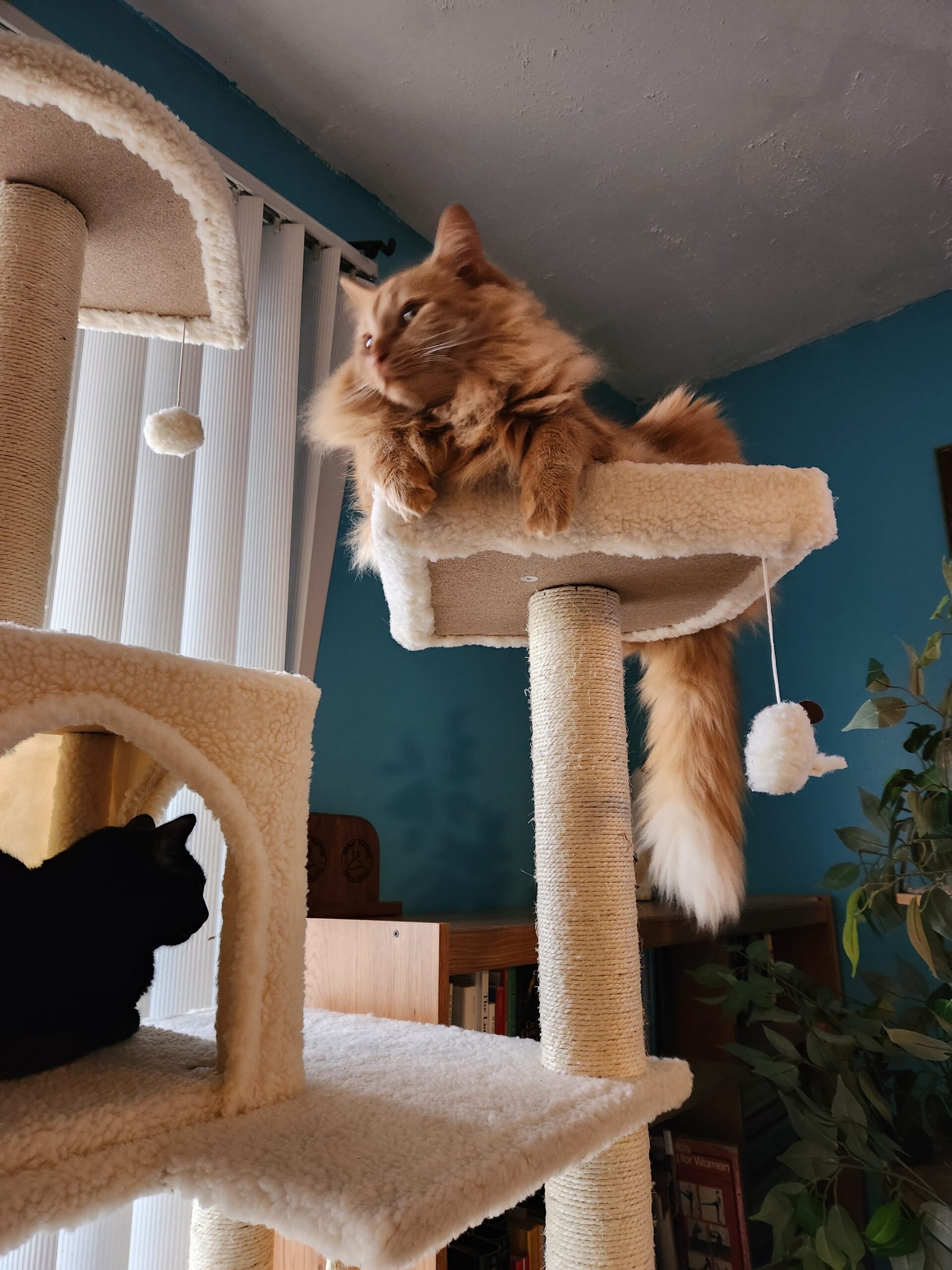
Every creative shop needs a mascot, right? Since this project leans heavily into color and design, I chose Banner to represent the brand. Balboa will absolutely get his moment another day—this was purely a color‑palette decision, not favoritism. (He has been assured.) Check  out my Etsy Shop logo with Banner’s paw print of approval.
We’re Open for Business!

I’m thrilled to share that the shop is officially live! A handful of printables are already uploaded, and more are on the way. It feels like the perfect way to start the year—fresh, fun, and full of creative possibility.

Here’s to new beginnings, blank pages, and a wonderfully cozy 2026. Let the adventure begin!

Happy New Year’s Eve


December 31 – New Year’s Eve

Happy New Year, everyone! So tell me—who’s heading out to a midnight celebration? Who’s planning to watch the ball drop on TV? And who, like me, will be blissfully asleep long before the confetti even thinks about falling?

I’m sorry, folks, but New Year’s Eve is, in my humble opinion, one of the most overrated holidays on the calendar. The best part—if you’re still working—is that most of you get January 1st off. The worst part is that if you did go to one of those “midnight celebrations,” you’ll probably spend the next day bonding with aspirin, ice packs, and the couch. No wonder Chinese restaurants do such booming business. Who has the energy to cook after all that?

And then there are the resolutions. I’m sure there will be plenty of “I resolve never to drink tequila again” declarations floating around. But honestly—does anyone still make resolutions? Maybe we’ve evolved. Maybe they’re goals now. Or better yet… 2026 Challenges. I like that one. We’re competitive people, right? Let’s make it fun.


Challenge #1: Lose Another 20 Pounds

In 2025, I lost 20 pounds. Actually a little more, but since I’m in that plateau stage where the scale bounces around like it’s on a trampoline, we’ll just call it 20. So Challenge #1 is simple: do it again. Another 20 pounds in 2026. Slow and steady, no pressure, just progress.


Challenge #2: Grow Welcoming Haven

This one’s close to my heart. Welcoming Haven has been growing, shifting, and finding its rhythm. For 2026, the challenge is to keep building it and aim for a consistent $1,000 a month in revenue. Once we hit that, we can grow from there. One cozy step at a time.


Challenge #3: Launching PrintablesByDeborah on Etsy

Yes, I’m officially hopping onto the printable bandwagon! A brand‑new Etsy shop, a brand‑new adventure, and probably a brand‑new batch of lessons learned the hard way. Do you shop on Etsy? Swing by PrintablesByDeborah and see what I’m cooking up for 2026. It’s going to be fun, creative, and just chaotic enough to keep things interesting.


Challenge #4: Taming the Entrepreneurial Debt Monster

Let’s be honest—starting businesses is not cheap, no matter what “they” say. Especially when you’re learning as you go and making plenty of mistakes along the way. So Challenge #4 is to start paying down the debt I’ve collected during all this entrepreneurial exploring. Maybe I should write an e‑book about everything I’ve learned. At least then the mistakes would pay for themselves.


Whatever your plans are tonight—celebrating, snoozing, or ordering takeout—I hope your New Year’s Eve is exactly what you want it to be. Here’s to fresh starts, new challenges, and a 2026 filled with possibility. Cheers!


Colorado’s Big, Bold, and Slightly Baked Idea


A Wildlife Overpass for the Ages

A Mile‑High Solution to a Down‑to‑Earth Problem

Yo, wildlife lovers—gather ‘round. Did you know that Colorado, the state where the air is thin, the mountains are tall, and the recreational marijuana is… well, very recreational, is building one of the world’s largest wildlife overpasses? Yes indeed. Leave it to Colorado to say, “Hey, what if we just let the elk do their thing—safely—and vibe their way across the interstate?”

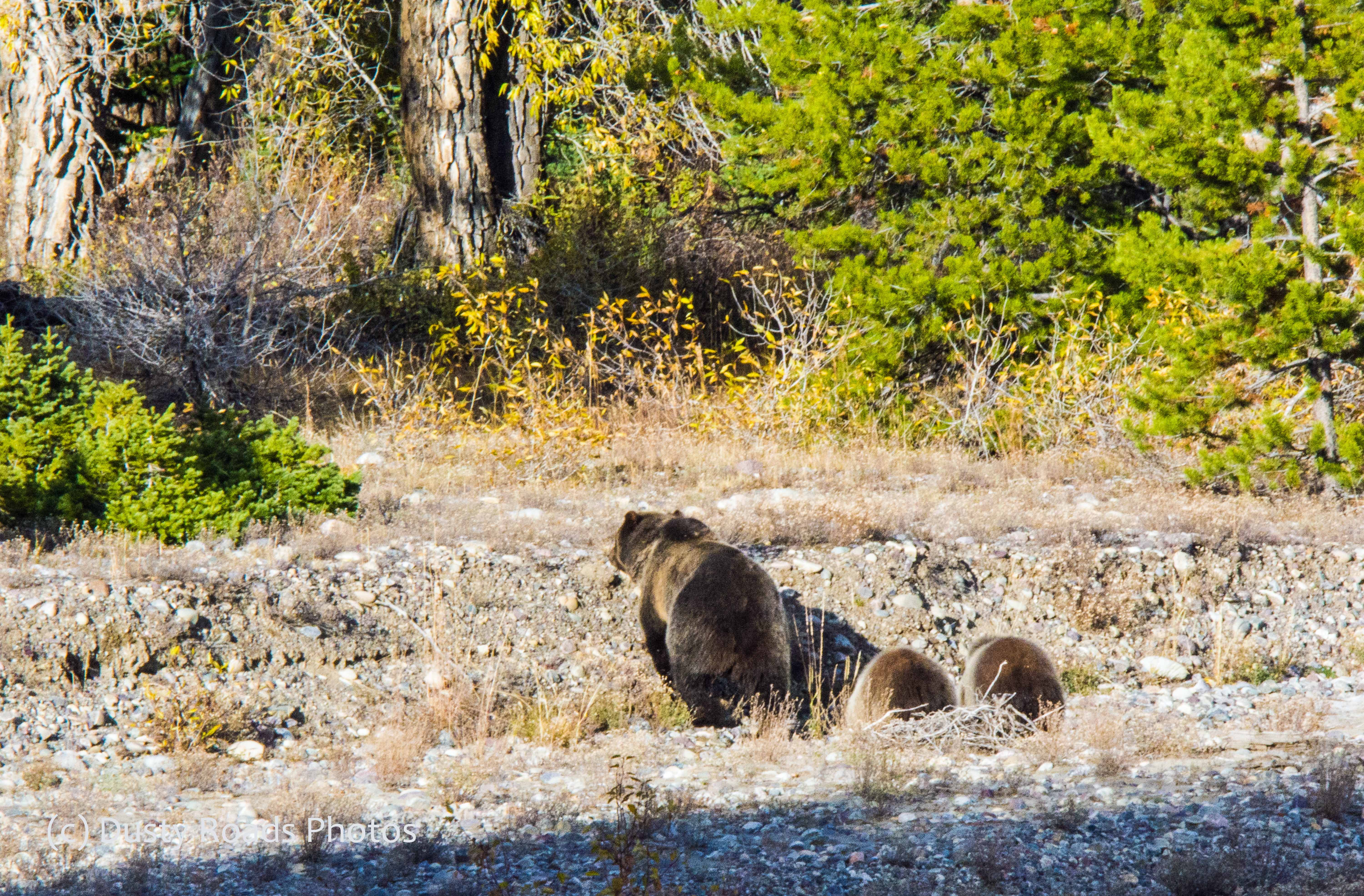
Mama and Cubs

Grizzly 399 and cubs -Wyoming Photo Credit Deb Neumann

I first heard about wildlife crossings in Canada, where they’ve been quietly helping critters avoid becoming roadkill for years. Sometimes it’s a tunnel under a highway; sometimes it’s a lush, green overpass that looks like a national park decided to take a nap on top of a bridge. Either way, the goal is simple: stop the heartbreaking (and frankly messy) carnage we see on roads every year. From squashed squirrels to majestic elk and even bears—vehicle collisions take a toll. Grizzly 399 in Wyoming, a beloved icon, was tragically killed by a vehicle accident. These crossings matter.

The Biggest, Boldest Overpass Yet

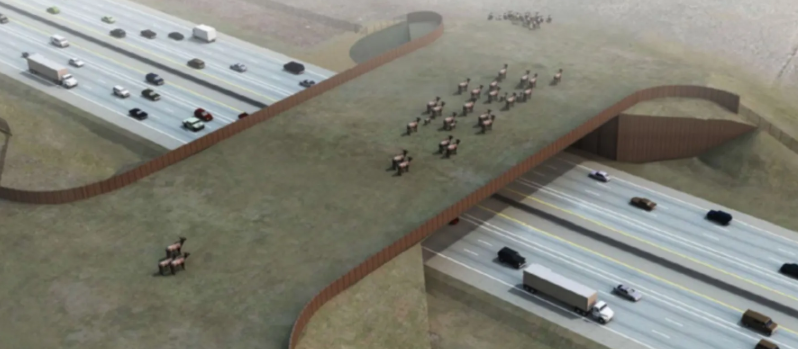
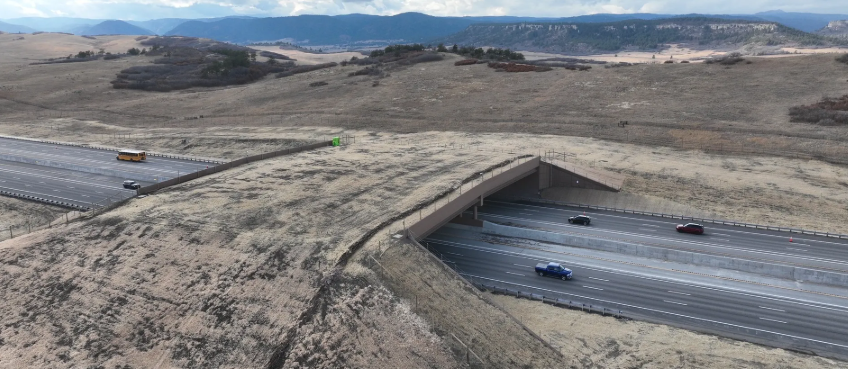
Colorado’s new wildlife overpass is being built across I‑25 near the Greenland interchange between Larkspur and Monument. And this isn’t just any overpass—this will be the world’s largest wildlife structure over a major roadway. Leave it to Colorado to go big or go home. Maybe it’s the altitude. Maybe it’s the edibles. Who’s to say.

This massive structure will span six full lanes of interstate traffic. Imagine elk strolling over rush hour like they’re on a scenic hiking trail while commuters below sip coffee and wonder why they didn’t choose a simpler life in the woods.

Why Overpasses Work (Especially for the Big Guys)

Before this system began construction, this stretch of I‑25 saw an average of one wildlife‑vehicle crash per day. One. Every. Day. The new crossing system—overpass plus underpasses—is expected to reduce those crashes by up to 90%.

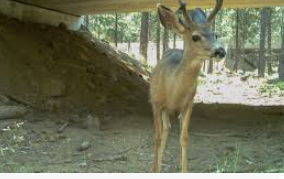
Smaller animals tend to use the tunnels, but elk and other large game? They’re not fans of enclosed spaces. Tunnels don’t accommodate their antlers, their line of sight, or their general “I need room to strut” energy. Overpasses, with open views and natural vegetation, are their preferred runway.

A Win for Wildlife and Drivers Alike

This project is a reminder that conservation doesn’t always require grand speeches or sweeping legislation. Sometimes it’s as simple—and brilliant—as giving animals a safe path home. Colorado’s leading the way, and honestly, I hope more states follow suit.

After all, if we can build bridges for people, why not build them for the creatures who were here long before the interstates arrived?


When Protections Shift


The ESA in a Changing Political Landscape

The Endangered Species Act has shaped wildlife conservation for more than fifty years, and today it faces one of its most challenging chapters. Policies continue to shift, and new proposals keep emerging, which pushes the ESA into a period of rapid change. As a result, many scientists, advocates, and nature‑loving communities are watching closely. They want to understand how these decisions will influence the species and landscapes we rely on. Because of this growing uncertainty, it’s more important than ever to look at what’s changing—and why it matters.


A Law Still Standing — But Applied Differently

The ESA still exists as federal law, and lawmakers have not repealed it. However, the current administration continues to introduce regulatory changes that alter how the law works in practice. These revisions reshape how agencies evaluate species, designate habitat, and weigh economic impacts.

For example, the administration now:

  • Considers economic factors when reviewing species for protection
  • Limits the definition of “critical habitat”
  • Makes delisting easier
  • Removes automatic protections for newly listed threatened species

Because these changes shift the law’s practical impact, conservation groups argue that the ESA no longer functions with the same strength it once had. Meanwhile, industries that rely on land use and development often support these revisions because they reduce regulatory barriers.


Why These Changes Matter for Wildlife

Wildlife depends on timely, science‑based decisions, and even small delays can create long‑term consequences. When agencies slow the listing process or narrow habitat protections, vulnerable species lose the support they need to recover.

For instance:

  • North Atlantic right whales face increasing threats from ship strikes and entanglement
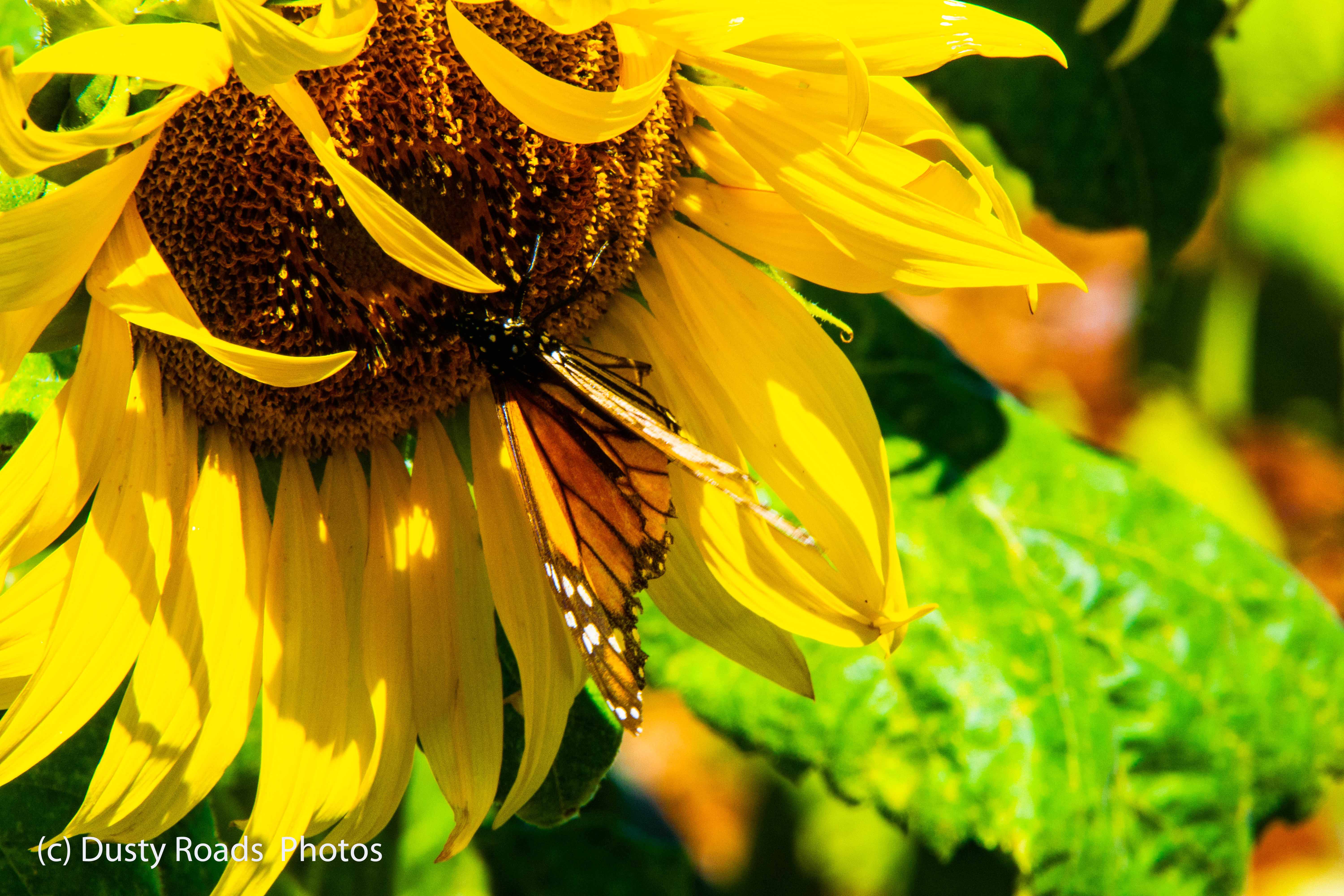
  • Monarch butterflies continue to decline as milkweed disappears
  • Wolverines struggle as warming temperatures reduce snowpack
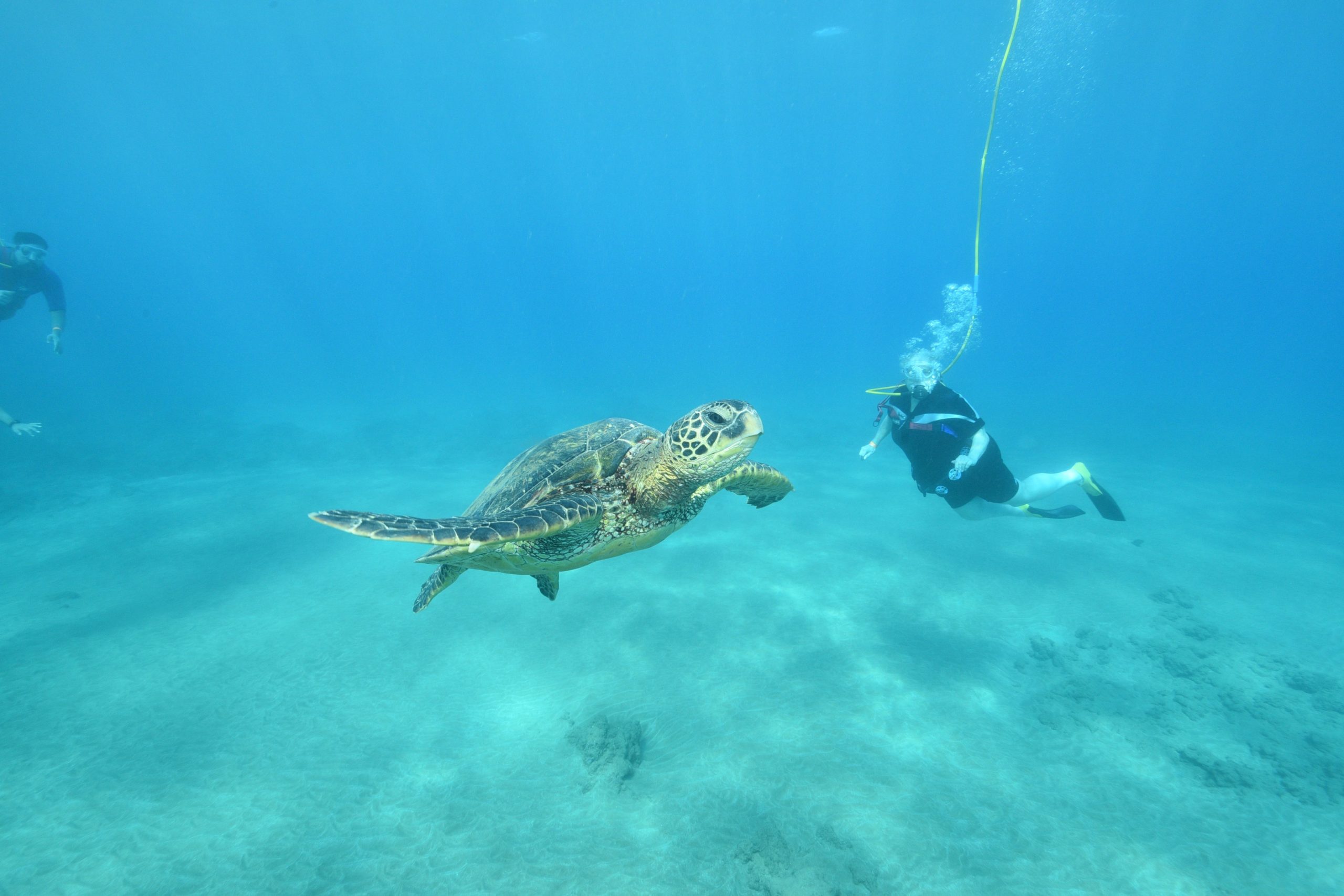
  • Sea turtles rely on protected nesting beaches that development can easily disrupt

Furthermore, weakened protections can ripple through entire ecosystems. When one species declines, others often follow, which ultimately affects the health of forests, coastlines, and waterways.


The Human Side of Conservation

These policy changes also influence the communities that share space with wildlife. Because the ESA guides how we manage land, water, and development, any shift in its application affects people as well.

Across New England and beyond, these changes may:

  • Alter land‑use planning
  • Influence environmental review processes
  • Affect tourism and outdoor recreation
  • Create uncertainty for conservation groups and local governments

Consequently, the ESA plays a larger role in daily life than many people realize. It shapes the balance between human activity and the natural world, and that balance directly affects our quality of life.


A Crossroads for Conservation

Right now, the ESA stands at a crossroads. The decisions made today will influence wildlife protection for decades. Because these proposals continue to evolve, the story is far from over. Conservationists, lawmakers, and communities across the country are watching closely, and many of them are preparing for long debates about the future of the law.


Staying Engaged as the Story Unfolds

We’re tracking these developments as they happen, and each new proposal adds another layer to the conversation. I’ll continue following the changes and explaining what they mean for wildlife, habitats, and the communities that depend on them. Stay with me as this story moves forward—every decision made now will shape the natural world we pass on to the next generation.

Sunflower and butterfly 2018

The Day Nixon Protected the Wild


How December 28 Changed Our Natural World

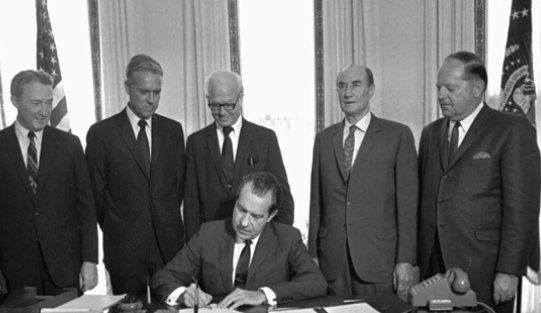
Every so often, history hands us a moment that reshapes the way we care for the planet. December 28, 1973, was one of those days. On that winter afternoon, President Richard Nixon signed the Endangered Species Act (ESA) into law—an act that would become one of the strongest environmental protections in the world. And yes, it came from a president whose legacy is… complicated.

A Notorious Presidency: Why Nixon’s Name Still Echoes

Richard Nixon remains one of the most talked‑about presidents in American history. His administration was marked by the Watergate scandal, a political crisis that led to investigations, resignations, and ultimately his own resignation from office. The phrase “I am not a crook,” which he famously said in response to allegations, became a cultural shorthand for political scandal and mistrust.

Yet even amid controversy, Nixon’s presidency produced a surprising wave of environmental action. Under his administration, the Environmental Protection Agency (EPA) was created, and several landmark environmental laws—including the ESA—were signed. History is rarely tidy, and Nixon’s environmental legacy is a reminder of that.

What Exactly Is the Endangered Species Act?

The Endangered Species Act was designed to protect plants and animals at risk of extinction. It does three major things:

  • Identifies species that are endangered or threatened
  • Protects their habitats, preventing destruction or harmful development
  • Creates recovery plans to help species rebound

It’s not just a list—it’s a commitment. The ESA requires federal agencies to consider the impact of their actions on vulnerable species, making it one of the most powerful conservation tools ever created.

How the ESA Shapes Our World Today

The effects of the ESA ripple far beyond the forests and oceans. It influences how we build, farm, fish, and even how we plan communities. More importantly, it has helped pull dozens of species back from the brink, including:

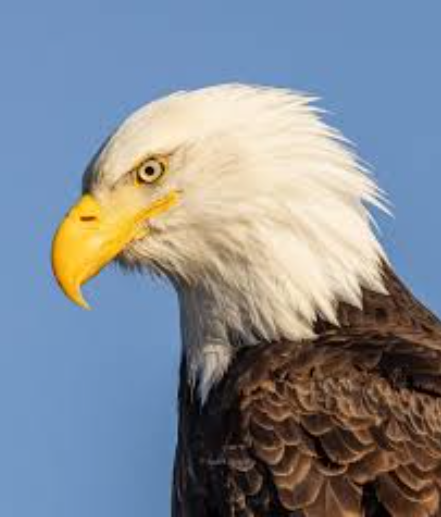
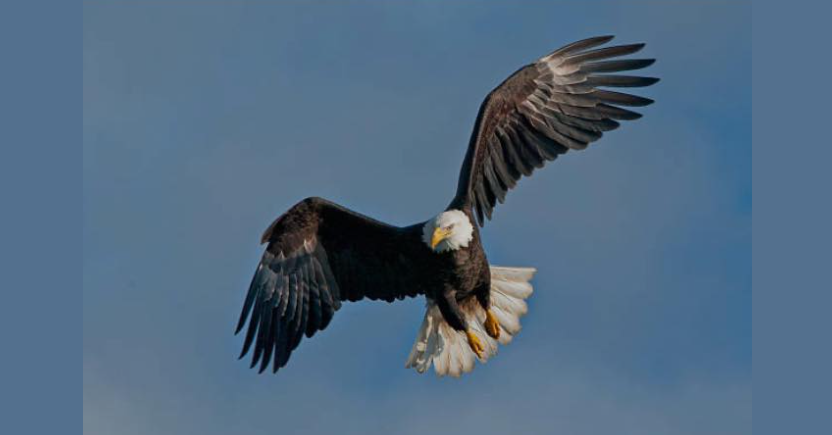
  • The bald eagle
  • The American alligator
  • The peregrine falcon
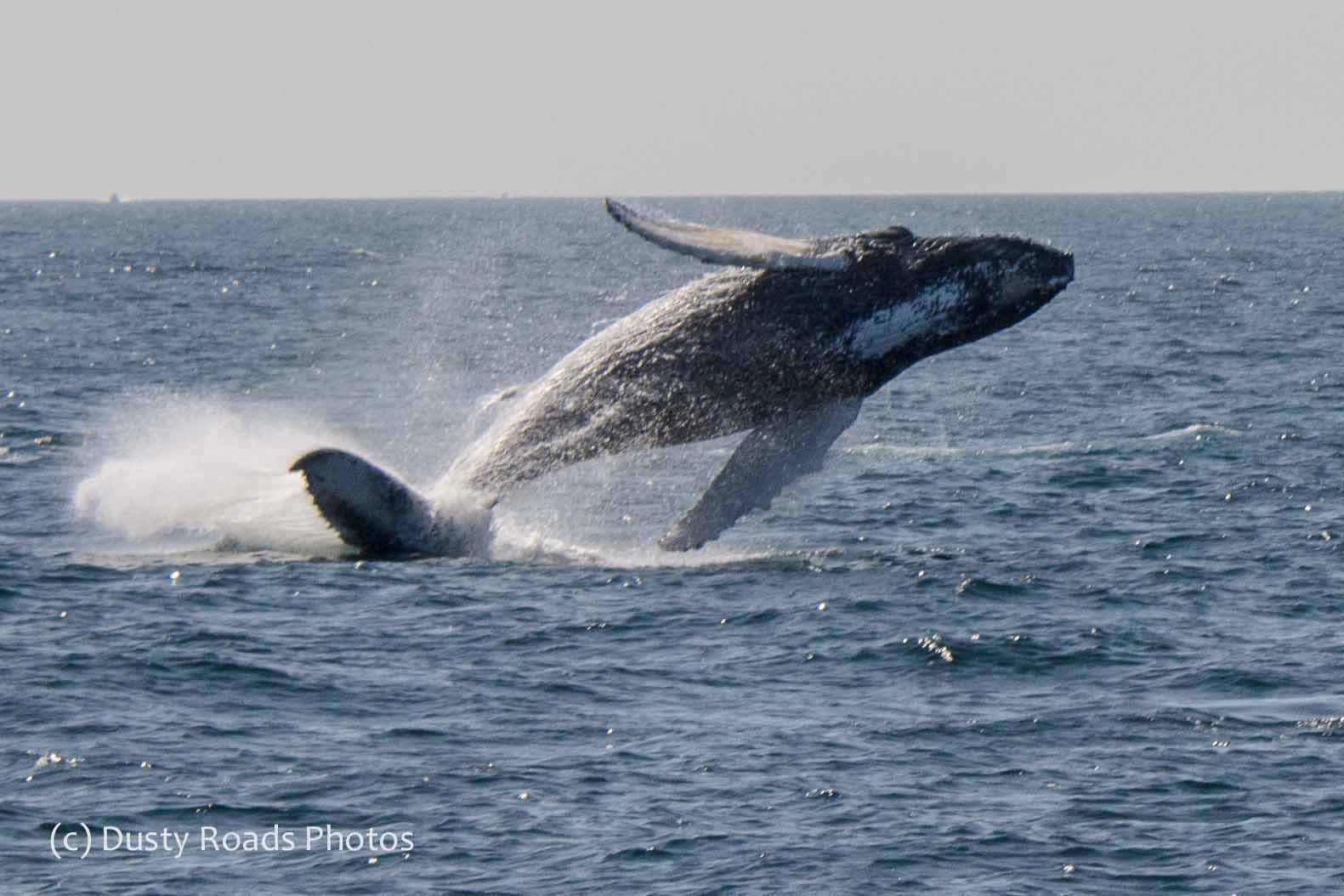
  • The humpback whale *

Breaching Whale

These aren’t just animals—they’re symbols of resilience.

For us, the ESA protects biodiversity, which in turn supports healthy ecosystems. Those ecosystems give us clean water, stable soil, pollinators for our crops, and the natural beauty that inspires so much of our storytelling here on Around Dusty Roads.

Why This Moment Still Matters

In a world where climate change and habitat loss continue to threaten wildlife, the ESA stands as a reminder that policy can be a force for good. Nixon’s signature on that December day helped safeguard the natural heritage we pass on to future generations.

It’s a story of contradiction, hope, and the unexpected ways history shapes our world. And it’s a reminder that even in turbulent times, meaningful progress can take root.

Closing Thoughts

Today, the Endangered Species Act still stands as one of the most powerful conservation tools we have—but it’s not without new challenges. The current administration has proposed regulatory changes that many scientists and environmental groups warn could weaken key protections the ESA has relied on for decades. As these debates unfold, the future of wildlife conservation hangs in the balance. In our next post, we’ll take a closer look at the specific efforts underway to revise or roll back parts of the ESA, and what those changes could mean for the species that depend on it.

PS*: We need More Success Stories Like this