Massachusetts. First in Ideas, First in Innovation


Massachusetts Wasn’t First… Until It Decided to Be First in Everything

Jamestown may have gotten the early bragging rights in 1607, and the Pilgrims didn’t step onto Plymouth soil until 1620 — and then, just ten years later, Boston was founded in 1630. And once Massachusetts finally entered the race, we behaved exactly like Golden Tempo: lally‑gagging along at the rear of the pack for a while, just taking our sweet time… and then in the home stretch, POW. Look out world, here we come.

Some places take centuries to build a legacy.
Massachusetts took about five minutes.

And once we hit our stride? We didn’t just join the party — we started inventing half the things in the room.


🌳 1634 — Boston Common: First Public Park AND First Botanical Garden

People remember the “first public park” part.
Almost nobody remembers the “first botanical garden” part.
And here’s the kicker: the botanical garden portion sits on reclaimed marshland — Boston literally reshaped the landscape so people could stroll among curated plantings. We were cultivating beauty before most cities even had sidewalks.


💡 1716 — Boston Light: First Lighthouse in the United States

Before America had a country, Boston was already lighting the way. Built on Little Brewster Island, Boston Light guided ships into the harbor starting in 1716.

And when the British evacuated Boston in 1776, they didn’t leave quietly. They blew up the original lighthouse on their way out — a dramatic “if we can’t have it, no one can” exit.

In true Massachusetts fashion, we rebuilt it.
Stronger. Taller. Ready for another few centuries of service.
Boston Light. Still Standing, Still shining

Boston Light on Little Brewster Island


🔫 1775 — Lexington & Concord: The Shot Heard ’Round the World

And then came the big one — the first that changed everything. On April 19, 1775, in the quiet towns of Lexington and Concord, Massachusetts fired the shot heard ’round the world and officially kicked off the American Revolution.

The first battles.
The first resistance.
The first spark of a brand‑new nation.

Massachusetts didn’t just make history — we started it.


🍫 1765 — First Chocolate Factory… and the Cookies That Came Later

Long before Hershey dreamed up a chocolate bar, Dorchester was grinding cacao and running the first chocolate factory in America. Massachusetts was sipping hot chocolate while the rest of the colonies were still figuring out how to boil water.

And many years later, just down the road in Whitman, Ruth Wakefield would bake the very first Toll House cookies — the chocolate chip cookie that changed dessert forever.

Hot chocolate and fresh‑baked cookies.
Massachusetts really understood the assignment.


🏖 1896 — Revere Beach: First Public Beach in the U.S.

Revere Beach wasn’t just a place to swim — it was a radical idea: the shoreline should belong to everyone. America’s first public beach, right here in Massachusetts, proving once again that we don’t just make history… we make it accessible.

A detailed sand sculpture of the U.S.S. Constitution on Revere Beach, surrounded by carved crates and barrels, with beachgoers and the ocean in the background.


🚇 1897 — The Tremont Street Subway: First Subway in America

Boston didn’t just build a subway — it built the first subway in the United States. The Tremont Street Subway opened in 1897, whisking commuters underground while other cities were still arguing about horse‑drawn traffic.
Boston Transit-First in the Nation, Last to Arrive


🪒 1901 — Gillette’s Disposable Razor: A Shaving Revolution

King Camp Gillette wasn’t born a mogul — he was a traveling salesman with more ideas than money, always tinkering, always trying to solve everyday annoyances. One boss once suggested he invent something people would need to replace often — the kind of product that keeps customers coming back.

Gillette took that seed of an idea and turned it into a whole new way of shaving. Instead of sharpening the same blade forever, he imagined a razor with thin, inexpensive blades you could swap out and toss. Safe, simple, and endlessly replaceable.

It was the birth of the disposable razor — and honestly, the birth of the “use it, replace it, repeat” model long before today’s built‑in obsolescence became standard in everything from appliances to earbuds.

Gillette didn’t just change grooming.
He changed how America buys things.


📸 1948 — First Polaroid Camera Sold in Boston

Edwin Land unveiled his instant camera at Jordan Marsh, and when the photo developed right in people’s hands, the crowd gasped. Boston didn’t just witness the moment — it was the moment.


☕ 1950 — First Dunkin’

Our Dunkin’ addiction officially began in Quincy in 1950, when the very first shop opened its doors. Back then it was called Open Kettle, but the idea was the same: coffee, donuts, and a way of life.
Is it any wonder America runs on Dunkin.


And that’s the thing about Massachusetts…

We may not have been the first to arrive, but once we got moving, we became first in everything that mattered — from chocolate to coffee to beaches to botany to photography to shaving your face without slicing it open… and yes, even the Revolution.

We weren’t early.
We were excellent.


A Heartfelt Thank You to My Readers and Supporters


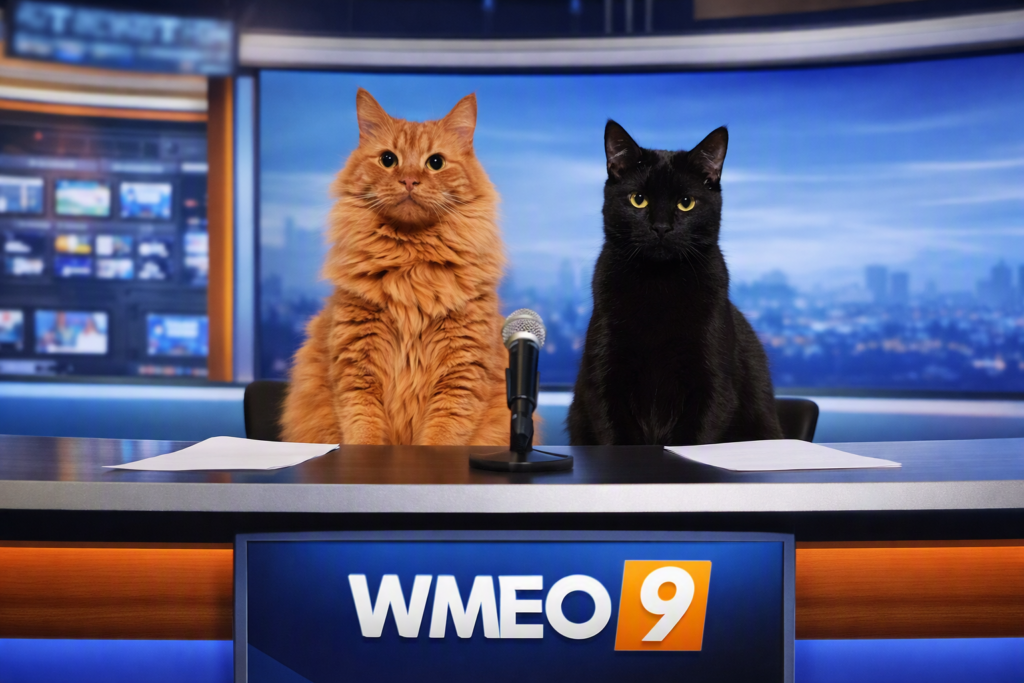
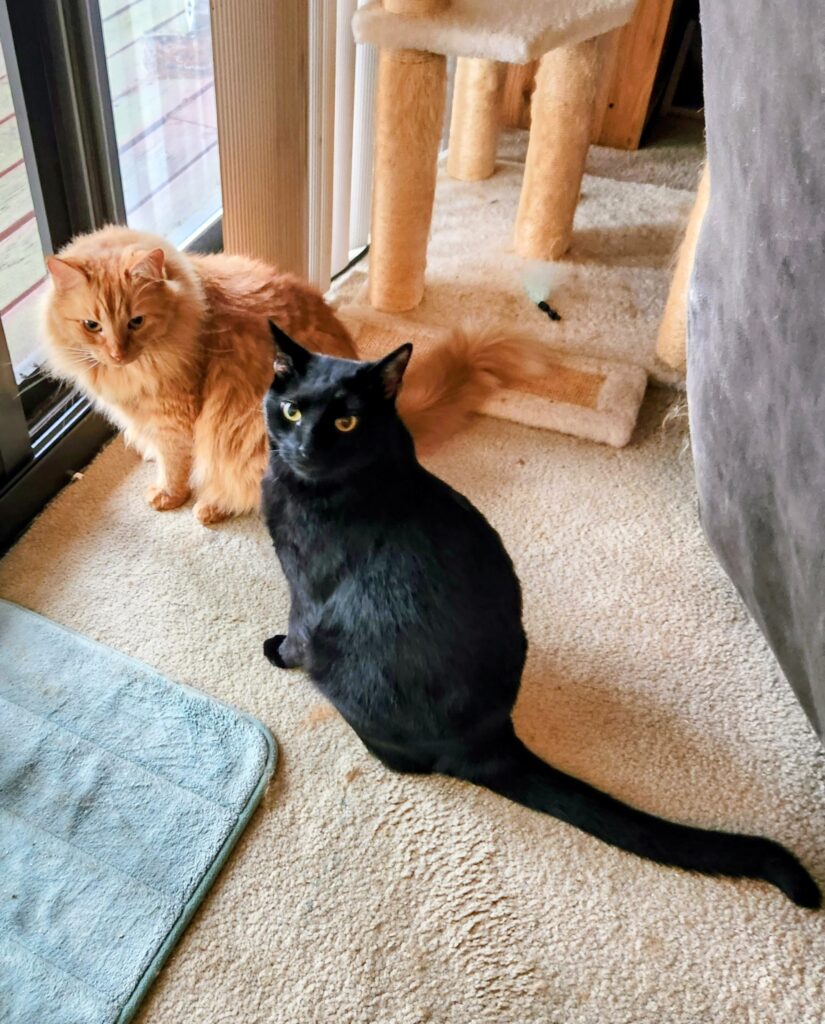
“A black cat and an orange cat perched side‑by‑side on their cat tree, looking like unlikely but perfect partners in crime.”

Getting closer

Why Your Support Matters More Than You Know

I wanted to take a moment to thank you — my readers, followers, friends, and family — for your continued support. Without you, this blog would be little more than a personal diary. With you, I get to travel the world from my desktop and share the journey.

When I was on the reader side of things, I never realized how much creators, podcasters, and bloggers rely on their followers. Your interactions help with rankings, visibility, and growth. For many creators, that growth is their livelihood.

I only dabble in monetizing at this point, so I’m not dependent on it — but I’d be lying if I said I don’t check my performance stats first thing every morning. I set goals for views and visitors, and every “Like” is a little celebration. Comments? Those absolutely make my day. When I hear from you, I know I’ve hit the mark.

I wanted to give you a peek into the world we bloggers and creators live in, and to tell you how much it means to have you here with me.

Thank you for stopping by.
Thank you for taking the time to read my blather.
Thank you for sharing my posts with your friends and family.

Banner, Balboa, and I appreciate it more than you know.

RIP Old Major

Old Major, the ancient Sherwood Forest oak, standing leafless with metal supports holding up its massive, hollowed branches against a cloudy sky


🌳 Saying Goodbye to a Living Legend

It’s always sad when someone — or something — passes away. We humans understand that our time on this earth is finite. We lose loved ones, we lose pets, from the humble goldfish to the faithful dog or cat who leaves a hole in our hearts.

But how often do we stop and think about the other living things around us?
The ones that stand quietly, century after century, asking nothing from us except space and sunlight?

The trees.

Trees, Time, and Childhood Imagination

Trees are surprisingly long‑lived. When I was growing up, I had quite the imagination. I can still remember debating with my next‑door neighbor about whether fairies were real. Oh, how I wanted them to be — delicate little beings with shimmering wings, flitting among the flowers.

And that brings me back to the trees.

I always imagined the fairies living in the woods, tucked into the roots and branches. I wondered what stories the trees could tell if they could talk. The giant sequoias, for example, have been alive since the time of the dinosaurs. They’ve watched humanity grow and evolve — from four legs to two, from naked wanderers to suits, ties, and haute couture.

Which brings me to the subject of today’s post.

Who Was Old Major?

Old Major was an oak tree — a giant of a tree — estimated to be between 800 and 1,000 years old. He was a character in the Robin Hood legend, already ancient even in those stories. According to folklore, he sheltered Robin and his Merry Men inside his hollowed‑out trunk.

That’s what old oaks do. They grow and grow, and as they age, they begin to hollow out. Old Major was already entering his twilight years when Robin supposedly hid inside him. But he still had life left to give.

A Sentinel of Sherwood Forest

I don’t know how thick Sherwood Forest was in Robin’s time, but today Old Major stood alone — a massive sentinel in the clearing, drawing Robin Hood fans from around the world. He was the kind of tree you don’t just look at; you feel him.

Sadly, the old man of the forest has finally passed on.

The Final Spring

This spring, no leaves burst forth on any of his branches.
The horticulturists watched and waited, but no sap ran beneath the bark.
Old Major, the Robinhood Tree was dead. His long life had finally come to an end.

I don’t yet know what, if anything, is planned to memorialize Old Major. Sometimes new trees are grown from the acorns of the fallen, allowing another generation to begin. Perhaps that will be his legacy.

What Brought Him Down?

The usual things:

  • Age
  • Poor soil conditions
  • And the big one: climate change

Ancient trees like Old Major evolved in a stable climate. The rapid changes of the last 50 years have hit these elders hard — hotter summers, sudden storms, droughts, and unpredictable temperature swings.

Even giants have limits.

A Life That Spanned Centuries

No matter the cause, it’s still hard to say goodbye to something that began life in Medieval England. Old Major survived:

  • The Black Death
  • The Industrial Revolution
  • Two world wars
  • The rise and fall of countless monarchs

And along the way, he became a character in a legend.

Not many living things can claim that.

A Final Farewell

So we say goodbye to Old Major — not just a tree, but a witness to history, a keeper of stories, and a quiet companion to generations who walked beneath his branches. He stood through plagues and wars, through kings and commoners, through centuries of change that would have bewildered the world he was born into.

In the end, he reminds us that even the oldest giants must eventually rest. But what a legacy he leaves behind: a place in legend, a place in memory, and a reminder that the living world around us has its own tales to tell, if only we pause long enough to listen.


Colorado’s Wildlife Bridge Gets Its First Big Visitors

Update : Colorado, Greenland Wildlife Overpass

Remember that wildlife overpass Colorado finished earlier this year — the one I wrote about when it opened? Well, it just had its first major moment. A trail cam captured three elk using the bridge, strolling across like they’ve been doing it forever.

It’s exactly what biologists hoped for: large animals choosing the safe route instead of darting across I‑25. And honestly, seeing it actually work feels like a little win for both wildlife and drivers.

Two bull elk standing in a grassy field with trees behind them, representing the wildlife now using Colorado’s new overpass.”

I’ve linked back to my original post if you want the full backstory.

When the World Comes to Your Backyard


Flags of Japan, Australia, Scotland, Norway, Mexico, Canada, and the United States displayed side by side representing the international visitors at the World Cup.

Not Exactly a World Traveler

I’ve never been much of an international traveler. Not because I didn’t want to see the world, but because I always felt I should explore my own country first. So unless you count a white‑water rafting trip to Canada or that brief cruise to Cozumel and the ruins at Tulum, I’ve mostly stuck to that guideline. I’m certainly not a world traveler — even if my blog is.

Which is why the international energy of the World Cup landing right here in New England has been such an eye‑opener. I didn’t have to pack a suitcase or renew a passport. The world simply arrived on my doorstep, and suddenly I’m noticing cultural differences I might have completely missed if I were the one traveling abroad.

When you’re the visitor, you’re too busy adapting to take stock of what’s different. But here at home, with my familiar routines and my usual landmarks, the contrasts stand out in the best possible way.


The Japanese: Respect in Action

Take the Japanese fans. After their match, they quietly stayed behind to clean the bleachers — not their section, all the bleachers. No fuss, no announcement, just respect and responsibility in action.

And then there was the story of the Japanese visitors who tried to pay for the free chips and salsa at a Mexican restaurant. Cultural humility meeting American hospitality — and everyone smiling about it.


The Aussies: Joy at Full Volume

Then came the Aussies, chanting “Oi! Oi! Oi!” with the kind of joy that could power a small city. You could hear them before you saw them, and honestly, it was impossible not to grin.


The Scots: Music, Merriment, and… No Beer Left

The Scots have turned Boston into one big musical block party. Bagpipes on the T. Singing in the streets. And according to local bars, they’re drinking us under the table. Not metaphorically — literally running out of beer. It’s impressive in its own way.


The Norwegians: Vikings at Heart

And then there were the Norwegians, fully committed to the Viking theme. Instead of doing the wave, they sat down and did a full “row,” like they were powering a longship straight through the stadium.

I thought that was peak creativity until I saw a group of them sitting on an escalator doing the same rowing motion as they glided upward. I will never look at an escalator the same way again.


What’s Even More Remarkable

With all this energy — the singing, the chanting, the costumes, the beer, the bagpipes, the Viking rows — what’s struck me most is what hasn’t happened.

None of the riots or chaos that sometimes follow big sports wins here in the U.S. or in other stadiums around the world. For the most part, the world has come together here in fun and enjoyment. It’s been loud, joyful, and a little chaotic at times, but never destructive. Just people celebrating their teams, their cultures, and each other.


A Lesson for All of Us

All these little moments — the kindness, the enthusiasm, the humor, the pride — shine brighter because they’re happening right here in my everyday world. I didn’t have to travel internationally to see the beauty of other cultures. They brought it with them.

And honestly?
We Americans could learn something from all this.

Bring our enthusiasm and joy when we visit other countries.
But also clean up our messes.
Be respectful.
Smile more.

It’s the universal language.