Cast Iron Pan–Roasted Chicken Breasts


Another Cast Iron Skillet Recipe

I can’t believe I have another cast iron skillet recipe to share—and this one is so simple it’s almost laughable. Honestly, I don’t know why I never thought of it before.

Chicken is a staple in my house. It’s usually cheaper than beef and always easy to find. I keep chicken breasts or tenders wrapped and frozen so I can thaw them for a quick meal. Roast chicken, schnitzel, chicken and broccoli… the list goes on.

Recently I read a cooking article claiming that roasting chicken breasts in a cast iron pan gives you juicier, more tender results than using a baking dish. I’ll admit, I raised an eyebrow. But I do love my cast iron pans, so of course I had to try it. And I bet you know where this is going—the expert was right. Cleanup was a breeze, too.

They offered all kinds of variations, but for my test run I kept it simple. No cheese, no breadcrumbs—just a naked chicken breast with a little salt and pepper.


Cast Iron Pan–Roasted Chicken Breasts

Ingredients

  • 2 bone‑in chicken breasts (I only had boneless and they worked perfectly)
  • Salt and pepper
  • 1 tablespoon butter
  • 1 tablespoon oil

Instructions

  1. Preheat oven to 425°.
  2. Preheat your cast iron pan on the stovetop for a few minutes (a 10‑inch pan fits two breasts).
  3. Generously salt and pepper the skin side of the chicken breasts.
  4. Add butter and oil to the pan at the same time.
  5. When the butter and oil are melted and hot, place the chicken in the pan, skin side down.
  6. Let it sear for a few minutes.
  7. Season the other side with salt and pepper.
  8. Flip the chicken and let the second side sear for a minute or two.
  9. Transfer the pan to the oven and roast for 20–30 minutes, or until the chicken reaches an internal temperature of 165° (use an instant‑read thermometer).
  10. Let the chicken rest for 5 minutes before slicing.


I served mine over boil‑in‑bag rice cooked in water flavored with chicken broth. Add the sliced chicken, a squeeze of lemon juice, and voilà—a meal to remember. The chicken was juicy and flavorful, the salt and pepper formed a beautiful crust, and my well‑seasoned cast iron pan wiped clean without a fuss.

This one is definitely joining my dinner rotation.


Daylight Saving Time: The Time Change We Just Can’t Shake

It’s early March, which means two things in New England:

  1. We’re all pretending it’s spring even though the wind still bites.
  2. The annual Daylight Saving Time debate is warming up faster than the weather.

And because I can’t resist a good trivia rabbit hole, I stumbled across a Jeopardy clue that sums up our relationship with DST better than anything else:

Clue: To combat fuel shortages, Congress enacted this for almost 10 months in 1974, from January to October.
Category: “D” in American History
Value: $600

Yes — the answer is Daylight Saving Time.
We didn’t just “spring forward” that year. We practically launched ourselves into permanent daylight.


We Tried a Long-Term Relationship… It Didn’t Go Well

The idea wasn’t new. Allegedly, Benjamin Franklin pitched something similar to save candles. Germany used it during World War I to conserve fuel. And in 1974, during the energy crisis, Congress said, “Let’s try this full-time.”

Ten months later, after dark winter mornings and a nation full of cranky schoolkids, the experiment quietly ended. But the twice‑a‑year clock shuffle? That stuck around like a houseguest who never got the hint.


Every Year We Swear We’re Done With It

By now, the pattern is predictable.
Early March rolls in, and suddenly:

  • Congress floats a bill
  • Someone suggests permanent DST
  • Someone else suggests permanent Standard Time
  • Committees form
  • Studies are commissioned
  • We all complain
  • And nothing changes

It’s the legislative equivalent of “We should really get together sometime” — said with no intention of actually scheduling anything.


And Yet… Here We Are Again

Daylight Saving Time officially ends on the first Sunday in November, but the real cycle ends when we stop grumbling about it — which, let’s be honest, is never.

We tell ourselves it saves energy.
We tell ourselves it gives us more daylight.
We tell ourselves it’s tradition.

Mostly, we tell ourselves whatever gets us through that groggy Monday morning after the switch.


Countdown to the Clock Shuffle

So here we are, early March, inching toward the big weekend.
Coffee makers are bracing themselves.
Humans are sighing.
And the cats? Well…

Banner and Balboa are thrilled.

In their world, Daylight Saving Time is the greatest invention since the treat bag.

Breakfast arrives a whole hour earlier — a development they fully support and believe should be made permanent immediately.

If Congress ever needs motivation to finally pick a time and stick with it, they

should consult the feline lobby. Banner and Balboa have notes.


What About You?

Do you love the extra evening light, dread the clock change, or simply follow your pets’ lead and accept breakfast whenever it arrives?


My Brain Saw a Dance Troupe. What do you see?


The Water Lily Harvest of the Mekong Delta

When I first looked at this picture, my brain took a hard left turn. I thought I was seeing dancers in swirling grass skirts, caught mid‑spin in some kind of joyful festival. I wasn’t even close. Now that I know what’s actually happening, I can kind of see it — but if you’d left me to guess, I’d still be insisting it was a troupe of performers twirling in unison. I did manage to get two things right: they are dancers of a sort, and it is an aerial view. Everything else? Not so much.

What you’re really looking at is the annual water lily harvest in Vietnam’s Mekong Delta — a tradition as beautiful as it is practical.

A Seasonal Ritual in the Delta

Each year, when the southern Vietnamese rice fields flood between August and November, the waterways transform into vast gardens of long‑stemmed water lilies. These blooms — usually pink or white — rise to the surface in spectacular numbers, turning the flooded landscape into something that looks almost otherworldly. For generations, families in the region have relied on this seasonal abundance. The harvest isn’t just a job; it’s a cultural rhythm woven into the life of the Delta.

How the Harvest Works

At first glance, the workers look like they’re performing a choreographed dance, and honestly, the comparison isn’t far off. Wearing traditional conical hats, they wade waist‑deep through the water, gently pulling lilies from the shallows. The long stems are gathered into spiraling bundles — the “skirts” you see in the photo — and floated beside small wooden boats. The process is slow, careful, and surprisingly graceful. Every movement is deliberate, shaped by generations of practice and an intimate understanding of the waterways.

More Than Just a Pretty Flower

Water lilies hold a special place in Vietnamese culture. They’re used for decoration, of course, but they also show up in the kitchen. The stems add a crisp, slightly tangy note to local dishes, especially the region’s beloved sour soup. Nothing goes to waste. The harvest season also brings communities together. It’s a time when traditions are passed down, families work side by side, and the Delta’s way of life is celebrated. In recent years, the sight of the harvest — with its vivid colors and mesmerizing patterns — has drawn photographers and travelers from around the world.

Supporting Local Livelihoods

Beyond the beauty, the water lily harvest is an important source of income. The flowers and stems are sold in markets throughout the region, helping sustain families who depend on seasonal work. Tourism has added another layer of economic support, as visitors come to witness the harvest and explore the Delta’s unique landscape.

A Living Portrait of the Mekong Delta

The water lily harvest is one of those rare traditions that blends necessity, artistry, and cultural heritage. It’s a reminder of how closely the people of the Mekong Delta live with the rhythms of nature — and how something as simple as a flower can shape a community’s identity. If you ever find yourself in southern Vietnam during the early morning hours of harvest season, you’ll see the lilies at their most vibrant. And who knows — you might even catch yourself mistaking the workers for dancers too.


Photographing the Blizzard of 26


Snowstorm Photography & the Bag That Saved My Sanity

February gave us one last New England tantrum — a heavy, wet snowstorm that turned my street into a postcard. The world went quiet. The trees looked like they’d been dipped in powdered sugar. I grabbed my camera because I had to capture it before it melted.

Out I went, bundled up like the Michelin Woman and determined to get a few good shots before the plows arrived. This is where my VSGO Black Snipe Pro Camera Backpack proved its worth.

I’ve carried camera gear in everything over the years — tote bags, purses, and backpacks that were never meant for cameras. I always ended up digging around like I was searching for buried treasure. Not this time.

The snow was coming down sideways, and it was a relief to have everything in one place. Every lens, battery, SD card, and cleaning cloth had its own compartment. Everything stayed dry and easy to reach. I didn’t have to unzip five pockets or juggle gear in the cold. I could focus on the moment — the hush of the snowfall, the weight of the branches, and that soft storm‑light you only get in winter.

And yes, I got some beautiful shots. But the real star of the outing was the bag that kept me organized and sane.

If you’re a photographer — or even a “grab‑the‑camera‑and‑run” type like me — this bag is worth a look. It’s lightweight, durable, and built for people who want to enjoy the experience instead of wrestling with their gear.

👉 Here’s the link to the VSGO Black Snipe Pro Camera Backpack:
Camera Gear

I’ll add my snowstorm photos below so you can see what I captured before everything thawed. Days like this remind me why I love photography — and why having the right gear makes all the difference.


50 Places to Visit in the USA — Part 2 (Numbers 26–50)

Alright boys and girls, let’s wrap up the second half of the “50 Places to Visit in the USA That Must Be on Your Bucket List.”
So far: 11 visited, 14 still to go (maybe).
Let’s dive into Number 26!


26. Phoenix/Scottsdale, Arizona — Yes

I’ve flown into Phoenix many times and even had lunch in Scottsdale. I’m counting it, even if I was really on my way to Sedona.

27. Aspen, Colorado — No

Aspen is a glamorous ski resort where you dress to impress. I’m not a skier, and my winter fashion sense leans toward jeans and sweaters, so… maybe not my scene.

28. Disney World, Florida — Yes

Do I get bonus points for multiple visits?

Entering Disney

Don’t try this yourself. It’s illegal!

29. New Orleans, Louisiana — Yes

It’s a party every day — and probably a parade too.

Bayou Bridge , City Park, New Orleans

30. Palm Springs, California — No

Not even on my radar, but if you love modern architecture, the home tours are supposed to be stunning.

31. Cape Cod, Massachusetts — Yes

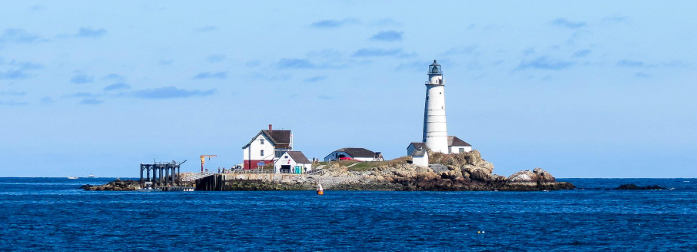
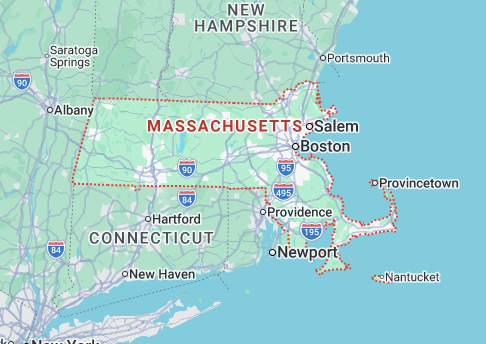
Of course! I’ve watched for whales off Race Point and visited more lighthouses than I can keep track of. Some say there are 14, others say 16. I keep losing count.

32. Alaska — Yes

From Sitka to Denali and plenty in between. Wildlife, whales, Native Alaskan culture — and don’t forget the glaciers.


33. Columbia River Gorge, Oregon — Not Yet

I want to photograph Multnomah Falls and experience the winter eagle gatherings. Hundreds of eagles in one place? Sign me up.

34. Denver, Colorado — Sort of

I flew in, but didn’t linger. Traffic was awful and the highways were under construction. It reminded me of Boston during the Big Dig years.

35. Mount Rushmore, South Dakota — Yes

A very impressive monument. I spent a wonderful day here.

36. Lancaster, Pennsylvania — No

The gateway to Amish Country, where time stands still. I think it would be fascinating.

37. Lake Tahoe, California — Yes

I drove around the lake — absolutely beautiful. Most of the trip was supporting my mom at a bowling tournament, so I also got to check out the bowling alley.

38. Savannah, Georgia — No

Said to be the most haunted city in America. From the photos, it’s certainly a gorgeous example of old Southern charm.

39. Louisville, Kentucky — No

I’ve always wanted to attend Derby Day at Churchill Downs — the most exciting two minutes in sports.

40. Newport, Rhode Island — Yes

The mansions are incredible. I attended the “Dead of Winter Ball,” a highlight of the social season, and once got very seasick watching the America’s Cup from a friend’s yacht. Ahh, those were the days.

41. Portland, Maine — Yes

I wandered the docks, watched lobster fishermen unload their catch, and visited the International Cryptozoology Museum — home to Bigfoot, the Loch Ness Monster, and other mysterious creatures.

42. Asheville, North Carolina — Sort of

I passed through on my way to Sapphire Valley for my waterfall vacation. Asheville sits in the Blue Ridge Mountains and has a big craft beer scene — plus the Biltmore Estate.

43. St. Augustine, Florida — Yes

The oldest city in the U.S., complete with a 17th‑century Spanish fort. A history lover’s dream. Maybe you can get a sip from the fountain of youth!

44. Detroit, Michigan — No

Even though I circled the airport for hours due to bad weather, we were diverted and never landed. So… no.

45. Seattle, Washington — Yes

Thanks to my stint with Redfin, I spent a week here. I visited the Space Needle, admired Mount Rainier, marveled at the Chihuly glassworks, and even sold a photo of Puget Sound to a bank for a mural. Good times.

46. San Antonio, Texas — Yes

Remember the Alamo! I also enjoyed the River Walk and toured the beautiful Spanish missions.

47. Charleston, South Carolina — Yes (I think)

My sister‑in‑law is from there, and I think that’s where she and my brother got married. I went to the wedding… but the details are a little fuzzy. Did I really have that much to drink…

48. Nashville, Tennessee — No

Redfin took the team one year, but I wasn’t cleared to travel — recovering from hip surgery. Later I vacationed in Gatlinburg and loved it, but Nashville remains unchecked.

49. Cape May, New Jersey — No

I even missed it when researching New Jersey for a possible vacation. Might need to reconsider.

50. Utah National Parks — No (but high on the list)

I want to visit all five: Zion, Arches, Canyonlands, Capitol Reef, and Bryce Canyon. When I finally go, I’m bringing a ton of SD cards and batteries for my camera.


Final Tally

For this set of 25, I scored 15 yeses.
Grand total: 26 out of 50 — just squeaked past the halfway mark.

So what’s your count — and did this spark any ideas for your next adventure?