The Year Pumpkin Pie Froze Over


🄧  Colchester’s Canceled Thanksgiving of 1705

ā„ļø A Cold Snap and a Sweet Shortage

In the crisp autumn of 1705, Colchester’s settlers faced a pie-lover’s nightmare. They had to postpone Thanksgiving—not for lack of turkey, but because they couldn’t make pumpkin pie. A sudden cold snap in October froze the Connecticut River solid. The frozen river cut off supply routes from Norwich and New London. Snow piled three feet deep. Icy winds howled. The town’s few families were stranded—no sugar, no molasses, no pie.

šŸ„„ Why Molasses Mattered

Molasses wasn’t just a pantry staple—it was the sweet soul of colonial cuisine. Imported from the West Indies, it was cheaper than sugar and essential for flavoring baked beans, brown bread, and most importantly, pumpkin pie. By 1705, pumpkin pie had already become a beloved Thanksgiving tradition, thanks to Native American influence and European adaptation. Without molasses, the settlers couldn’t sweeten their pies, and without pies, Thanksgiving just didn’t feel complete.

šŸ—“ļø A Feast Deferred

The townspeople originally scheduled the holiday for November 4, but they voted to postpone it. Records show that the townspeople agreed, ā€œour present circumstances being such that it cannot with convenience be attended on that day.ā€ The celebration was rescheduled for the second Thursday. It wasn’t just about food—it was about community, gratitude, and tradition. And in Colchester, pumpkin pie was tradition.

šŸ‚ A Slice of Colonial Quirk

Today, we might chuckle at the idea of rescheduling a holiday over dessert. But Colchester’s molasses crisis reminds us how deeply we weave foodĀ  into our rituals. It’s a tale of resilience, resourcefulness, and reverence for the humble pumpkin pie—a dessert so iconic, it once held an entire town’s Thanksgiving hostage.


It’s National Chaos Day

Celebrate National Chaos Day

For years that was my life – rush here, Put out a fire there. Now it centers on cat puke and zoomies. So what is Chaos? Let’s look a little closer shall we?


šŸŒ€ Chaos Theory and the Butterfly That Broke My Brain

Or: Why Your Cat Knocking Over a Vase Might Be a Meteorological Event

What Is Chaos Theory Anyway?

Chaos theory sounds like something invented by a sleep-deprived philosopher with a whiteboard and a vendetta against weather forecasts. But it’s actually a legit scientific field that studies how seemingly random systems—like weather, traffic, or your cat’s mood—are governed by underlying patterns.

It’s the science of unpredictability. The art of finding order in disorder. The reason your perfectly planned picnic gets rained out because a butterfly flapped its wings in Brazil. (More on that in a minute.)

Chaos Theory vs. The Butterfly Effect šŸ¦‹

Let’s clear this up: chaos theory is the big umbrella. The butterfly effect is one of its sparkly, winged children.

  • Chaos theory says that complex systems are sensitive to initial conditions. Tiny changes can lead to wildly different outcomes.
  • The butterfly effect is the poetic metaphor: a butterfly flaps its wings, and weeks later, a tornado hits Kansas. (Dorothy was not amused.)

In short: chaos theory is the science. The butterfly effect is the drama.

5 AMAZING FACTS ABOUT CHAOS THEORY

  • 🧩 There’s a pattern
    Chaos theory’s core belief: even the wildest messes have hidden patterns. Like your sock drawer. Or quantum physics.
  • 🌐 It’s interdisciplinary
    Chaos theory moonlights in math, biology, meteorology, philosophy, politics, and probably your last group project.
  • šŸ† It’s award-winning
    Edward Lorenz, chaos theory’s founding father, snagged a Kyoto Prize for his work. He also accidentally invented the butterfly effect while trying to predict the weather. Oops.
  • 🧠 It makes the complicated simple(r)
    Chaos theory helps scientists predict unpredictable systems. Like climate change. Or your cat’s 3 AM zoomies.
  • šŸ”¬ It’s widely used
    Chaos theory isn’t trending on TikTok, but it’s still a staple in scientific research. It’s just become so normal, it’s practically boring. Like gravity. Or coffee.

Final Thought: Embrace the Chaos

Next time your day spirals into a tornado of spilled coffee, missed buses, and mysterious glitter—just smile. You’re living proof that chaos theory works. Somewhere, a butterfly is laughing.


Paws, Purrs, and Powerballs

šŸ€Ā A Cozy Tale of Luck, Cats, and Dreaming Big

There’s something about autumn that makes dreaming feel easier.

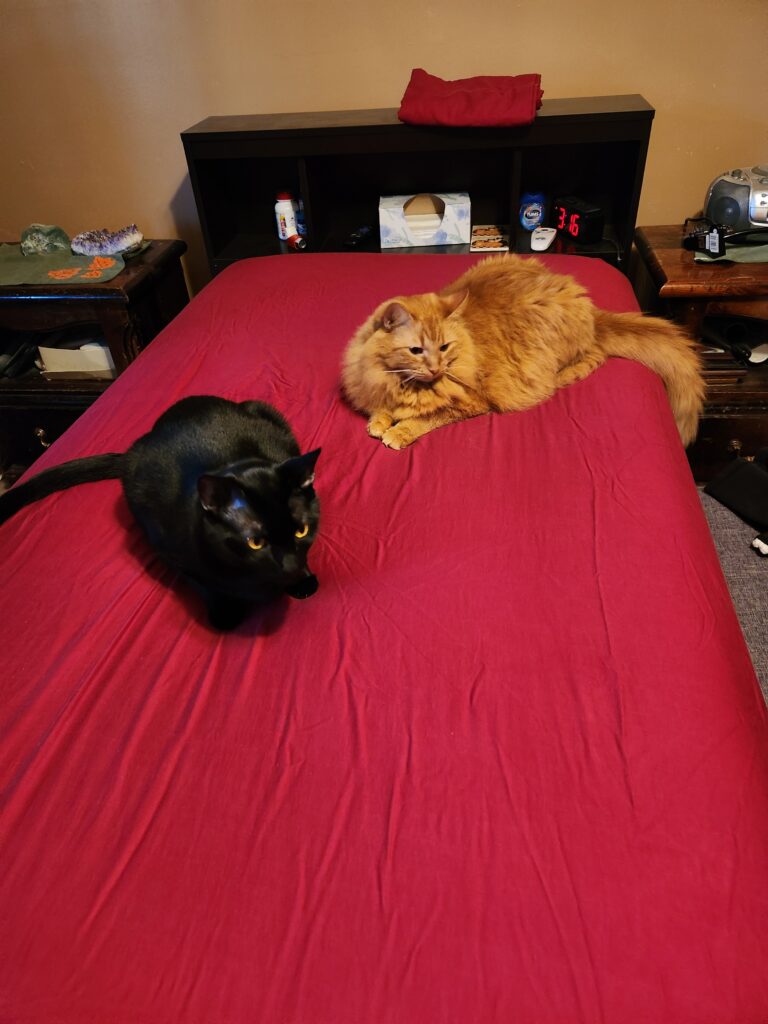
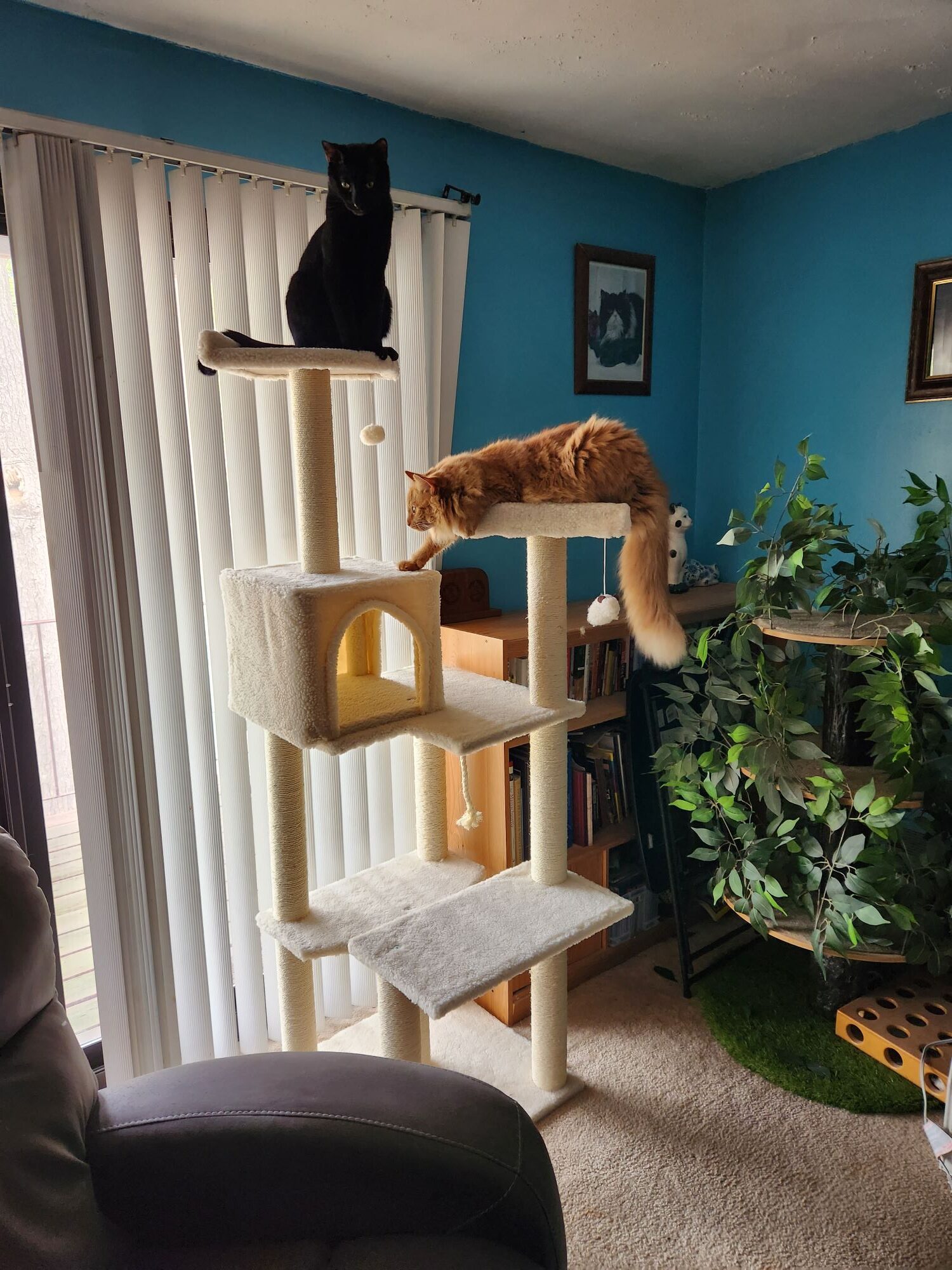
Maybe it’s the hush of early evenings, the rustle of leaves, or the way the world seems to slow down just enough for a little magic to slip through. As the days grow shorter and the nights stretch long, I find myself curled up with Banner and Balboa, sipping tea and wondering… what if?

What if this is the week I win the Mega Millions?

🐾 Feline Fortune-Tellers

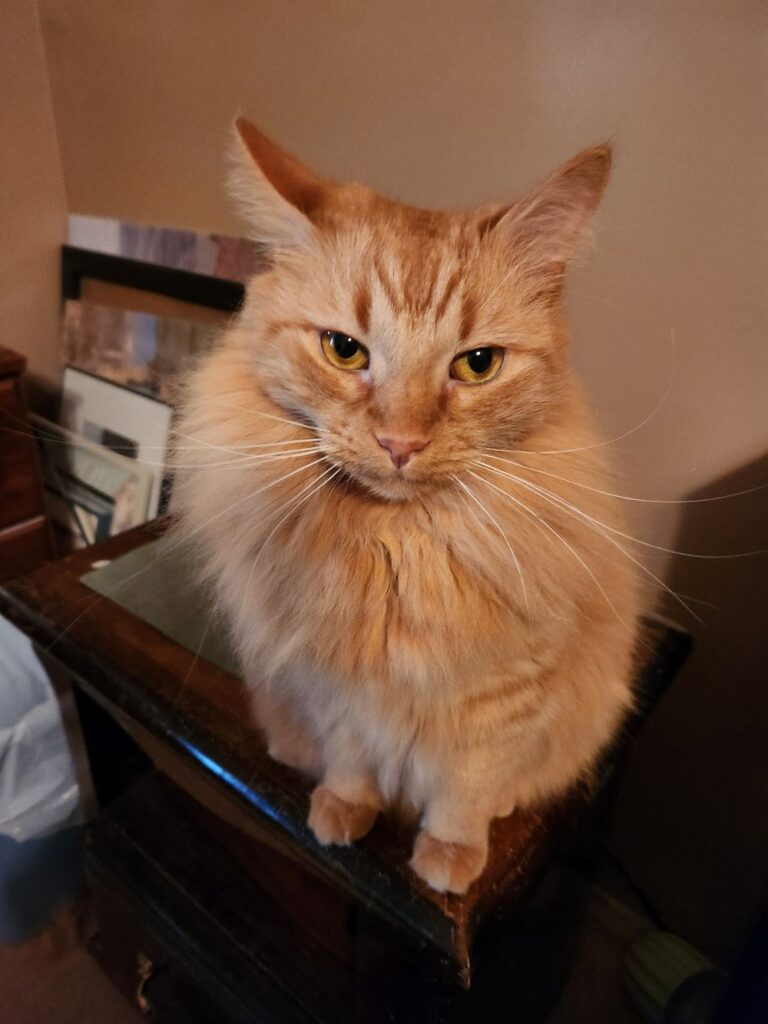
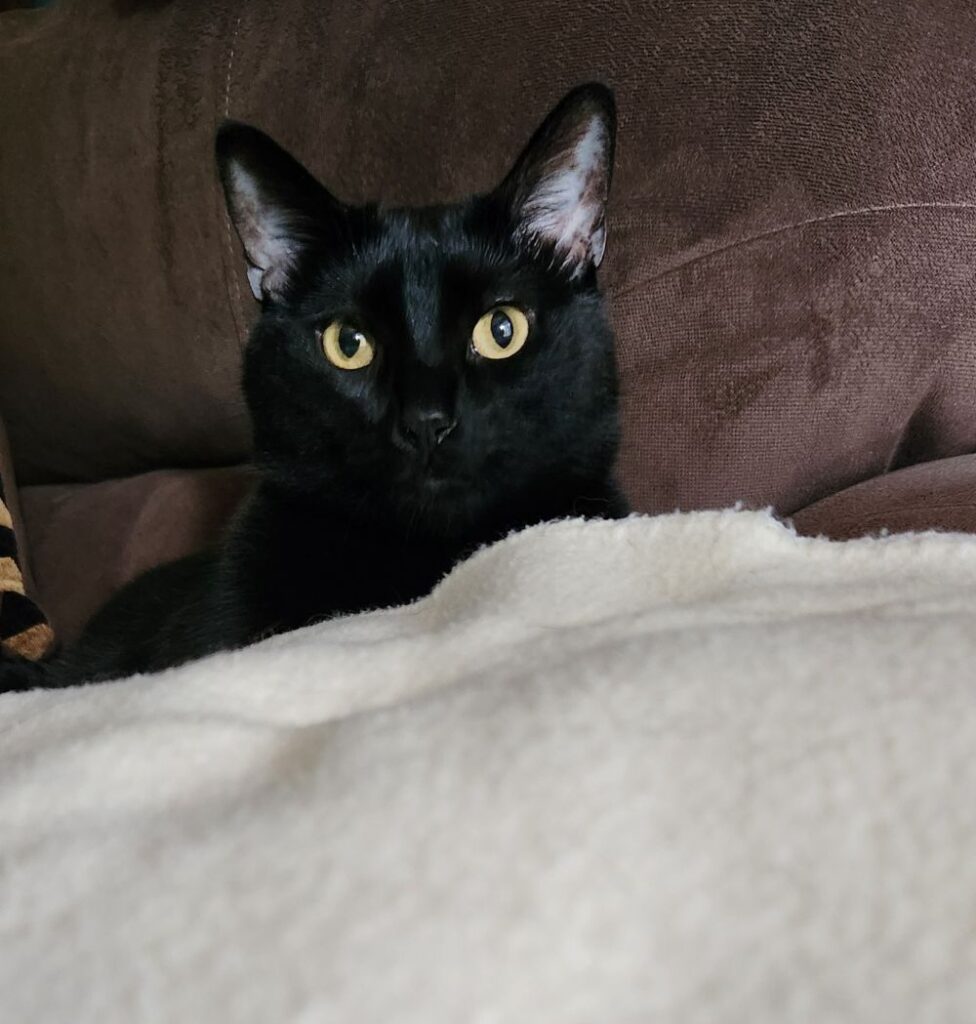
My cats have a knack for timing. They know when the treat jar opens, when the sunbeam hits the couch, and when I need a nudge to stop working and start snuggling. So when Banner pawed at a crumpled lottery ticket on the counter, I took it as a sign.


Balboa promptly sat on it. Clearly, the numbers were blessed.

šŸŽ± Numbers from the Heart

I don’t play every week, but when I do, I let whimsy guide me. A birthday here, a lucky street number there. Sometimes I pick numbers that feel like poetry—soft, round, and full of possibility.

This week’s picks?

  • Main Numbers: 3, 14, 27, 35, 48
  • Mega Ball: 7
    Inspired by forest trails, feline moods, and the quiet hope tucked into every ticket.

šŸ›ļø Cozy Dreams of Winning Big

I don’t expect to win. But I love the ritual—the moment of imagining what I’d do with a windfall. A cabin in the woods. A donation to the local zoo. A heated cat perch for Banner and Balboa. Maybe even a luxury automatic feeder that sings lullabies.

Until then, we’ll keep dreaming. Wrapped in blankets, surrounded by purrs, and holding onto the kind of luck that lives in everyday magic.

ā° When Time Falls Back, the Cats Push Forward

Navigating the Seasonal Shift with Feline Sass and a Little Automation

The clocks have fallen back, and with them, the light seems to have vanished. Mornings now arrive cloaked in darkness, and by the time dinner rolls around, the sun has already packed up and gone. It’s a seasonal shift that nudges us toward warm blankets, early bedtimes, and pumpkin-spiced everything.

But try telling that to Banner and Balboa.

Breakfast at the ā€œOld Timeā€

My cats didn’t get the memo about Daylight Saving Time. As far as they’re concerned, breakfast is still due at 6 a.m.—even if the clock now reads 5. Their internal alarms are precise, persistent, and completely unimpressed by human timekeeping. I wake to paws on my face, meows in stereo, and the unmistakable sound of feline indignation.

It’s a ritual that repeats itself every fall. The cats adjust eventually, but for a few weeks, it’s like living with tiny, furry time travelers.

The Case for an Automatic Pet Feeder

This year, I’m considering a peace treaty: an automatic pet feeder. These clever devices dispense food on a schedule, regardless of time changes, human forgetfulness, or feline impatience. Some even let you record a message—imagine your voice calling your cat to breakfast while you savor a few extra minutes of sleep.

For multi-cat households or anyone juggling early meetings and sleepy mornings, it’s a game-changer. Banner and Balboa might still protest, but at least their tummies will be full while I sip my coffee in peace.

Embracing the Cozy

As the days grow shorter, I’m leaning into the quiet magic of the season. There’s something comforting about the rhythm of change—even if it’s punctuated by early-morning meows. With a little help from technology and a lot of love, we’re finding our way through the darkness, one breakfast at a time.


Bridges of Terror

Bridges That Dare You to Cross

Let’s talk bridges—again. When I first dipped into this topic, I had no idea how many life-threatening crossings existed around the world. It’s truly fascinating… and a little terrifying.

Here are a few more that push the limits of courage and engineering:

šŸŒŖļø Hussaini Suspension Bridge — Pakistan

A landslide wiped out the original 1968 bridge, and in its place rose a daring suspension of wooden planks and rope—minimalist, precarious, and unforgettable.Ā Picture this: 635 feet of rectangular wooden planks, strung together by just six ropes. To reduce wind vibrations, the planks are spaced apart—meaning you’ll be stepping over gaps as you cross. In 2013, CondĆ© Nast Traveler named it one of the most dangerous bridges in the world. No surprise there.

🪵 Vitim River Bridge — Russia

This one sets the bar for sheer nerve. A single-lane wooden bridge with no railings, perched over a frigid Siberian river. Add in rotting wood and icy conditions, and you’ve got a recipe for second thoughts. It’s not just a crossing—it’s a dare.

🌊 Carrick-a-Rede Rope Bridge — Northern Ireland

Spanning 66 feet and suspended 98 feet above jagged rocks, this rope bridge connects Carrick Island to the mainland. Strong winds and crashing waves make the crossing a heart-pounding experience. Some tourists are so shaken they need to be ferried back by boat. Would you brave it?

šŸ’ Monkey Bridges — Vietnam

Crafted from bamboo and used daily by locals, these narrow, unsupported bridges are a test of balance and bravery. Tourists often hesitate—but if you’re feeling bold, they offer a truly authentic challenge. Think you’ve got the nerve?

šŸ§— Tianmen Mountain Glass Skywalk — China

Afraid of heights? Timid? Have a heart condition? Then this one’s not for you. Built along high cliffs, these glass skywalks are painted green to reduce panic—but even that doesn’t stop knees from buckling. The views are breathtaking, if you can keep your eyes open. If you go, I’d love to hear how you fared.


More to Come…

There are countless bridges out there that test the limits of human courage. I won’t get to them all—but I’d love your help. Have you crossed a bridge that belongs on this shortlist of terror? Drop me a note and let’s add it to the adventure.