Chocolate Cake: Because Summer Needs Dessert Too

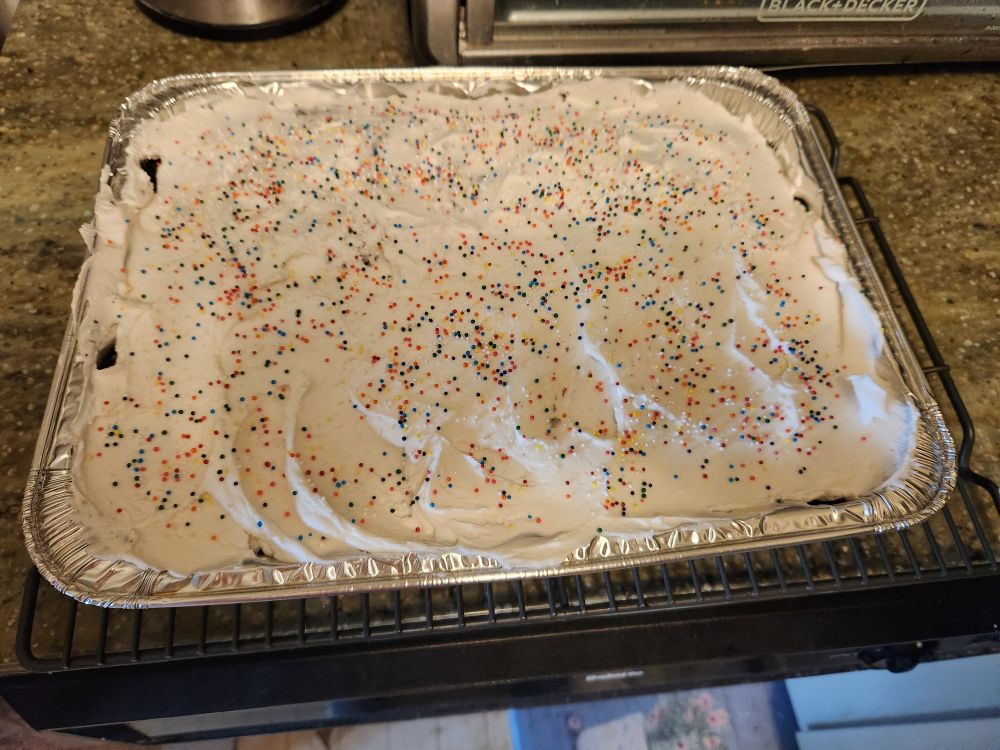
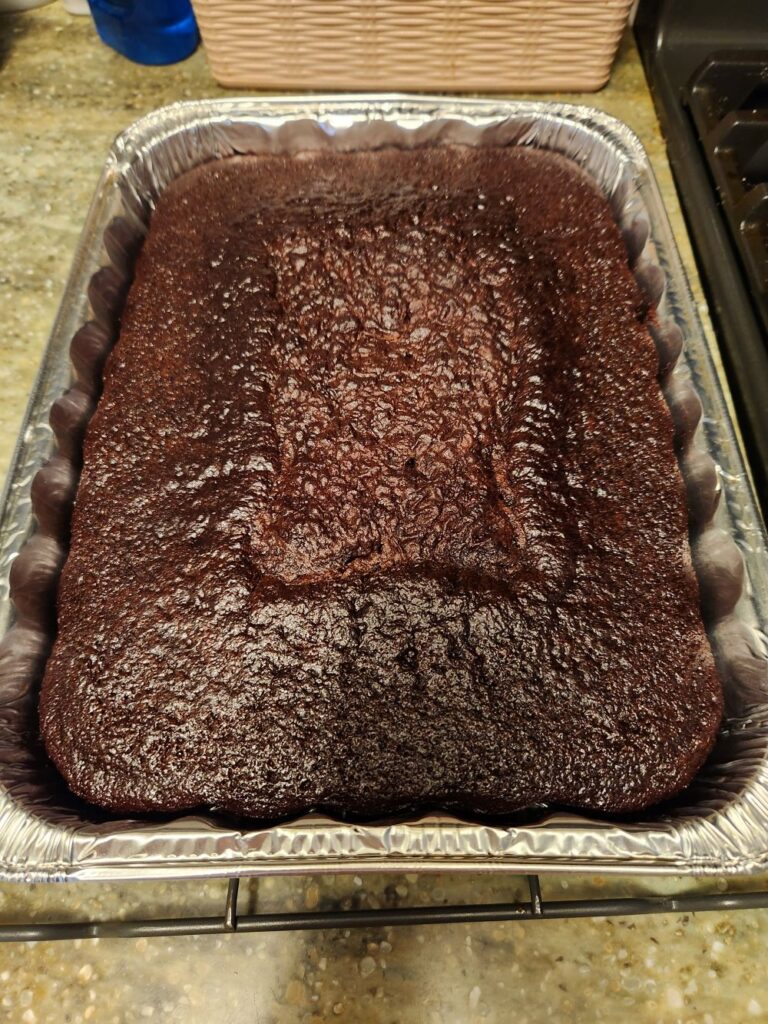
Freshly baked chocolate sheet cake covered in thick white frosting and rainbow sprinkles, resting on a cooling rack in a home kitchen.

A Chocolate Cake Kind of Day

Lately I haven’t been testing too many recipes. We’re deep into the summer months, which to me means hamburgers, hot dogs, and steak. I grew up with steak — my Dad loved it — but beef has been outrageous this year. So when my local supermarket had sirloins on sale three weeks in a row, well… there was no contest. Steak it was.

Lunch was a salad so I could enjoy my dinner without guilt. During this all‑too‑brief period of indulgence, I ignored the recipes landing in my email with startling regularity. Eventually I decided it was time to clear them out — and found a hidden gem I had to try.

Deliciously Moist Chocolate Cake

I am not adverse to using a box cake mix. They’re perfectly fine: open a box, toss in an egg and some oil, beat, bake, done. No muss, no fuss. I also hate frosting layer cakes (unless it’s carrot cake… ummmm cream cheese frosting). But I’m getting off track.

Buried in my emails was a recipe for a chocolate cake that I couldn’t resist.

Cake Ingredients

  • 1 ¾ cups flour
  • ¾ cup unsweetened cocoa powder
  • 1 ¾ cups granulated sugar
  • 2 teaspoons baking soda
  • 1 teaspoon baking powder
  • 1 teaspoon salt
  • 2 teaspoons espresso powder (optional)
  • ½ cup vegetable oil
  • 2 large eggs (room temperature)
  • 1 teaspoon vanilla extract
  • 1 cup buttermilk (room temperature)
  • 1 cup freshly brewed strong hot coffee or hot water

Instructions

Step 1: Preheat oven to 350°. Grease two 9‑inch cake pans (I used a 9×13 sheet pan because, as I said, I hate frosting layer cakes). If using round pans, line with parchment rounds and grease the parchment.

Step 2: Whisk flour, cocoa powder, sugar, baking soda, baking powder, salt, and espresso powder (if using) in a large bowl. Set aside.

Step 3: Using a stand or hand mixer fitted with a whisk attachment, mix oil, eggs, and vanilla on medium‑high until combined. (If you’ve got a strong arm, a hand whisk works too.) Add the buttermilk and mix until combined.

Step 4: Pour the dry ingredients into the wet. Add the hot coffee or water and whisk/beat on low until the batter is completely combined. Batter will be thin.

Step 5: For 9‑inch pans: divide batter evenly and bake 23–26 minutes, or until a toothpick comes out clean. For a 9×13 sheet pan: bake 35–40 minutes.

Step 6: Let the cake cool at least 1 hour, then frost with your favorite frosting.
What Makes This Cake Different?

For me, the biggest difference is the buttermilk. I went 60 years without ever using it, and now it seems I’m reaching for it at least once a week. This cake calls for a full cup.

If you don’t have buttermilk, here’s a DIY substitute: Add 2 teaspoons white vinegar or lemon juice to a measuring cup, then fill with room temperature whole milk to reach 1 cup. Let sit 5 minutes. It will curdle — that’s exactly what you want.

Coffee or espresso powder is common in chocolate cakes because it deepens the chocolate flavor. It does not make the cake taste like coffee. Still, I don’t like coffee — not even coffee ice cream — so I skipped the espresso powder and used hot chocolate instead of coffee. Hot water felt too bland.

The recipe warned that the batter would be thin, and it was. Very thin. But I soldiered on. It also said the center might collapse even if the cake is fully baked because cocoa powder can’t support the weight of such a moist batter. Another good tip. So don’t beat yourself up if it looks like your cake fell. Just wait until you taste it.
Final Thoughts

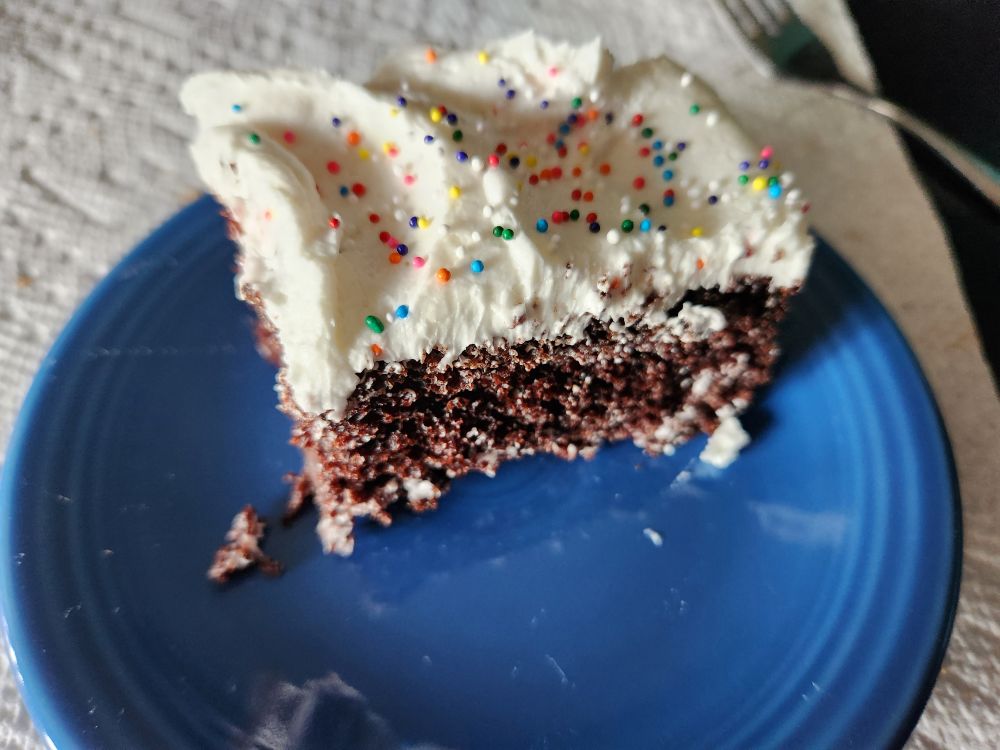
I used traditional Crisco‑based birthday cake frosting instead of buttercream. It’s messy to clean up, but so rich and yummy that it’s worth every sticky bowl.

This cake is more involved than a box mix or even my usual from‑scratch cakes, but the difference is noticeable. They aren’t kidding when they say moist. The crumb is beautiful, and it holds together nicely.

This one is definitely going into my special‑occasion rotation.


That’s Another Fine Mess You’ve Gotten Us Into


Another Almost Kitchen Fail… That Wasn’t

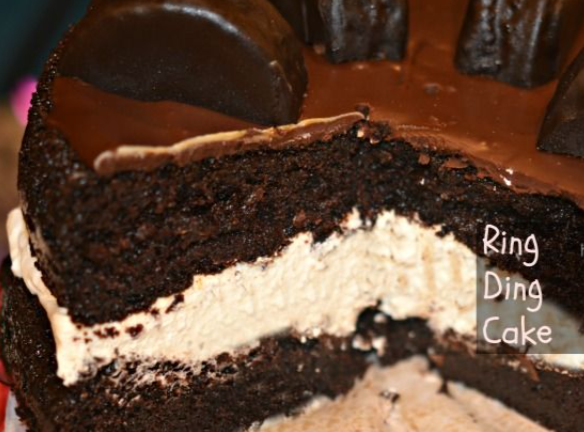
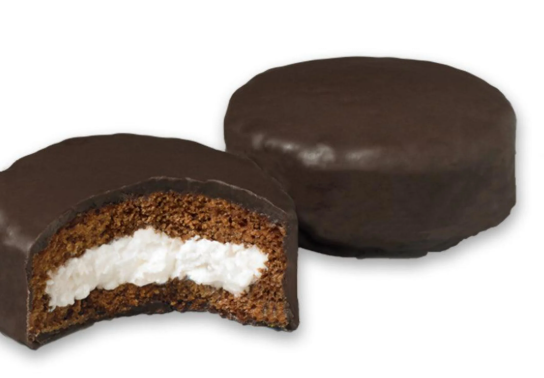
Whether you call them Ding Dongs, Ring Dings, or Ho Ho’s, I’m sure we’ve all indulged in one of those sweet, chocolatey treats with the creamy filling. They’re downright dangerous in my house—I always seem to want just one more.

Since it’s baking season, I decided to try recreating these little gems in cake form. Oh yes, a potential disaster was lurking around the corner, but here’s the tale of my sweet culinary adventure.


The Cake

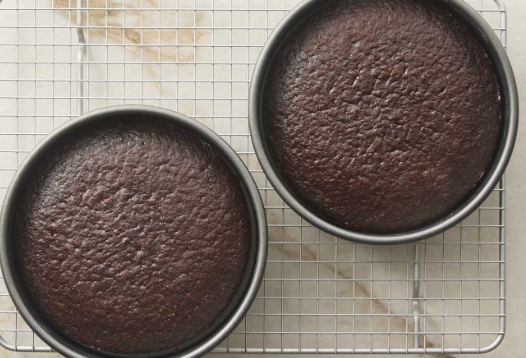
Chocolate was a given—but what kind? Dark chocolate? Devil’s food? Scratch-made or box mix? I decided to cheat a little. Tackling enough new steps already, I went with a boxed Devil’s Food Cake mix. My grocery store only had one brand, so the choice was easy.

To my delight, the cakes baked up beautifully—no big humps in the center, which meant no trimming required. A small victory!


The Filling

This part was trickier. First, I tried a cream cheese filling. Nope. Then marshmallow cream—which turned into a literal trip around town trying to find a jar of fluff. My local grocery store clearly wasn’t supporting my culinary efforts.

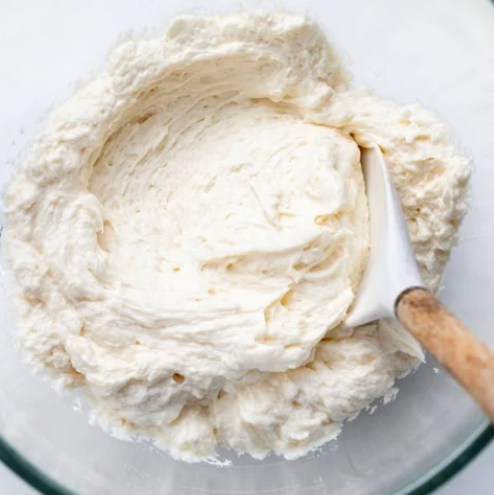
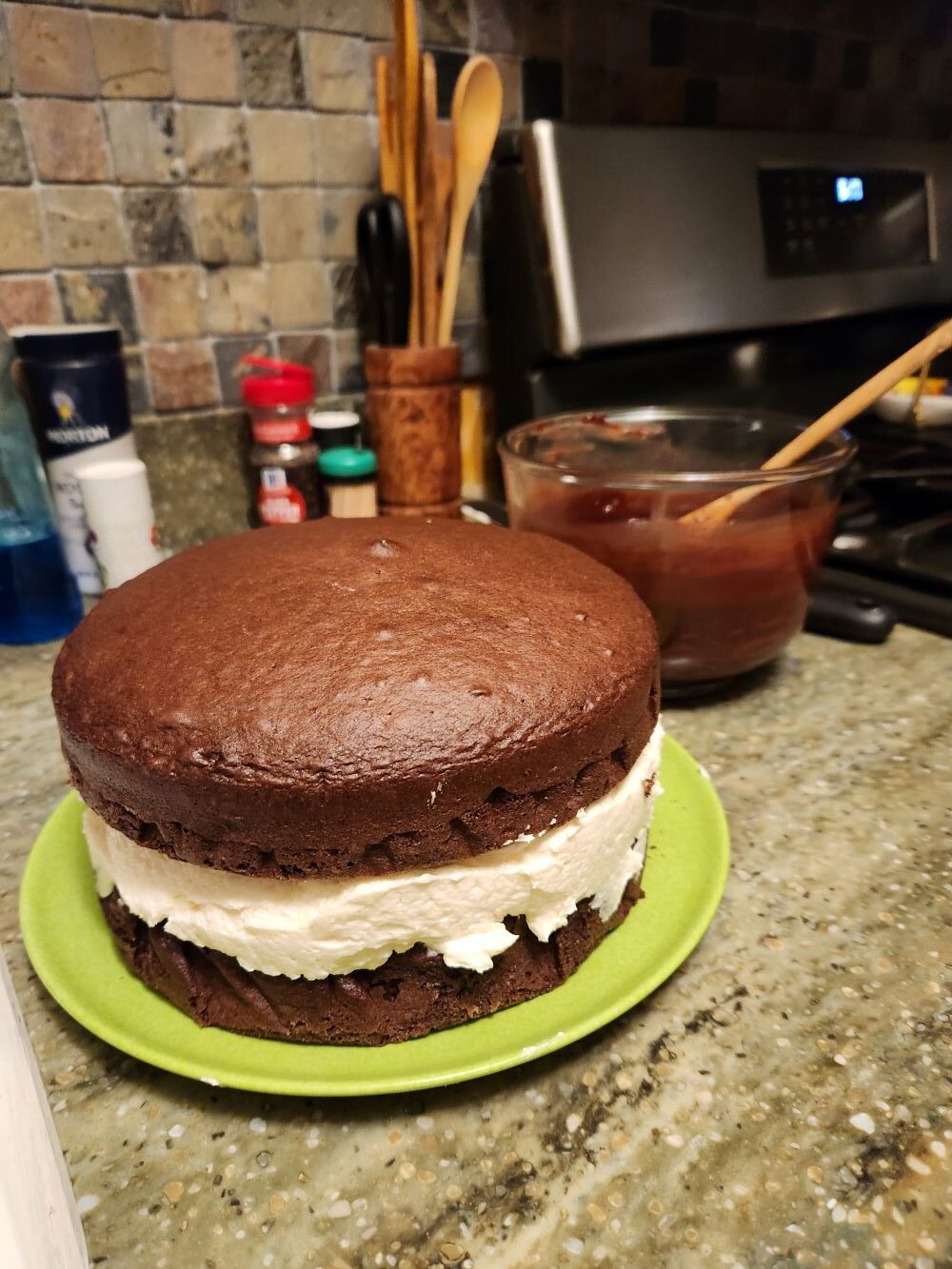
Finally, I settled on a roux frosting. It starts with cooking flour and heavy cream, whisking steadily until thick, then cooling. At first, it looked like a lumpy, starchy mess. But with persistence (and plenty of sugar and butter), I beat it into submission. Success!


The Ganache

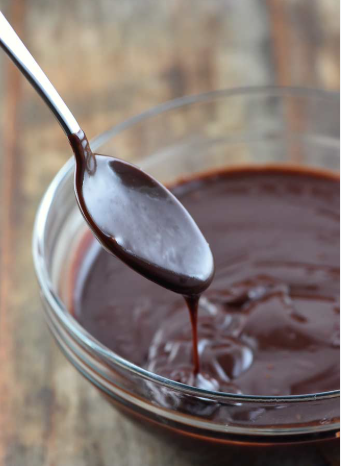
For that satiny finish, I knew I needed ganache—not a thick frosting. I’d never made it before, but if the kids on Kids Baking Championship can do it, surely I could too.

The recipe seemed simple: melt chocolate chips in the microwave with 1¼ cups of heavy cream. Easy enough. Except… my ganache turned out thin. Very thin.


The Assembly

I placed the flattest cake round on the bottom, piled on the filling (a lot of it!), and topped it with the second round. It looked promising, though a bit messy. I figured the ganache would hide the imperfections.

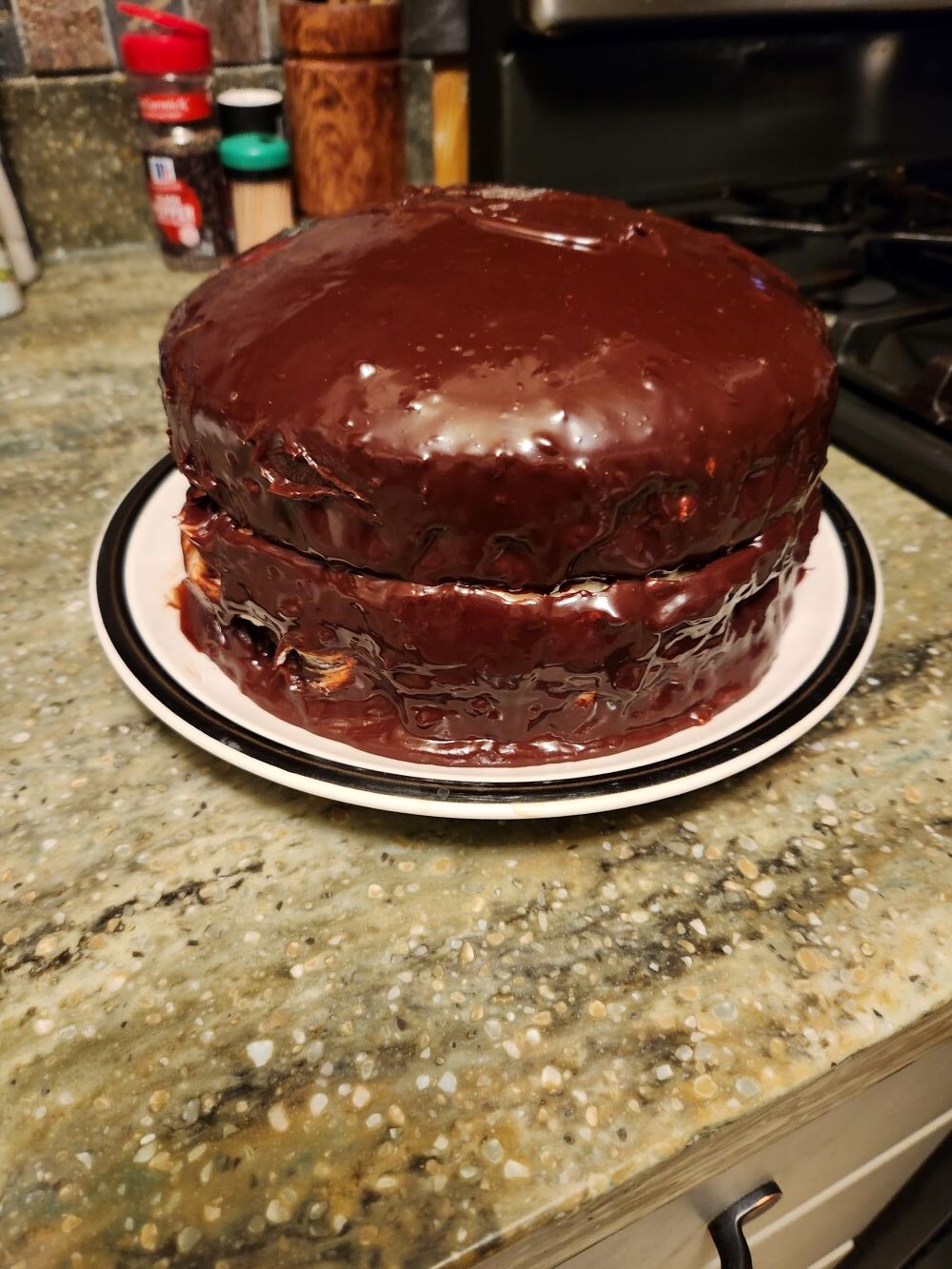
Wrong. The ganache hadn’t thickened, and as I poured it over, it pooled around the base instead of coating the sides. Chocolate everywhere.

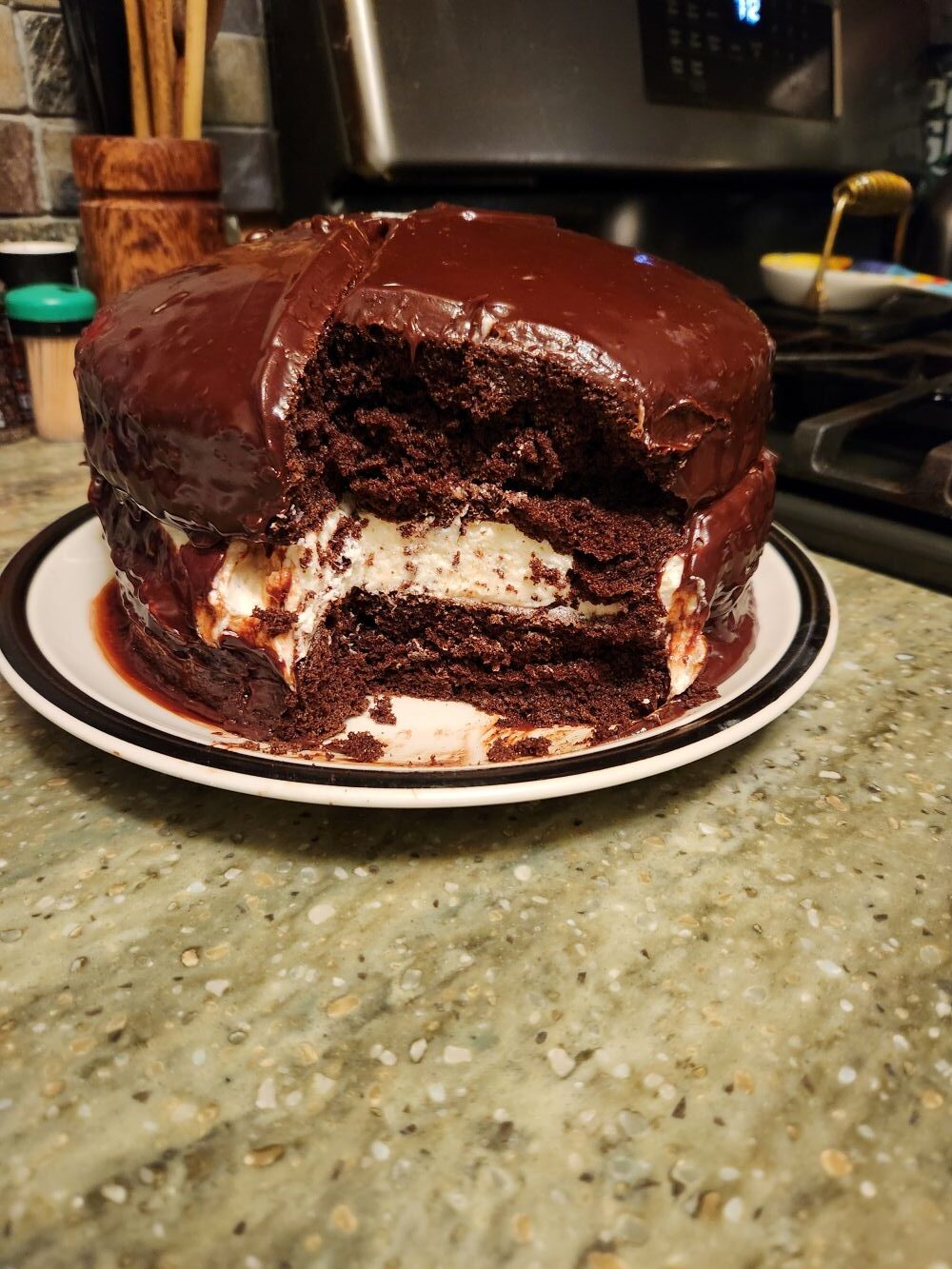
After mopping up the mess, I let it set, then tried again. By this time, the ganache had thickened just enough to cover the cake. But my sloppy filling betrayed me—poking through here and there, smearing into the glossy chocolate.

No beauty contests for this cake. But the taste? A big, satisfying YUM.


Lessons Learned

I learned a lot from this adventure and will definitely try again—after I recover. Maybe next time I’ll smooth the filling more carefully… or even make a heart-shaped version for Valentine’s Day.

You’ll find my recipe at Mom’s Recipe Corner. At least you’ll be forewarned about the pitfalls if you decide to try.


To Brew or not to Brew – Coffee that is


☕️ Coffee in Chocolate Cake: Bold Move or Bitter Mistake?

There’s a quiet magic that happens when coffee meets chocolate. It’s not about turning your cake into a mocha—it’s about deepening the flavor, adding richness, and coaxing out the darker, more complex notes in cocoa. But like any bold baking choice, it comes with its own set of perks and pitfalls.

If you’ve ever wondered whether to splash a bit of brewed coffee into your batter or stick with the classic approach, here’s a breakdown to help you decide.

✅ The Perks of Adding Coffee

  • Flavor Amplification: Coffee acts like a backstage crew for chocolate—enhancing its richness without stealing the spotlight. Even a small amount can make your cake taste more “chocolatey.”
  • Moisture Boost: Brewed coffee adds liquid and depth, often resulting in a more tender crumb.
  • Bitterness Balance: A touch of coffee can mellow out overly sweet frostings or fillings, creating a more balanced bite.
  • Aromatic Appeal: The scent of coffee mingling with cocoa in the oven? Pure sensory poetry.

⚠️ The Potential Pitfalls

  • Flavor Overload: Too much coffee can overpower the chocolate, especially if you’re using strong espresso or dark roast.
  • Audience Sensitivity: Not everyone loves coffee—or can tolerate caffeine. If you’re baking for kids or sensitive eaters, it’s worth considering.
  • Ingredient Clash: Coffee pairs beautifully with chocolate, but it might clash with other flavors like citrus, certain fruits, or delicate floral notes.

🌿 My Take: Use It Like a Spice

Think of coffee as a seasoning—just enough to enhance, never dominate. A tablespoon or two of brewed coffee or a teaspoon of instant espresso powder can elevate your chocolate cake without turning it into a latte.

Whether you’re baking for a cozy fall gathering in Taunton or just treating yourself to a quiet moment with Banner and Balboa curled nearby, coffee can be your secret weapon for depth and drama in dessert.

Chocolate Cake recipe ( allrecipes)

Ingredients

  • 2 cups all-purpose flour
  • 2 cups white sugar
  • ¾ cup unsweetened cocoa powder
  • 2 teaspoons baking soda
  • 1 teaspoon baking powder
  • ½ cup vegetable oil
  • 1 cup milk
  • 2 eggs
  • 1 teaspoon vanilla extract
  • 1 cup hot, strong coffee

Directions

  1. Preheat the oven to 350 degrees F (175 degrees C). Grease and flour a 9×13-inch baking pan.

  2. In a large bowl, stir together flour, sugar, cocoa, baking powder, and baking soda. Add oil, milk, eggs, and vanilla; mix until smooth. Stir in hot coffee last. Spread evenly into the prepared pan.

  3. Bake in the preheated oven for 25 to 35 minutes, or until a toothpick inserted into the cake comes out clean.


🛒 Baking Essentials Spotlight

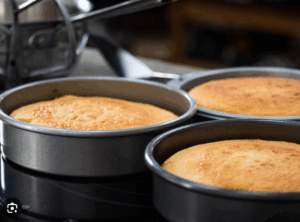
If you’re ready to start baking here are a few baking pans for your cake that I highly recommend—durable, easy to clean, and perfect for your culinary masterpiece

These affiliate links help support Around Dusty Roads at no extra cost to you. I only share products I genuinely love or use myself—especially when they make baking (and cleanup) a breeze.