
A Long Weekend, a Short Summer, and a Little History
Any big plans for the holiday? Maybe a cookout, a last hurrah for summer, or just one final attempt to pretend the calendar isn’t about to flip into pumpkin season. Labor Day always feels like the unofficial “summer finale,” even when the thermometer is still insisting it’s 80° and humid.
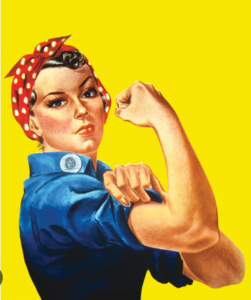 Where Labor Day Actually Came From
Labor Day didn’t just appear out of thin air — it was created by the labor movement in the late 19th century and became a federal holiday in 1894. The date changes every year, but it always lands on the first Monday in September, giving us that sweet, sweet long weekend.
A Look Back at the 1800s (Spoiler: It Was Rough)
Back in the 1800s, the average American laborer worked 12‑hour days, seven days a week. And if that wasn’t enough, kids as young as five or six were working in mills, factories, and mines.
Honestly, I can’t imagine a modern 5‑year‑old doing anything for 12 hours straight except maybe watching Bluey or refusing to eat vegetables. The idea of them operating machinery? Absolutely not.
We’ve Come a Long Way, Baby
Today, the standard work week is 40 hours, shifts are typically 8 hours, and we get holidays, weekends, and actual time off. Things have definitely changed — thankfully.
So here’s to Labor Day: A celebration of the working man, the working woman, and everyone who keeps the world running.
Enjoy your cookout, your day off, and your well‑earned break.
Share this:
- Share on Tumblr (Opens in new window) Tumblr
- Print (Opens in new window) Print
- Share on X (Opens in new window) X
- Share on Facebook (Opens in new window) Facebook
- Share on Pinterest (Opens in new window) Pinterest
- Share on Reddit (Opens in new window) Reddit
- Share on LinkedIn (Opens in new window) LinkedIn