How Long It Lasts, Why It Exists, and Why It Still Captures Our Imagination
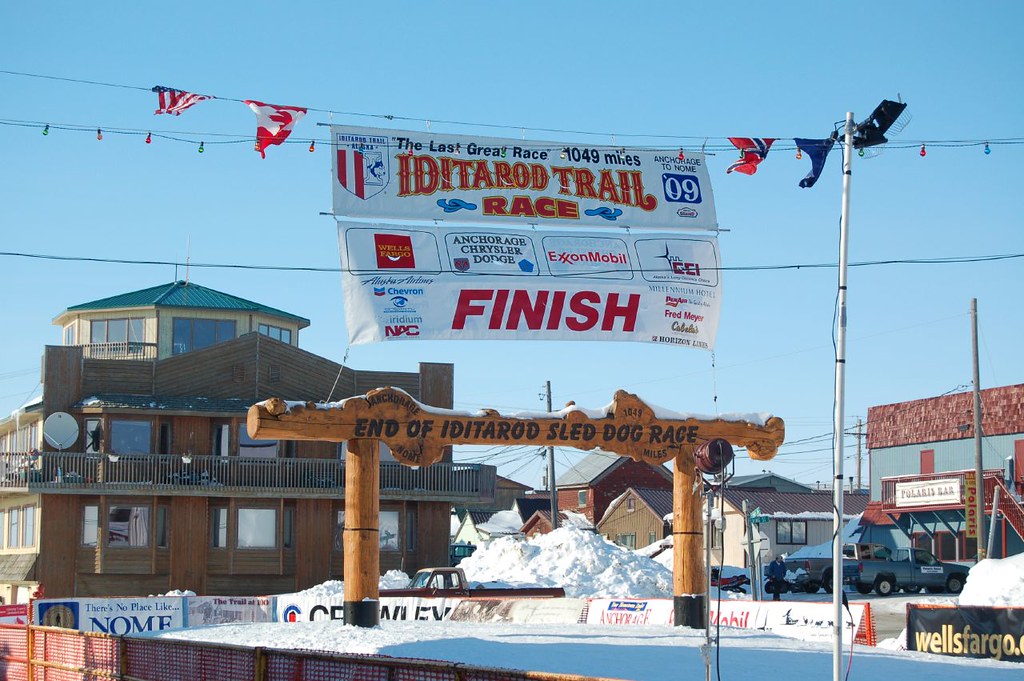
Every March, as New England is deciding whether to roar like a lion or bleat like a lamb, Alaska is gearing up for something far more dramatic: the start of the Iditarod Trail Sled Dog Race. It’s one of those events that feels half‑myth, half‑modern sport, and if you’ve ever wondered how long it actually takes to cross Alaska by dog team, the answer is… longer than you think, but shorter than you’d expect.
Let’s dig in.
 🕰️ So How Long Does the Iditarod Last?
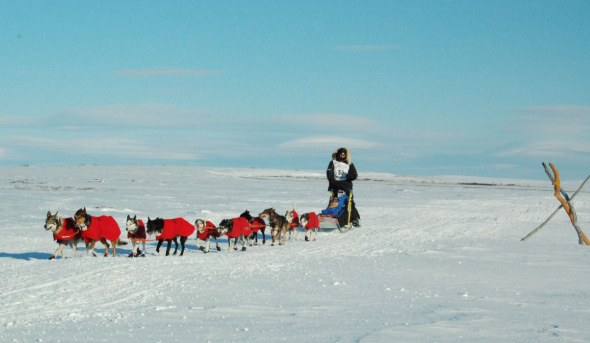
Most mushers complete the 1,000‑mile journey from Anchorage to Nome in 8–15 days.
- The front‑runners often arrive in about 8–9 days.
- The middle of the pack usually finishes around 10–12 days.
- The Red Lantern — the final finisher — typically comes in around 13–15 days, sometimes a bit
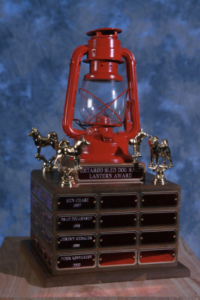 more depending on weather and trail conditions.
And weather is no small thing. This is Alaska in March. One day it’s clear and sparkling; the next it’s a whiteout where you can’t see your own dog team. The trail crosses mountains, frozen rivers, sea ice, and long stretches of nothing but wind and snow. It’s beautiful, brutal, and unforgettable.
🎉 Why There’s a Start… and Then a Restart
This is one of my favorite quirks of the race.
The Iditarod actually begins twice:
The Ceremonial Start — Anchorage
Held on the first Saturday in March, this is the fun, festive kickoff. Crowds line the streets, kids get autographs, and the dogs are practically vibrating with excitement. It’s a short, slow run — more parade than race — and it gives spectators a chance to see the mushers up close.
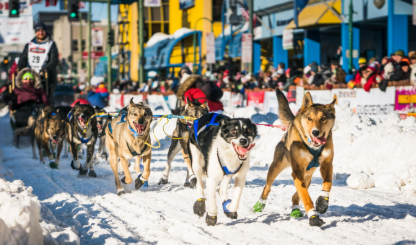
The Official Restart — Willow
On Sunday, the teams head north to Willow, where the real race begins. This is where the clock starts ticking and the wilderness takes over. Anchorage is a city; Willow is the gateway to the interior. It’s the difference between a celebration and a thousand‑mile test of endurance.
🩺 The History: A Race Born From a Medical Emergency
The Iditarod may be a modern sporting event, but its roots go back to one of the most dramatic rescue missions in American history.
In the winter of 1925, a diphtheria outbreak threatened the remote town of Nome. The only way to get life‑saving serum there was by dog team — over hundreds of miles of frozen wilderness. More than 20 mushers and around 150 dogs relayed the medicine across Alaska in what became known as the Great Serum Run.
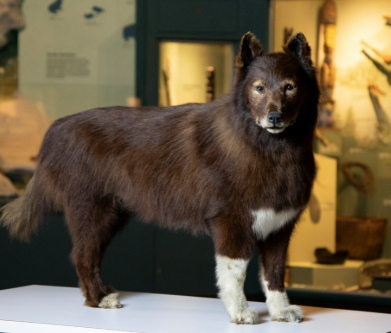
Balto
Two dogs became legends:
- Balto, who led the final team into Nome
- Togo, who led the longest and most dangerous leg of the journey
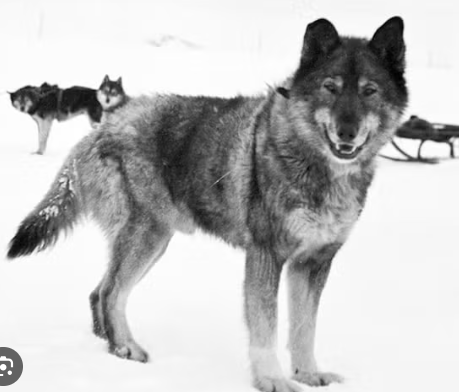
Togo
Both were heroes. Both saved lives. And their courage is the spiritual backbone of today’s Iditarod.
The race we watch now isn’t a reenactment, but it honors that history — the grit, the teamwork, and the bond between musher and dog.
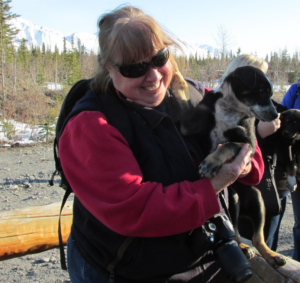 ❄️ A Personal Note: My Own Dog‑Sledding Adventure
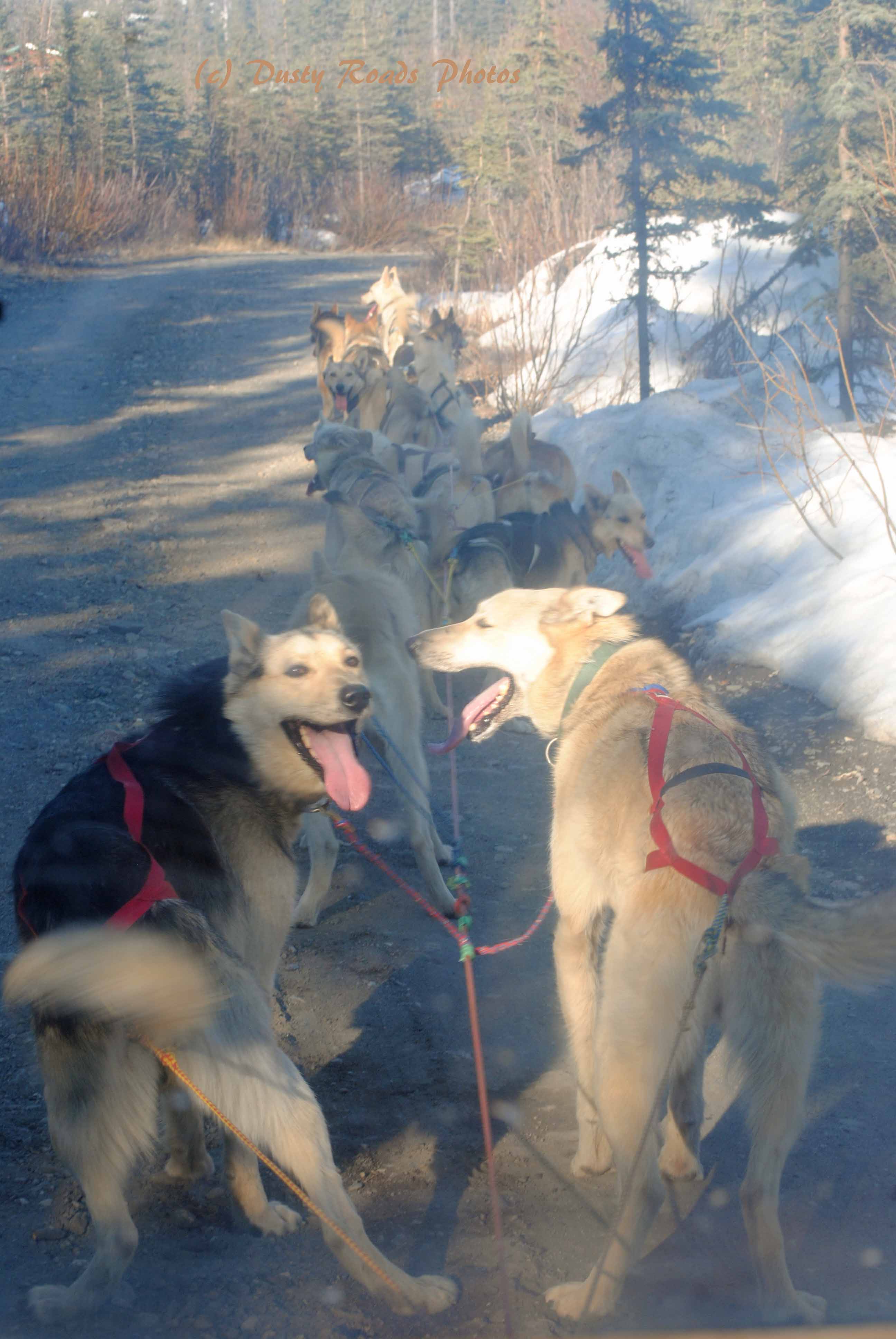
When I visited Alaska in 2013, I had the chance to go dog sledding myself. Let me tell you — those dogs live for it. The moment the musher picked up the brake, the team practically levitated. They weren’t just ready to run; they were begging for it.
It gave me a whole new appreciation for the Iditarod. You can read about it, you can watch it, but until you feel that sled glide over the snow behind a team of eager dogs, you don’t quite understand the magic.
🐕 What Kind of Dogs Run the Iditarod?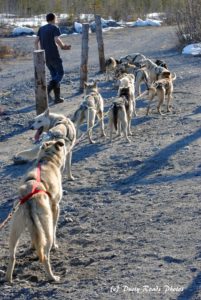
Forget the movie‑poster Siberian huskies. Most Iditarod dogs are Alaskan huskies — a mixed breed developed specifically for endurance, intelligence, and love of running.
A few things people are often surprised to learn:
- These dogs are born to run. It’s not just instinct — it’s joy.
- They sleep curled up in the snow because it’s comfortable for them.
- Their coats are so insulating that snow often doesn’t melt on their fur.
- They eat like Olympic athletes because… they are.
If you’ve ever worried that sled dogs are pushed too hard, watching them at the start line will cure you of that. The challenge isn’t getting them to run — it’s getting them to wait.
🌌 Why the Iditarod Still Matters
It’s more than a race.
It’s history, wilderness, teamwork, and tradition.
It’s a reminder that even in a world of satellites and smartphones, there are still places where nature sets the rules.
And for a few weeks every March, we get to watch humans and dogs take on one of the last great adventures.
 This trip has gone to the dogs!


 All About the Iditarod