Mini‑Godzilla on the Loose! Rampaging Monitor Terrorizes Mall Parking Lot

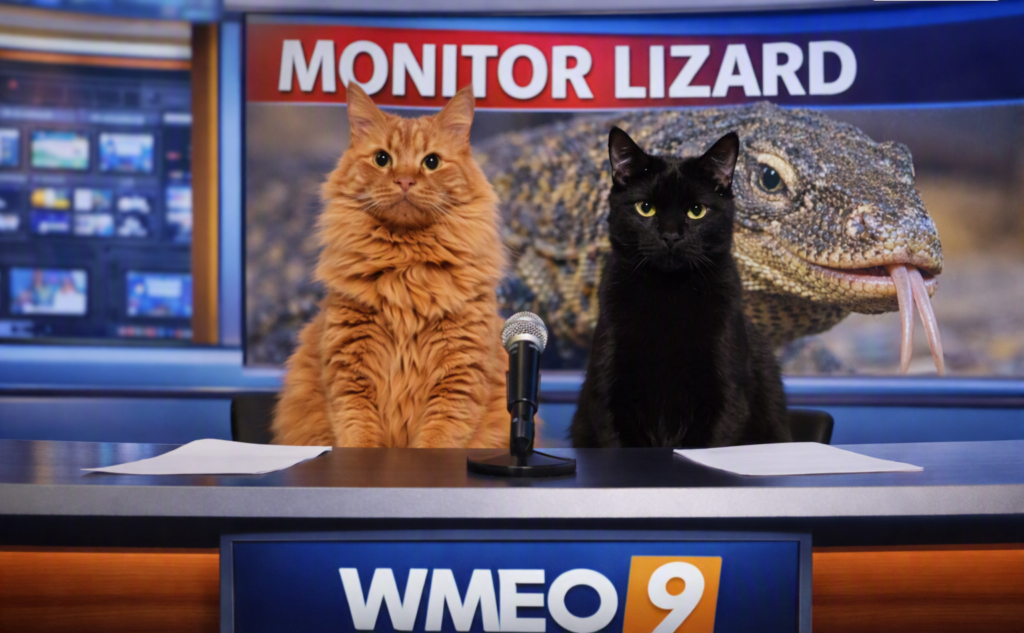
Two cats posed as news anchors sit behind a WMEO‑9 desk, an orange fluffy cat and a sleek black cat, with a microphone and papers in front of them. Behind the desk, a large screen displays a monitor lizard with its tongue extended under a bold “Monitor Lizard” headline, creating a humorous newsroom scene.

WMEO‑9 SPECIAL REPORT

Taunton, MA – Breaking News from the Nature Mews Desk

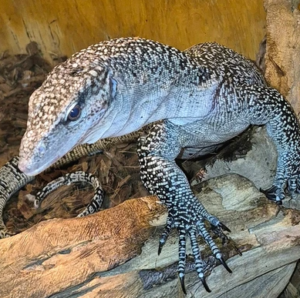
Banner: What a summer this has been! Jellyfish, sea turtles, raccoons, moose—our newsroom has been busier than a catA monitor lizard resting inside a wood‑lined enclosure, its long speckled body stretched across bark pieces, with its pointed snout and thick tail visible among the naturalistic habitat materials. in a laser-pointer factory. And now we bring you something truly bizarre: an escaped mangrove monitor, an exotic lizard native to northern Australia and the western Pacific islands.
Balboa: This poor fellow must have had a severe case of wanderlust. We’re a long, long way from Australia.

Banner: The adventurous monitor somehow made his way to a Burlington mall parking lot, where an animal control officer finally cornered him. Turns out the lizard had been hiding inside the wheel well of a parked car, probably contemplating his life choices.

Balboa: He was safely captured and handed over to Rainforest Reptile Shows, who immediately gave the feisty traveler a wash and a manicure to trim his tiny claws. Imagine the headline: “Lizard Escapes, Runs Away, and Accidentally Books Himself a Spa Day.”

Banner: Experts say the mangrove monitor—like most monitor species—is illegal to possess in Massachusetts without proper permits. And honestly, if he hadn’t been rescued, he never would’ve survived a New England winter. Not even with a heated cat bed.

Balboa: Sometimes I wonder how any of us do.

Banner: Animal Control is currently searching for the lizard’s owner.
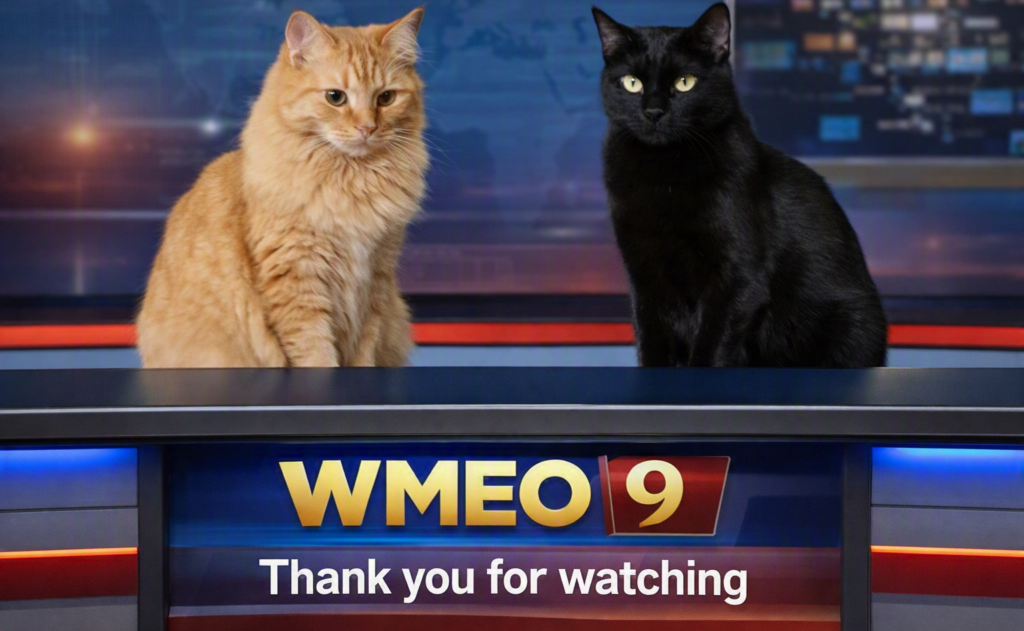
An orange cat and a black cat sit behind the WMEO 9 news desk in a studio setting, with a message on the front panel that reads “Thank you for watching.”

End of Report

This has been a WMEO‑9 Special Bulletin from the Nature Mews Desk. Please resume your regualrly scheduled scrolling.

I

World Lizard Day & Balboa’s Birthday Bash

🦎 World Lizard Day & Balboa’s Birthday Bash

Today is Balboa’s 5th Birthday! 🎉

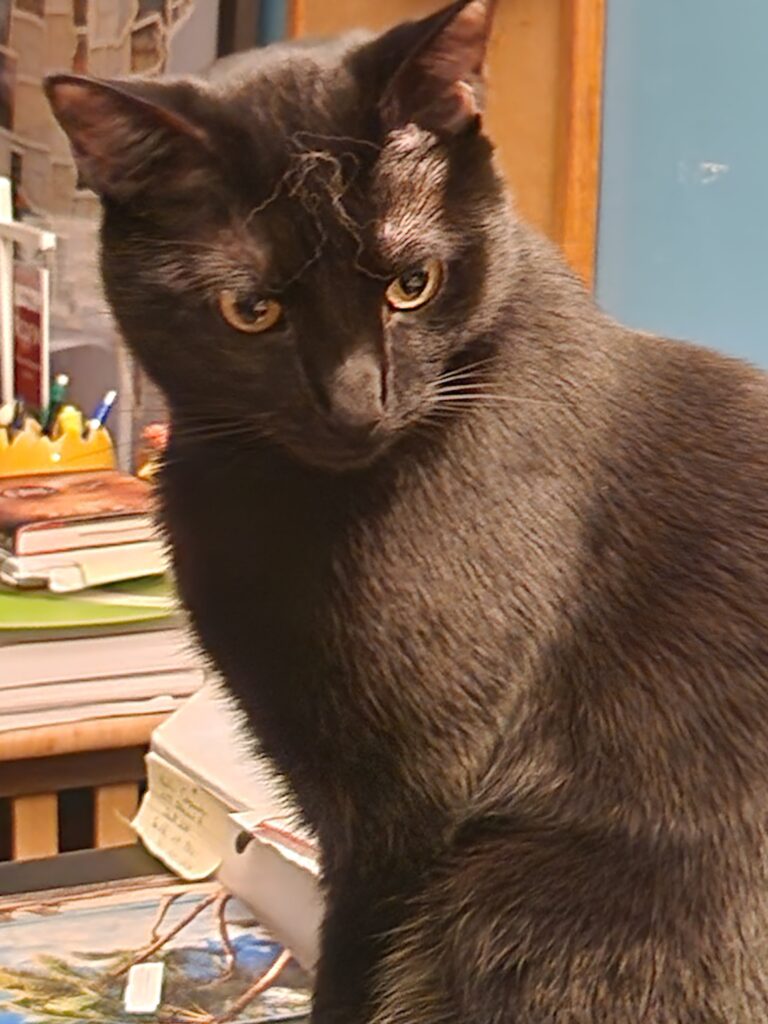
Balboa – photo credit Deb Neumann

Happy Birthday, sweet boy—love you bunches. You’re sharing your special day with World Lizard Day, which might not be your idea of a party theme, but I couldn’t resist celebrating these scaly wonders.

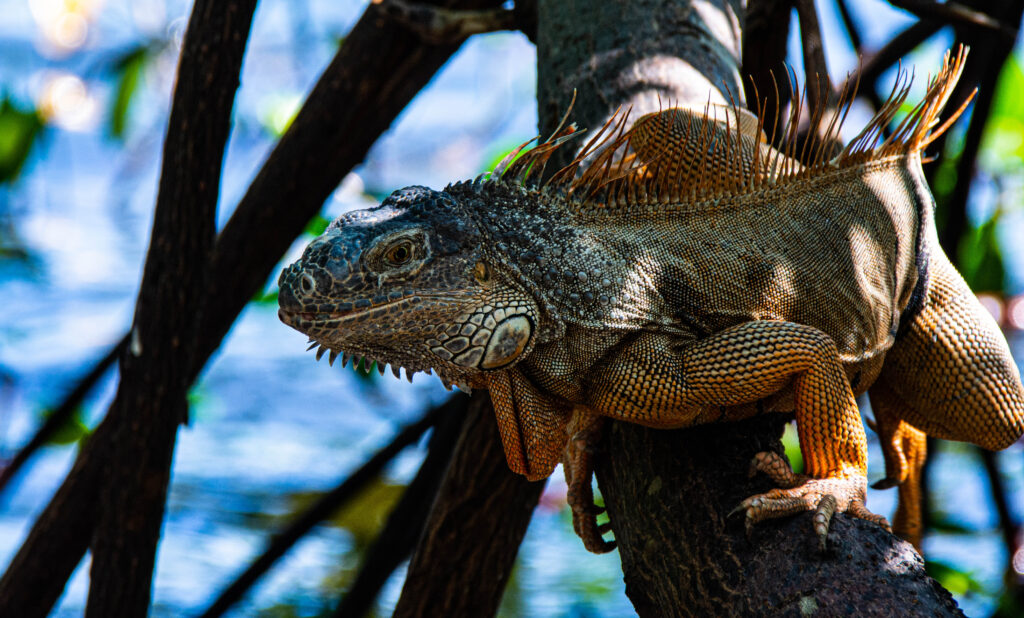
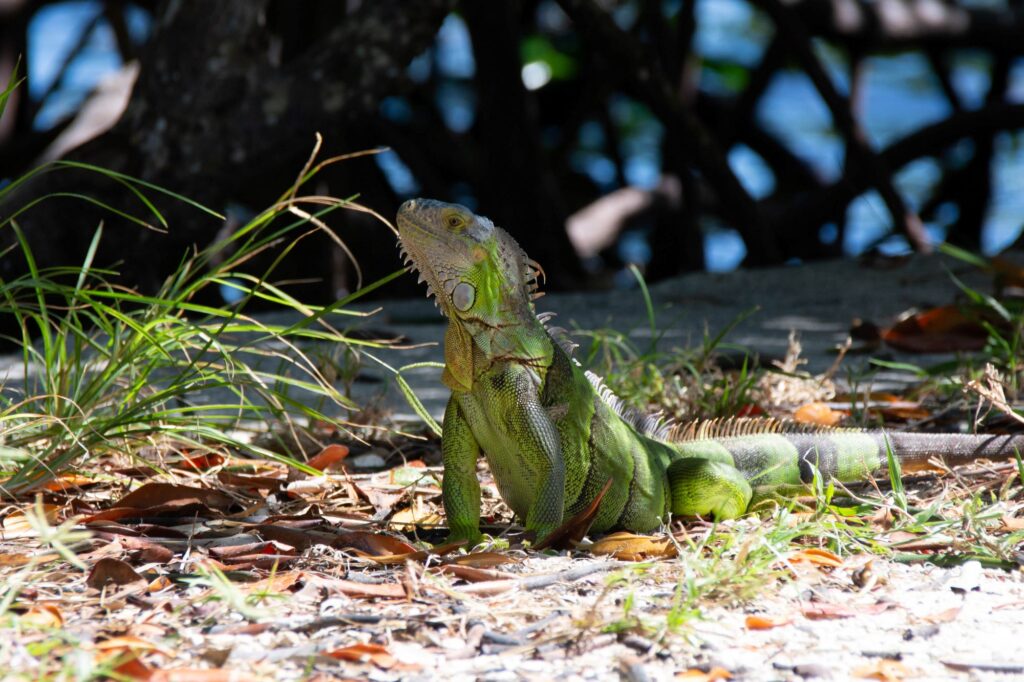
Florida Iguana – photo credit Deb Neumann

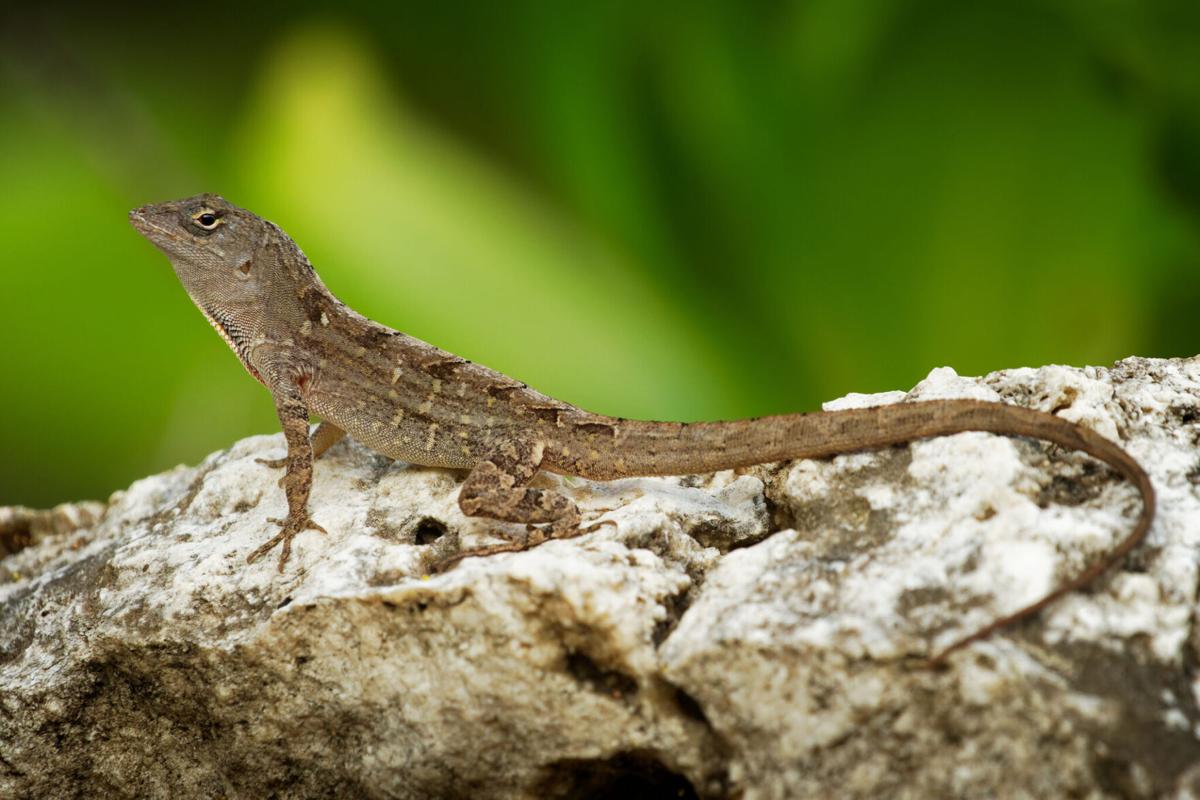
I might be a little weird, but I genuinely like lizards. They fascinate me. I especially adore those tiny lizards I see everywhere when I visit Florida. I believe they’re called Anoles—there are brown ones and green ones, and I think they’re seriously cute. They dart around like little garden ninjas.

It's not easy being a green anole | | islandernews.com

Photo- Internet


Then there are the Iguanas. Bigger, bolder, and a bit intimidating. They come in vibrant shades of green and orange, lounging like royalty on sidewalks and rooftops.

So in honor of World Lizard Day (and Balboa’s birthday, of course), here are some fun and fascinating facts about lizards that might just make you see them in a whole new light. I may find them interesting, but don’t worry—I’m not about to bring one home as a pet.

Jurassic World Evolution Dilophosaurus Compatibility | Jurassic 2025 World  Evolution Dinosaur Skins


🌿 12 Lizard Facts to Make You Smile (or Squirm)

  1. Tail Tricks
    Many lizards can detach their tails to escape predators. The tail keeps twitching while the lizard makes a clean getaway—like a magic act with a dramatic exit.
  2. Color-Changing Cuties
    Green Anoles can shift from green to brown depending on mood, temperature, or stress. They’re like tiny, scaly mood rings.
  3. Built-In Motion Sensor
    Iguanas have a “third eye” on top of their heads called a parietal eye. It doesn’t see images but detects light and movement—perfect for spotting sneaky predators.
  4. Push-Up Power Moves
    Lizards often do push-ups or head bobs to show dominance or attract mates. It’s like their version of flexing at the gym.
  5. Water Walkers
    The Basilisk lizard can run across water using its speed and wide feet. It’s nicknamed the “Jesus Lizard” for this miraculous feat.
  6. Tongue-Tasting the Air
    Like snakes, lizards use their tongues to “taste” the air and detect scents. It’s their way of sniffing out dinner or danger.
  7. Sun Worshippers
    Being cold-blooded, lizards bask in the sun to warm up and energize. You’ll often find them stretched out on rocks like tiny solar panels.
  8. Natural Pest Control
    Lizards love munching on insects like mosquitoes, flies, and ants. They’re nature’s pest patrol—no chemicals required.
  9. Miniature Dragons
    Draco lizards can glide between trees using wing-like ribs. They’re real-life dragonlets soaring through the forest canopy.
  10. Ancient Survivors
    Lizards have been around for over 200 million years. They’ve outlived dinosaurs and still strut their stuff across the globe.
  11. Venomous but Chill
    The Gila monster and Mexican beaded lizard are venomous, but they’re slow-moving and rarely aggressive. Just don’t poke them.
  12. All-Female Wonder Lizards
    Some whiptail lizard species reproduce without males through parthenogenesis. No dates, no drama—just cloning themselves like pros.

So here’s to Balboa,

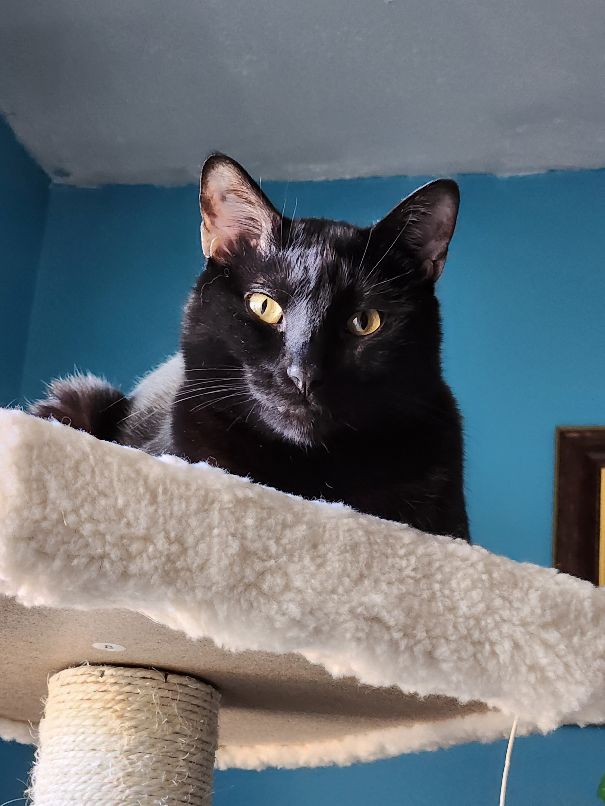
Balboa’s Stare – photo credit Deb Neumann

to lizards, and to the wild, wonderful world we share with creatures great and small. Whether they’re sunbathing on a Florida fence or gliding through jungle trees, lizards remind us that nature is endlessly inventive—and occasionally adorable.

green iguana- photo credit Deb Neumann