A Quiet Cabin, an Empty Town, and a Mountain Waiting for a Miracle
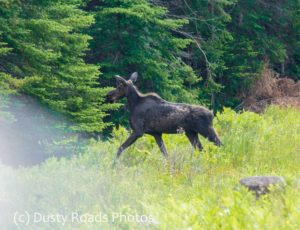 In 2017 I chose Rangeley for my summer vacation because I wanted to see Maine moose. And I did — moose, deer, and more quiet forest roads than I could count. But I also found a town on a beautiful lake that was struggling.
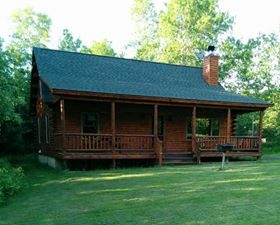
Saddleback, their ski mountain, was closed. Talk of a sale floated around like fog over the lake, but I can’t say the atmosphere was hopeful. Most people didn’t expect anything to come of it. Rangeley has plenty to offer if you love the outdoors — hiking, camping, nature photography — but in town the restaurants were either closed or empty. My cabin was beautiful, but I didn’t see many other vacationers around. It felt like a place waiting for something that might never come- a town holding its breath for a miracle.
So I’ve always wondered: What happened to Rangeley in the nine years since that visit?
Well, COVID didn’t stop the little town that could. In 2020, the sale of Saddleback finally went through — and everything changed.

The mountain woke up again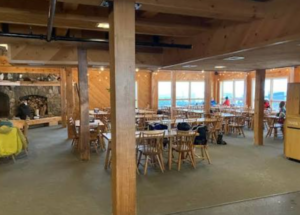
After years of false starts, Saddleback was purchased by Arctaris Impact Investors, a Boston‑based firm focused on revitalizing rural communities. And they didn’t just buy the mountain. They revived it.
More than $42 million has been invested since 2020. New lifts, new snowmaking, lodge improvements, a new T‑bar, a high‑elevation restaurant, and even a 7.5‑megawatt solar farm that produces twice the electricity the mountain uses.
It’s the kind of transformation you expect from a mega‑resort, not a once‑shuttered independent ski hill in western Maine.
Rangeley’s winter heartbeat returned
The reopening didn’t just bring skiers back — it brought life back.
Saddleback created 240+ jobs, built workforce housing, and restored the winter economy that had been fading when I visited. Restaurants filled up again. Lodges booked out. Seasonal workers could count on steady income. The town’s identity — which felt fragile in 2017 — snapped back into place.
It’s hard to overstate how much a single ski mountain can mean to a rural town. In Rangeley’s case, it meant everything.
From shuttered to #1 in the East
This is the part that still amazes me.
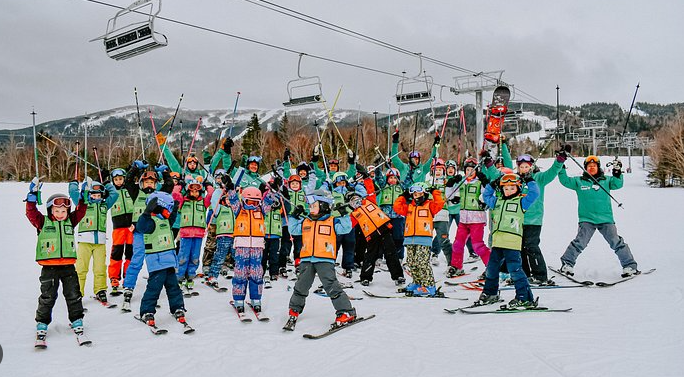
In 2025, SKI Magazine’s readers ranked Saddleback #1 ski resort in the East.
Number one. In the entire East. After being closed for five years.
If you wrote that in fiction, people would say it was unrealistic.
A different kind of ski mountain
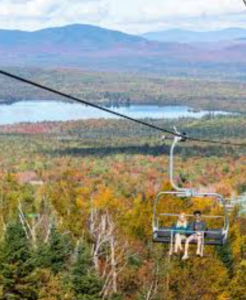 What makes Saddleback’s comeback special isn’t just the money or the lifts — it’s the philosophy behind it.
They’re leaning into:
- Independence — no mega‑pass, no corporate sameness
- Sustainability — that solar farm is a game‑changer
- Community — housing, childcare support, year‑round jobs
- Authenticity — the “real ski mountain” vibe people crave
In a world where so many ski areas feel interchangeable, Saddleback is intentionally not trying to be anything but itself.
Weather still rules the game
Of course, skiing is still skiing. Warm spells still happen. Rain still happens. Gas prices still matter. Travel budgets still matter.
But Saddleback is far more resilient now than it was in 2017. Better snowmaking, better infrastructure, and a broader year‑round recreation economy give Rangeley a buffer it didn’t have before.
Looking back at that 2017 trip
When I think about that quiet summer week — empty restaurants, shuttered lifts, locals who didn’t dare hope — it makes Saddleback’s comeback feel even more remarkable. Rangeley didn’t just survive. It reinvented itself.
A comeback nine years in the making — and absolutely worth celebrating. I can honestly say that I love a happy ending! Rangely, Maine got it’s miracle.
Share this:
- Share on Tumblr (Opens in new window) Tumblr
- Print (Opens in new window) Print
- Share on X (Opens in new window) X
- Share on Facebook (Opens in new window) Facebook
- Share on Pinterest (Opens in new window) Pinterest
- Share on Reddit (Opens in new window) Reddit
- Share on LinkedIn (Opens in new window) LinkedIn