🎄 A Word (or Phrase) of Caution
In this season of joy and celebration, it feels right to pause and think about the words we toss around. Language is powerful — sometimes more than we realize. A few everyday expressions carry histories that aren’t as harmless as they sound.
🥤 “Drink the Kool-Aid”
We’ve all heard it: “They really drank the Kool-Aid.” Today it’s shorthand for blind loyalty or swallowing rhetoric without question. But the phrase traces back to the Jonestown tragedy in 1978, when over 900 members of the Peoples Temple died after drinking cyanide-laced Kool-Aid. That’s a heartbreaking origin — not exactly the stuff of punchlines or pep-rally slogans.
 🚤 “Sold Down the River”
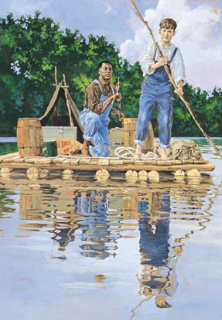
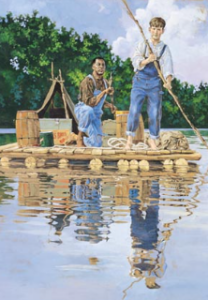
This one sounds almost adventurous, but its roots are devastating. The phrase comes from enslaved people being literally sold down the Mississippi River to harsher conditions on Southern plantations. What we now use to mean “betrayed” began with broken families and lives under slavery.
👴 “Grandfather Clause”
We often use this to mean a friendly exception — like when someone gets to keep an old perk after rules change. But in the late 1800s, “grandfather clauses” were legal tricks designed to block emancipated Black Americans from voting. What sounds casual today was once a tool of exclusion.

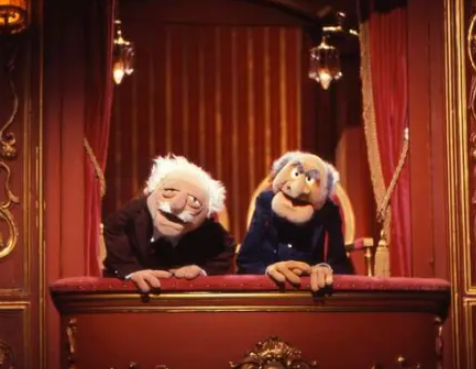
🥜 “Peanut Gallery”
It sounds playful, right? But the “peanut gallery” was the cheap seats in theaters, where patrons threw peanuts at performers. Over time, it became shorthand for hecklers or unwanted commentary — and carried undertones of class and racial exclusion. (Sorry, Howdy Doody, but that catchphrase has baggage!)
✨ Wrapping It Up
Like me, you’ve probably used these phrases without thinking twice. That’s the point — we don’t always know the stories behind our words. But once we do, it’s worth pausing before we repeat them. Some sayings aren’t as harmless as they seem, and choosing better words is one small way to spread kindness.
I’d love to hear what you think: have you ever caught yourself using a phrase with a surprising backstory? Can you think of other expressions we toss around that might deserve a second look? Share your thoughts — let’s keep the conversation going.