Massachusetts’ Quiet Wildlife Spectacle- the Herring Run

“Close‑up of river herring packed together as they swim upstream through shallow, rippling water during the Massachusetts herring run.”


The Herring Run in Massachusetts: Spring’s Quiet Wildlife Spectacle

Every spring in Massachusetts, something ancient stirs beneath the surface of our rivers. As the water warms, thousands of river herring — alewives and blueback herring — return from the Atlantic to the exact freshwater streams where they were born. This annual migration, known simply as the herring run, is one of New England’s most reliable signs that winter is finally loosening its grip.

It’s a small miracle that happens in plain sight, and once you know it’s happening, you start to notice the subtle excitement in the air: the gulls gathering, the osprey circling, the water suddenly alive with silver flashes.


What Exactly Is a Herring Run?

River herring are diadromous fish, meaning they split their lives between saltwater and freshwater. They hatch in ponds and streams, spend their early months growing there, then head out to sea. After several years in the Atlantic, instinct pulls them back home to spawn the next generation.

Massachusetts sees two species:

  • Alewife (early spring)
  • Blueback herring (late spring)

The run typically begins in late March or early April and peaks through mid‑May, depending on water temperature.


Why the Herring Run Matters

The run isn’t just a quirky local event — it’s a cornerstone of the coastal ecosystem. River herring are a crucial food source for:

  • Osprey
  • Herons
  • Striped bass
  • Bluefish
  • Seals
  • River otters
  • And now, increasingly, bald eagles

When the herring return, everything else wakes up too. It’s the ecological equivalent of turning the lights back on after winter.


🦅 Bald Eagles and the Herring Run

One of the most exciting changes in recent years has been the return of bald eagles to southeastern Massachusetts. After disappearing from the state for decades, they’ve made a dramatic comeback thanks to conservation efforts — and the herring run is one of the seasonal events that draws them in.

During the run, eagles:

  • perch in tall riverside trees
  • watch for slowed or struggling fish
  • swoop down to grab herring near the surface
  • occasionally steal fish from gulls (which the gulls do not appreciate)

Seeing an eagle over the river in April has become one of those “I can’t believe this is Massachusetts” moments.


A Tale of Two Coasts: Herring Run vs. Salmon Run

If you’ve ever watched the dramatic salmon runs in Alaska or the Pacific Northwest — the leaping fish, the roaring rivers, the bears lined up like they’re at a sushi conveyor belt — you might assume the herring run is the same thing on a smaller scale.

It is similar… but also wonderfully different.

🐻 Pacific Northwest: Bears

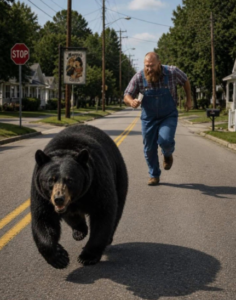
Salmon runs attract grizzlies who stand in the river and casually pluck salmon out of the air. It’s peak nature‑documentary energy.

🕊️ New England: Seagulls

Here?
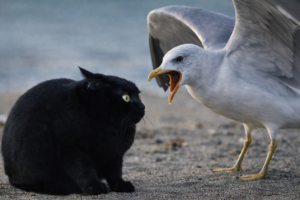
We get seagulls. Loud, pushy, unapologetic seagulls.
They’re not majestic, but they are extremely committed to the drama.

It’s less “National Geographic” and more “local gossip at the river.”

💀 Salmon die after spawning — herring don’t

Pacific salmon make one heroic, exhausting journey upstream and then die, feeding the ecosystem.

River herring?
They spawn, shake it off, and head back to sea. They can repeat the trip several times over their lifespan.

📏 Scale: Epic vs. Intimate

Salmon runs can look like the river is made of fish.
Herring runs are quieter — thousands, not millions — and concentrated at fish ladders and narrow channels. You can stand a few feet away and watch individual fish make their climb.

🗓️ Timing

  • Herring: early spring
  • Salmon: late summer into fall

So while the Pacific Northwest is gearing up for berry season and bears, we’re pulling on light jackets and heading to the fish ladder with coffee.


Do People Eat River Herring?

Historically, yes — they were smoked, salted, pickled, and even used as fertilizer. But today, harvesting river herring is banned in Massachusetts due to population declines.

So the only ones feasting during the run are:

  • gulls
  • osprey
  • herons
  • bald eagles
  • stripers waiting downstream

It’s a wildlife buffet, not a human one.


Where to See the Herring Run

Some of the best spots in Massachusetts include:

  • Oliver Mill Park, Middleboro — one of the most popular and photogenic
  • Mystic River & Mystic Lakes Dam, Medford
  • Parker River, Newbury
  • Town Brook, Plymouth

Each has fish ladders, viewing platforms, and plenty of opportunities for photos.

I’ve been watching the herring run for years, and every spring it feels like the river wakes up all at once. The gulls start screaming, the water churns, and suddenly you realize winter is officially over.


National Cat Lady Day: I Was Born Ready


Long live the Cat Ladies.
Endorsed by the Feline Nap Authority.

 National Cat Lady Day

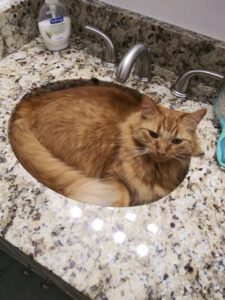
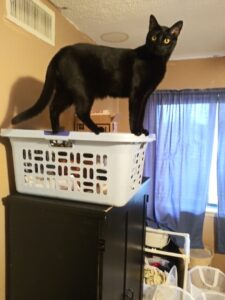
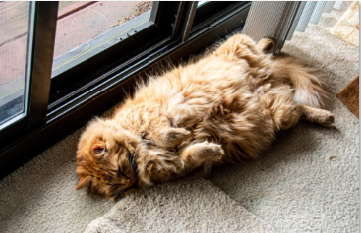
Today is National Cat Lady Day, which is really just a polite way of saying “the cats were already in charge, but now it’s official.”

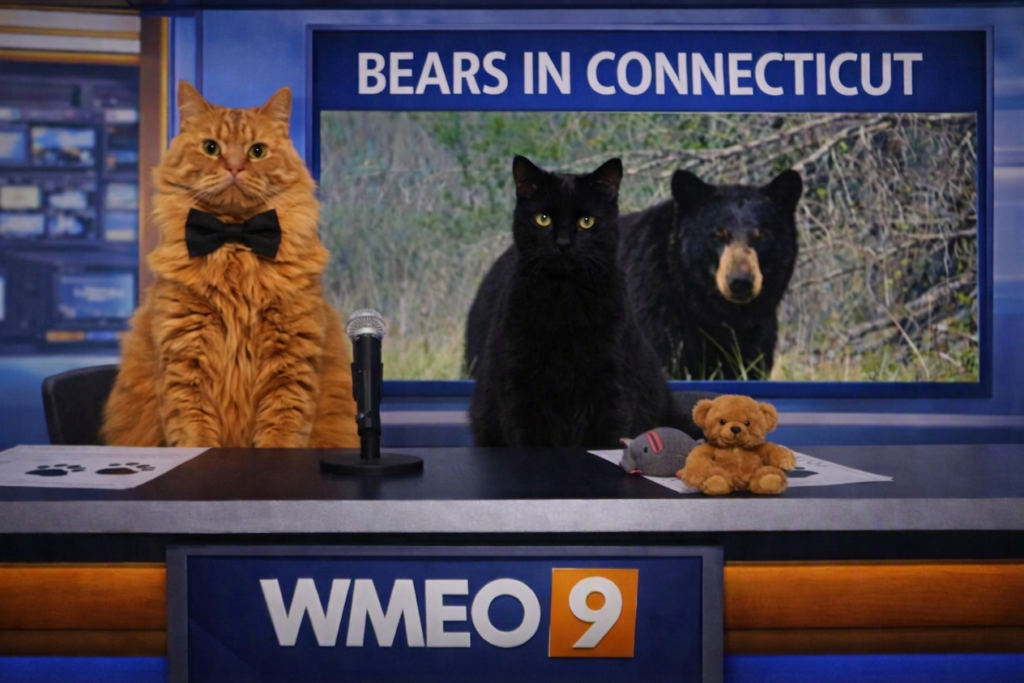
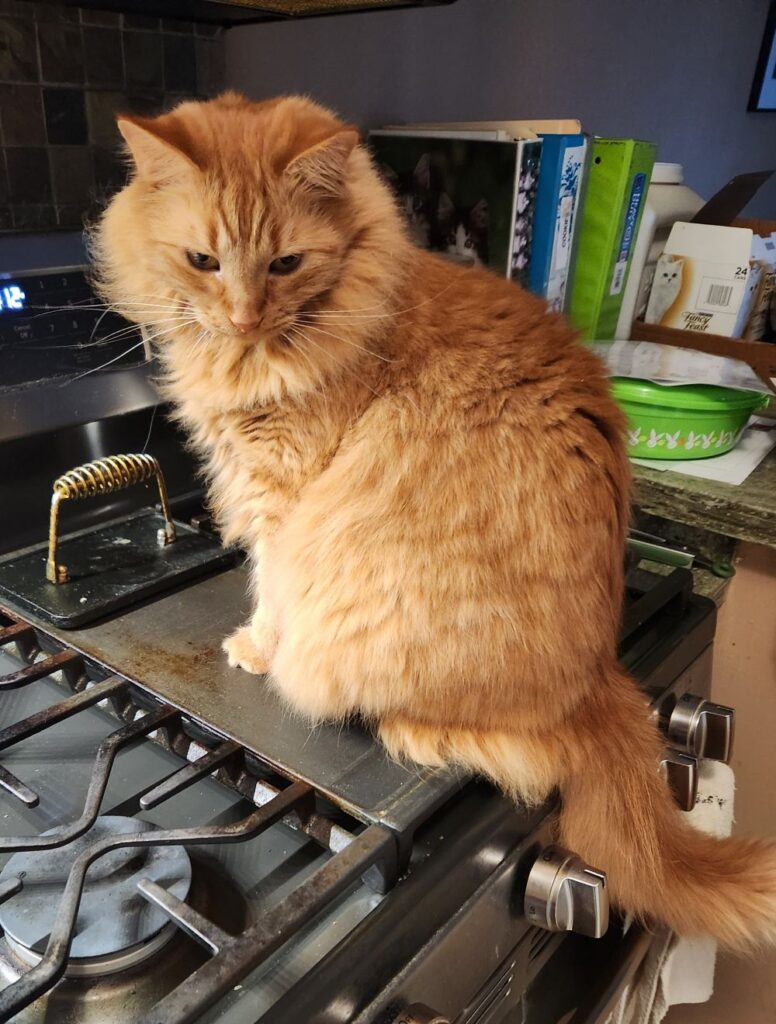
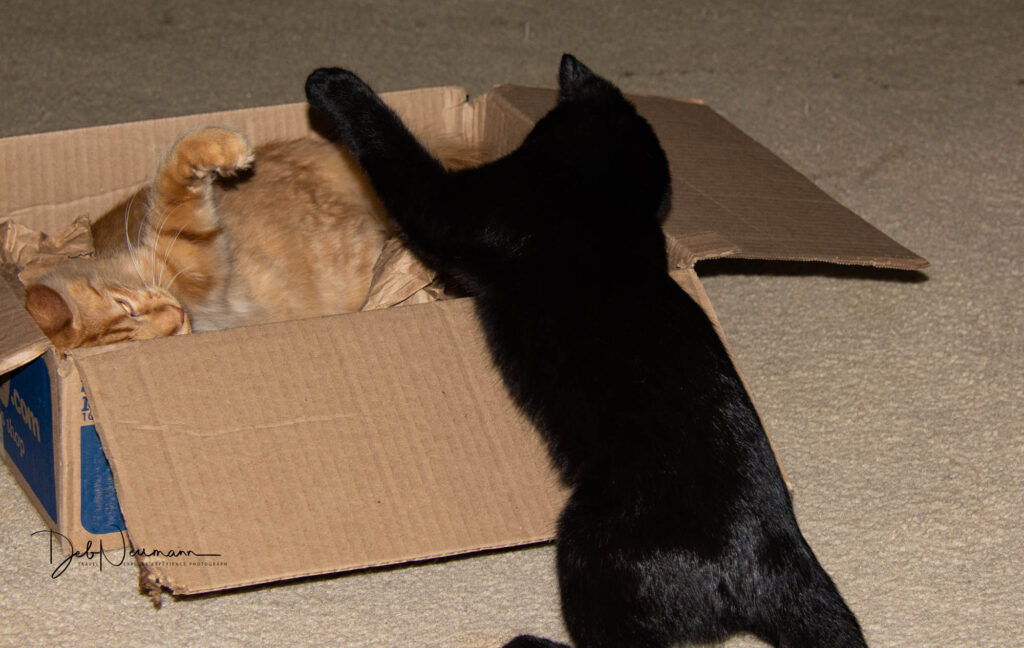
Banner and Balboa have graciously allowed me to observe the holiday by:

  • Providing snacks on demand
  • Serving as a heated lap accessory
  • Accepting that every chair is a cat chair
  • And remembering that I am merely the staff

If you, too, have ever canceled plans because a cat fell asleep on you, congratulations — you’re celebrating correctly.

Long live the Cat Ladies.
Endorsed by the Feline Nap Authority.


From My Screen to the Sea: A Green Turtle Moment

I love logging in each morning to see what gorgeous picture Bing has dropped onto my desktop. They never disappoint. But today’s image stopped me in my tracks — a green sea turtle gliding through clear blue water.

Why so special? Because I actually swam with them in Hawaii. Their eyes are beautiful, and I know it sounds silly, but I think their little beaked faces are just adorable. Just saying.

snuba at Turtletown 2020

Funny how a desktop picture can bring back a whole wave of happiness.

Fiona: Britain’s Loneliest Sheep

Fiona Britian's lonliest cheep trapped at the base of her cliff


🐑 The Mystery, the Miracle, and the Happy Ending

Every so often, a story comes along that feels like it wandered straight out of a folk tale. Fiona — the sheep who survived more than two years stranded at the base of a cliff in the Scottish Highlands — is one of those stories. She became a national fascination, a symbol of quiet endurance, and eventually the star of one of the most dramatic animal rescues in recent memory.

But the biggest question, the one even the rescuers still shrug over, is this:

How did she get down there in the first place?

It’s the kind of bizarre animal mystery that feels straight out of my post on unusual wildlife facts — nature always finds new ways to surprise us

🧩 The Mystery No One Can Solve

Fiona was first spotted in 2021 by a kayaker paddling along the Moray Firth. She was alone on a narrow strip of rocky shoreline, with an 820‑foot cliff rising straight up behind her. When the same kayaker returned in 2023 and found Fiona still there — heavier, woollier, and very much alive — it became clear she hadn’t left that spot in years.

The cliffs are nearly vertical. Boats can’t land safely. Herding dogs couldn’t reach her. So how could a sheep end up there at all?

The most accepted theory is that she didn’t fall from the top — she likely wandered onto a sloping section of cliff or a narrow sheep path and slipped down gradually, scrambling from ledge to ledge until she reached the bottom. Once she was down there, she was trapped. Too steep to climb up, too rocky to escape by sea.

Could she have survived a full fall? Unlikely. Sheep are tough, but not that tough. A slow slide or misstep on unstable ground makes far more sense.

However she arrived, she stayed. For more than two years.

🌿 How She Survived

What makes Fiona’s story so astonishing is not just that she lived — but that she lived well.
She had:

  • Grass and seaweed to graze
  • A small cave for shelter
  • No predators
  • A surprisingly calm temperament, even after years alone

When rescuers finally reached her, they found a sheep who was overweight, overgrown, and overdue for a haircut — but otherwise in remarkable condition.

🧗 The Rescue That Captured the World

Fiona Needs a Haircut..

In November 2023, a team of farmers and a sheep shearer named Cammy Wilson decided they couldn’t leave her there any longer. Using ropes, climbing gear, and a winch system, they descended the cliff, found Fiona in her cave, and hauled her up the 250‑meter slope.

Her fleece alone weighed about 20 pounds.
Her spirit, somehow, weighed nothing at all.

🐑 A Happy Ending Worth Celebrating

Here’s where Fiona’s story shifts from survival tale to something much sweeter.

Once she arrived at Dalscone Farm Park, she didn’t retreat or shut down. She didn’t become skittish or withdrawn. Instead, she eased herself back into the rhythm of flock life — something sheep rely on for emotional stability. Sheep are herd animals to their core; they need the presence of others to feel safe. The fact that Fiona’s mental health survived two years of total isolation is almost as miraculous as her physical survival.

And then came the surprise no one expected.

Fiona became a mum. To twins.

For a sheep who spent years without another of her kind in sight, the image of her standing in a peaceful pasture with two lambs pressed against her side feels like the universe giving her back everything she lost.

Today, Fiona has:

  • A gentle herd to move with
  • Open fields instead of cliffs
  • Keepers who adore her
  • And two healthy lambs who will never know the loneliness she endured

Her story began on a desolate shoreline, but it ends in sunlight, safety, and the soft murmur of a flock around her.

A lonely life rewritten into a peaceful one.


National Pet Day


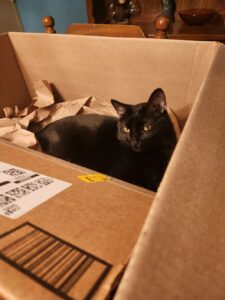
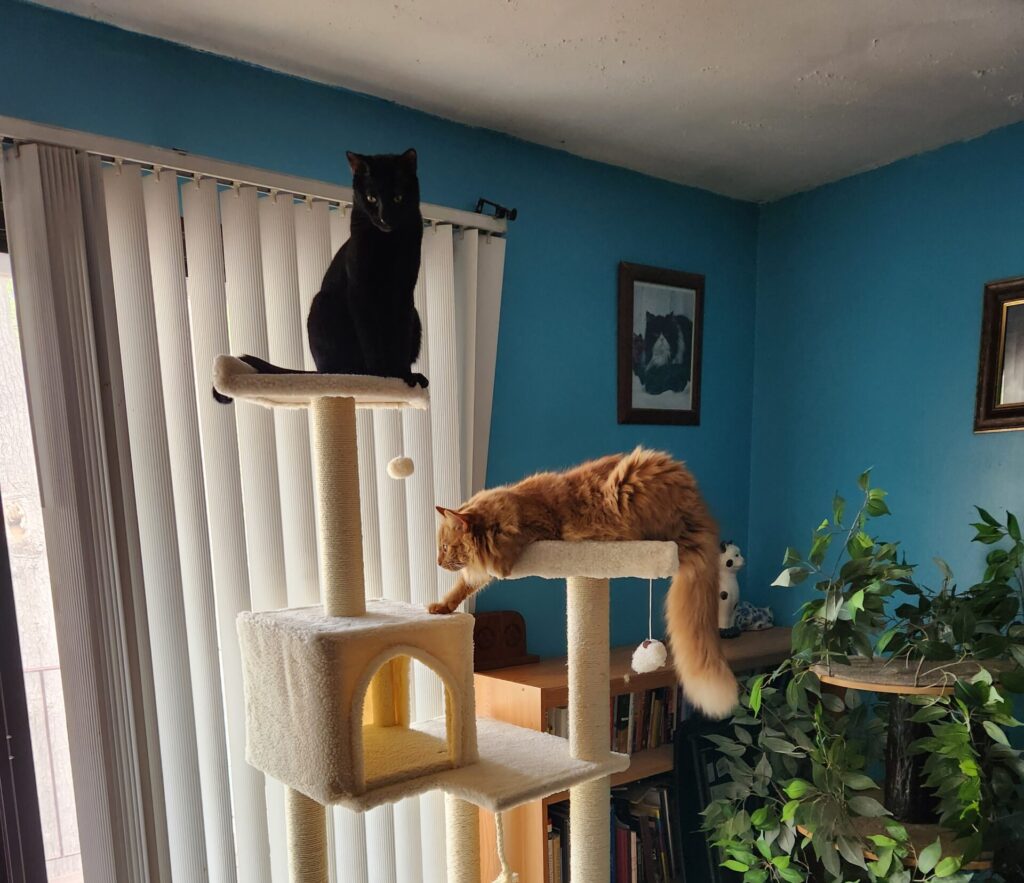
Pets bring us joy and companionship. They help prevent loneliness. My buddies Banner amd Balboa


Happy National Pet Day

National Pet Day deserves every bit of celebration it gets. Anyone who has ever shared their life with an animal—whether you call yourself an owner, guardian, or humble staff member—knows how deeply a creature can enrich your world.


Why the Day Matters

Pets support us in ways both seen and unseen. Research shows they can reduce stress, lower blood pressure, improve cardiovascular health, and ease loneliness. They nudge us into routines, movement, and connection. And beyond the science, they strengthen our compassion and remind us what unconditional love looks like.

All Creatures, Great and Small

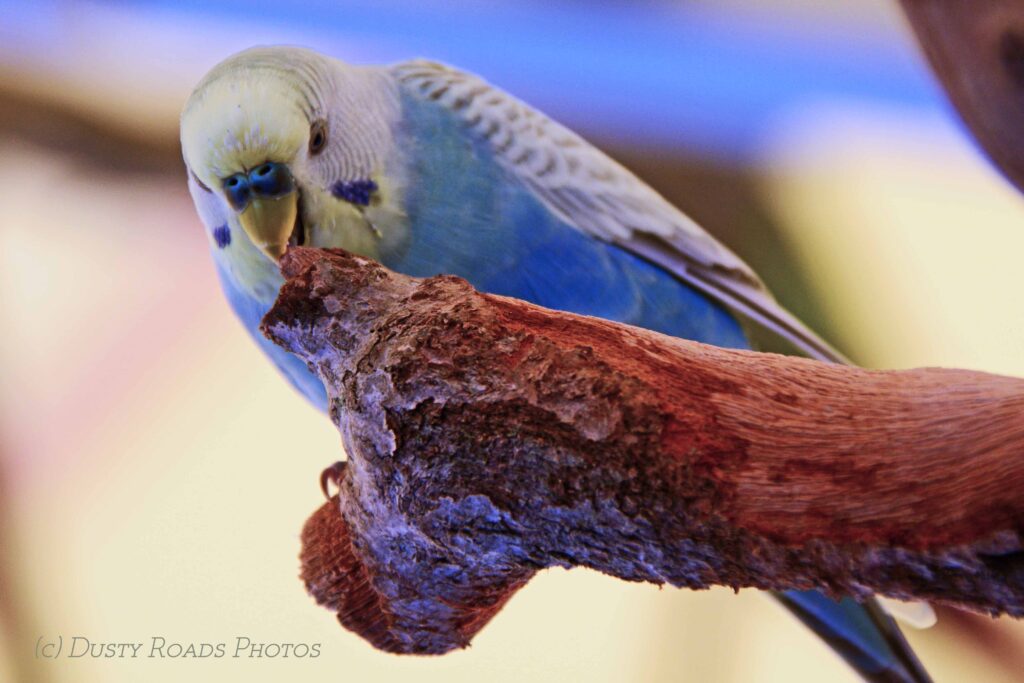
Most people picture dogs and cats when they think of pets, but the definition has stretched right along with our hearts. People adore everything from mice and lizards to pot‑bellied pigs—yes, including the famously named “Crispy Bacon.” Others bond with horses, donkeys, cows, even elephants through sanctuary or zoo programs.

I grew up with horses myself and had a bond with one that still sits in my memory like sunlight. These days, though, I’m firmly in my cat era. I support the Animal Rescue Site, and back when I lived in Randolph, I cared for a feral colony of abandoned cats. It was messy, meaningful work, and it taught me a lot about resilience and trust.

What Pets Give Us

Pets bring joy, companionship, and a sense of purpose. They comfort, guide, and support us—sometimes officially as service or emotional‑support animals, sometimes simply by curling up beside us and purring like a tiny engine of reassurance.

Banner and Balboa, of course, believe every day is Pet Day. They’re not wrong. But it’s nice to have one day set aside to honor the furry, feathered, and scaled friends who make our lives fuller.

Happy National Pet Day to all who love and are loved by an animal.