The Reverse Sear: A New Englander’s Indoor Steak Victory

Raw sirloin steak prepared for a reverse‑sear recipe, shown with garlic on parchment.

Life Before the Condo Rules

New Englanders are a hearty lot. Around here, there’s no such thing as “Grilling Season.” We grill in snowstorms, nor’easters, and the occasional blizzard just to feel alive. I was no different. I cooked everything on my Weber — steaks, turkeys, potatoes, corn, kabobs, chicken, fish. Honestly, I used my grill more than my stove.

Then I bought my condo.

It has a lovely west‑facing deck, and I pictured myself out there year‑round, happily grilling under shelter like a civilized cavewoman. What I didn’t picture was the fire code. Not only could I not grill on the deck, I couldn’t even store a grill there. The only allowed option was an electric grill and… well… if I’m going to cook on a glorified space heater, I might as well use my stove.

So began my quest: how do you cook a steak indoors that still satisfies the primal red‑meat urge?


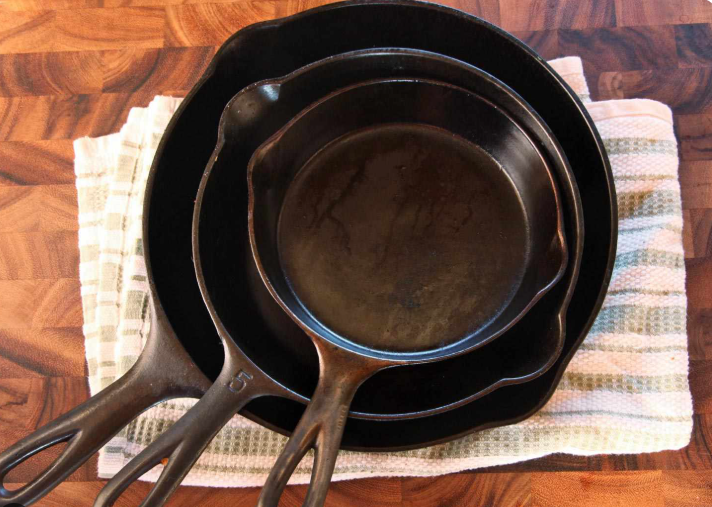
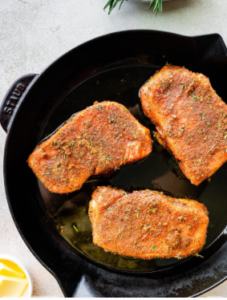
My Cast Iron Era: The Classic Pan Sear

For years, my go‑to method was the classic pan sear in my beloved cast iron skillet. If you’ve never done it, here’s the quick version:

How a Traditional Pan Sear Works

  • Heat a cast iron skillet until it’s smoking hot.
  • While it heats, coat your steak lightly in vegetable oil, salt, and pepper.
  • Lay the steak in the pan — you’ll get that glorious sizzle and a puff of smoke that could set off every alarm in the building.
  • Sear for a couple of minutes on the first side to build a crust, then flip and repeat.
  • Remove from heat and let it rest while you prep your sides.

It’s fast, it’s flavorful, and it gives a great crust. But it also fills the kitchen with smoke, and the inside of the steak can go from rare to overcooked in a heartbeat.

Lately, I wanted something better — something more steakhouse‑level without steakhouse prices.

And that’s when I found it.


Enter: The Reverse Sear

I’m only one person, and after years of dieting, I can’t eat a whole steak in one sitting. So when Hannaford’s had one of their rare steak sales, I grabbed a nice sirloin for $13. It was small, so I got three good cuts out of it — just $4.33 per meal. That’s a win.

Now I just needed the perfect cooking method.

Reverse sear won by a landslide. Tender, evenly cooked, beautifully crusted — every time. I’m hooked.

Here’s how to do it.


How to Reverse Sear a Steak (No Grill Required)

Step 1: Prep Your Steak

  • Start with a thick cut — at least 1.5 inches.
  • Pat it completely dry.
  • Season generously with kosher salt and pepper.
  • Add garlic powder or any spices you love.
  • Place on a wire rack (I use my air fryer basket).

Step 2: Slow Cook

  • Preheat your oven to 250°–275°F.
  • Place the steak on the rack over a baking sheet.
  • Bake for 30–50 minutes, until the internal temp reaches 115°F for rare.
    • My smaller steaks usually hit this around the 30‑minute mark.

Step 3: High‑Heat Sear

  • Heat your cast iron skillet over high heat until it just starts to smoke.
  • Add a high‑smoke‑point oil (canola, vegetable, avocado).
  • Sear the steak 60–90 seconds per side until a deep brown crust forms.

Step 4: Rest and Serve

Because the steak cooked low and slow, it barely needs resting. A minute or two is plenty.


Notes & Tips

  • Many recipes suggest salting the steak and leaving it uncovered in the fridge for up to 24 hours. I haven’t tried it, but it’s supposed to improve the crust. If you test it, report back.
  • If you don’t mind smoke, add a pat of butter during the sear for extra flavor — just know it will burn.
  • A probe thermometer is essential to avoid overcooking before the sear.
  • A dry, heavy skillet (cast iron is best) gives the best crust. Make sure it’s screaming hot.
  • Add aromatics (butter, garlic, herbs) during the last minute of the sear and baste for extra flavor.

Regular Sear vs. Reverse Sear

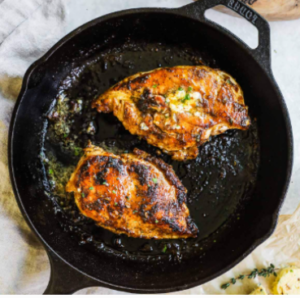
You be the judge. I know which one I prefer — and I’d love to hear which method wins in your kitchen.


Rhubarb: -The Original Sweet‑Tart Rebel

Wild Rhubarb gowing a a profusion of leaves and begging to make into a pie. A beautiful memory from my childhood

Wild Rhubarb Patch


🌿 Rhubarb: The Tart, Wild, Wonderful Spring Ritual

I grew up with a wild rhubarb patch — the kind that came back every year without being asked, without being watered, without being pampered. We’d wander out, snap off a few sturdy stalks, and head back inside to make sauce or pie. No ceremony, no measuring, just that sharp green‑red crunch and the promise of something tart and sweet bubbling on the stove.

Once I became an adult, though, I don’t remember making many rhubarb pies at all… or many pies, period. That was my mom’s skill set, not mine. But I did make the sweet‑tart rhubarb sauce — the kind you drizzle over warm biscuits for breakfast or dollop onto vanilla ice cream. It was simple, bright, and tasted like spring in a spoon.

But the funny thing about getting older is how the staples of your youth start tugging at you. Out of nowhere, you miss the things you didn’t even realize were woven into your childhood. And just the thought of those rhubarb pies — the tart filling, the soft pink juices, the smell drifting through the house — started my mouth watering.

So I did it.
I made a rhubarb pie.

After all, I’ve mastered apple… why not rhubarb? And you know what? It worked. It was everything I remembered: tart, rosy, fragrant, and just a little wild.


🍓 Is rhubarb a fruit?

Botanically, rhubarb is a vegetable — a cousin of buckwheat and sorrel.
Culinarily, it’s treated like a fruit because it shines in pies, jams, and sauces. In 1947 the U.S. even reclassified it as a fruit for import tariffs because everyone was baking with it.


☠️ Are the leaves really poisonous?

Oh those huge, waving glorious leaves.  Tough and green they are the crown of the the red stalks. But are they really poisonous? Yes — the leaves contain high levels of oxalic acid, which can be harmful if eaten.
The stalks, however, are perfectly safe and delicious. Just chop off the leafy tops and compost them. Or if you’re a kid, run around the yard waving those leaves like flags, pretending they were shields or capes. I had no idea they were the “don’t eat this” part of the plant.

Most gardeners simply cut the leaves off and toss them in the compost. The plant knows what it’s doing — it protects itself with a built‑in warning label.


🎨 Color: Rhubarb’s Great Plot Twist

Rhubarb comes in every shade from deep ruby to streaky pink to full‑on green.
And here’s the secret: color has nothing to do with flavor. Green rhubarb can be just as tart and bright as the reddest stalk. Once it cooks down with sugar, the juices turn rosy anyway — sometimes ruby, sometimes golden‑pink, sometimes a warm sunset shade. Real rhubarb pies rarely look like the neon‑red photos online, and that’s part of their charm.


😋 The Taste: Tart, Bright, and Completely Addictive

Rhubarb doesn’t pretend to be sweet. It comes in bold, tart, and unapologetic — the kind of flavor that wakes you up and makes you pay attention. Add sugar and heat, and it softens into something lush and nostalgic, the taste of early spring before anything else is ready to harvest.


🌱 A Few Fun Rhubarb Facts

  • Rhubarb plants can live 20+ years in the same spot.
  • Forced rhubarb (grown in dark sheds) is so tender it’s harvested by candlelight.
  • The stalks get more tart as the season goes on — early spring is the sweet spot.
  • Some varieties are bred for color, not flavor, which is why your pie might not be red even if the stalks were.
  • Rhubarb was once prized as a medicinal plant long before it became a dessert star.

🥧 And now… the pie

Once I decided to finally make one, I kept it simple. There are countless variations online, but this recipe is tested, reliable, and friendly enough that even a novice baker can make a successful treat. If you try it, let me know — I’d love to hear how yours turns out.


Here’s the recipe I used:


Rhubarb Pie 

Ingredients

  • 2 lbs rhubarb, cut into 1‑inch pieces (about 7 cups)
  • 1 ½ cups granulated sugar
  • ¼ cup cornstarch
  • 1 Tbsp lemon juice
  • ¼ tsp kosher salt
  • 2 batches pie dough (homemade or refrigerated)
  • All‑purpose flour, for rolling
  • 1 Tbsp cold butter, cubed
  • 1 large egg + ½ tsp water (egg wash)
  • Sanding sugar, for sprinkling

Directions

  1. Mix dry ingredients
    Combine sugar, cornstarch, and salt in a large bowl.
  2. Prepare crust
    Roll each dough round to 12 inches. Fit one into a 9‑inch pie plate.
  3. Layer filling
    Sprinkle ⅓ of the sugar–cornstarch mix over the bottom crust.
    Add rhubarb and lemon juice.
    Sprinkle remaining sugar mixture on top.
    Dot with butter.
    Add top crust; trim and crimp edges.
  4. Vent and chill
    Cut 5 slits in the top crust.
    Freeze assembled pie for 30 minutes.
  5. Bake
    Preheat oven to 375°F.
    Brush with egg wash; sprinkle sanding sugar.
    Bake on middle rack with a foil‑lined sheet on the lower rack.
    Bake about 1 hour, tenting if browning early.
    Continue baking until filling bubbles in the center and vents (about 30 minutes more)
  6. Cool completely
    Cool on a rack 3–4 hours for clean slices.

Notes

  • Peeling: Optional; peel only if stalks feel tough or stringy.
  • Cutting: Kitchen shears or a sharp knife both work.
  • Color: Red or green rhubarb both bake normally; color doesn’t affect flavor.
  • Doneness: Fully baked only when bubbling in the center.
  • Cooling: Full 3–4 hours helps the filling set.


MMM


It’s Angel Food No Matter What You Call It

Partially sliced angel food cake covered in light toffee‑flavored whipped topping, with a single slice served on a blue plate.


 Dirty Angel Cake (or Angel Toffee Cake… depending on who you ask)

You’ve all heard the expression “It’s what’s for dinner.”
Well, this one is “It’s what’s for dessert.”

I stumbled across this recipe, and it immediately caught my eye — interesting, a little nostalgic, and just begging to be tried. And before the purists clutch their pearls, let me offer a pre‑emptive apology. Yes, it calls for Cool Whip. No, you don’t have to use it. If whipped cream is more your style (or your conscience), swap away.

Now, full disclosure:
I like angel food cake plain… or with fresh strawberries and a dollop of whipped cream or Cool Whip. I’m equal‑opportunity when it comes to toppings. But this recipe sounded intriguing enough to break my usual routine.

And I really cut corners here.
Store‑bought angel food cake.
Cool Whip straight from the tub.
A bag of toffee bits.
I made absolutely nothing from scratch. Shame on me. And yes I admit, mine’s a little more messy than the pro’s but I bet mine tastes just as good.

And you know what? I tossed it all together and ended up with this light, fluffy, toffee‑kissed angel cake that tastes way fancier than the effort involved.

Some call it Dirty Angel Cake.
Others call it Angel Toffee Cake.
Whatever the name, it’s yummy.

For the Full recipe click here

Cake lovers, there’s more ideas where this came from


Monday’s Special From Andy Anand- Chocolate Ginger Cake

Don’t Forget  Monday’s Special treat from Andy Anand Chocolatier

Shop your sweet treats Here


This post contains affiliate links and helps to support our little corner of the internet

Chocolate‑Dipped Caramel Coconut Bites


🌸 Homemade Chocolate‑Dipped Caramel Coconut Bites (Perfect for Mother’s Day!)

Affiliate Disclosure:
This post contains affiliate links. If you purchase through my links, I may earn a small commission at no extra cost to you. Thank you for supporting my little corner of the internet.


Does your mom have a sweet tooth? There’s nothing quite like a homemade gift for Mother’s Day. Anyone can run out and buy something, but when you make something by hand, it carries a different kind of love. It says you spent your time, your effort, and a little bit of your heart creating something just for her.

And unlike those candies that “melt in your mouth, not in your hand,” these little treats absolutely do melt in your hand — and honestly, that’s part of their charm. They’re soft, gooey, chocolatey, and the kind of bite you pop into your mouth before the chocolate has a chance to escape down your fingers.

If your mom is a fan of Mounds or Almond Joy, I have just the thing for you.

These Chocolate‑Dipped Caramel Coconut Bites are layered, chewy, sticky, sweet, and dangerously addictive. They look fancy, but they’re surprisingly simple to make.


🍫 Minimal Baking, Maximum Melt‑and‑Spread

Although you do need to turn on the oven, the baking here is minimal — just long enough to set the coconut base so it holds together. After that, it’s all melt‑and‑spread magic:

  • Melt and spread the caramel.
  • Melt and spread the chocolate.
  • Chill.
  • Slice into pop‑in‑your‑mouth squares.

That’s it. No candy thermometer. No complicated steps. Just layers of deliciousness that come together with very little fuss.

They’re the kind of treat that looks like you spent all afternoon making them… even though you didn’t.


🥥 The Recipe  Chocolate Dipped Caramel Coconut Bites

These Chewy coconut bites are layered with soft caramel and finished with a smooth
chocolate coating on top. They have a toasted coconut texture, gooey caramel center , and
a rich chocolate finish.

Main Ingredients

• 2 ½ cups sweetened shredded coconut
• ½ cup sweetened condensed milk
• 1 teaspoon vanilla extract
• 1 egg white

For the Caramel Layer

• 1 cup soft caramels or caramel bits
• 3 Tablespoons heavy cream

For the Chocolate Topping

• 1 cup semi-sweet chocolate chips
• 2 teaspoons coconut oil or butter

The coconut, caramel and chocolate base ready for cutting

Directions

1. Preheat oven to 325° F and line an 8 X 8-inch pan with parchment paper
2. In a bowl, mix shredded coconut, sweetened condensed milk, vanilla extract and
egg white until evenly combined
3. Press the coconut mixture firmly into pan and bake 18-22 minutes until slightly
golden around the edges and slightly toasted. Let cool.
4. Melt Caramels with heavy cream until smooth and thick. Then spread the caramel
over the cooled coconut base.
5. Chill for 20-30 minutes so the caramel firms up slightly
6. Melt chocolate chips with coconut oil or butter until smooth and glossy. Spread
chocolate over the caramel layer
7. Drizzle a little extra chocolate over the top for a bakery style finish.
8. Chill until fully set, then cut into small squares or bites.

Calories per square- 150

Variation

Add Almond halves or sliced almonds and drizzel with chocolate for a more Almond Joy Vibe. Just as yummy but with a crunch


🎁 A Sweet Little Mother’s Day Gift

If you want to turn these into a Mother’s Day gift, a cute little box makes all the difference. I found this floral “Mom Ever” box at Gift Lab — it’s the only decorative box they have right now, but it’s adorable and just the right size for a handful of these chocolate‑caramel coconut bites.

Gift Lab also has lots of other Mother’s Day‑friendly items: personalized gifts, photo keepsakes, and sweet little things that pair beautifully with a homemade treat. I’ll link the box and a few favorites below.

Shop GiftLab


Even one small box filled with these pop‑in‑your‑mouth bites is enough to make Mom smile.

If chocolate, caramel, and coconut don’t say “I love you,” I don’t know what does.

*****************************************************************************************************************

Note:
I discovered that if you don’t cut the squares right away (I didn’t), the chocolate gets pretty firm and makes next‑day slicing a bit of a challenge. That got me thinking: why not skip the pan altogether next time?

Try this variation:
Use a small scoop to portion the coconut mixture into little mounds, Place on a cookie sheet covered with parchment paper. Press a small indentation in the center, and bake as usual. Once cooled, spoon caramel into the indentation, press an almond on top, and dip the whole thing in melted chocolate. Same flavors, same layers — just in cute individual “Mounds” style bites. Basically a homemade Almond Joy.

I’m going to try this version next time. If any of you beat me to it, let me know how they turn out.