Hidden Gems Across Massachusetts

Bridge of Flowers is a truly magnificent concept. Its a lovely place for a visit


Four Massachusetts Spots Worth Rediscovering (or Discovering for the First Time)

Every now and then I stumble across an article that reminds me just how much there is to see right here in Massachusetts. You can live in a place your whole life and still find new corners, new stories, and new surprises tucked away in familiar towns. It got me thinking about the places I’ve visited, the ones I’ve written about, and the ones still sitting on my “someday” list.

Here are four Massachusetts spots that deserve a little extra love — whether you’ve been there before or, like me, are still discovering them.


🌾 Old Sturbridge Village

I visited Old Sturbridge Village long before I started this blog, sometime before 2011. It’s one of those places that stays with you. I even mentioned it in my early post “Itchy Feet” from November 7, 2011.

“No, it’s not athlete’s foot. I’ve been around home too much. I’m getting restless and need to go exploring.”
(Internal link: https://arounddustyroads.com/2011/11/07/itchy-feet/)

Old Sturbridge Village is a living museum in Sturbridge, Massachusetts, recreating rural New England life from the 1790s through the 1830s. It’s actually the largest living museum in New England, spread across more than 200 acres of historic buildings, working farms, and costumed interpreters who bring the past to life.

One of the things I’ve always loved about OSV is the way the demonstrations feel so authentic — from blacksmithing to cooking over an open hearth — all done in period clothing. I just missed their maple sugaring season this year, which started on February 18, but that’s one of the experiences I’d love to go back for someday.

Even though it’s been years since my last visit, Old Sturbridge Village is one of those places that reminds me why I love exploring New England. There’s always something new to learn, even in a place dedicated to the past.


🌸 Bridge of Flowers

The Bridge of Flowers is one of those places that feels almost magical, and I first wrote about it way back on May 20, 2011, in a post called “Turner Falls, Flowers and Pot Holes.” At the time, I admitted it had been years since my first visit — and I even misremembered the location. I thought it was in North Adams, but it’s actually in Shelburne Falls.
(Internal link: https://arounddustyroads.com/2011/05/20/turner-falls-flowers-and-pot-holes/)

The Bridge of Flowers is truly one of a kind. Originally built around 1908 as a trolley bridge, it spans the Deerfield River between the towns of Shelburne and Buckland. When the trolley line was abandoned in 1928, the concrete bridge sat unused until Antoinette and Walter Burnham proposed a bold idea: turn the old trolley span into a giant flower garden. By 1929, their vision became reality.

Today, the 400‑foot, five‑arch bridge is planted with over 500 varieties of flowers, all chosen to ensure blooms from early spring straight through late fall. Volunteers tend every inch of it, keeping the bridge vibrant and colorful throughout the growing season.

I included some of my original photos in that 2011 post. They’re probably buried in my 10,000‑plus image archive. Even so, the memories are still vivid. The Bridge of Flowers is a place that stays with you.


🎨 Norman Rockwell Museum

I’ve lived in Massachusetts my whole life, and somehow I’ve never made it to the Norman Rockwell Museum in Stockbridge. I know it’s one of those places everyone talks about — especially around the holidays when Rockwell’s paintings seem to pop up everywhere — but it’s still on my “someday” list.

The museum houses the world’s largest collection of Rockwell’s work, including his famous Saturday Evening Post covers. Even if you’re not an art buff, there’s something comforting and familiar about his style. His paintings feel like snapshots of small‑town America, full of humor, nostalgia, and little moments that say more than words ever could.

I’ve heard the grounds are beautiful too, especially in summer and fall. Maybe this will be the year I finally make the trip. It’s funny how you can live in a state for decades and still have places left to explore.


🌿 Long Hill Estate

This one genuinely surprised me — I had never even heard of Long Hill Estate until I came across the article that inspired this post. It’s in Beverly and managed by The Trustees, which already tells me it’s going to be beautiful. They have a knack for preserving some of the most scenic spots in Massachusetts.

From what I’ve learned, Long Hill is a former family estate with formal gardens, woodland trails, and a historic home. The gardens are supposed to be stunning in spring and summer, filled with color and carefully tended plantings. It sounds like the kind of place you wander through slowly, camera in hand, soaking in the quiet beauty.

Now that it’s on my radar, I’m adding it to my “must‑visit” list. I love discovering new places close to home — especially ones I somehow missed all these years.


🌤️ Final Thoughts

Massachusetts may be a small state, but it’s packed with history, beauty, and surprises. Whether it’s a place I visited years ago, a spot I’ve written about, or a destination I’ve only just discovered, there’s always something new waiting just around the corner.

Have you been to any of these places?
Which ones are your favorites — or still on your list?


Plymouth Rock: The Legend, the Letdown, and the Lovely Town Around It


The Most Overrated Tourist Attractions? Let’s Talk About Plymouth Rock

So I saw another list, but we’re not going to dig through it all. I’m just going to pick and choose a few choice comments. The list was The U.S. Tourist Attractions That People Regret Visiting the Most. As a travel enthusiast, I felt it was my duty to share a few of my thoughts.

Since I’m in Massachusetts and only a couple of towns over from Plymouth, I thought I’d chat about Plymouth Rock.

What was on the list? Well, without taking the time to bore you with details, here’s the lineup:

  1. Times Square, NYC, New York
  2. Skywalk, Grand Canyon, Arizona
  3. SeaWorld, Orlando, Florida
  4. Salem Witch Museum, Salem, Massachusetts
  5. Hollywood Walk of Fame, Los Angeles, California
  6. Broadway, Nashville, Tennessee
  7. Duval Street, Key West, Florida
  8. Pat’s King of Steaks, Philadelphia, Pennsylvania
  9. Roswell, New Mexico
  10. Ocean City Boardwalk, Ocean City, Maryland
  11. Mystery Spot, St. Ignace, Michigan
  12. Plymouth Rock, Plymouth Harbor, Massachusetts
  13. Navy Pier, Chicago, Illinois
  14. Calico Ghost Town, San Bernardino County, California
  15. World of Coca-Cola, Atlanta, Georgia
  16. Fisherman’s Wharf, San Francisco, California

So now you have the whole list—let me talk about Plymouth Rock.


Plymouth Rock: The Legend, the Letdown, and the Lovely Town Around It

As a kid, the idea of Plymouth Rock is irresistible. It’s practically mythological—the rock where the Pilgrims supposedly stepped ashore in 1620. You picture something massive, dramatic, maybe glowing with historical importance. At the very least, something you could stub your toe on.

Then you finally go see it and… well… it’s a medium-sized rock in a granite gazebo, sitting behind iron bars like it’s in time-out. You stand there thinking, This? This is the rock? And yet, thousands of people come every year to have the same moment of quiet confusion.

But here’s the twist: the story behind the rock is far more interesting than the rock itself. And Plymouth—thankfully—is full of genuinely lovely places that make the trip worthwhile.


The Real Story Behind the Rock (Which Is Better Than the Rock)

  • No Pilgrim ever mentioned a rock. Not in 1620, not in 1621, not ever. The first written reference appears more than a century later.
  • The legend began in 1741, when an elderly church elder insisted he remembered hearing from earlier generations that this was the landing spot.
  • The rock has been moved several times, and each move made things worse:
    • 1774: Townspeople tried to relocate it and accidentally split it in half.
    • 1834: The top half was hauled to the town square for display.
    • 1880: The halves were reunited at the waterfront, but not quite perfectly—hence the famous crack.
  • The “1620” carving? Added in the 1800s, long after the Pilgrims were gone.

So the rock you see today is more of a symbol than an artifact. And symbols can be powerful… even if they’re smaller than expected.


What Makes Plymouth Worth the Trip

Plymouth itself is charming, historic, and absolutely worth a visit—even if the rock leaves you shrugging.

  • Brewster Gardens — A pretty little park right off the waterfront with footbridges, flowers, and shady paths. It’s the kind of place you wander into and think, “Oh, this is lovely.”
  • The Massasoit Statue — Overlooking the harbor, honoring the Wampanoag leader who forged a peace treaty with the Pilgrims. The view from up there is one of the best in town.
  • The Mayflower II — A full-scale reproduction of the original ship. It’s surprisingly immersive, and the interpreters do a fantastic job bringing 1620 to life.
  • Plimoth Patuxet Museums — If you want the real, nuanced history—not the postcard version—this is where it lives.

Plymouth isn’t overrated. Historic Plymouth Rock is.


And Now for Something Actually Exciting: Captain John Boats

Once you’ve stared at the rock for the obligatory 30 seconds, you’re only steps away from one of the best things Plymouth has to offer: Captain John’s whale watches.

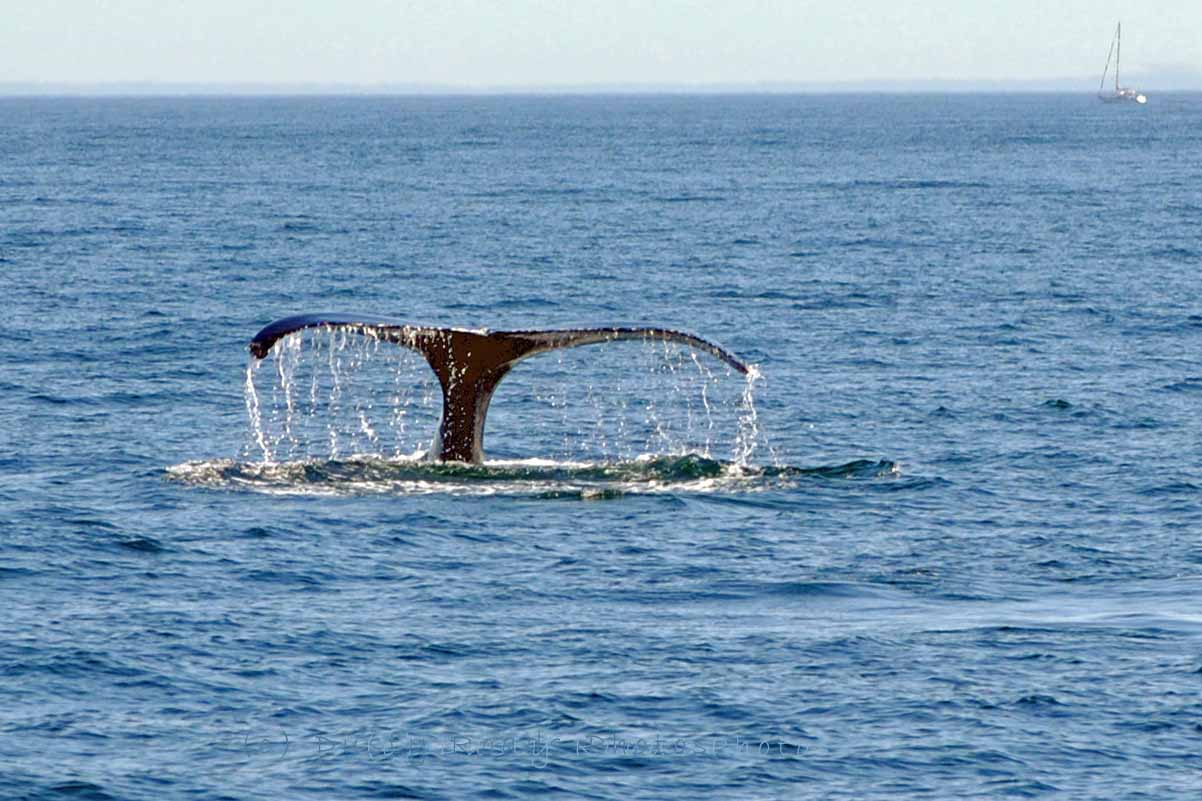
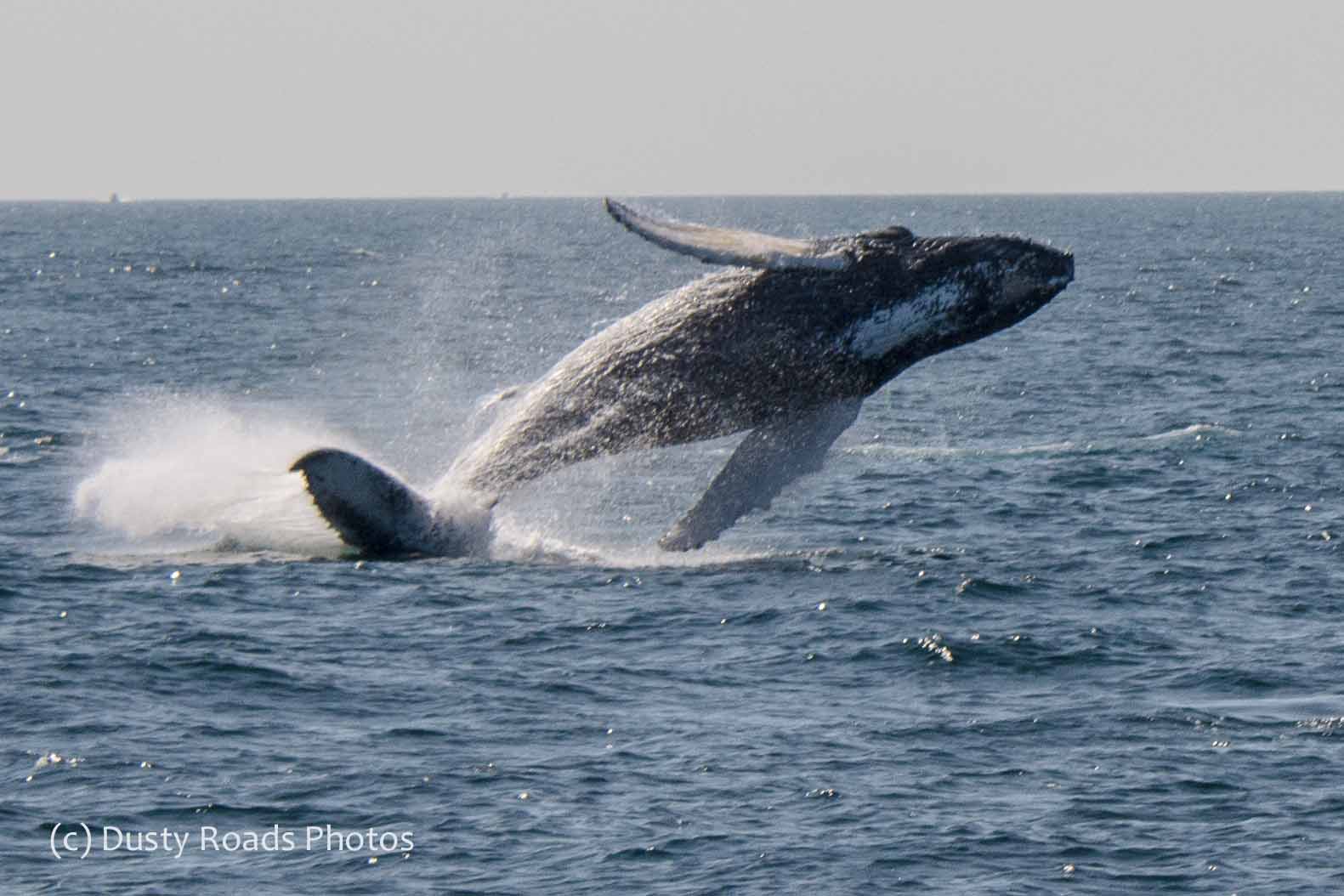
For nearly 50 years, these trips have been part of my life—breaching humpbacks, sea spray, the thrill of spotting that first tail flick. It’s the perfect contrast to the stillness of the Rock. If Plymouth Rock leaves you wanting more, Captain John’s will give you a show the Pilgrims never dreamed of.


Wrapping It Up

So yes—Plymouth Rock may be one of the most overrated attractions in America, but Plymouth itself is a gem. It’s a place where history, beauty, and the Atlantic all meet. Go for the Rock if you must… but stay for everything else. And if you time it right, you might just end your day with a whale tail against the horizon.

Breaching Whale


Travel Smart, Be Safe


When Travel Stories Skip the “Not‑So‑Great” Parts

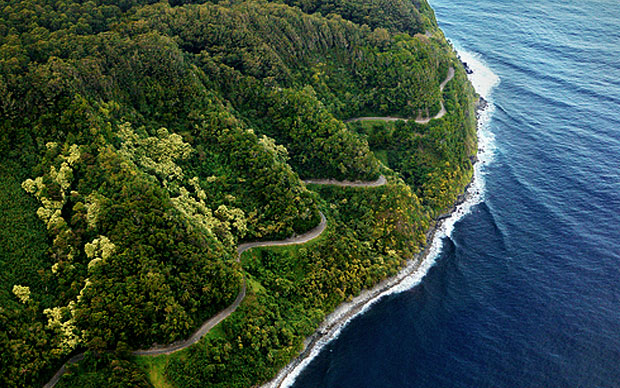
When we talk about travel—or read the glossy blogs and glowing travelogues—we mostly hear how wonderful a place is. Sure, someone might mention bad weather or a disappointing meal, but the overall tone is usually sunshine and rainbows. I’m guilty of it myself. Except for my Road to Hana misadventure, I sing Hawaii’s praises every chance I get.

But every now and then, a little reality check is healthy.

The Comfort of a Timeshare… and the Trade‑Offs

For nearly twenty years, I traveled through my timeshare. It was one of the hardest things to give up when I retired, but the maintenance fees just didn’t fit my fixed income. While I had it, though? I traveled in style. Beautiful accommodations, attentive staff, and a sense of security—especially important because I often traveled alone.

Timeshares get a bad rap, and yes, getting out of one is neither painless nor easy. But if I ever hit the lottery, I’d consider it again. And here’s a tip: you can sometimes get the same perks without ownership by checking Redweek.com, where owners rent out their weeks to offset costs.

When a Destination Doesn’t Match the Hype

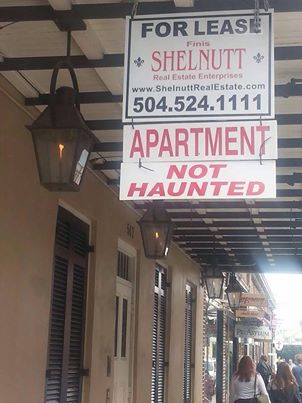
Even with all that comfort, not every trip felt safe. New Orleans is the one that stands out. Friends raved about the energy, the food, the parades—even outside Mardi Gras season. What they didn’t mention was the grime, the chaos, and the aggressive hustlers who thought nothing of following you down the street. I never felt unsafe anywhere else quite like I did there.

Other cities come with their own cautions. Detroit requires you to be mindful of the neighborhood you wander into. St. Louis consistently ranks among the most violent cities in the country. Oakland has seen a rise in break‑ins and street crime.

Nature Has Its Own Hazards

It’s not just cities. Even the most iconic outdoor destinations can be dangerous if you’re unprepared. Death Valley, for example, is one of the deadliest national parks due to extreme heat and dehydration risks.

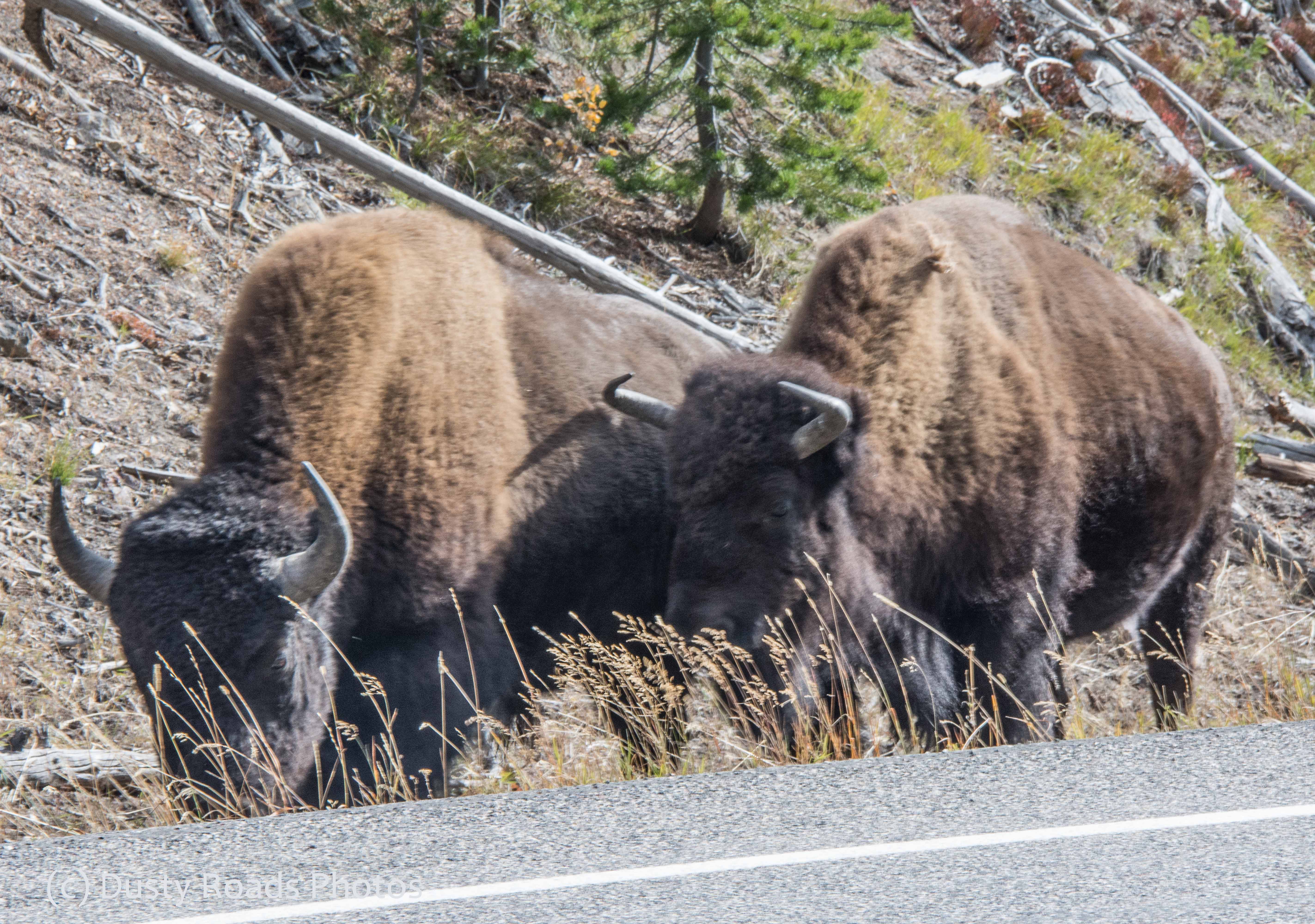
Yellowstone has dangers from  geysers to wildlife. If you have any doubt read about my encounter with the Bison of Yellowstone . I was sure I was going to be flattened to roadkill before I was through.

Getting ready to pass by

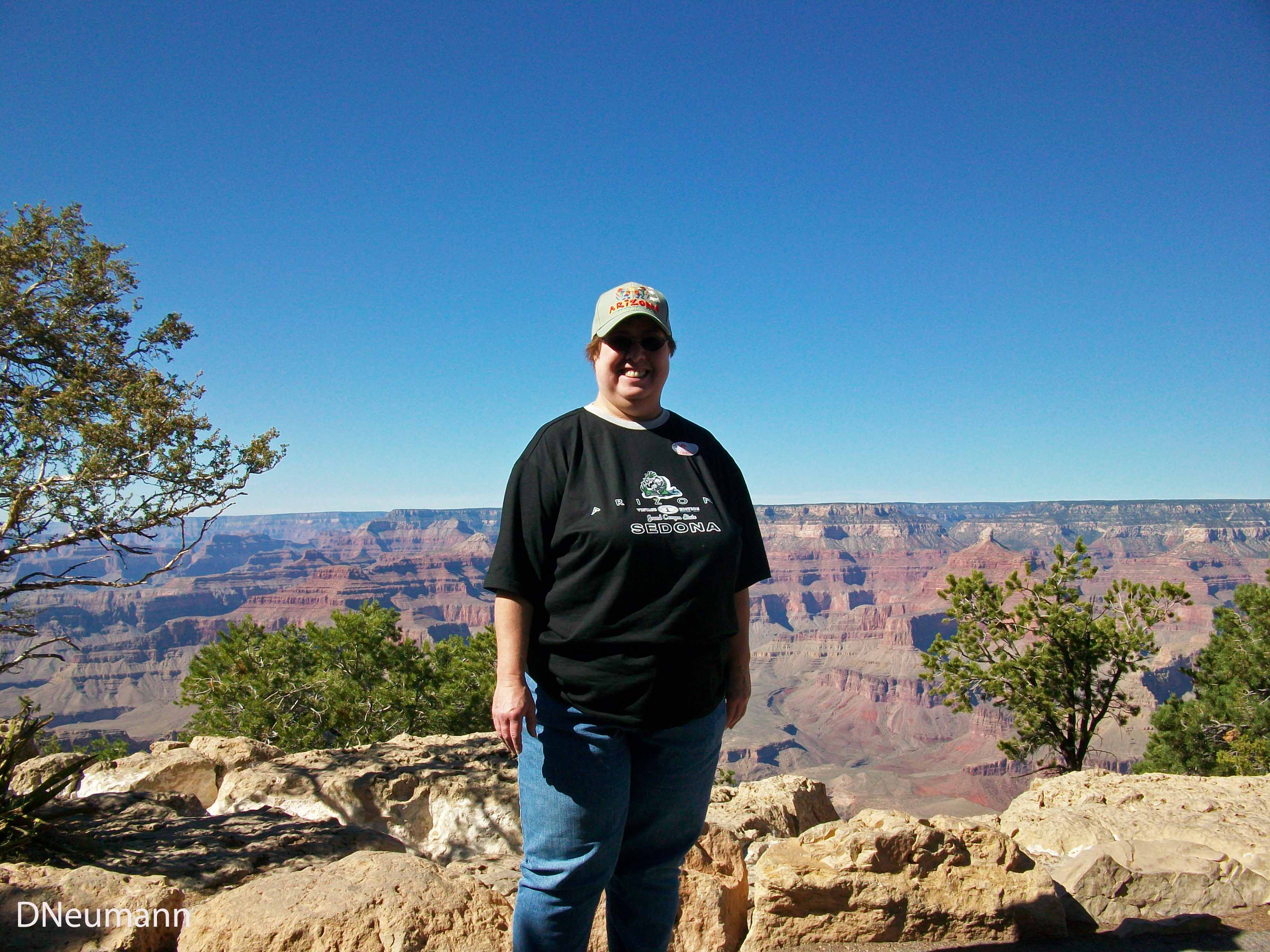
On the South Rim, Grand Canyon 2008

A Little Research Goes a Long Way

I’m not saying you should stay home. Travel is still one of the most exciting, enriching things you can do. But a bit of research before you go—and a few simple precautions—can make the difference between a great adventure and a stressful one. Know the risks, plan accordingly, and you’ll come home with memories worth keeping.


Quick, No‑Nonsense Travel Tips That Actually Help

  • Know the vibe before you go — Not just the “Top 10 Things to Do” list. Look up neighborhood safety, recent news, and what locals say. Every city has great areas and “maybe not after dark” areas.
  • Trust your spidey sense — If something feels off, it probably is. Change direction, duck into a store, or call it a night.
  • Stay where the people are — Wandering is fun until it isn’t. Stick to well‑lit, busy areas, especially if you’re solo.
  • Keep your stuff simple — Crossbody bag, zipper closed, nothing dangling. Leave the “I’m a tourist!” clues at home.
  • Have a “just in case” plan — Screenshot directions, save the hotel address, and keep a backup way to get back.
  • Hydrate like it’s your job — Especially in places with heat, altitude, or long trails.
  • Don’t overshare in real time — Post the photos after you leave the location.
  • Ask locals the right question — Not “Is it safe?” but “Where would you go or avoid after dark?”
  • Give yourself permission to bail — If a situation feels sketchy, you don’t owe anyone an explanation.

So go forth, intrepid adventurer, and make memories worth keeping… safely, of course.

Alaska 2013


My Brain Saw a Dance Troupe. What do you see?


The Water Lily Harvest of the Mekong Delta

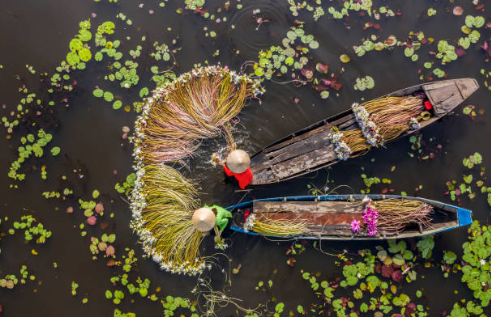
When I first looked at this picture, my brain took a hard left turn. I thought I was seeing dancers in swirling grass skirts, caught mid‑spin in some kind of joyful festival. I wasn’t even close. Now that I know what’s actually happening, I can kind of see it — but if you’d left me to guess, I’d still be insisting it was a troupe of performers twirling in unison. I did manage to get two things right: they are dancers of a sort, and it is an aerial view. Everything else? Not so much.

What you’re really looking at is the annual water lily harvest in Vietnam’s Mekong Delta — a tradition as beautiful as it is practical.

A Seasonal Ritual in the Delta

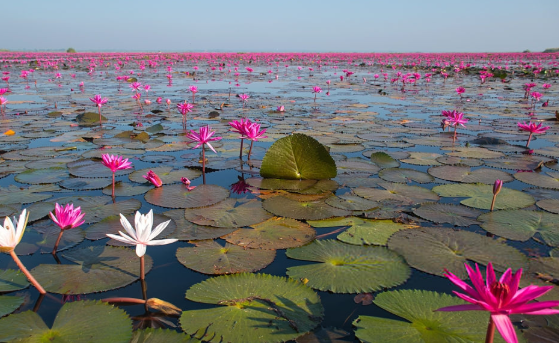
Each year, when the southern Vietnamese rice fields flood between August and November, the waterways transform into vast gardens of long‑stemmed water lilies. These blooms — usually pink or white — rise to the surface in spectacular numbers, turning the flooded landscape into something that looks almost otherworldly. For generations, families in the region have relied on this seasonal abundance. The harvest isn’t just a job; it’s a cultural rhythm woven into the life of the Delta.

How the Harvest Works

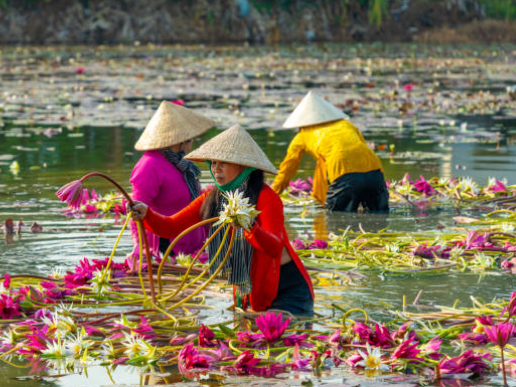
At first glance, the workers look like they’re performing a choreographed dance, and honestly, the comparison isn’t far off. Wearing traditional conical hats, they wade waist‑deep through the water, gently pulling lilies from the shallows. The long stems are gathered into spiraling bundles — the “skirts” you see in the photo — and floated beside small wooden boats. The process is slow, careful, and surprisingly graceful. Every movement is deliberate, shaped by generations of practice and an intimate understanding of the waterways.

More Than Just a Pretty Flower

Water lilies hold a special place in Vietnamese culture. They’re used for decoration, of course, but they also show up in the kitchen. The stems add a crisp, slightly tangy note to local dishes, especially the region’s beloved sour soup. Nothing goes to waste. The harvest season also brings communities together. It’s a time when traditions are passed down, families work side by side, and the Delta’s way of life is celebrated. In recent years, the sight of the harvest — with its vivid colors and mesmerizing patterns — has drawn photographers and travelers from around the world.

Supporting Local Livelihoods

Beyond the beauty, the water lily harvest is an important source of income. The flowers and stems are sold in markets throughout the region, helping sustain families who depend on seasonal work. Tourism has added another layer of economic support, as visitors come to witness the harvest and explore the Delta’s unique landscape.

A Living Portrait of the Mekong Delta

The water lily harvest is one of those rare traditions that blends necessity, artistry, and cultural heritage. It’s a reminder of how closely the people of the Mekong Delta live with the rhythms of nature — and how something as simple as a flower can shape a community’s identity. If you ever find yourself in southern Vietnam during the early morning hours of harvest season, you’ll see the lilies at their most vibrant. And who knows — you might even catch yourself mistaking the workers for dancers too.


50 Places to Visit in the USA — Part 2 (Numbers 26–50)

Alright boys and girls, let’s wrap up the second half of the “50 Places to Visit in the USA That Must Be on Your Bucket List.”
So far: 11 visited, 14 still to go (maybe).
Let’s dive into Number 26!


26. Phoenix/Scottsdale, Arizona — Yes

I’ve flown into Phoenix many times and even had lunch in Scottsdale. I’m counting it, even if I was really on my way to Sedona.

27. Aspen, Colorado — No

Aspen is a glamorous ski resort where you dress to impress. I’m not a skier, and my winter fashion sense leans toward jeans and sweaters, so… maybe not my scene.

28. Disney World, Florida — Yes

Do I get bonus points for multiple visits?

Entering Disney

Don’t try this yourself. It’s illegal!

29. New Orleans, Louisiana — Yes

It’s a party every day — and probably a parade too.

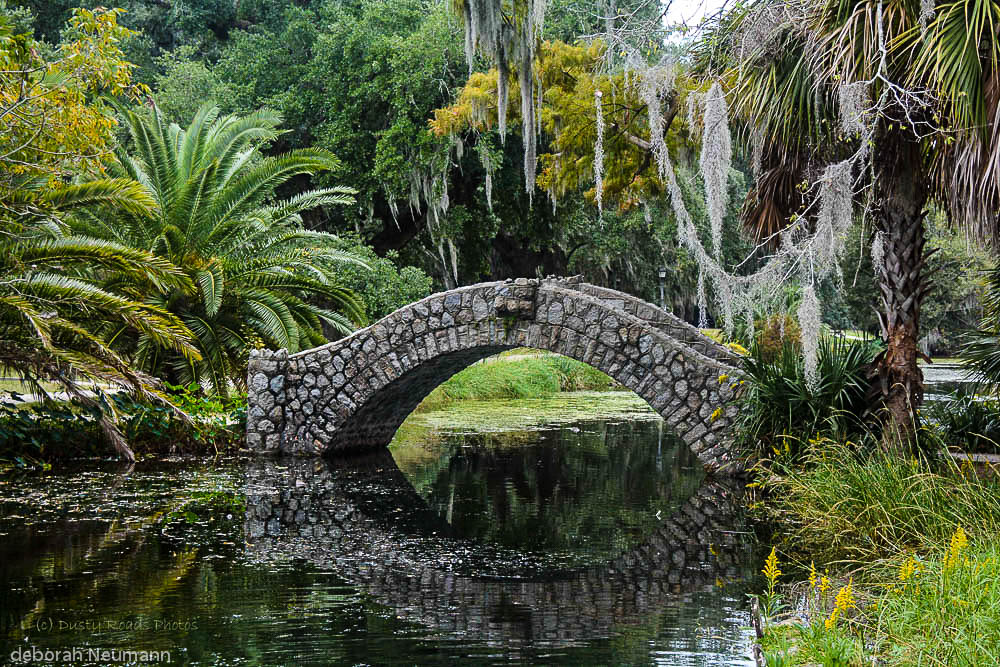
Bayou Bridge , City Park, New Orleans

30. Palm Springs, California — No

Not even on my radar, but if you love modern architecture, the home tours are supposed to be stunning.

31. Cape Cod, Massachusetts — Yes

Of course! I’ve watched for whales off Race Point and visited more lighthouses than I can keep track of. Some say there are 14, others say 16. I keep losing count.

32. Alaska — Yes

From Sitka to Denali and plenty in between. Wildlife, whales, Native Alaskan culture — and don’t forget the glaciers.


33. Columbia River Gorge, Oregon — Not Yet

I want to photograph Multnomah Falls and experience the winter eagle gatherings. Hundreds of eagles in one place? Sign me up.

34. Denver, Colorado — Sort of

I flew in, but didn’t linger. Traffic was awful and the highways were under construction. It reminded me of Boston during the Big Dig years.

35. Mount Rushmore, South Dakota — Yes

A very impressive monument. I spent a wonderful day here.

36. Lancaster, Pennsylvania — No

The gateway to Amish Country, where time stands still. I think it would be fascinating.

37. Lake Tahoe, California — Yes

I drove around the lake — absolutely beautiful. Most of the trip was supporting my mom at a bowling tournament, so I also got to check out the bowling alley.

38. Savannah, Georgia — No

Said to be the most haunted city in America. From the photos, it’s certainly a gorgeous example of old Southern charm.

39. Louisville, Kentucky — No

I’ve always wanted to attend Derby Day at Churchill Downs — the most exciting two minutes in sports.

40. Newport, Rhode Island — Yes

The mansions are incredible. I attended the “Dead of Winter Ball,” a highlight of the social season, and once got very seasick watching the America’s Cup from a friend’s yacht. Ahh, those were the days.

41. Portland, Maine — Yes

I wandered the docks, watched lobster fishermen unload their catch, and visited the International Cryptozoology Museum — home to Bigfoot, the Loch Ness Monster, and other mysterious creatures.

42. Asheville, North Carolina — Sort of

I passed through on my way to Sapphire Valley for my waterfall vacation. Asheville sits in the Blue Ridge Mountains and has a big craft beer scene — plus the Biltmore Estate.

43. St. Augustine, Florida — Yes

The oldest city in the U.S., complete with a 17th‑century Spanish fort. A history lover’s dream. Maybe you can get a sip from the fountain of youth!

44. Detroit, Michigan — No

Even though I circled the airport for hours due to bad weather, we were diverted and never landed. So… no.

45. Seattle, Washington — Yes

Thanks to my stint with Redfin, I spent a week here. I visited the Space Needle, admired Mount Rainier, marveled at the Chihuly glassworks, and even sold a photo of Puget Sound to a bank for a mural. Good times.

46. San Antonio, Texas — Yes

Remember the Alamo! I also enjoyed the River Walk and toured the beautiful Spanish missions.

47. Charleston, South Carolina — Yes (I think)

My sister‑in‑law is from there, and I think that’s where she and my brother got married. I went to the wedding… but the details are a little fuzzy. Did I really have that much to drink…

48. Nashville, Tennessee — No

Redfin took the team one year, but I wasn’t cleared to travel — recovering from hip surgery. Later I vacationed in Gatlinburg and loved it, but Nashville remains unchecked.

49. Cape May, New Jersey — No

I even missed it when researching New Jersey for a possible vacation. Might need to reconsider.

50. Utah National Parks — No (but high on the list)

I want to visit all five: Zion, Arches, Canyonlands, Capitol Reef, and Bryce Canyon. When I finally go, I’m bringing a ton of SD cards and batteries for my camera.


Final Tally

For this set of 25, I scored 15 yeses.
Grand total: 26 out of 50 — just squeaked past the halfway mark.

So what’s your count — and did this spark any ideas for your next adventure?