When Travel Feels Like Imagination Come to Life


Yesterday I shared my thoughts on imagination — that wonderful, boundless world we carry in our minds. But the more I thought about it, the more I realized something surprising. Those same feelings of wonder, disbelief, and pure childlike awe show up in another part of my life too: when I’m traveling and exploring the world.

There’s a particular kind of magic that happens when reality feels too extraordinary to be real. It’s the same spark I felt as a child pretending to see fairies in the woods, only now it comes from standing in front of places so breathtaking they feel like they were dreamed into existence.

🌄 The Grand Canyon: A Vision Too Vast to Believe

I still remember the first time I laid eyes on the Grand Canyon. The wonder of it was overwhelming — a dizzying spectacle of color, depth, and silence. People say it “takes your breath away,” and for once that wasn’t an exaggeration. I literally forgot to breathe.

It felt like a projection, a backdrop, something painted by a giant with an overactive imagination. How could anything so massive, so intricate, so impossibly beautiful be real? And yet there it was, stretching out before me, daring me to believe my own eyes.
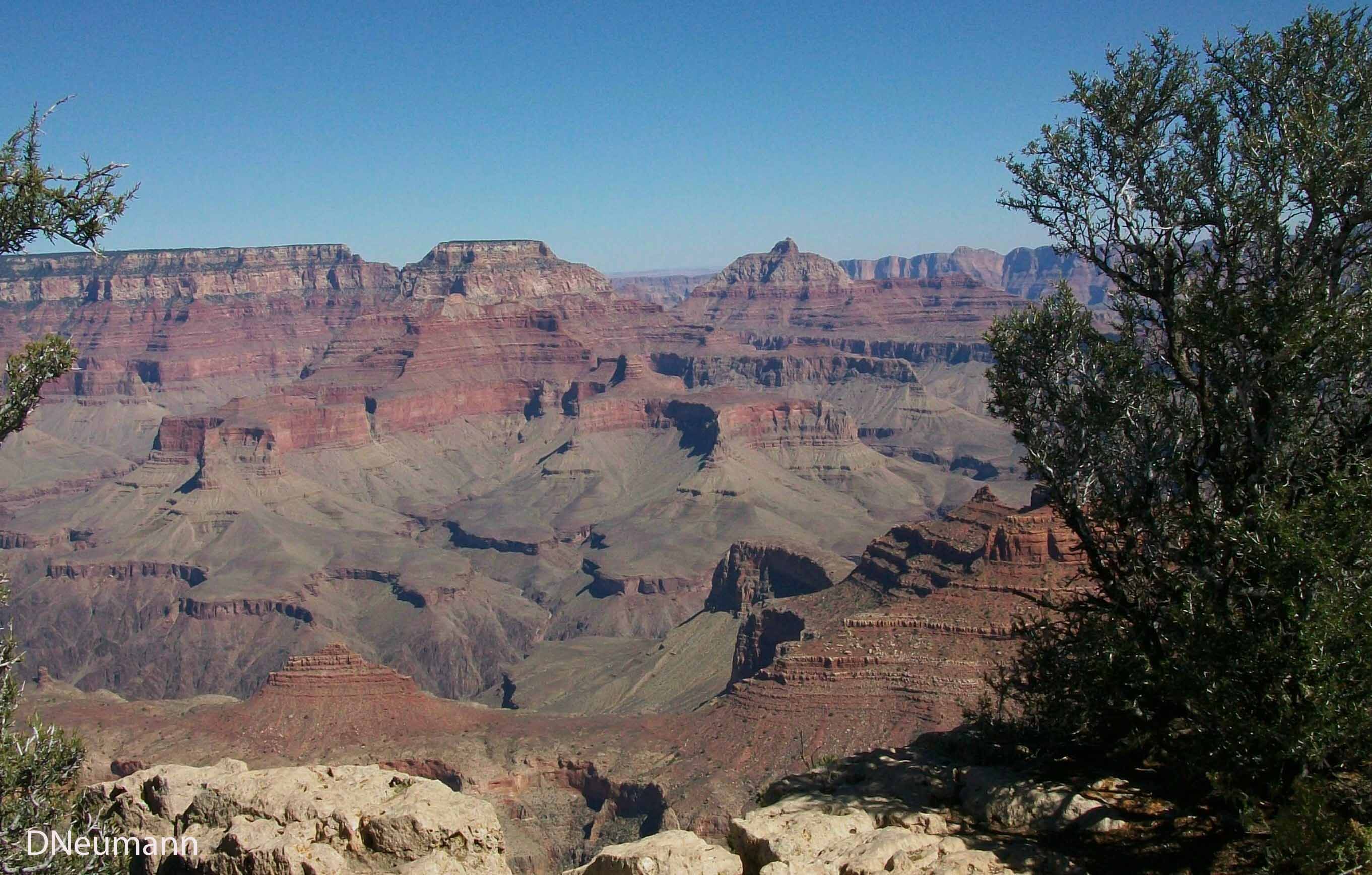
Grand Canyon
🌋 Hawaii’s Chain of Craters Road: Fire Meeting the Sea
Another moment etched into my memory forever happened on Hawaii’s Chain of Craters Road. I had nothing but a disposable camera with me, but honestly, no photograph could have captured what I saw.

Plumes of brilliant white vog rose where molten lava met the ocean. The sky was a vivid, endless blue. The contrast was surreal — like watching the earth breathe. It was raw, elemental, and unforgettable.

🦌 Wyoming’s Elk Migration: Wildness in Motion

In Wyoming, I watched elk herds migrate across the landscape. There were fences, roads, and signs of human life all around, but none of it mattered. In that moment, those animals were exactly what they had always been — wild, free, and following ancient paths to their wintering grounds.

Elk Migration

It felt like witnessing a story older than memory.

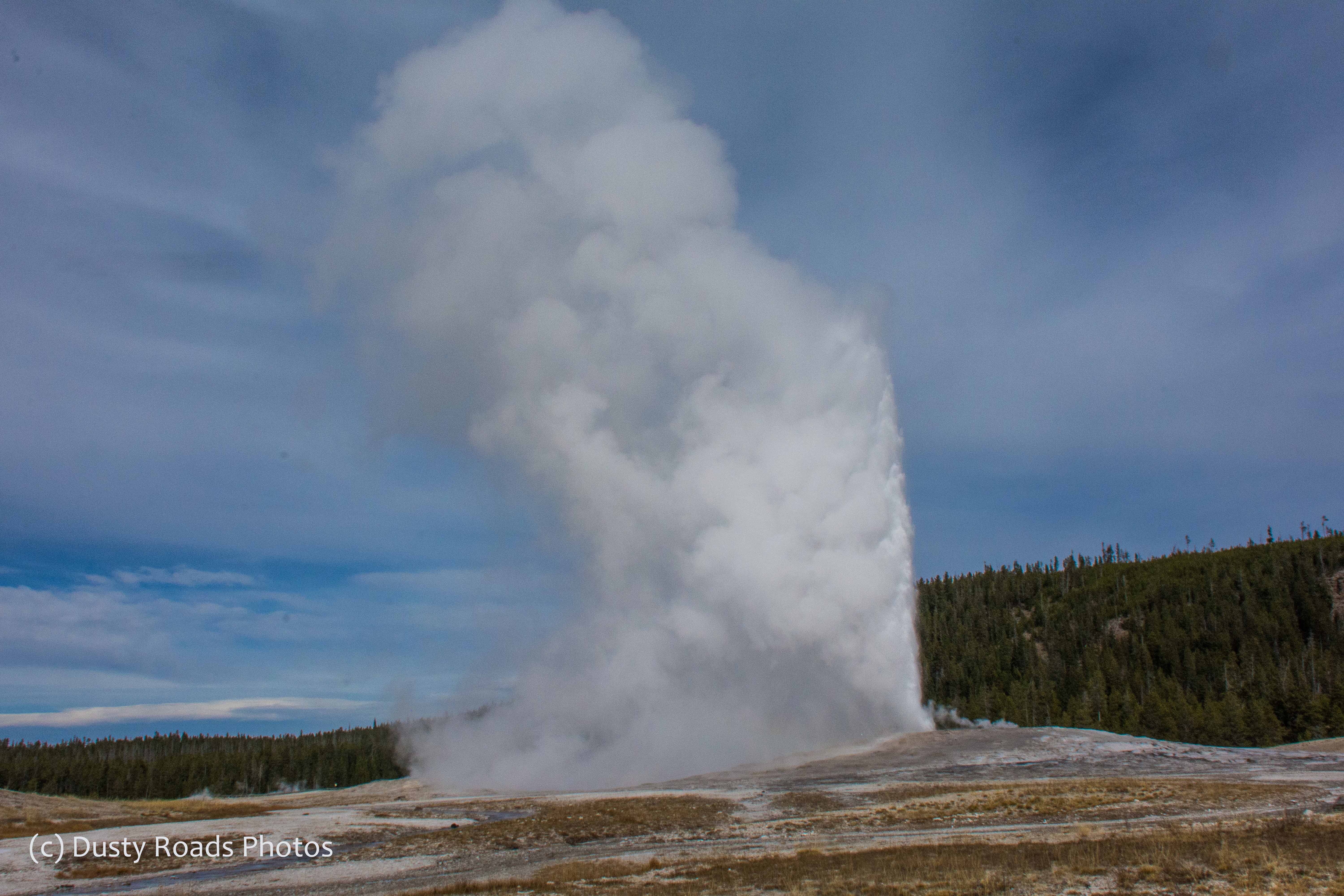
🌡️ Yellowstone’s Geysers: A Step Back in TimeOld Faithful Erupts
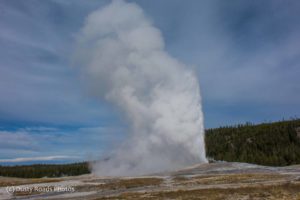
Yellowstone added its own chapter to my collection of wonders. The primal energy of the geysers, the hiss of steam, the earth rumbling beneath my feet — it all felt like stepping into a prehistoric world.

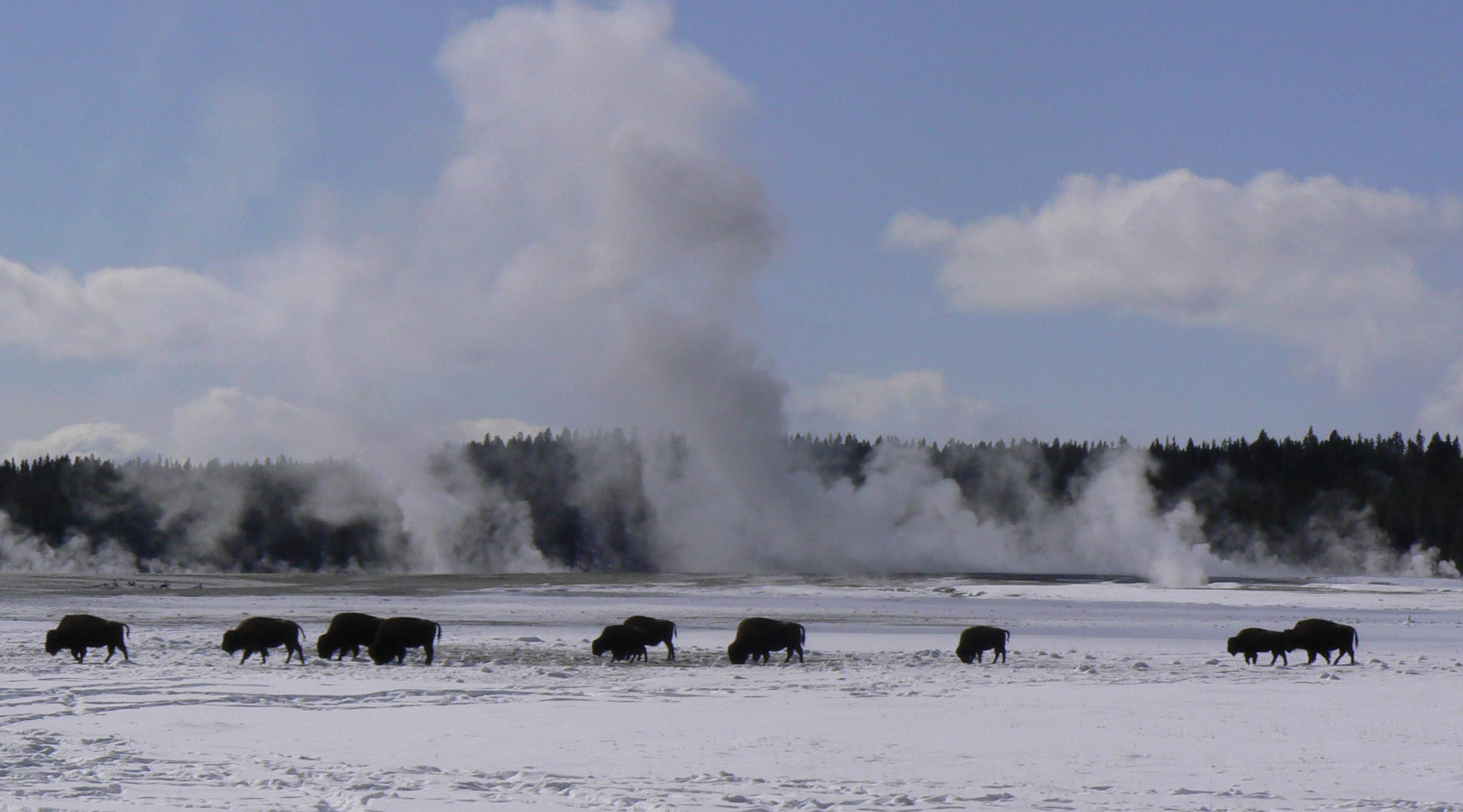
Buffalo wandered through clouds of steam along the Firehole River as if they had been doing it for centuries. Maybe they had. Time seemed to fold in on itself there.
snuba at Turtletown 2020

🌊 Encounters Beneath the Waves

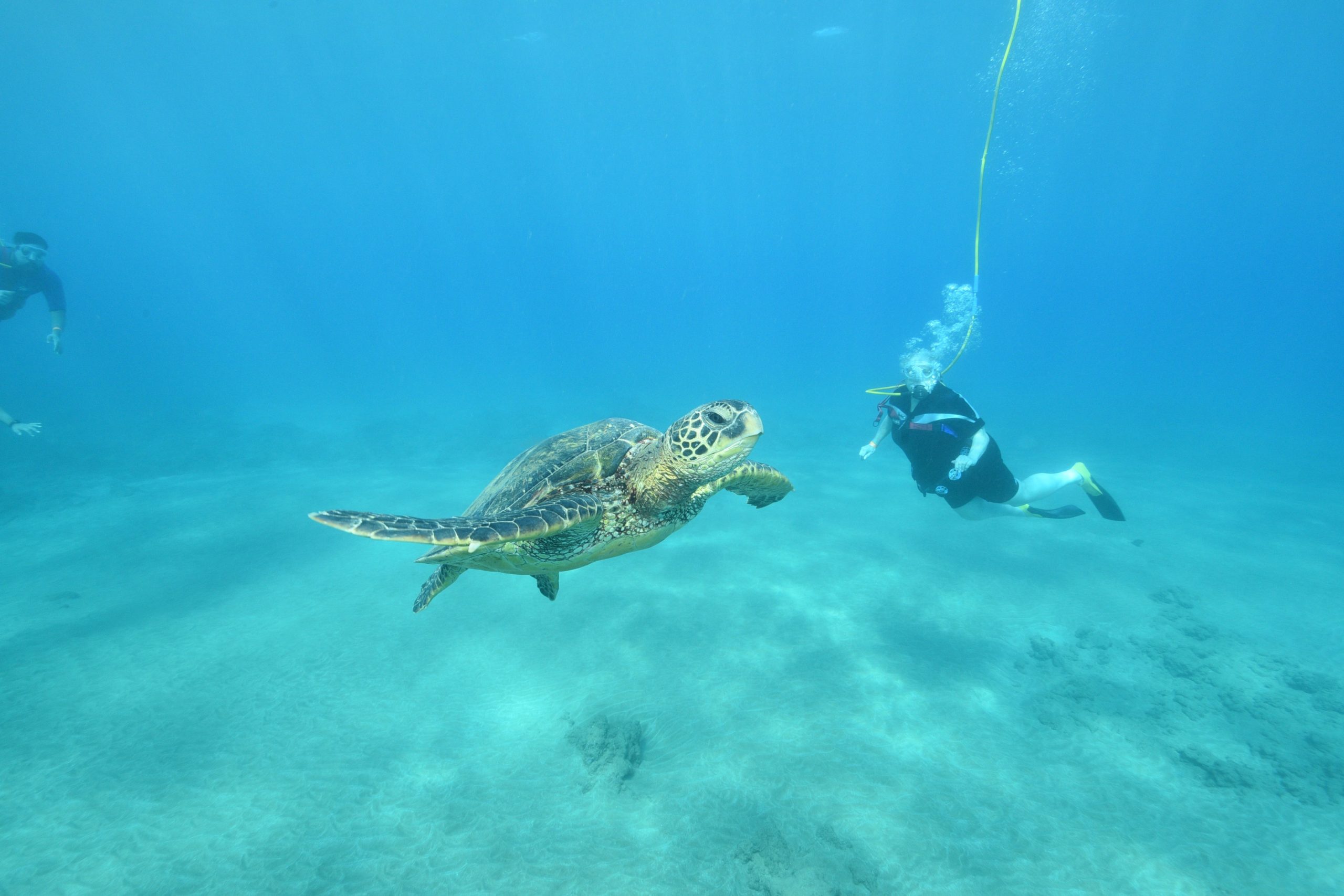
Some of my most magical travel moments happened underwater. I’ve snorkeled with manta rays and scuba‑dived with sea turtles, drifting through a world so peaceful and alien it felt like a dream.

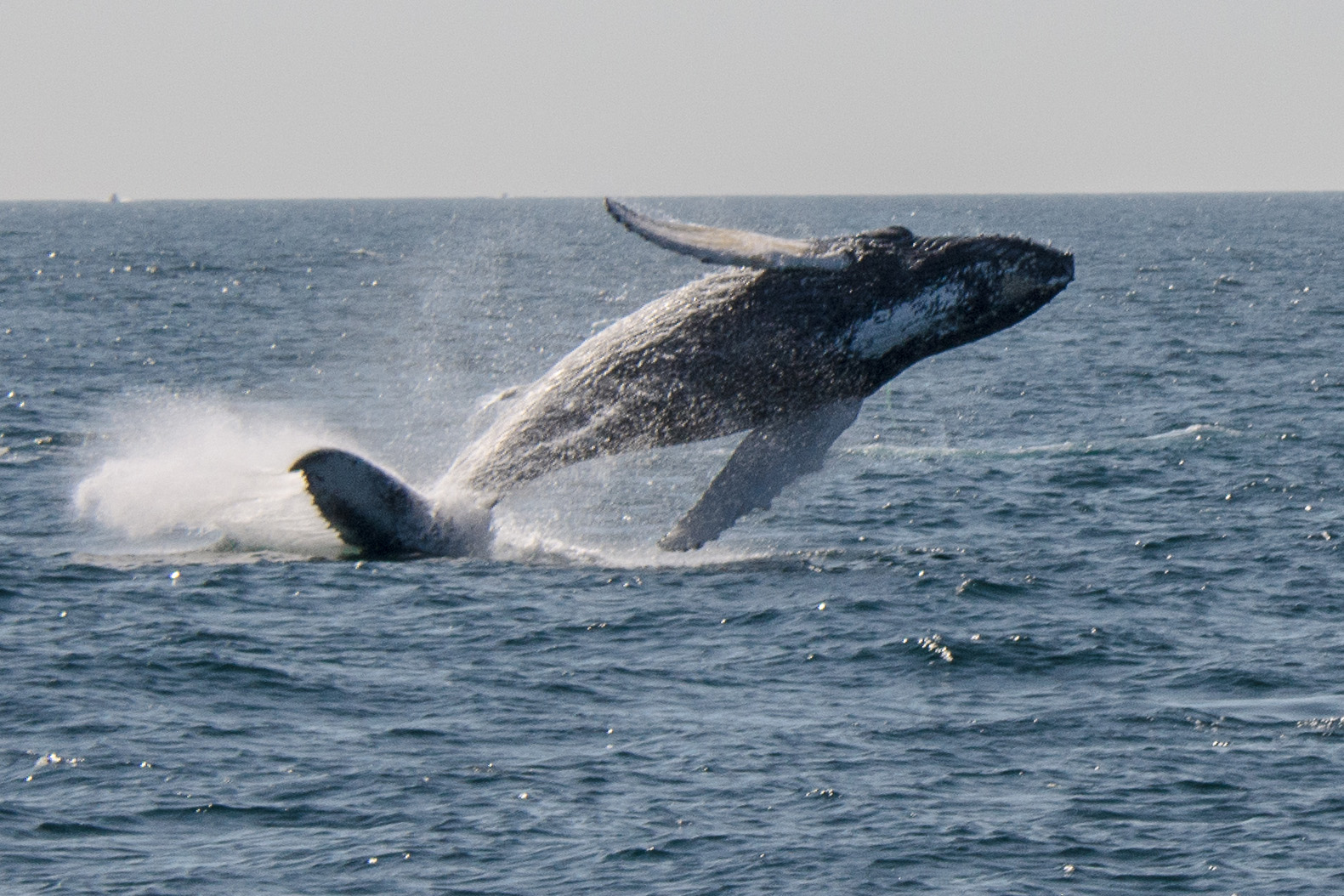
I’ve watched humpback whales breach with breathtaking power, and I’ve been surrounded by dolphins spinning and leaping like acrobats putting on a private show.
And then there are the tiny wonders — like the little octopus I spotted off Maui, curious and delicate, reminding me that magic exists at every scale.

✨ Wonder That Stays With You

When I think of the places I’ve been, I hardly have the words to describe the wonder. How do you put experiences like that into sentences? How do you capture the feeling of being so small and so alive at the same time?

Maybe you don’t. Maybe you just carry those moments with you — treasures you can revisit anytime your mind needs a spark of joy or a reminder that the world is far bigger and more beautiful than we often remember.

These memories are my own living daydreams, the real‑world magic I get to enjoy over and over again. And in their own way, they’re every bit as powerful as imagination itself.


 

The Wonder of Imagination


A World That Grows With Us

🌲 Childhood Worlds That Never Truly Leave

Some people say imagination fades as we grow older, but I’ve never believed that. When I was a child, I could spend entire days wandering the woods near my home, slipping into roles as easily as breathing. One moment I was a wild horse racing through the trees, the next a woodland creature listening for the whisper of fairies. Those woods weren’t just a place — they were a portal.

And while I no longer spend my afternoons pretending to gallop between pine trees, that sense of wonder never really left. It simply changed shape.

📚 Reading as a Doorway to New Worlds

Today, my imagination shows up most vividly when I read. I don’t just follow the words on the page — I step into them. Characters take on faces, voices, gestures. Settings bloom into full landscapes. I can smell the rain, hear the crunch of gravel, feel the tension in a room before anyone speaks.

Sometimes I even “cast” the story in my mind, choosing real actors who match the energy of the characters. It’s a little like directing a movie only I get to watch. And honestly, it makes reading feel like a private cinematic experience.

✨ Even the Greats Started With a Spark

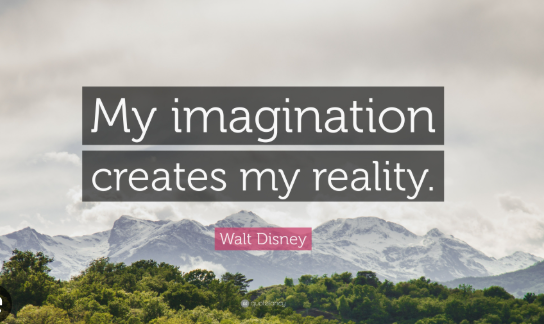
When I think about imagination, I can’t help but think of Walt Disney — a man who built entire worlds from a single idea and a pencil sketch. He once said that curiosity leads us down new paths, and I’ve always loved that reminder. Imagination isn’t just for children or artists or dreamers. It’s for anyone willing to follow a spark and see where it leads.

Disney didn’t just create characters; he created feelings, memories, and places we return to again and again. And in a quieter, more personal way, imagination does the same for us. It gives us a place to wander, to wonder, and to reconnect with the parts of ourselves that still believe in magic.

🎨 Imagination Isn’t Childish — It’s Creative Fuel

Adults often talk about imagination as if it’s something we’re supposed to outgrow, but I think it’s one of the most powerful tools we carry with us. It helps us dream, problem‑solve, create, and connect. Imagination colors the ordinary. It lets us see possibilities where others see limits.

Whether we’re reading, writing, crafting, decorating, or simply daydreaming on a quiet afternoon, imagination gives us permission to explore worlds that don’t yet exist — and revisit the ones that shaped us.

🌟 A Reminder for National Imagination Day

So on this National Imagination Day, I’m celebrating the part of us that still believes in fairies in the woods and heroes on the page. The part that casts actors in our favorite books, that colors the world in brighter shades, that dares to dream a little bigger.

If Walt Disney taught us anything, it’s that imagination doesn’t just shape stories — it shapes lives. And it’s never too late to let yours lead you somewhere new.

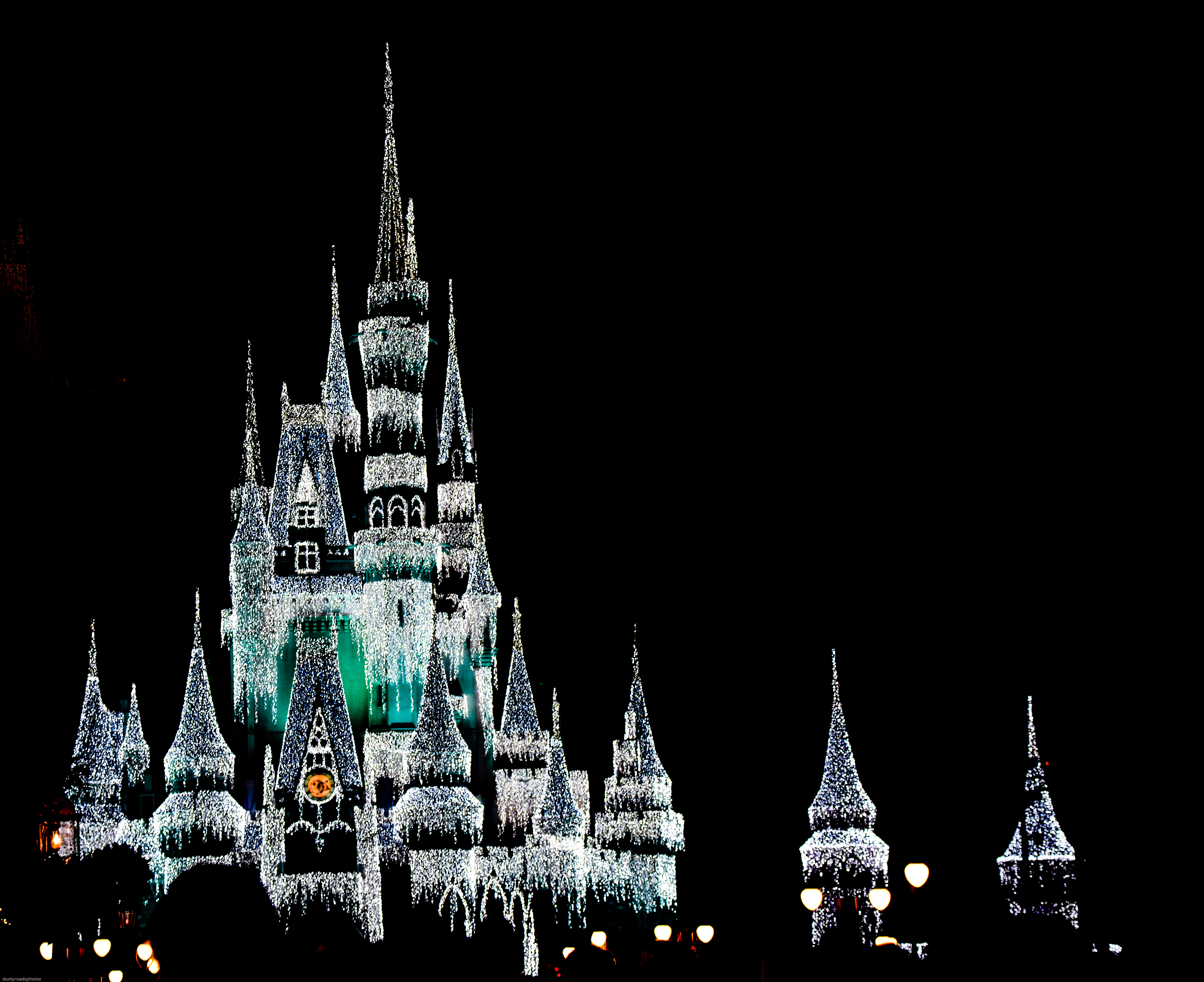
Cinderella’s Castle in “Ice”, Walt Disney World, Orlando FL

The Mystery of the Keepers of Eilean Mòr


Flannan Isle

Wilfrid Wilson Gibson

Though three men dwell on Flannan Isle
To keep the lamp alight,
As we steered under the lee, we caught
No glimmer through the night.

Aye: though we hunted high and low,
And hunted everywhere,
Of the three men’s fate we found no trace,
Of any kind in any place,
But a door ajar, and an untouched meal,
And an overtoppled chair.


The Vanishing Keepers of Eilean Mòr

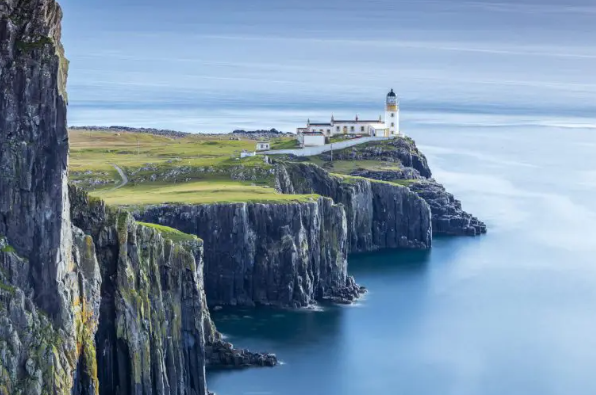
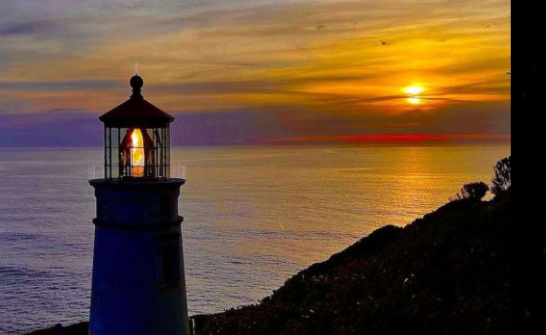
After writing about some of history’s most haunting disappearances, I stumbled onto another case that fits right in with the Mary Celeste and the Sodder children—a mystery wrapped in fog, salt spray, and superstition. The disappearance of the three lighthouse keepers of Flannan Isle (also known as Eilean Mòr) remains one of the most unsettling maritime puzzles ever recorded.

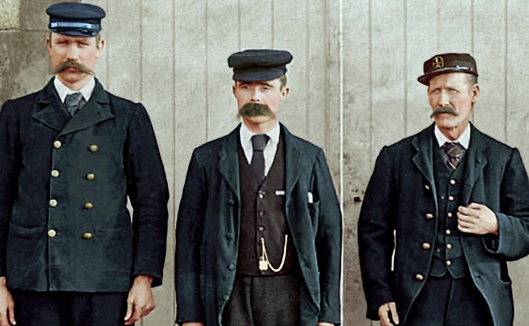
In December 1900, a relief ship arrived at the remote lighthouse in Scotland’s Outer Hebrides. From the deck, the crew expected to see the usual welcome: a wave, a signal flag, or at least the steady sweep of the lamp. Instead, the lighthouse stood dark and silent. When the landing party reached the island, they found the place eerily undisturbed—coats missing, a meal left untouched, a chair knocked over as if someone had risen suddenly. But of the three men—James Ducat, Thomas Marshall, and Donald MacArthur—there was no sign at all.

Theories: From the Practical to the Paranormal

A Rogue Wave or Sudden Storm

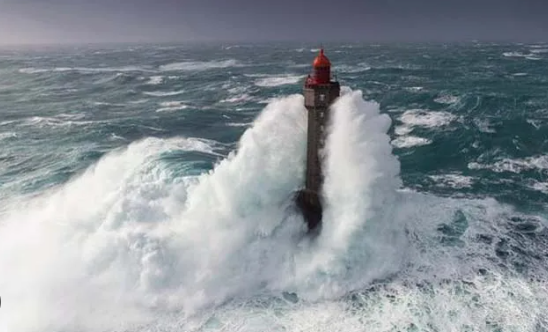
The most widely accepted explanation is that a violent wave swept the men off the cliffs while they were securing equipment during bad weather. The western side of the island is notorious for unpredictable surges that can rise dozens of feet without warning.

A Fight or Accident Gone Wrong

Some speculate that tempers flared in the isolation, leading to an accident or struggle. But with no bodies, no blood, and no signs of conflict inside the lighthouse, this theory feels thin.

Abduction or Foul Play

A passing ship, a criminal act, or even a staged disappearance has been suggested. Yet nothing in the logbooks or supply records hints at outside interference.

The Sea Monster Theory

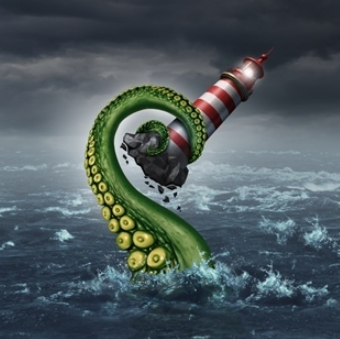
And then there’s the theory that refuses to die—something ancient and enormous rising from the depths. The waters around the Flannan Isles have long been tied to Celtic sea lore: kelpies, serpents, and creatures said to drag sailors beneath the waves. The overturned chair and the half‑eaten meal have inspired storytellers to imagine a sudden terror—a shadow at the window, a roar from the cliffs, something so shocking that all three men rushed outside at once. It’s dramatic, improbable, and yet somehow perfectly suited to a lighthouse perched on the edge of the world.

A Mystery That Still Echoes

More than a century later, the Flannan Isle disappearance remains unsolved. No bodies ever washed ashore, no equipment was found, and no definitive explanation has emerged. Like the Mary Celeste, it lingers in that strange space between history and legend—a reminder that even in our modern age, the sea still keeps its secrets.

If you enjoy mysteries that refuse to sit quietly, this one belongs on the list.

Infamous Disappearances


Infamous Disappearances That Still Have Us Stumped

A Morning Scroll Turns Mysterious

Ah yes — my usual morning routine of cruising the internet. It started out like any other day: headlines about the latest political squabble, something about Greenland, something about Venezuelan oil. The Epstein files were quiet for once. Recipes and cooking tips filled the lifestyle section, and Gordon Ramsay was on yet another of his trademark rants.

Then something unusual caught my eye.

A headline read: “Infamous Disappearances That Still Have Us Stumped.”
Well now — let’s see how many of these I’ve heard of.


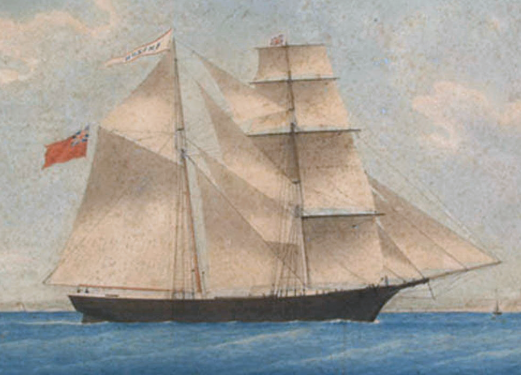
The Crew of the Mary Celeste

This one is practically the poster child for maritime mysteries. In 1872, the merchant ship Mary Celeste was found drifting in the Atlantic, fully rigged, cargo intact, dinner still on the table — but the lifeboat and all ten crew members were gone.

Every documentary about the paranormal or the unexplained eventually circles back to this case. Theories abound:

  • Explosion: Fumes from the high-proof alcohol cargo may have caused a near-explosion, prompting the crew to abandon ship.
  • Mutiny: Some believe the crew turned on the captain.
  • Murder: A darker twist — the crew may have killed the officers and fled.
  • Insurance Fraud: Perhaps a scheme gone wrong.
  • Natural Disaster: Rogue waves, storms, or sudden waterspouts have all been suggested.
  • Illness: A sudden outbreak or poisoning.
  • Piracy: Always a favorite theory in maritime lore.

Despite endless speculation, the fate of the Mary Celeste’s crew remains one of history’s most enduring mysteries.


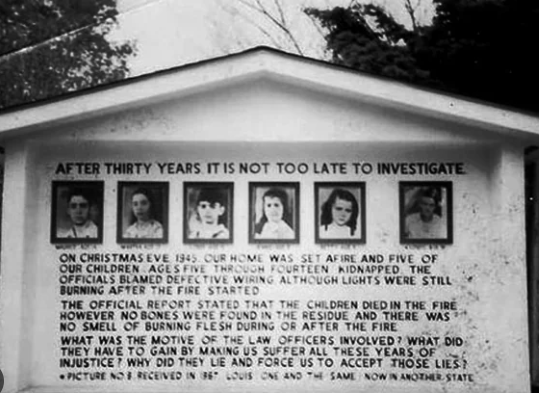
The Sodder Children

On Christmas Eve, 1945, a fire destroyed the Sodder family home in Fayetteville, West Virginia. George and Jennie Sodder escaped with four of their ten children — but the remaining five were never found.

Rumors swirled for decades. A letter supposedly from one of the missing children surfaced years later, but nothing was ever proven. The family searched tirelessly, but the case eventually went cold. To this day, no one knows what truly happened that night.


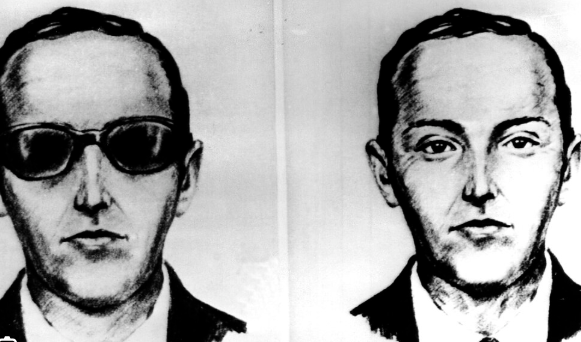
D.B. Cooper

Everyone knows this one. In 1971, a man calling himself D.B. Cooper hijacked Northwest Orient Flight 305, collected a ransom, and parachuted into the wilderness — never to be seen again.

Only a small portion of the ransom money has ever been recovered. His identity remains unknown. Some celebrate him as a folk hero; others see him as a criminal who endangered dozens of lives. Either way, he’s become a permanent part of American folklore.


Amelia Earhart

The pioneering aviator vanished on July 2, 1937, while attempting to become the first woman to fly around the world. She and her navigator, Fred Noonan, disappeared somewhere over the Pacific.

The leading theory is a crash-and-sink scenario, but no confirmed wreckage has ever been found. Every few years, someone claims to have discovered bones or debris — and every time, the headlines flare up before the evidence fizzles out.

A new search by the deep-sea exploration company Nauticos is underway near Howland Island. They say this mission is based on math, not myth, sparked by the discovery of an old radio at a garage sale. Stay tuned.


Malaysian Airlines Flight 370

On March 8, 2014, an entire commercial aircraft vanished while flying from Malaysia to China. Despite international searches, satellite data, and countless theories, the disappearance of MH370 remains the greatest aviation mystery of the modern era.


Madeleine McCann

Few cases break hearts the way this one does. In 2007, three-year-old Madeleine McCann disappeared from a holiday apartment in Portugal. Despite worldwide attention and ongoing investigations, she has never been found. The case remains open, painful, and unresolved.


And the List Goes On

The Springfield Three.
The Beaumont Children.
Brian Shaffer.
Bryce Laspisa.
Tammy Lynn Leppart.

So many names, so many unanswered questions.

Even with today’s sophisticated investigative tools — satellites, DNA, digital footprints — people still vanish without a trace. These stories remind us how fragile certainty can be.

Stay aware out there, and hold your loved ones close.


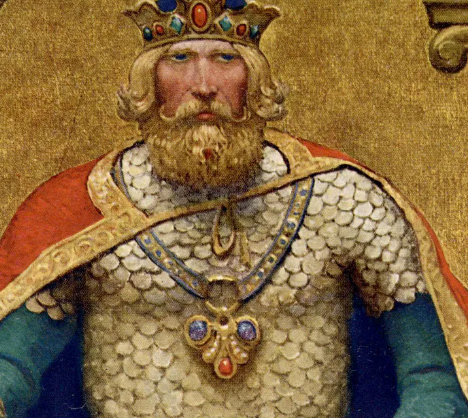
King Arthur: The Once and Future King

The Legend of King Arthur: Truth, Tale, or Internet Whimsy?

There are days when the internet feels like a treasure chest of wonders… and other days when it feels like someone dumped a medieval storybook, a history textbook, and a Disney script into a blender and hit purée. And because we all know that if it’s on the internet, it must be true, today’s journey down the rabbit hole brings us to one of the most enduring legends of all time: King Arthur.


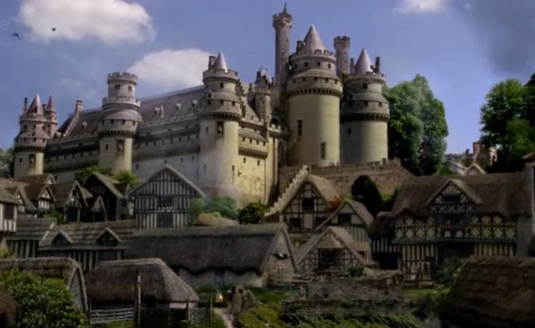
So grab your imaginary sword, polish your virtual armor, and let’s wander through the misty halls of Camelot—courtesy of the world wide web.


A Sword, a Stone, and a Story We All Know

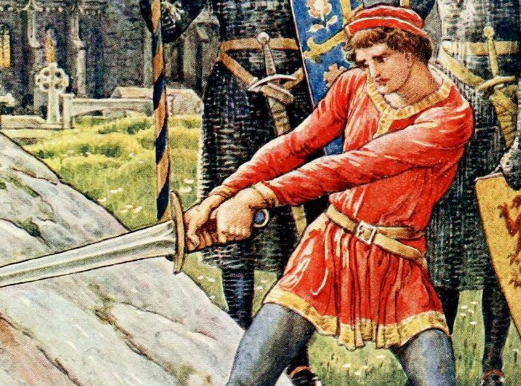
Most of us grew up with the classic tale: a young Arthur Pendragon pulls a sword from a stone, proving he’s the rightful king of Britain. He marries Guinevere, gathers the bravest knights around a Round Table, and rules with justice, honor, and enough chivalry to make modern etiquette books blush.

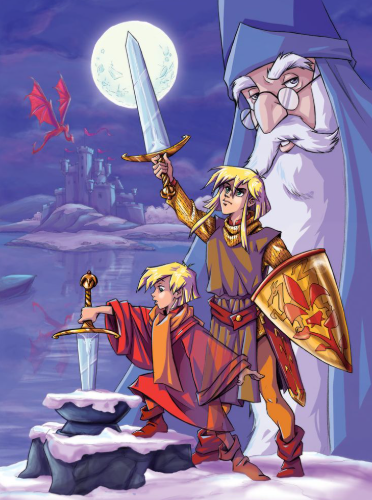
Then comes betrayal—Lancelot and Guinevere’s ill‑fated romance—and Arthur’s final journey to the mystical Isle of Avalon after being mortally wounded. It’s dramatic, tragic, and tailor‑made for Hollywood. No wonder Disney cashed in.

But where did all this actually come from?


The First “Historical” Arthur… Written 300 Years Too Late

Our earliest written mention of Arthur comes from a 9th‑century Welsh monk named Nennius, who described Arthur as a 5th‑century warrior battling Anglo‑Saxons. Inspiring, yes—but also written centuries after the fact. Imagine writing a biography of someone from the 1700s based solely on campfire stories.

That’s our first clue that things might be… flexible.


Enter Geoffrey of Monmouth: The Man Who Made Arthur a Superstar

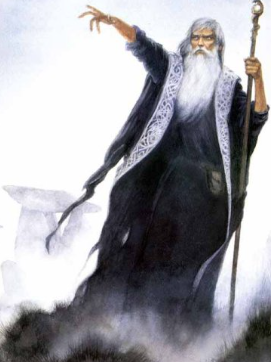
In the 12th century, Geoffrey of Monmouth penned Historia Regum Britanniae, and suddenly Arthur wasn’t just a warrior—he was a king. This is where we first meet Merlin, Guinevere, Excalibur, and Avalon. Geoffrey’s work was wildly popular, but historians today treat it more like medieval fan‑fiction than factual record.

Then along came French writer Chrétien de Troyes, who added Lancelot and the Holy Grail, launching the entire genre of Arthurian romance. Each writer added a little more magic, a little more drama, and a lot more legend.


Camelot, Avalon, and Other Places That Might Not Exist

Camelot has been “located” in Wales, Somerset, and Winchester—depending on which historian, archaeologist, or enthusiastic blogger you ask. None of these claims have solid evidence.

Avalon, meanwhile, gets its name from the Welsh word for “apples,” which is far less mystical than the glowing, enchanted island we picture. Still, it’s said to be home to Morgan le Fay and the birthplace of Excalibur, so the internet keeps the magic alive.


So… Was King Arthur Real or Not?

The consensus among scholars is that Arthur, as we know him, is mythological—a patchwork of folklore, wishful thinking, and centuries of storytelling. There may have been a real warrior who inspired the legend, but the shining king of Camelot? That’s another matter entirely.

But that’s the beauty of legends—they grow, evolve, and enchant us, whether rooted in truth or spun from imagination.

So tell me, dear readers of Around Dusty Roads:
Do you think King Arthur was real, or is he simply one of history’s greatest myths?