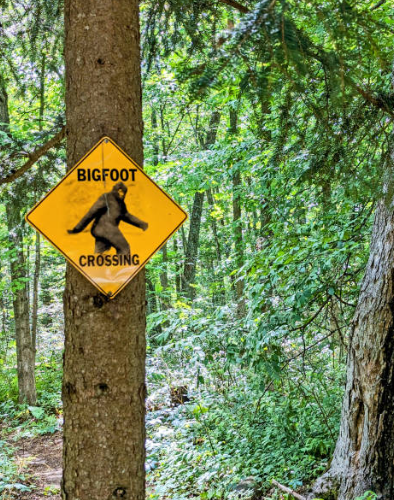
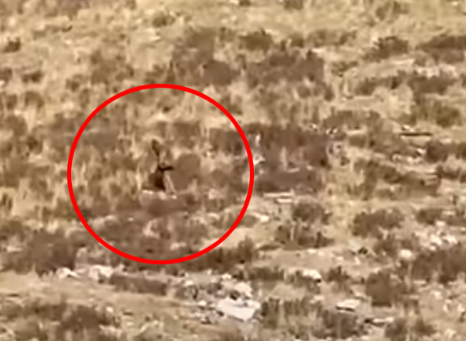
The Whitehall Bigfoot

The Whitehall Bigfoot: A Hometown Legend That Refuses to Fade

If you’ve been following my recent posts about Colorado and the curious Bigfoot sighting near the Durango & Silverton railroad, you already know I’ve been deep in a cryptid rabbit hole. Maybe it’s just that Bigfoot stories make excellent comfort reading, but my mind drifted back to a place much closer to home: Whitehall, New York.

For anyone who grew up in that corner of the Adirondacks, Bigfoot isn’t just a campfire tale — it’s practically local history. And one night in 1976 cemented Whitehall’s place on the cryptozoology map forever.


A Quiet Town, a Strange Night
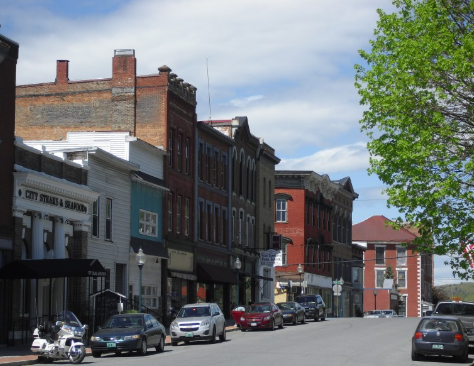
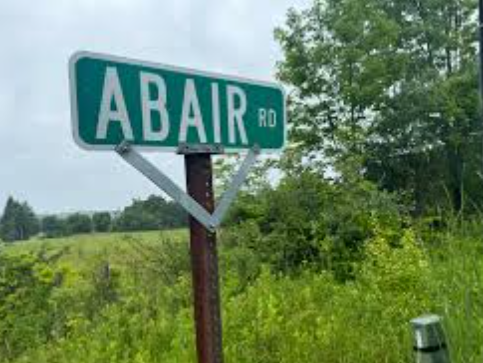
Whitehall is the kind of small town where people know each other’s dogs, never mind each other’s business. But in late August 1976, something happened on Abair Road that no one could quite explain.
Multiple witnesses — including law enforcement officers — reported seeing a tall, broad, hair‑covered figure standing near the tree line. Not a bear. Not a prankster. Something… else.

The creature was described as:

  • Around 7–8 feet tall
  • Covered in dark hair
  • Broad‑shouldered and muscular
  • Moving with surprising speed

Officers later said the encounter left them shaken in a way they couldn’t easily dismiss. When seasoned police officers admit they were rattled, people tend to listen.

Why the 1976 Sighting Still Matters

Plenty of Bigfoot reports fade into folklore, but the Whitehall incident has staying power. Here’s why:

  • Multiple credible witnesses
    This wasn’t one person seeing something in the dark. Several individuals — including trained observers — reported the same thing.
  • Consistent descriptions
    The accounts line up in uncanny ways, even decades later.
  • Ongoing activity
    Whitehall still gets sightings. Enough that the town now hosts an annual Sasquatch Festival.
  • Cultural identity
    Whether you believe or not, Bigfoot is part of Whitehall’s personality. It’s woven into the local storytelling tradition.


A Personal Connection

Growing up near Whitehall, the 1976 sighting wasn’t just a story — it was the story. Kids whispered about it on school buses. Adults mentioned it with that “I’m not saying it was Bigfoot, but…” tone. It was part of the landscape, like the mountains and the fog.

So after writing about Colorado’s mysterious figure, it feels natural to circle back to the place where my own fascination began.


Want to See More?

There’s a great YouTube video that breaks down the 1976 incident with interviews and reenactments.


If you’ve ever driven down Abair Road at dusk, you know how easy it is to imagine something watching from the trees. Whether Bigfoot is flesh and blood or folklore, Whitehall’s legend endures — and it’s one I’ll always have a soft spot for.


The Springform Pan


A Baker’s Quiet Hero

Affiliate Disclosure: As an Amazon Associate, I may earn a small commission from qualifying purchases at no additional cost to you. I only recommend products I use and love—or, in this case, desperately need to replace.


When You Realize Something’s Missing

I’m not sure when it happened, but somewhere between moves, reorganizations, and the general chaos of life, my trusty set of springform pans vanished. Poof. Gone. I don’t bake cakes often, so I didn’t notice their absence until recently, when I made a Ring Ding cake and found myself wrestling with the crème filling. Getting a smooth, even layer without the sides bulging out was… let’s just say, a challenge.

That’s when the lightbulb went off. A springform pan would have kept everything neatly contained while I assembled the layers. Bottom layer in, filling added, top layer placed gently on—no sliding, no spilling, no stress. Then just pop the latch, lift the ring, and frost with ganache. Easy. Or it would have been easy, if I could have found my pan.

The Universe Sends a Hint

As if to drive the point home, two ice cream cake recipes landed in my lap right after that. Delicious? Absolutely. But both required—you guessed it—a springform pan. At this point, I had to laugh. The universe wasn’t being subtle. It was time to replace the set I’d somehow misplaced.


Shopping Smart: Amazon or Welcoming Haven?

Sure, Amazon has a huge selection, and I could have ordered one in a heartbeat. But as the owner of Welcoming Haven, I’d be foolish not to check my own shop first. And wouldn’t you know it—I do carry a beautiful set of springform pans. Shop link here


These pans are crafted with a durable nonstick coating and a secure latch design that ensures smooth release and picture‑perfect results. No sticking, no crumbling crusts, no frustration. Exactly what I needed.

Features That Make Baking Easier

  • Effortless Release: The classic springform latch opens smoothly, letting your creations lift out cleanly.
  • Nonstick Performance: A premium coating keeps your cakes intact and makes cleanup a breeze.
  • Removable Bottom: Perfect for cheesecakes, tarts, layered cakes, and anything delicate.
  • Multi‑Purpose Design: Great for deep‑dish pizza, quiches, breads, and more.
  • Durable Construction: Built from heat‑resistant materials that hold up to frequent baking.
  • Sleek Black Finish: A modern, professional look that fits beautifully in any kitchen.

Ready for the Next Baking Adventure

So yes—I’m placing my order. The next time I tackle a delicate dessert or a recipe that needs a little finesse, I’ll be ready. No more improvising, no more wrestling with fillings, and definitely no more missing pans.

If you’re in the same boat—or if your springform pans have mysteriously wandered off too—you can find the set at Welcoming Haven. Your future cakes will thank you.


The Rubber Ducks That Went Around the World

How a Lost Cargo Became a Scientific Treasure Map

Every so often, the ocean hands us a story so strange and delightful that it sounds like fiction. The Great Rubber Duck Spill of 1992 is one of those tales — a mix of accident, adventure, and unexpected scientific discovery.

A Storm, a Ship, and 28,800 Floating Toys

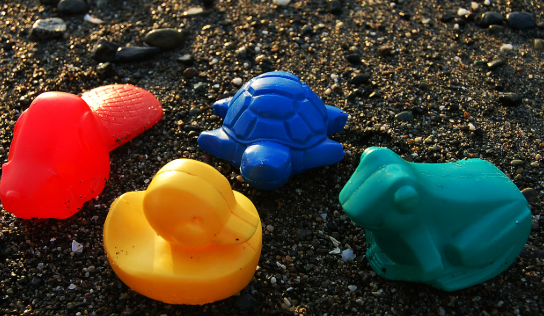
On January 10, 1992, the cargo ship Ever Laurel was crossing the North Pacific when it hit a powerful storm. Twelve containers went overboard, and one of them burst open, releasing 28,800 plastic bath toys into the sea. These weren’t just yellow ducks — the shipment included blue turtles, green frogs, and red beavers.


Because the toys had no holes, they didn’t sink. Instead, they bobbed along the surface, ready to drift wherever the currents carried them.

Why Scientists Paid Attention

Oceanographers quickly realized this spill was more than a quirky headline. It was a rare, real‑world experiment: thousands of identical floating objects released at a single point in the ocean. By tracking where the toys washed ashore, scientists could trace the movement of surface currents with surprising accuracy.

The toys became bright, plastic breadcrumbs that revealed how water circulates across the globe — especially in the vast, looping systems known as gyres.


What Exactly Is a Gyre?

A gyre is a massive, slow‑moving swirl of ocean currents, often spanning thousands of miles. Picture a gentle, continent‑sized whirlpool created by wind, Earth’s rotation, and the shape of the ocean basins. The Pacific has several major gyres, and many of the toys became trapped in these loops, circling for years before escaping or freezing into Arctic ice.

A Legacy Still Washing Ashore

Over the decades, sun‑bleached ducks and their colorful companions have appeared in Alaska, Hawaii, Japan, New England, and even the shores of the UK. Each one is a tiny reminder of how connected our oceans truly are — and how far a little plastic traveler can roam.

If you ever spot a weathered duck on a distant beach, you might just be meeting one of the world’s most famous accidental explorers.

Colorado: Chasing Trains, Mountains, and Maybe Bigfoot (Part 2)

Why I Missed the Durango & Silverton Railroad

Yesterday I mentioned that I wasn’t able to ride the Durango & Silverton Narrow Gauge Railroad during my Colorado trip. I was staying in Breckenridge at the time, and thanks to the pandemic, many of the time‑share resorts I normally used were either closed or operating with limited availability. When my vacation week rolled around, Breckenridge was the only place I could find a room—so that’s where I landed.

Breckenridge sits in central Colorado, not far from Denver and within reach of places like Pikes Peak. Ironically, I managed to miss that too. Meanwhile, the Durango & Silverton is located in the far southwestern corner of the state. From Breckenridge, it would have been a four‑to‑five‑hour drive just to reach the station. Even if I made it in time for a late departure, I’d have no way to return the same day without losing another full day to the commute. In the end, I decided it was better to save the experience for a dedicated trip to that part of Colorado.

A Bigfoot Twist I Didn’t Expect

Of course, now I have even more reason to go back. Do you believe in Bigfoot? As the old X‑Files tagline says, I want to believe. I grew up in Upstate New York, not far from Whitehall—one of the most famous Bigfoot hotspots in the country. Sightings there go back centuries, and a major 1976 encounter involving law enforcement helped cement Whitehall’s reputation among cryptozoology fans. I somehow missed all of this growing up, but the lore fascinates me now.

So when I heard about a possible Bigfoot sighting in southwestern Colorado, right near the Durango & Silverton line, that train ride shot straight back onto my bucket list.

My Love for Vintage Trains

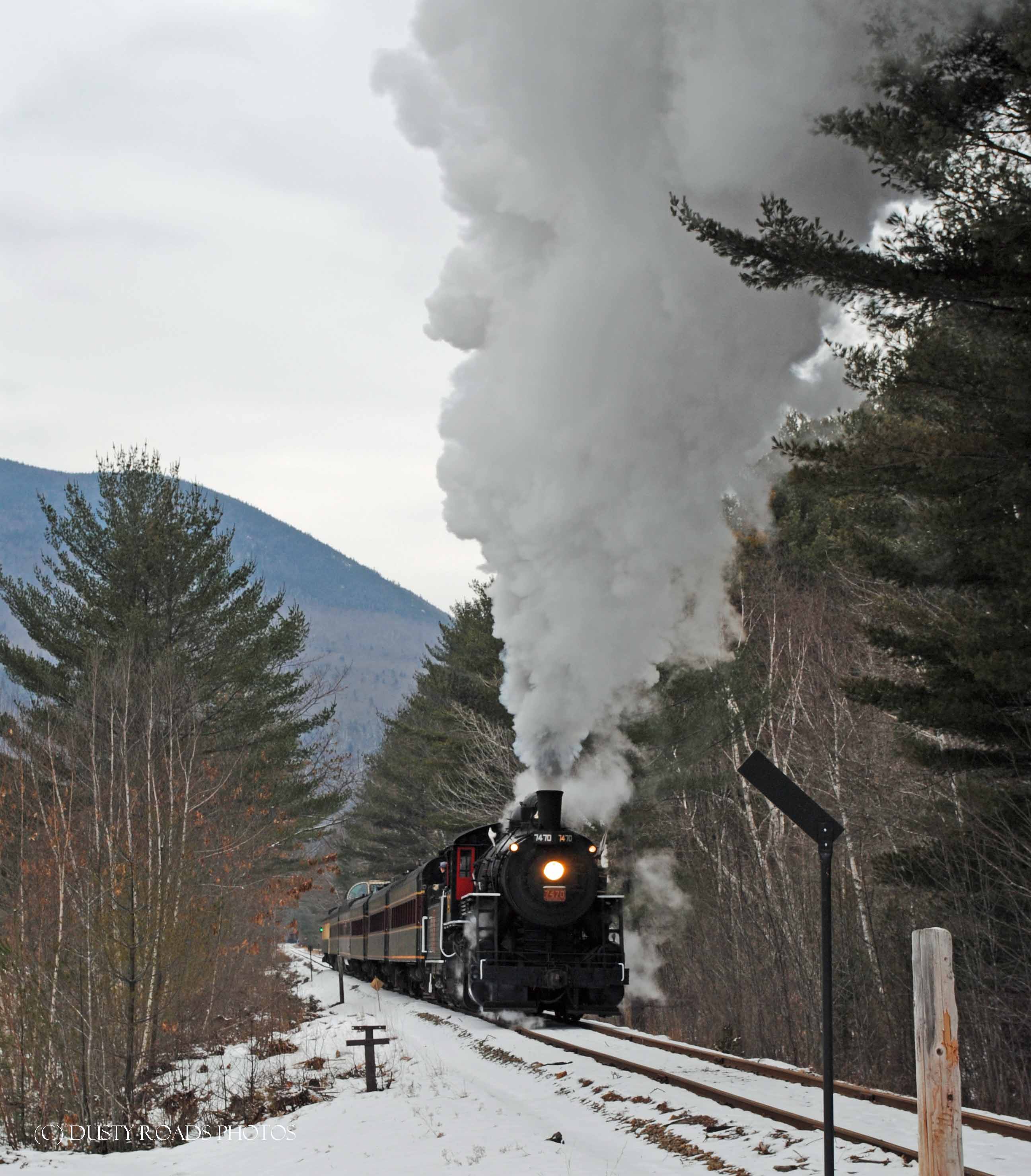
Steam In The Snow, Conway NH

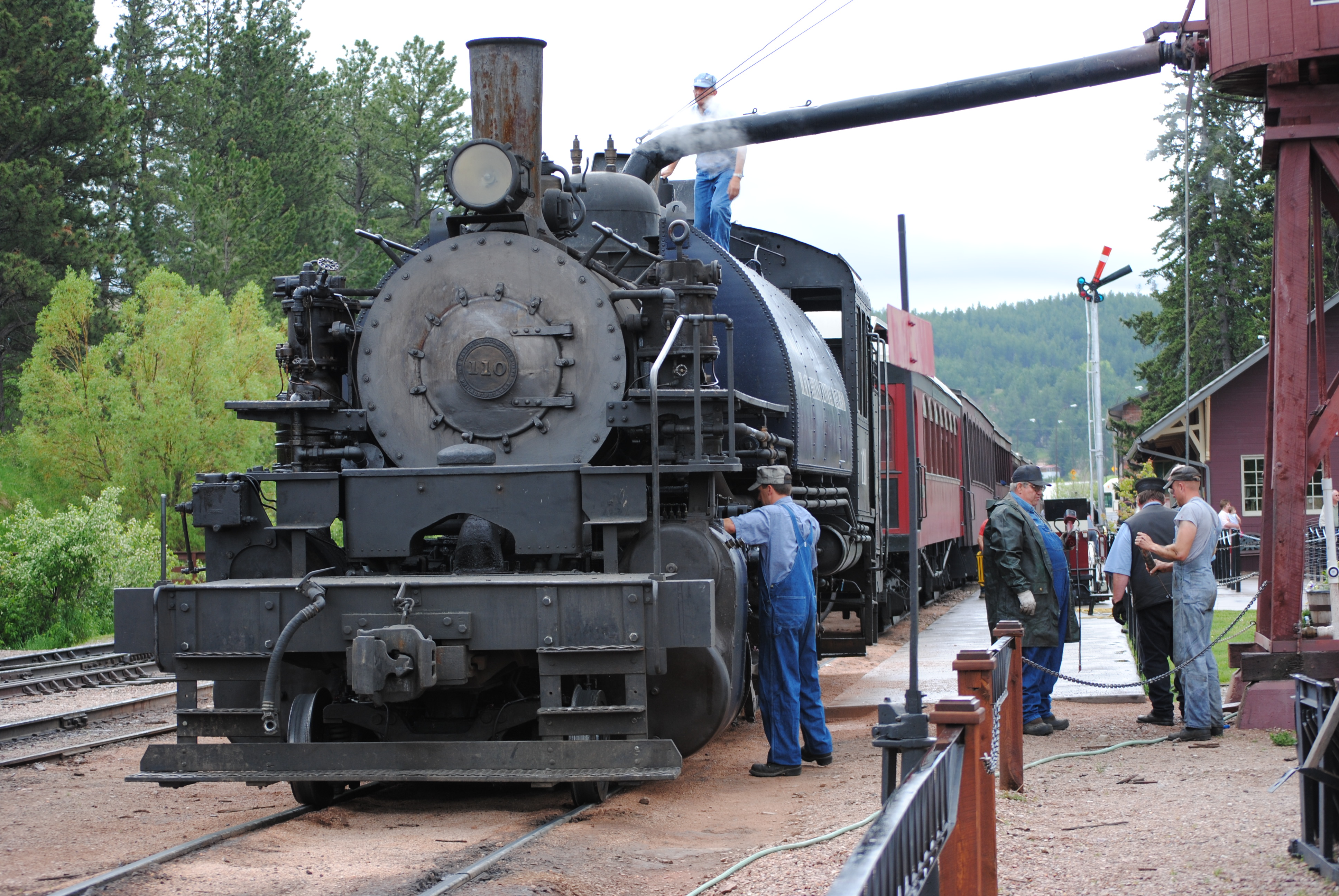
There’s something magical about riding a vintage steam train. It feels like stepping back in time. I’ve taken the North Conway “Steam in the Snow” excursion and ridden the 1880 Train in South Dakota, where our guide kept us laughing as he pointed out scenery—and the “summer cows,” some white, some black.

Filling up with water for steam- 1880 Train SD

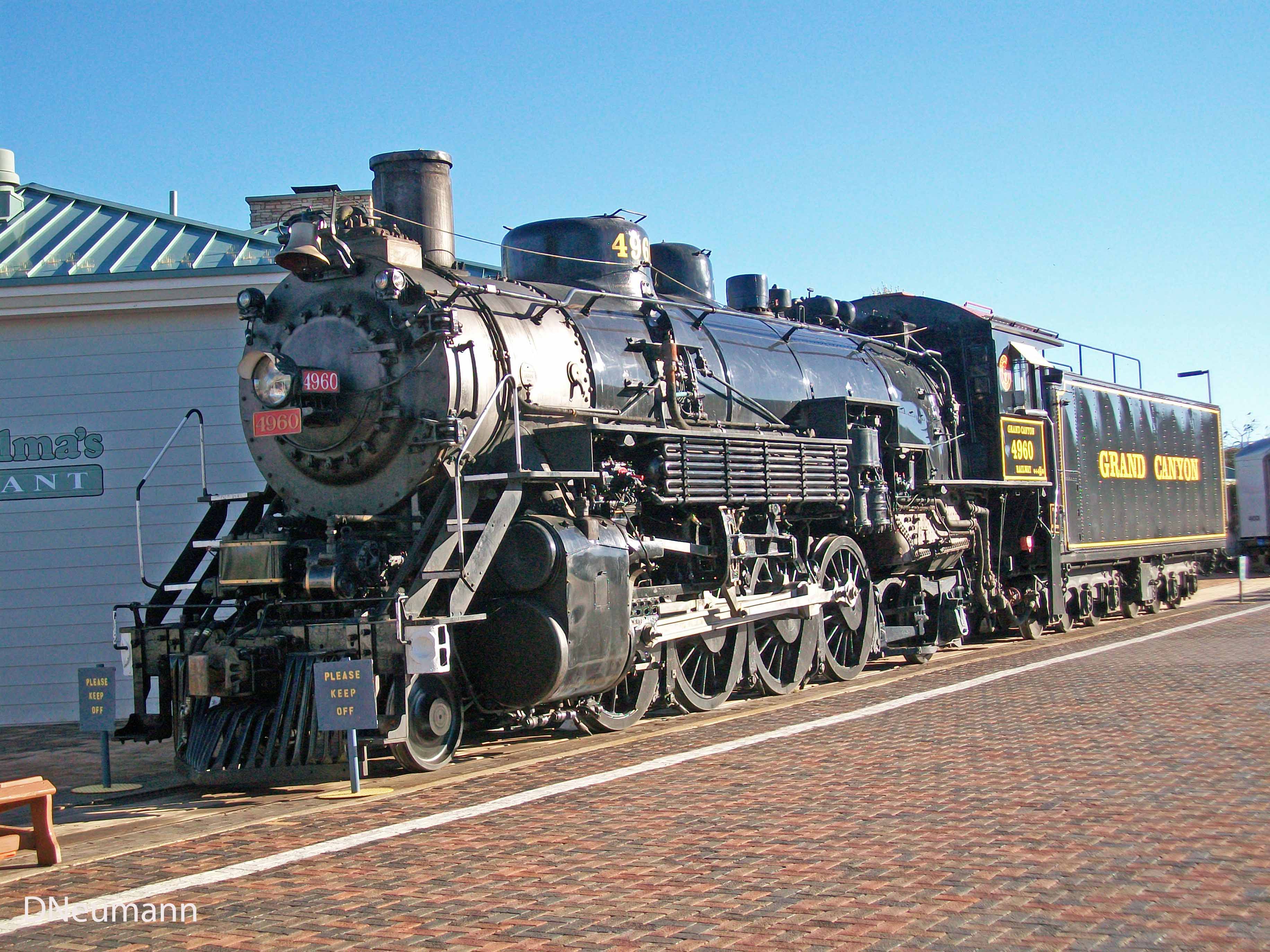
I’ve also experienced the Grand Canyon Railway and several modern sightseeing trains, each with its own charm.

Grand Canyon R R

Why the Durango & Silverton Is Still Calling My Name

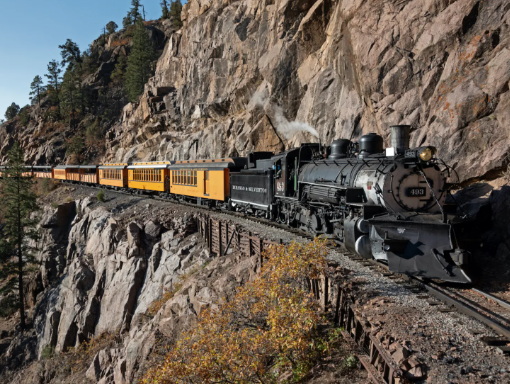
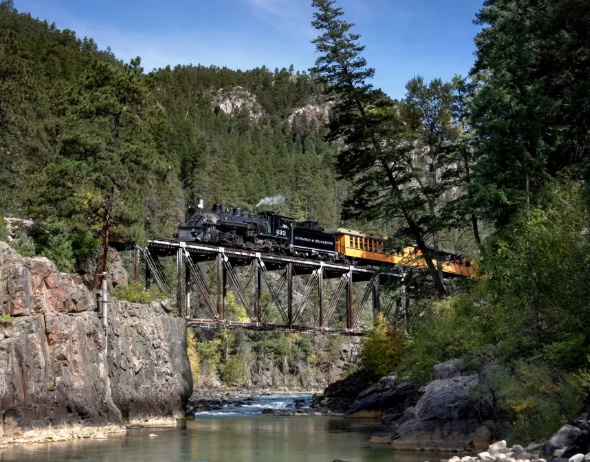
But the Durango & Silverton is in a league of its own. Durango was founded by the Denver & Rio Grande Railway in 1880, and the line to Silverton was completed just two years later. Originally built to haul silver and gold ore from the San Juan Mountains, the route quickly became beloved for something even more valuable: the views.

This historic steam train winds through rugged canyons, along cliff edges, and past forests where wildlife still thrives. Elk, mule deer, black bears, and bighorn sheep are all possibilities. And if the legends are true—maybe even something a little more mysterious.

Either way, the Durango & Silverton promises a scenic adventure worth waiting for. And next time, I won’t be five hours away.

Looking Ahead to the Next Adventure

Colorado didn’t unfold the way I expected, but sometimes the trips we don’t take end up shaping the ones we will. Missing the Durango & Silverton, battling altitude sickness, and stumbling into a possible Bigfoot mystery have all given me new reasons to return—this time with a clearer plan and a sense of curiosity leading the way. Whether I go for the history, the scenery, the wildlife, or the chance to glimpse something unexplained, I know the next journey will be worth the wait. Until then, I’ll keep dreaming, researching, and adding new pins to the map, because the adventure isn’t over. It’s just on pause.

Colorado: The Trip I Didn’t Expect (Part 1)


Reevaluating Travel After Retirement

I used to joke that I worked so I could travel. Then I got laid off, which quietly turned into retirement, and suddenly that old expression felt very real. These days my “trips” are mostly to the local grocery store.

But that hasn’t stopped me from dreaming. I still read, plan, and binge travel videos while I explore side hustles to support my travel habit.

Why Colorado Became My Last Big Trip

Colorado was the last real adventure I took as COVID wound down and life began to feel normal again. I’ll admit—it wasn’t one of my favorite trips. Even before I left, I struggled to choose which part of the state to visit. Colorado is huge, and the list of iconic destinations is overwhelming.

Colorado’s Endless List of Must‑See Attractions

From sweeping landscapes to historic sites, Colorado is packed with bucket‑list stops:

  • Rocky Mountain National Park
  • Pikes Peak
  • Garden of the Gods
  • Great Sand Dunes National Park
  • Royal Gorge Bridge, the world’s highest suspension bridge
  • Four Corners Monument, where Colorado, Utah, Arizona, and New Mexico meet
  • Mesa Verde National Park, high on my personal list

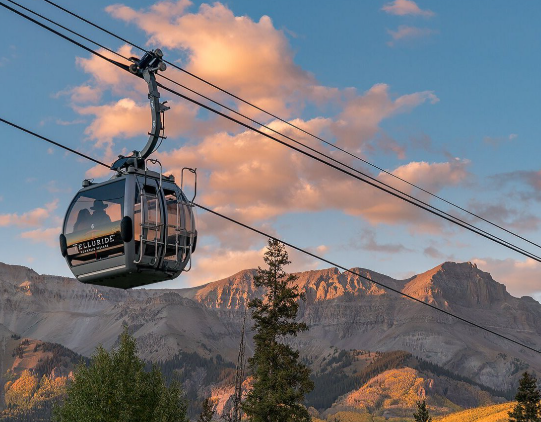
I even watched Josh Gates explore the Telluride region and retrace the steps of Butch Cassidy, which only added more destinations to my already long list.

Why I Ended Up in Breckenridge

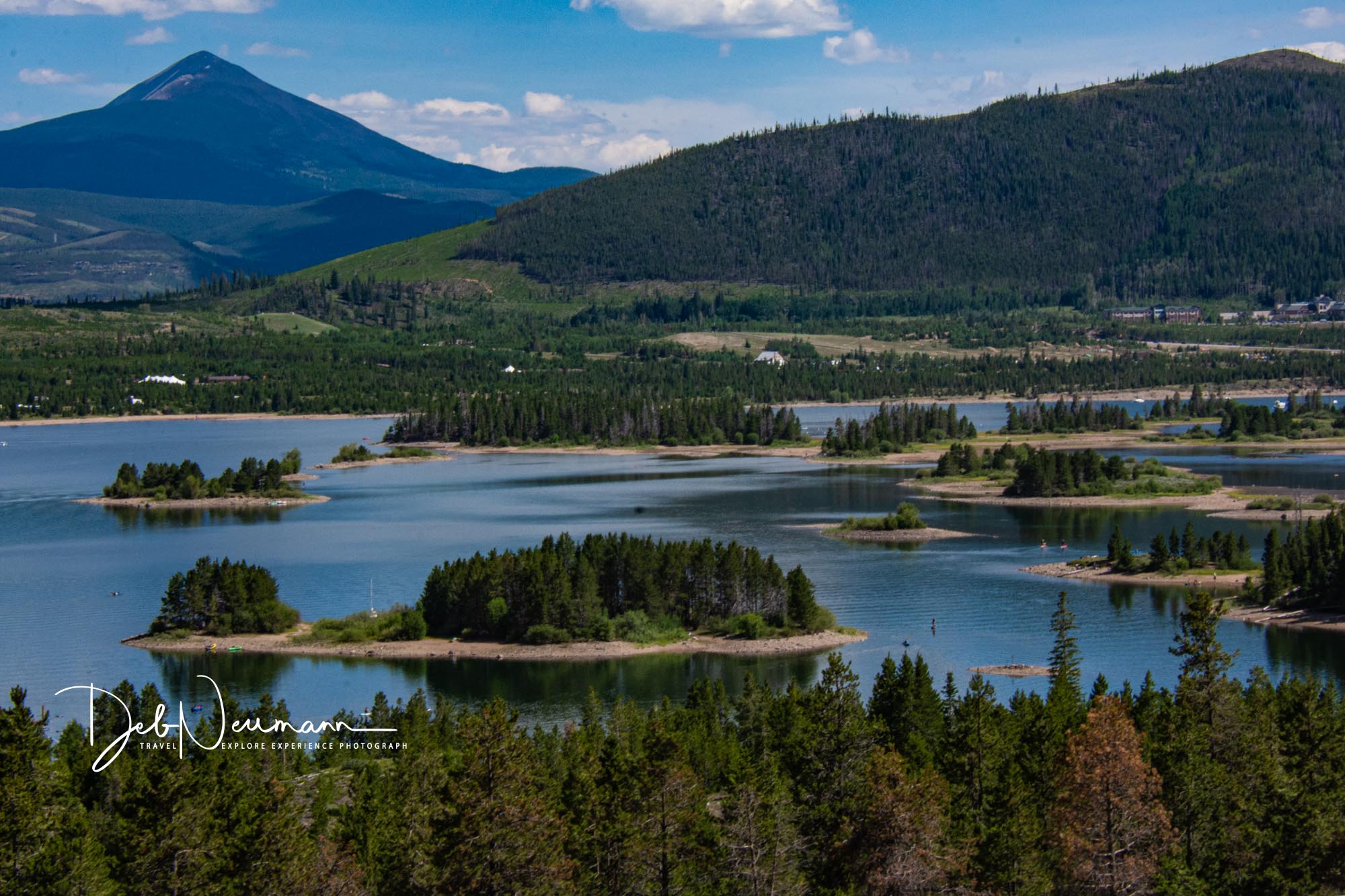
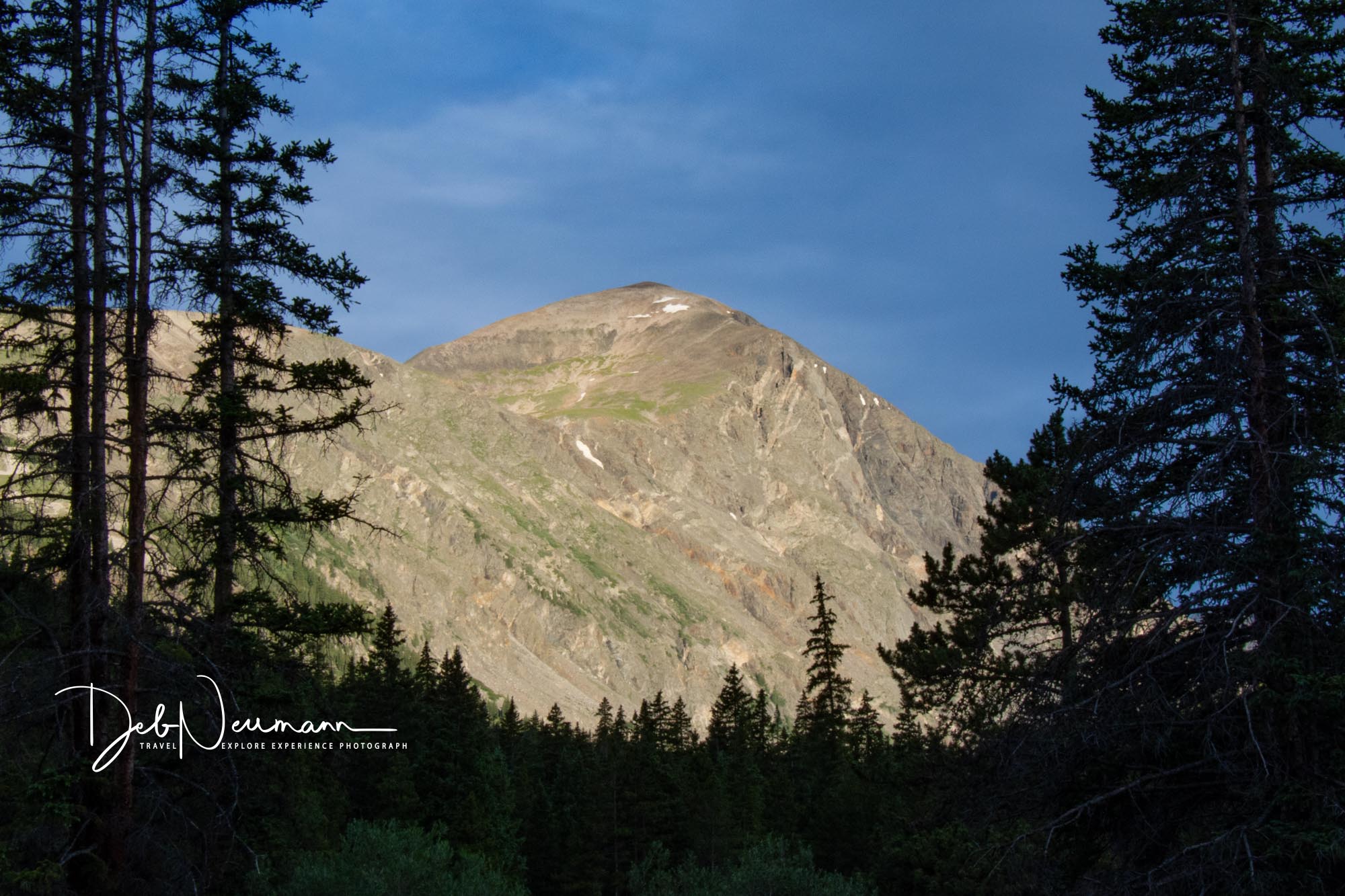
Despite all those options, I landed in Breckenridge. And instead of hiking and exploring, I spent more time lying down than standing up. Altitude sickness hit me harder than expected and slowed me to a crawl.

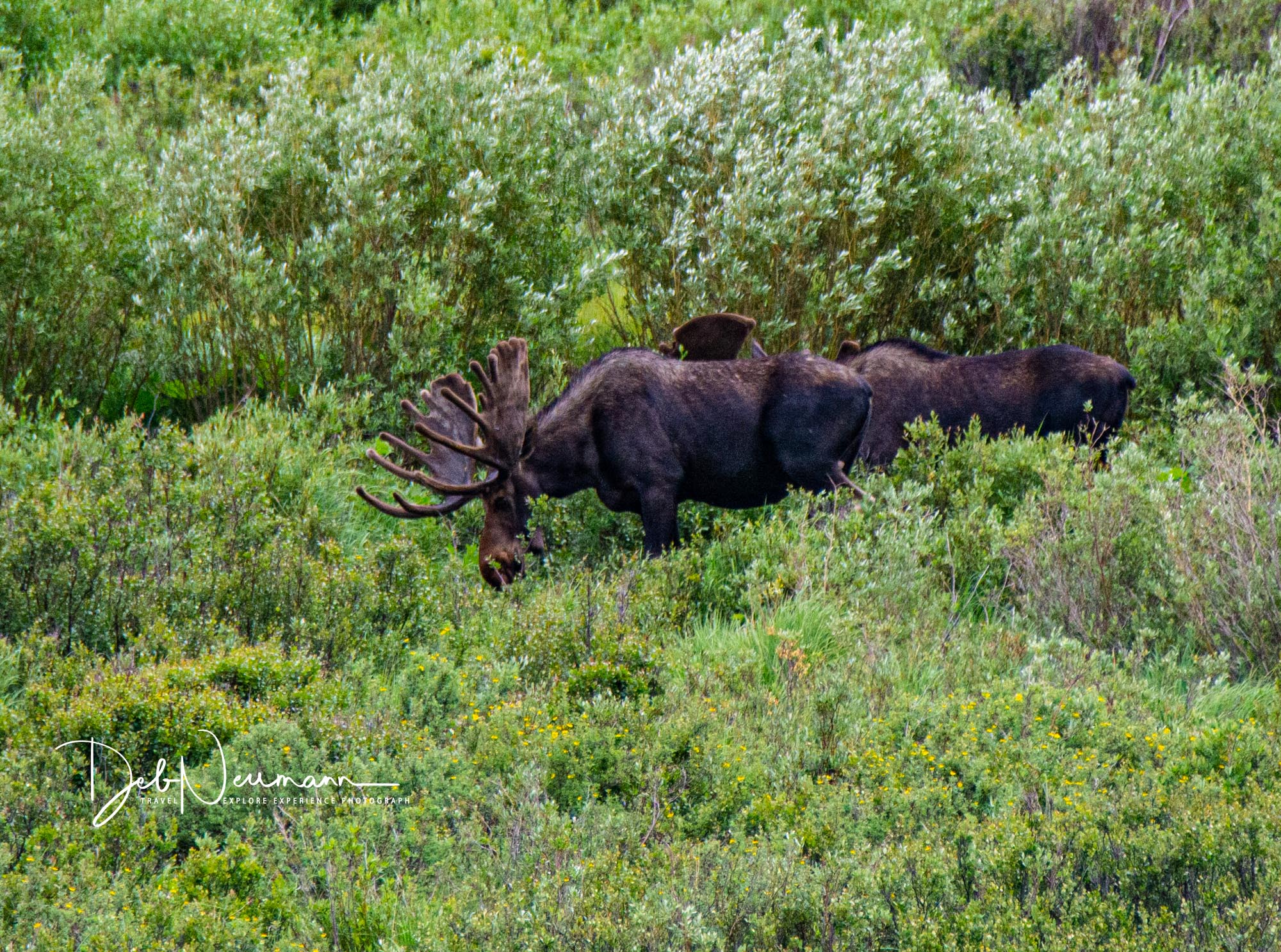
I searched for bighorn sheep with no luck, but I did spot a couple of moose—small victories count.

The Train Ride I Missed

I managed to squeeze in a train ride, but not the one I really wanted: the iconic Durango & Silverton Narrow Gauge Railroad. That one is still on my list, and it’s going to play a big role in Part 2 of this story.

A Curious Colorado Mystery

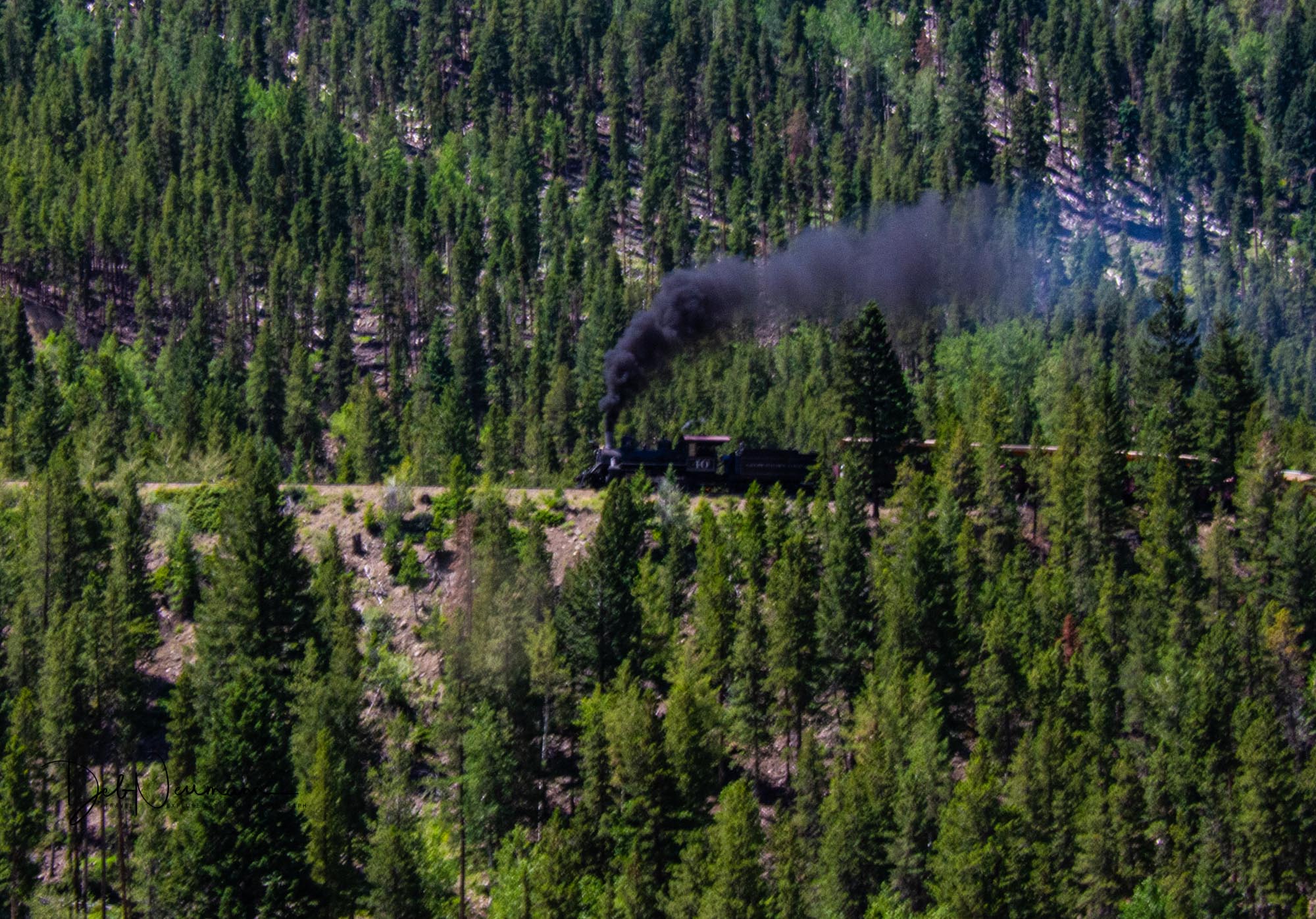
That train came back to mind recently when I saw a video clip making the rounds online. It appeared to show a huge, hairy figure striding across a hillside near the tracks. Whether it was a prank, a shadow, or something more mysterious… well, that’s a tale for the next post.