From Dusty Roads to Sacred Waters: Remembering Pearl Harbor


Standing in Silence: My Visit to Pearl Harbor

Photo Credit Deb Neumann

A Journey Beyond History

When I stepped onto the grounds of Pearl Harbor, I thought I knew the story. I had read the dates, the numbers, the accounts of December 7, 1941. But history on a page is different from standing in the place where it happened. The air felt heavy, as if it carried the echoes of that morning when the world changed forever.

The Arizona Memorial Experience

Visiting the USS Arizona Memorial was unlike anything I’ve ever felt. The structure itself is simple, white and graceful, resting above the sunken battleship. Yet the emotions it stirs are anything but simple. Looking down at the quiet waters, knowing that more than a thousand sailors still rest below, I felt a silence that spoke louder than words. It was not just sadness—it was reverence, a deep awareness that this place holds both grief and honor.

Photo credit Deb Neumann

AP photo Twin Towers, NYC

Memory Across Generations

As I stood there, I thought about how many in today’s generation don’t carry personal memories of Pearl Harbor. For them, it is history class, not lived experience. In that way, it reminded me of how 9/11 shaped my own generation—an event that defined us, just as Pearl Harbor defined those before us. Both moments remind us that tragedy can strike suddenly, but resilience rises just as quickly.

A Lasting Impression

I cannot fully explain what the memorial gave me, only that it will stay with me forever. It is a reminder that freedom is fragile, that sacrifice is real, and that remembrance is essential. Pearl Harbor is not just about the past—it is about carrying forward the lessons of unity and courage.

Passing It On

For those who have never been, I encourage you to visit if you can. Stand in that silence. Feel the weight of history. And then carry it with you, so the stories of Pearl Harbor are never forgotten.

Around Dusty Roads

Travel has a way of leaving footprints on our hearts. Some roads lead us to joy, others to reflection, and some—like the path to Pearl Harbor—remind us of the sacrifices that shaped the world we walk today. Around Dusty Roads is about more than destinations; it is about the meaning we find along the way. Pearl Harbor is one of those places where history and humanity meet, and where the journey becomes part of who we are.


 

Why I Still Believe in Welcoming Haven’s Future

A Welcoming Haven Update

Hi Dear Readers,
In Around Dusty Roads tradition of full transparency, I’m sharing some of the challenges of building an online business. I do so not out of discouragement or frustration, but to offer insight into what you may encounter if you choose to join the ranks of e‑commerce.


Facing Early Challenges

In my previous post, 5 Truths About Success—And Why I’m Still Showing Up, I reflected on the realities of building Welcoming Haven. This week, I want to continue that conversation with an update. Building Welcoming Haven has been a challenge, and I’ve learned a lot along the way. The consultants I first worked with didn’t provide the ongoing support I expected. After searching online, I discovered many others had similar experiences. Although the consultants provided the basics for a viable business, which is why I don’t believe I was scammed, the fact remains that the lack of support ultimately taught me a hard lesson.  It’s a reminder that scams and unreliable services are out there, and caution is essential.

Finding Support in Shopify

Thankfully, Shopify offers strong resources and guidance. Shopify designs its platform to help stores succeed, and I find their support reassuring. Because they invest in the success of their merchants, I feel less alone in the process.”

Learning from Other Entrepreneurs

In the course of this journey, I also connected with another store owner who had struggled too. He told me his business turned around after working with a consultant recommended through Shopify. His store now grosses $20K a month! He kindly shared his consultant’s contact with me, and after a brief discussion, I decided to give it a try. (so much for caution)

A New Approach

This consultant works differently: only a minimal upfront investment for tools, and the rest on commission—no sales, no payment. Already, he’s boosted my product SEO scores from 60–70% to 90–100%, and is now focusing on marketing. More importantly, he’s responsive, confident, and delivers on his promises.

Looking Ahead

For the first time, it doesn’t feel so lonely. I have someone in my corner, and I’m hopeful that 2026 will be prosperous for both of us.

Let’s go, Welcoming Haven—your future is looking bright.


Turkey Talk

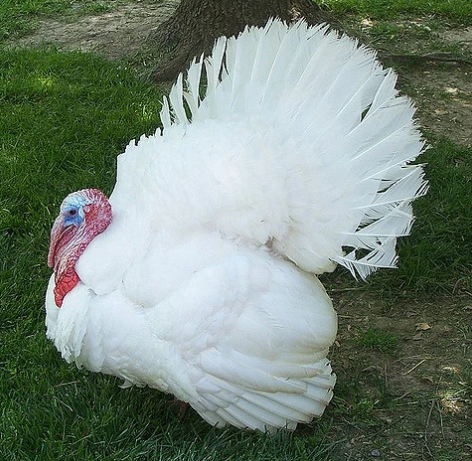
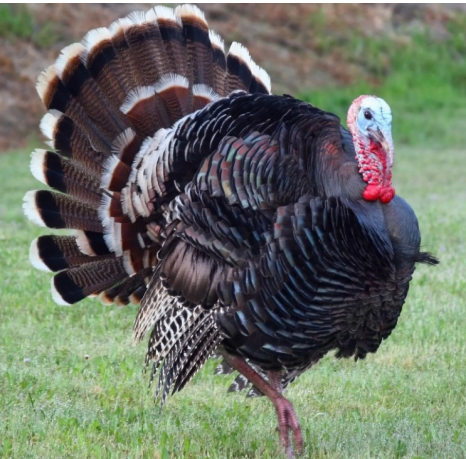
🦃 Why Are Domestic Turkeys White?

A Totally Serious Interview with Two Turkeys

Reporter: Welcome to Turkey Talk Live! Today we’re asking the burning question: why are domestic turkeys white while wild turkeys strut around in earthy browns and blacks? Let’s hear it straight from the birds themselves.


Domestic Turkey (fluffing feathers):

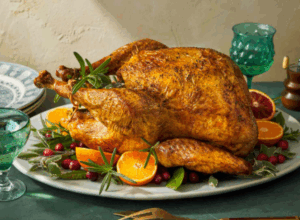
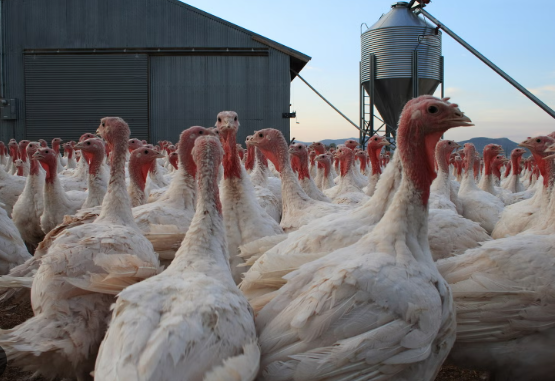
“Listen, I didn’t choose this look. Humans bred me this way. Apparently, white feathers make me look ‘cleaner’ once I’m… you know… processed. Dark pinfeathers are like having spinach stuck in your teeth—nobody wants to see that on the holiday table. So voilà, I’m the snow‑white centerpiece. Fashion? Nah. It’s all about marketing.”


Wild Turkey (adjusting camo plumage):

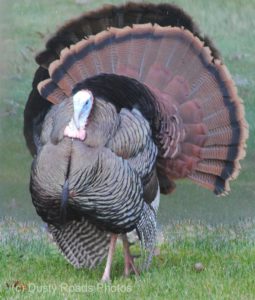
“Meanwhile, I’m rocking these rich browns and blacks because I actually need to survive. Ever tried hiding from coyotes in a white feather coat? Forget it. My colors help me blend into the forest floor. I’m basically the ninja of the turkey world. Domestic cousin here couldn’t camouflage in a mud puddle if it tried.”


Domestic Turkey (sighing):

“True. I can’t fly well, I’ve lost most of my wild instincts, and honestly, if you dropped me in the woods, I’d probably ask for Wi‑Fi. But hey, I’m great at sitting still and looking plump, basically the couch potato of the poultry world. Humans love that.”


Wild Turkey (smirking):

“And I love not being dinner. So while you’re busy auditioning for the Thanksgiving table, I’ll be over here blending in with the leaves.”


Reporter’s Wrap‑Up

Domestic turkeys are white because humans bred them for a cleaner, more marketable look. Wild turkeys are dark because nature bred them for survival. One is hiding from predators, the other is hiding from gravy. It’s just the result of centuries of humans saying, “Hmm, this bird would look better if it matched the tablecloth.”

Looking Back at the Rich History of the Presidential Turkey Pardon

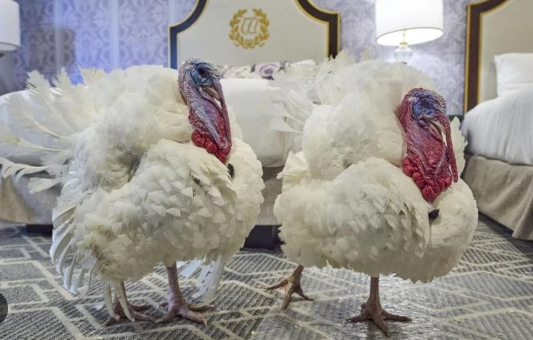
Yes,, I know Thanksgiving was last week but Gobble and Waddle are still giving thanks if they have any idea of the fate they escaped.

A Lighthearted Tradition Amid Serious Times
Every November, the White House sets aside politics for a moment of levity: the presidential turkey pardon. This year, President Donald Trump granted clemency to Gobble and Waddle, continuing a tradition that has become as quintessentially American as pumpkin pie. The ceremony, now in its 78th year, offers humor, gratitude, and a touch of whimsy against the backdrop of Washington’s otherwise weighty affairs.

Lincoln’s First Act of Mercy

The roots of the turkey pardon stretch back to 1863, when President Abraham Lincoln spared a bird at the request of his young son, Tad. The turkey, affectionately named Jack, was destined for the family’s Christmas table until Tad intervened. Lincoln’s compassion set the stage for what would later evolve into a national ritual.

Truman’s Myth and Kennedy’s Gesturetom turkey

Though often credited with beginning the tradition, Harry Truman never officially pardoned a turkey. The Truman Library confirms that the birds presented to him in the late 1940s were likely eaten. The first modern gesture of mercy came from John F. Kennedy in 1963, when he famously said, “Let’s keep him going,” sparing a 55-pound bird just days before his assassination.

Reagan, Bush, and the Formalization of the Pardon

In the 1980s, Ronald Reagan began sending turkeys to farms rather than the dinner table, joking about “pardons” during the Iran-Contra scandal. But it was George H.W. Bush in 1989 who officially declared a presidential pardon, ensuring the bird’s survival. Since then, every president has upheld the tradition, with Barack Obama pardoning the most—16 turkeys during his two terms.

Life After the White House

Pardoned turkeys don’t simply fade into obscurity. Many retire to farms, universities, or agricultural centers, serving as quirky ambassadors for American farming. Gobble and Waddle, this year’s stars, will enjoy retirement at North Carolina State University’s Prestage Department of Poultry Science. Meanwhile, millions of other turkeys—about 46 million each Thanksgiving—still meet a far less fortunate fate.

A Tradition of Humor and Humanity

From Lincoln’s compassion to Bush’s formal proclamation, the turkey pardon reflects both the lighter side of presidential power and the enduring appeal of Thanksgiving. It’s a reminder that even in the halls of government, there’s room for humor, kindness, and a nod to the nation’s agricultural roots.


Sources: TIME, CBS News, Yahoo News, USA Today, History.com, Wikipedia


The Timeless Ritual of Tea


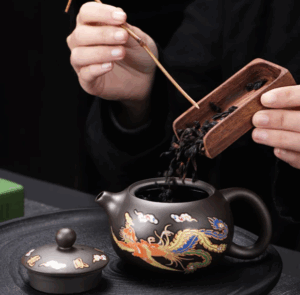
 Discover the Chinese Style Color-Changing Purple Clay Teapot
Tea in Chinese Culture

Tea in China is more than a beverage—it’s a centuries-old ritual that embodies harmony, respect, and artistry. From the Tang dynasty onward, tea drinking became a cultural cornerstone, celebrated in poetry, philosophy, and daily life. The vessel used to brew tea was never just functional; it was a reflection of craftsmanship and meaning.


The Legacy of Purple Clay

One of the most treasured materials for teaware is purple clay (Yixing clay), prized for its porous nature that enhances flavor with each use. Over time, a purple clay teapot develops a unique patina, becoming deeply personal to its owner. This tradition of clay artistry continues today, blending heritage with modern innovation.

A Modern Twist: Color-Changing Teapot

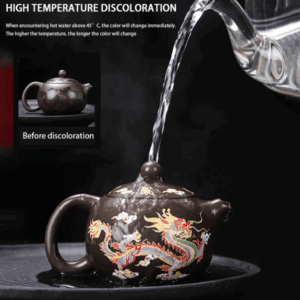
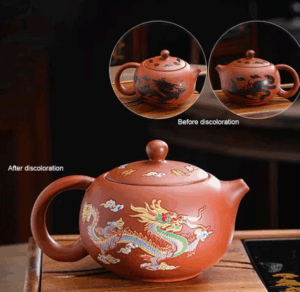
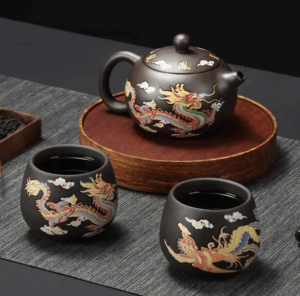
The Chinese Style Color-Changing Purple Clay Teapot is a stunning example of this fusion. At first glance, it appears as a classic handcrafted teapot, but when hot water is poured inside, the surface transforms—revealing intricate motifs such as the dragon, a symbol of strength, wisdom, and good fortune in Chinese culture.
The Symbolism of the Dragon

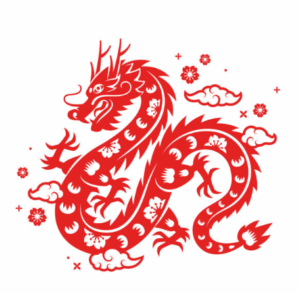
The dragon has long been revered as a guardian of prosperity, making this teapot not only a functional vessel but also a meaningful centerpiece for your tea ritual. Imagine serving guests and watching their delight as the teapot shifts in color, unveiling the dragon’s form.


Elevating Your Tea Experience

It’s more than tea preparation—it’s a performance, a conversation starter, and a way to connect with traditions that span thousands of years. Whether you’re steeping delicate green tea or a robust oolong, this teapot elevates the experience into something memorable.


Why You’ll Love It

For tea lovers, collectors, or anyone seeking a touch of cultural artistry in their home, this color-changing purple clay teapot is a treasure worth adding to your collection. It embodies the spirit of Chinese tea culture while offering a modern twist that sparks joy.

Shop the Teapot at Welcoming Haven

Bring this timeless piece into your home today by visiting Welcoming Haven. It’s the perfect way to celebrate tea culture while supporting a small business dedicated to cozy, meaningful living.

Explore More Options on Amazon

If you’d like to browse additional styles and varieties, you can also explore Chinese teapots on Amazon for more inspiration.


Affiliate Disclosure: This post contains affiliate links. If you purchase through these links, I may earn a small commission at no extra cost to you. This helps support the creative work behind Around Dusty Roads and Welcoming Haven.