History’s Strangest Final Acts


🎭 “Exit Stage Left: History’s Strangest Final Acts”
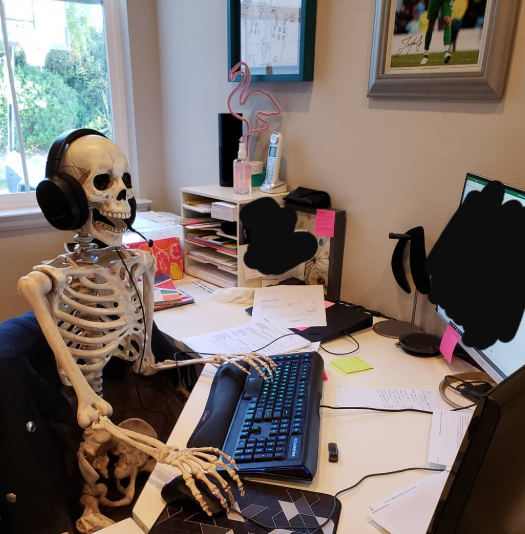
If you could choose how you die, would you?
Not to sound morbid, but let’s be honest — some exits are better than others. Most of us hope for the peaceful, painless kind, preferably while dreaming of winning the lottery or floating on a cloud of mashed potatoes. What we don’t want is drama, chaos, or anything that ends with our relatives saying, “Wait… they died how?”

History, however, didn’t always get the memo. A few famous figures left this world in ways that were… let’s just say, less than ideal.


🍒 When Gluttony Bites Back: President Zachary Taylor

Back in 1850, antibiotics weren’t a thing, and neither was portion control apparently. President Zachary Taylor died from a bacterial infection after indulging in a patriotic feast of cherries and iced milk.
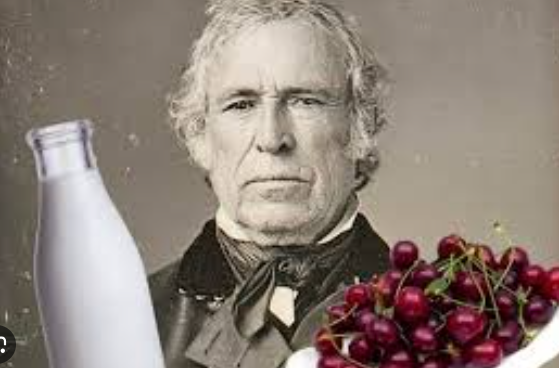

A Founding Father of Overeating, perhaps.


🤣 Death by Donkey (and Laughter): Chrysippus
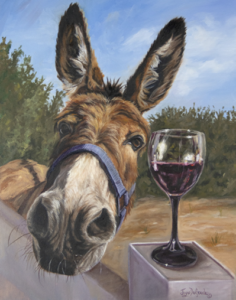
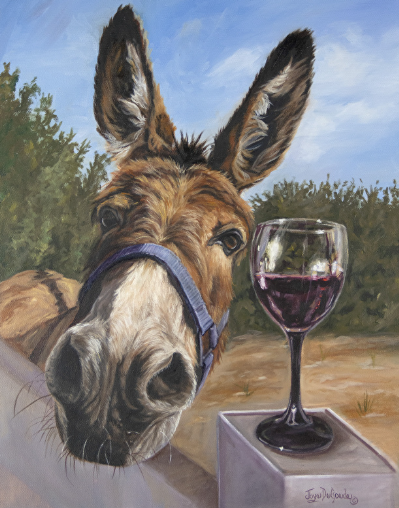
Greek philosopher Chrysippus literally laughed himself to death after watching a donkey eat figs and drink wine.
If there’s ever been a case for “go out doing what you love,” this might be it.


🧣 The Scarf with a Flair for Drama: Isadora Duncan

Isadora Duncan, the legendary dancer, loved a dramatic flourish — especially a long, flowing scarf. Unfortunately, that scarf caught in the wheel of a moving car and ended her life in a way even Hollywood would reject as “too on the nose.”



🐩 Beware the Poodle: Allan Pinkerton

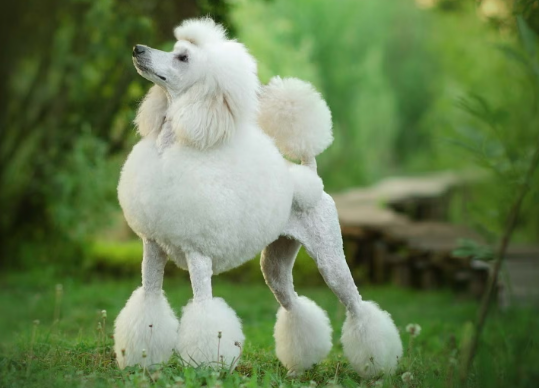
Allan Pinkerton, founder of the Pinkerton Detective Agency, met his end thanks to… a poodle.
A tangled leash, a fall, a bitten tongue, and a fatal infection. Proof that even the toughest detective can be undone by a fluffy dog with attitude.

🧺 Laundry Day Gone Wrong: Draco of Athens

Draco, the man behind the word “draconian,” died when adoring fans showered him with clothing — literally. The pile grew so large he suffocated beneath it.
Elvis should be grateful modern fans stick to throwing underwear.


🍽️ The King Who Ate Himself to Death: Adolf Frederick of Sweden

Lobster, sauerkraut, caviar, kippers, champagne, and fourteen servings of sweet buns.
That was King Adolf Frederick’s final meal.
A royal feast… and a royal mistake.

🎯 Famous Last Words: General John Sedgwick
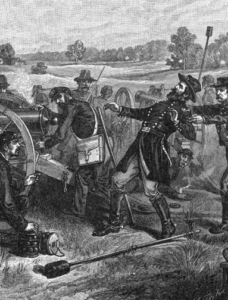
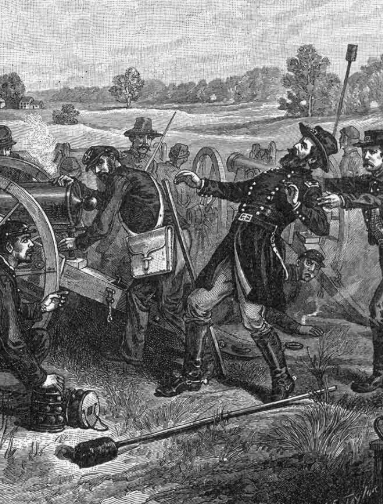
During the Civil War, General Sedgwick stepped into enemy fire and declared, “They couldn’t hit an elephant at this distance.”
Seconds later, he was proven tragically — and ironically — wrong.


💬 Closing Thoughts

Life is unpredictable, and sometimes the universe has a dark sense of humor. These stories aren’t about morbidity — they’re reminders that even the mighty, the brilliant, and the dramatic can exit this world in ways no one would script.

And maybe that’s why we all secretly hope for the peaceful, quiet version.


📣 Your Turn: How Would You Prefer to Go Out?

I’d love to hear from you:

  • Would you choose a peaceful passing in your sleep
  • A dramatic Hollywood fade‑out
  • A Viking funeral (minus the fire hazard)
  • Or something completely different

Drop your thoughts in the comments — funny, serious, or somewhere in between. After all, if history teaches us anything, it’s that the ending is rarely what we expect.

The Five‑Second Rule and Other Delicious Lies We Tell Ourselves


✨ The Myths, Legends, and Laughs of Kitchen Folklore

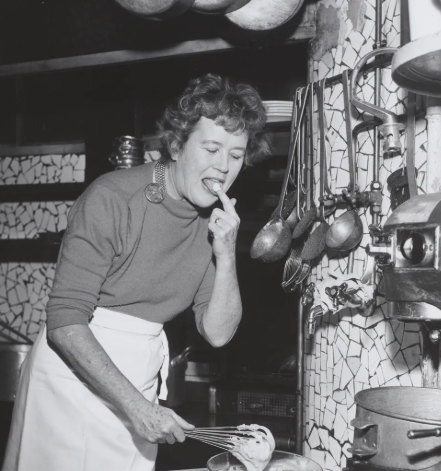
There are a few myths and legends that sneak into everyday food handling. One that comes to mind immediately is the Five‑Second Rule. Ever heard of it? I seem to run into it constantly. I’ve even heard it mentioned in TV programs like The Simpsons—and believe it or not, Julia Child herself once scooped up dropped food on camera. She never said the rule out loud, but that moment alone helped cement it in modern kitchen culture.

The Five‑Second Rule: Convenient, Comforting… and Completely Wrong

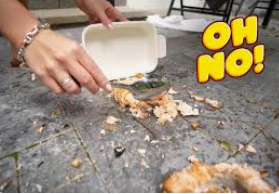
For anyone who’s never watched TV or has their head buried like an ostrich, the Five‑Second Rule is the belief that food dropped on the floor is safe to eat if you pick it up within five seconds.

Unfortunately, science has rained on that parade. Studies show bacteria can transfer to food almost instantly. How much depends on the food, the surface, and how dirty that surface is. The myth sticks around because it’s a handy excuse not to waste food—but it’s not exactly a food‑safety strategy.

Understanding the risks helps us make better choices and reminds us that hygiene matters more than wishful thinking.

The Jelly‑Side‑Down Curse

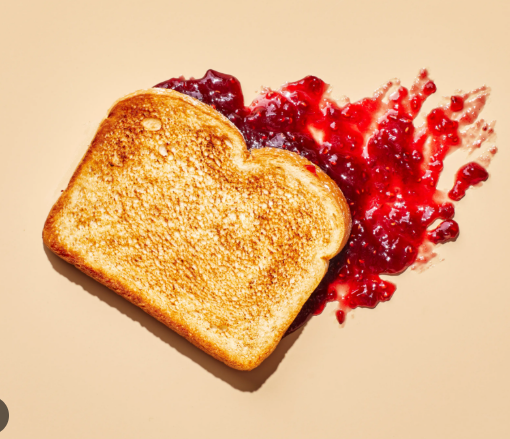
Another favorite saying is that toast always lands jelly‑side down. Don’t laugh—think about it. I always assumed the extra weight of the butter or jelly caused the flip… or maybe it’s just a breakfast version of Murphy’s Law.

But there’s actually physics behind it. Toast usually starts jelly‑side up on a plate. When it slips, it only has time to rotate about half a turn before hitting the floor—landing jelly‑side down. Not bad luck. Just gravity with a sense of humor.

The Pancake Theorem: The First One’s Always a Dud

There’s a whole plethora of kitchen sayings, but one of my favorites is the Pancake Theorem:
“The first one’s always a dud.”

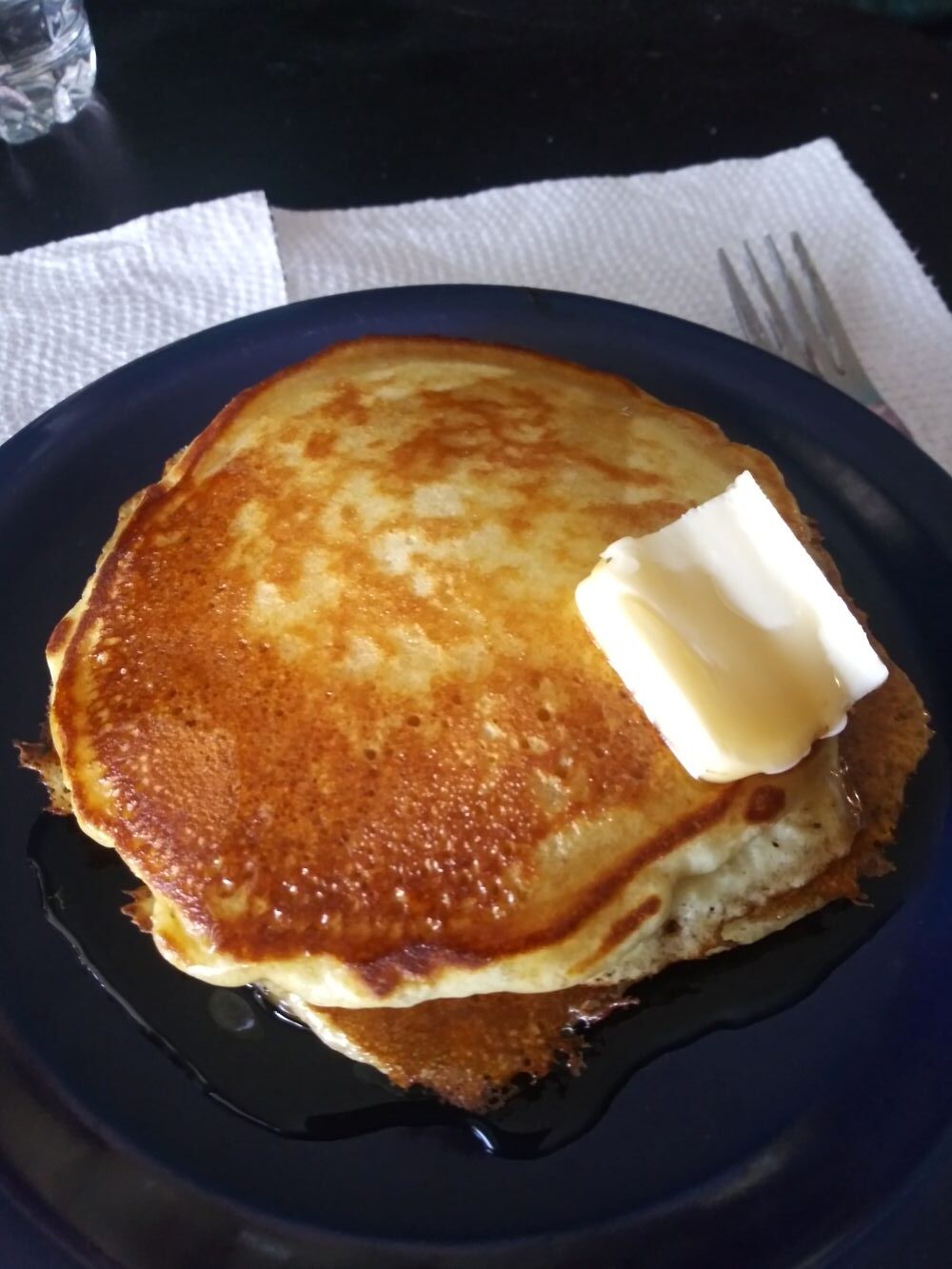
As someone who struggled for years to make the perfect pancake, I can confirm this one from personal experience. I’m happy to report that with improved kitchen skills, I now make pancakes from scratch—company‑worthy ones, no less—and I’ve finally overcome the first‑pancake curse.

Why does that first pancake misbehave? A few reasons: the pan isn’t evenly heated yet, the oil hasn’t settled, and the batter is still adjusting to the temperature. So the first one comes out pale, blotchy, or shaped like a map of New Jersey. It’s folklore backed by kitchen physics.

A Final Bite

So, my friend, tuck these sayings away for a quick kitchen chuckle. Just don’t rely on the Five‑Second Rule. That’s one myth best left on the floor—preferably with the jelly‑side down.


Deadwood, South Dakota: Truth, Legend, and the Last Days of Wild Bill Hickok


The One Stop We Missed

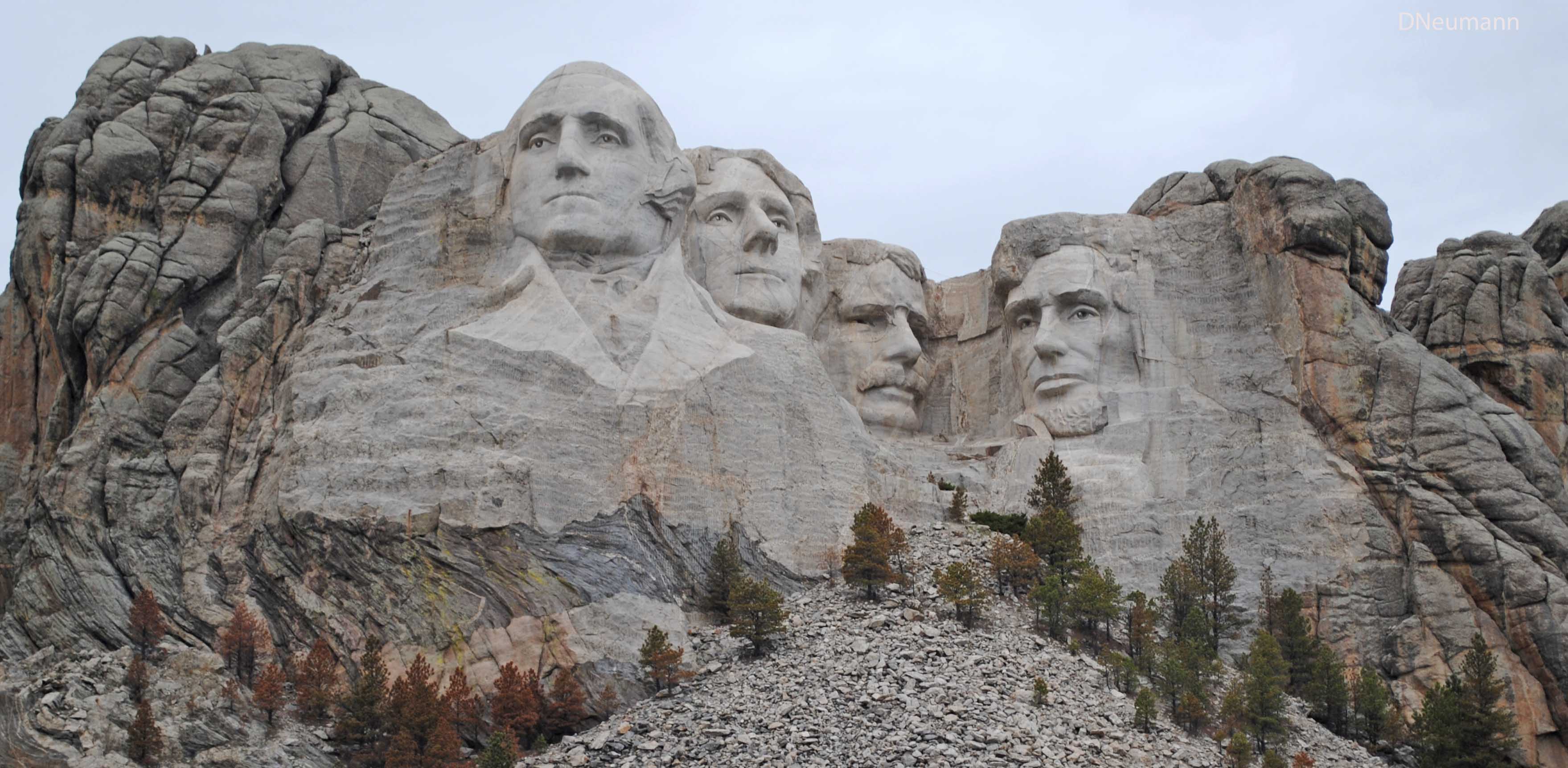
Among the myths and legends of the Wild West sits Deadwood, South Dakota. I still regret that we didn’t take the time to visit when we took our amazing vacation out that way. If you’ve been following Around Dusty Roads for a while, you may remember those older posts—Mount Rushmore, the Badlands, Custer State Park… we squeezed in a lot. But Deadwood? Somehow it slipped through the cracks.

Does that mean a return trip is needed? Let’s talk about it, and you be the judge.

A Town Built on Gold, Grit, and Gunpowder

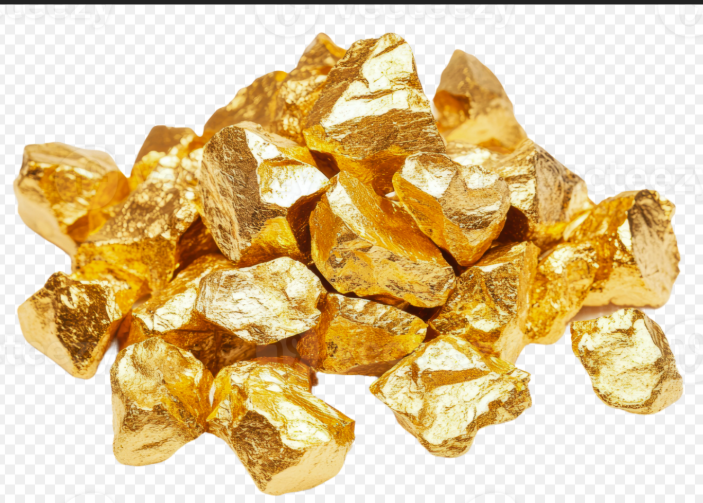
Deadwood earned its reputation during the lawless days of the Wild West. Gold brought fortune seekers. Fortune seekers brought outlaws. Outlaws brought gunfights. And the whole mix created a town where danger and opportunity walked hand in hand.

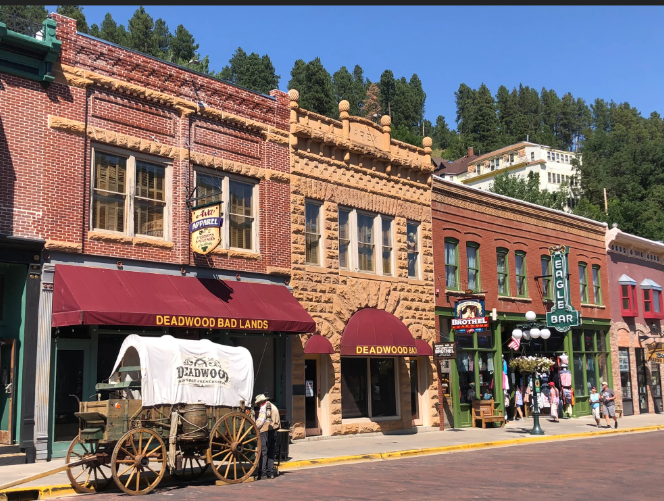
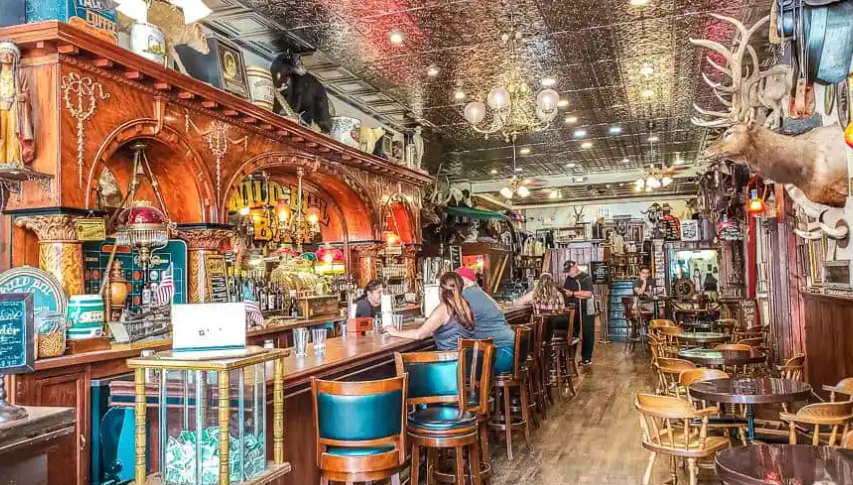
Today, Deadwood leans into that history with restored saloons, historic buildings, and lively reenactments that celebrate its rough‑and‑tumble past. It’s a place where the line between truth and legend blurs—sometimes intentionally.

The Murder of Wild Bill Hickok

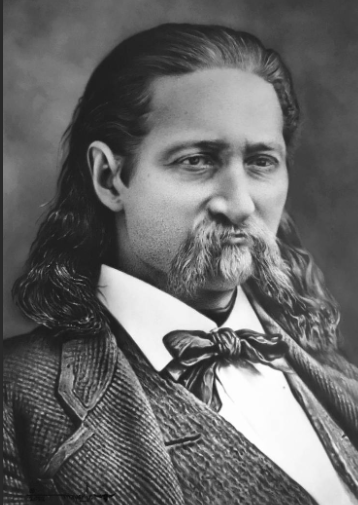
Of all the stories tied to Deadwood, none is more famous than the death of James Butler “Wild Bill” Hickok. On August 2, 1876, Hickok took a seat in Nuttal & Mann’s Saloon No. 10. For reasons still debated, he sat with his back to the door—something he almost never did.

That small decision became part of Western lore.

The day before, a drifter named Jack McCall had lost all his money to Hickok in a poker game. When Hickok offered him money for a meal, McCall took it as an insult. Fueled by wounded pride and liquid courage, he returned the next evening, walked up behind Hickok, and shot him in the head.

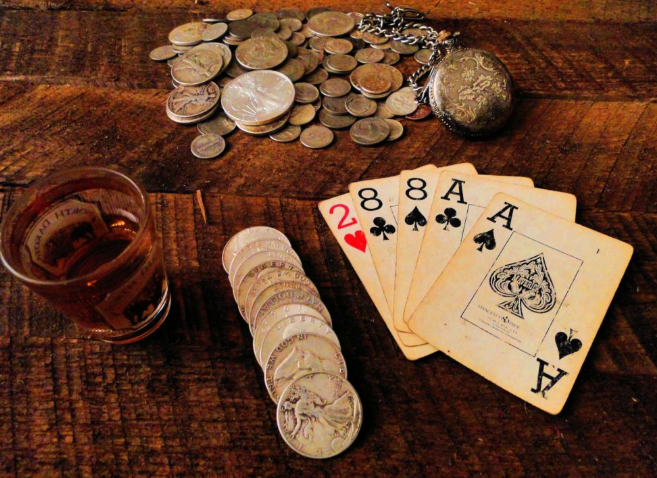
Legend says Hickok was holding black aces and black eights—the now‑famous “Dead Man’s Hand.”

Honoring a Legend

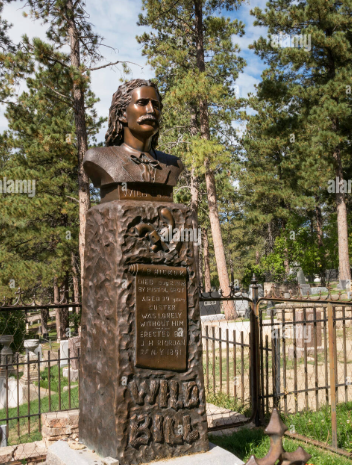
Visitors to Deadwood can still pay their respects at Wild Bill’s grave in Mount Moriah Cemetery. His memory lives on in more ways than one:

  • In 1979, he was inducted into the World Series of Poker Hall of Fame.
  • Every June, Deadwood hosts “Wild Bill Days” in his honor.
  • And every time someone draws a Dead Man’s Hand, Hickok’s story resurfaces.

Thus, while gone, Wild Bill Hickok is certainly not forgotten.

Truth or Tall Tale?

This one goes firmly in the truth column. The details may have been polished by storytellers over the years, but the core of the tale—Deadwood, Wild Bill, Jack McCall, and that fateful poker game—is solid history.

Your Turn: Is Deadwood Worth a Return Trip?

I missed Deadwood the first time around, and the more I dig into its history, the more I wonder if that was a mistake. Between the Wild West legends, the historic saloons, and the chance to stand where Wild Bill Hickok played his final hand, it feels like a place that deserves a spot on the itinerary.

So now I’m turning it over to you.
Have you been to Deadwood? Did it live up to the stories?
Or, if it’s still on your bucket list, does it sound like a place worth doubling back for on a future South Dakota adventure?

Share your thoughts in the comments—I’d love to hear your take.


Centralia, Pennsylvania: The Fire That Won’t Go Out

A Casual Conversation Sparks a Mystery

Recently, a friend and I were talking about places to live. He’d moved from the Taunton, Massachusetts area and was temporarily staying with people he knew in South Carolina. Things weren’t quite working out the way he expected, so naturally the conversation drifted to “best states” to live in.

We didn’t agree on many. He was eyeing Pennsylvania and West Virginia, while I leaned… elsewhere. When I mentioned Centralia, Pennsylvania, he looked at me blankly. He’d never heard of it. That surprised me—and got me wondering how many others have missed this strange chapter of American history.

Because Centralia isn’t just a dot on the map. It’s a cautionary tale, an environmental disaster, and today, a curious tourist attraction.


Good Intentions, Catastrophic Results

The story begins in 1962, when Centralia’s city council met to discuss cleaning up a strip‑mine dump. At the time, using abandoned mines as landfills wasn’t unusual. Lighting them on fire, however, was a known risk—especially in coal country.

Still, the council hired five volunteer firefighters to clean up the landfill and burn off the trash. On May 27, 1962, they set the fire, doused the visible flames that evening, and assumed the job was done.

It wasn’t.

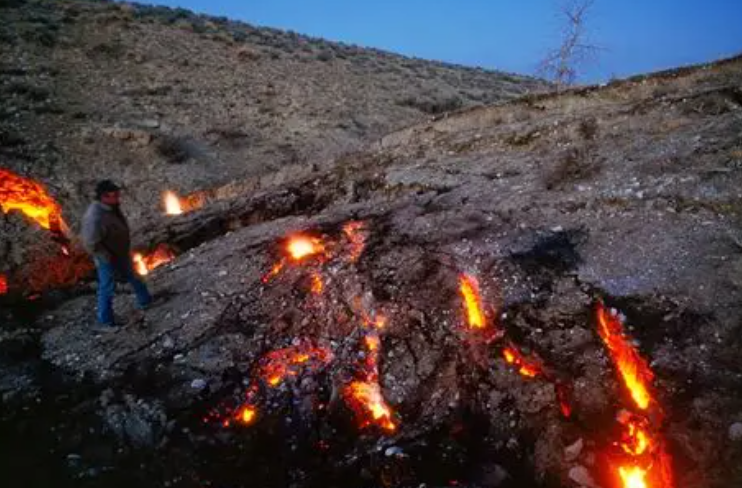
Flames kept reappearing. The fire crew returned again and again, but something underground had already gone terribly wrong. While bulldozing debris, workers had unknowingly exposed a hole filled with combustible material—an open doorway into the maze of old coal seams beneath the town. Once the fire slipped into that labyrinth, it became unstoppable.

A Town Lost to the Flames

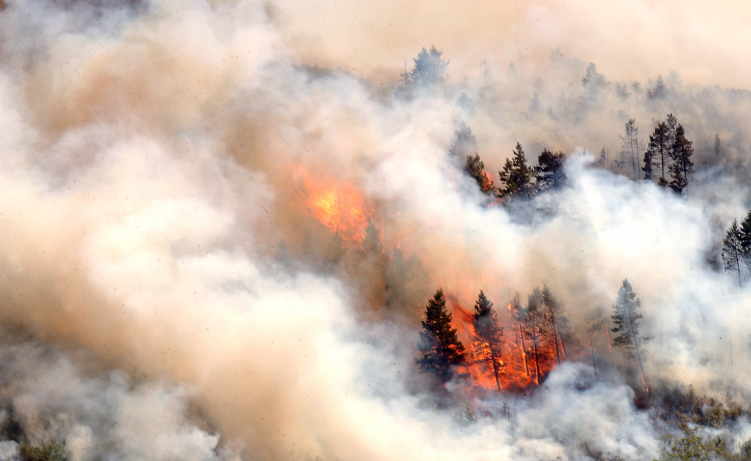
More than sixty years later, the Centralia mine fire still burns. Experts believe it could continue for centuries. The ground above it has cracked, collapsed, and vented smoke. Most residents relocated long ago, leaving behind empty streets, a handful of determined holdouts, and a ghost town that draws curious visitors from around the world.

Not the Only Eternal Flame

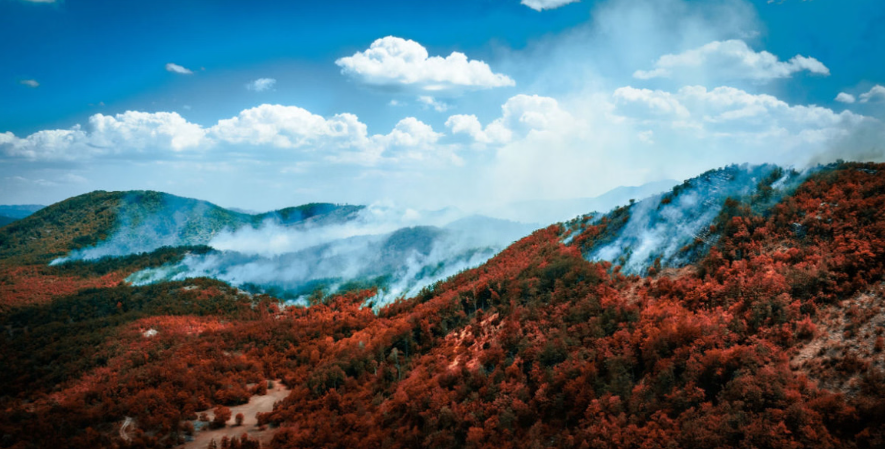
Coal seam fires are notoriously difficult to extinguish. Some burn for thousands of years. Australia’s Burning Mountain has been smoldering for an estimated six million years.

Even Pennsylvania—rich in coal—has multiple active mine fires beyond Centralia, including long‑burning sites in the Powder River Basin.

Myth or Truth? Absolutely True.

Centralia isn’t an urban legend or a campfire tale. It’s a real place with a real fire still burning beneath it. And if my friend hadn’t heard of it, I’m guessing plenty of others haven’t either.

Maybe that’s why stories like this matter—they remind us how easily good intentions can ignite something far bigger than anyone ever imagined.


No-Bake Chocolate Peanut Butter Bars

One More Recipe… I Couldn’t Resist

I know, I know — I said I was going to take a little break from cooking posts. Around Dusty Roads is more than a recipe corner, after all. But when something this easy and this delicious crosses my path, how am I supposed to keep it to myself?

So here we are. One more. I promise it’s worth it.

Do you love peanut butter? Do you have a sweet tooth that wakes up the moment you see those peanut butter eggs at Easter or the Christmas tree–shaped Reese’s? If you’re nodding along, this one’s for you. It’s rich, it’s nostalgic, it’s no-bake, and it’s dangerously simple.

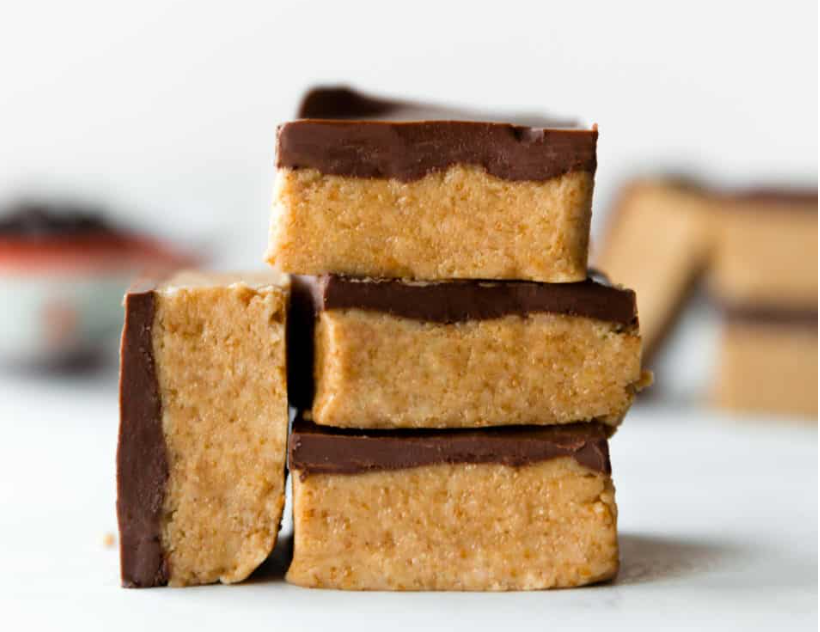
While I was digging through Turtle Fudge recipes for Valentine’s Day, I stumbled across this gem: No-Bake Chocolate Peanut Butter Bars. The only real “work” involved is giving your biceps a little workout while mixing — so grab your trusty wooden spoon and channel your inner “Get Ready to Rumble!”


No-Bake Chocolate Peanut Butter Bars

Ingredients

  • ½ cup (8 Tbsp.) salted butter, melted
  • 1 cup graham cracker crumbs (about 8 full sheets)
  • 2 cups confectioners’ sugar
  • 1 cup + 2 tablespoons creamy peanut butter, divided
  • 1 cup semi-sweet chocolate chips

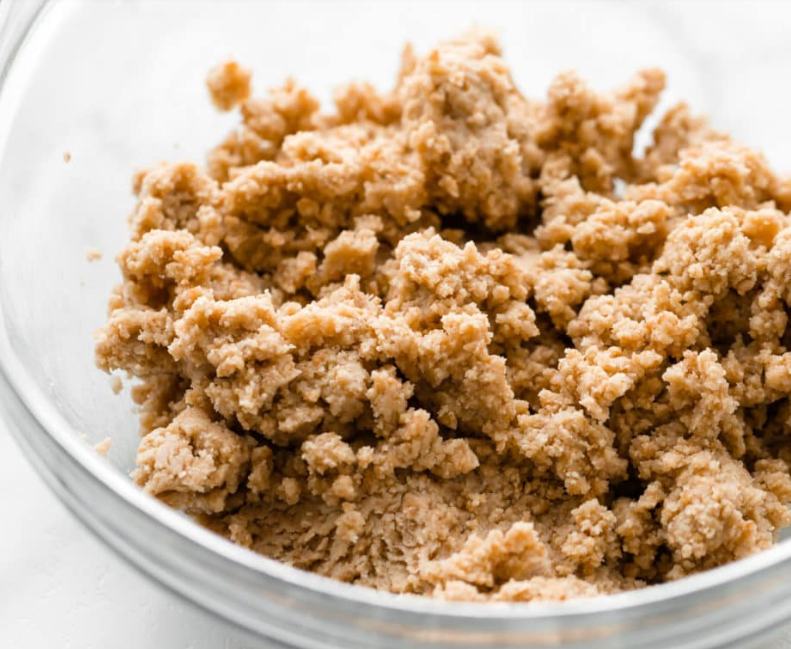
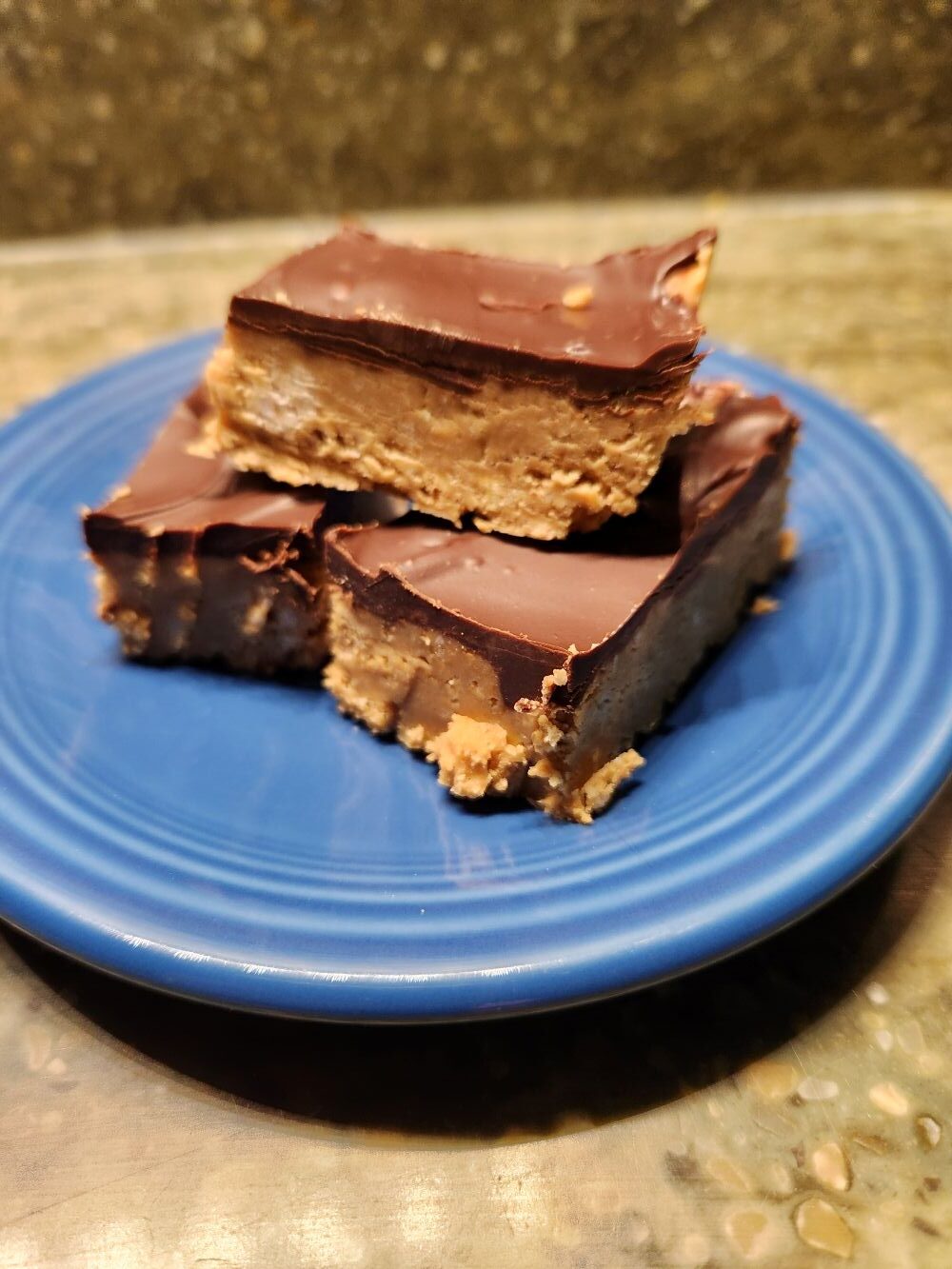
Peanut butter mix should look like this

Instructions

  1. Line an 8- or 9-inch square baking pan with aluminum foil or parchment paper; set aside.
  2. In a medium bowl, mix the melted butter, graham cracker crumbs, and confectioners’ sugar. Stir in 1 cup of peanut butter, then press the mixture evenly into the prepared pan.
  3. Melt the remaining 2 tablespoons of peanut butter with the chocolate chips — microwave or stovetop both work. Stir until smooth, then spread over the peanut butter layer.
  4. Chill in the refrigerator until completely firm, at least 2 hours. Let sit at room temperature for about 10 minutes before cutting.
  5. Store leftovers tightly covered in the fridge for up to a week.

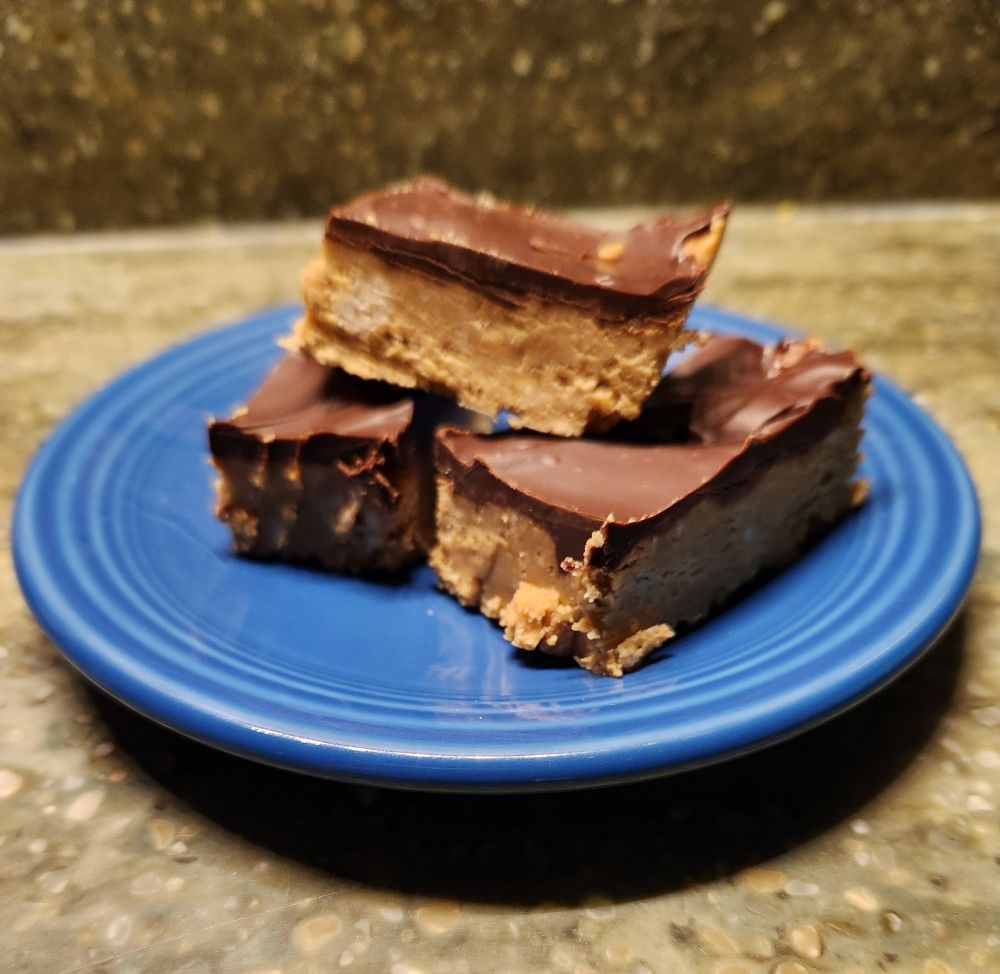
almost as good as the pro’s

You can find the original recipe and extra notes over at Sally’s Baking.


No-bake, no guilt… unless you eat the whole pan. Not that I’d know.

If you give these a try, let me know how they turn out. I love hearing your tweaks, triumphs, and taste‑tester reviews.