The Story of Togo, Balto, and the Race to Save Nome
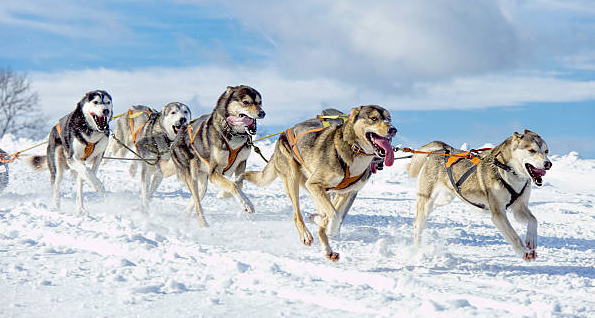
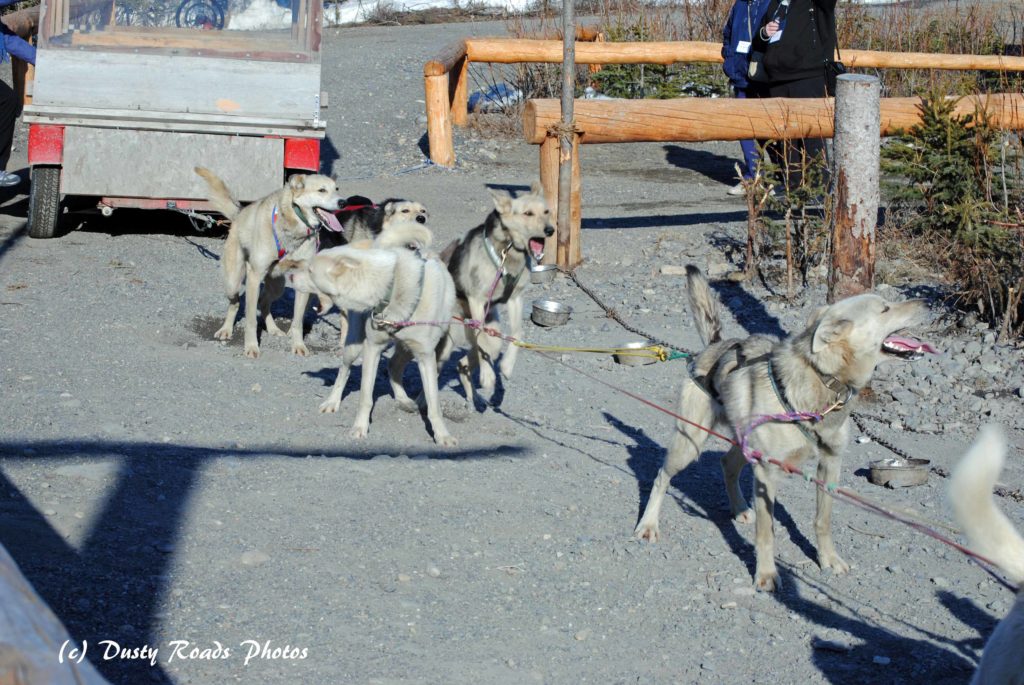
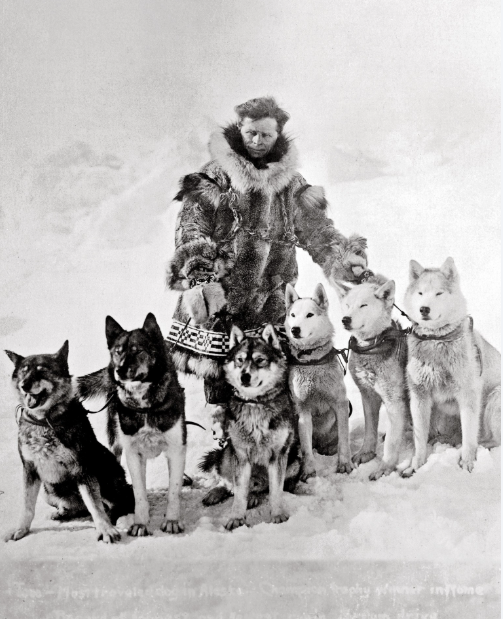
 When many people think of sled dogs, they picture Siberian Huskies racing across a snowy landscape. In reality, Alaska’s sled dogs were often working dogs bred for performance rather than appearance. Mushers selected dogs for strength, endurance, intelligence, speed, and the ability to thrive in harsh Arctic conditions.
The result was not always a purebred dog. Instead, mushers developed tough canine athletes capable of pulling sleds across hundreds of miles of wilderness.
Long before airplanes and modern highways connected Alaska’s remote communities, dog teams served as a vital lifeline. They delivered mail, transported supplies, carried travelers, and helped people survive long winters. In many parts of Alaska, sled dogs were essential to daily life.
The Race Against Time
One of Alaska’s most famous stories began during the winter of 1925 in the remote town of Nome.
That winter, a diphtheria outbreak threatened the community. Ice and snow cut off Nome from the outside world, and the town’s supply of life-saving antitoxin was running low. Ships could not reach the frozen port, and severe weather grounded aircraft. Without the medicine, many lives hung in the balance.
Local leaders acted quickly. They organized a relay of mushers and sled dog teams to transport the antitoxin across Alaska’s frozen wilderness. The teams traveled day and night through blizzards, dangerous terrain, and bitter cold.
Their mission became known as the “Great Race of Mercy.”
The Dog Who Led the Toughest Miles
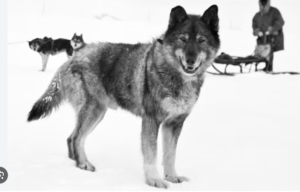 While Balto became the most famous dog of the serum run, many sled dog enthusiasts consider Togo the true hero of the journey.
Togo served as the lead dog for musher Leonhard Seppala. During the serum run, he guided his team across approximately 260 miles of some of the most difficult terrain on the route. That distance made his leg of the journey the longest and most dangerous.
Togo’s success did not come easily. As a puppy, he often caused trouble and tested Seppala’s patience. At one point, Seppala even gave him away. Togo refused to stay with his new owners and returned to the kennel. Once he joined a sled team, however, he quickly showed remarkable endurance and intelligence.
By the time the serum run began, Togo was already twelve years old. Despite his age, he continued to excel. He crossed frozen waterways, navigated dangerous weather, and kept the medicine moving toward Nome.
Years later, Seppala summed up his feelings with a simple statement:
“I never had a better dog than Togo.”
Balto’s Moment of Fame
Balto played an equally important role in the rescue effort.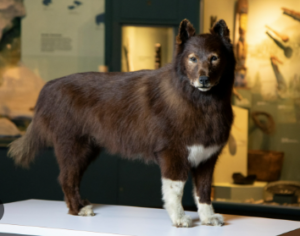
As the lead dog of the final relay team, Balto guided musher Gunnar Kaasen and the antitoxin into Nome. After multiple teams carried the serum across Alaska, Balto’s team completed the final stretch of the journey.
Because Balto arrived in Nome with the life-saving medicine, newspapers across the country focused on him and his team. He quickly became a national hero.
The recognition was well deserved. Balto and his team battled severe winter weather to complete their section of the route. Their successful arrival marked the end of the historic mission.
Today, visitors can still see Balto’s statue in New York City’s Central Park, where it stands as a tribute to the courage of Alaska’s sled dogs.
More Than Two Dogs
Neither Togo nor Balto accomplished the rescue alone.
A relay of mushers and sled dogs carried the serum across Alaska. Every team played a critical role in the effort. Together, they faced darkness, extreme cold, dangerous trails, and exhaustion.
Their teamwork helped save the people of Nome and created one of the greatest rescue stories in American history.
Today, the story of the serum run remains one of Alaska’s most enduring legends. It is a story of courage, determination, teamwork, and the unique partnership between humans and dogs.
Today, the remarkable Race of Mercy lives on in the annual Iditarod Trail Sled Dog Race, where mushers and their teams continue the tradition of traveling Alaska’s legendary winter trails.
Most people remember Balto, the lead dog of the final relay team that brought the serum into Nome. Others remember Togo, whose stamina and leadership carried the medicine across the longest and most dangerous section of the route.
Together, they represent the spirit of every musher and sled dog who took part in the mission.
Alaska’s sled dogs were more than working animals. They were trusted partners, lifelines to isolated communities, and, in one extraordinary winter, heroes.
A Legacy That Endures