Summer on the Cape: A Visit to Marconi Beach


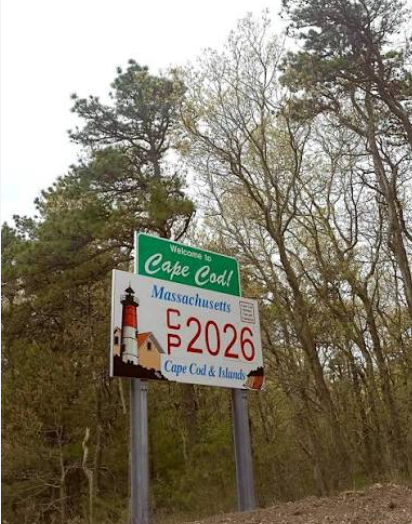
A roadside “Welcome to Cape Cod” sign surrounded by tall green trees, featuring a lighthouse illustration and the text “Massachusetts – Cape Cod & Islands – 2026.”

Crossing the Bridge Into Cape Time

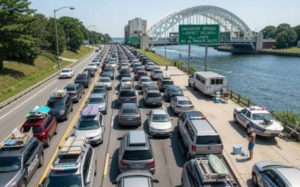
It’s summer in Massachusetts, and that means my brain automatically drifts east toward the Cape. Or Cape Cod for all of you visiting from away. Around here, we just say “the Cape,” and everyone knows exactly what we mean. We’re heading over the bridge—doesn’t matter if it’s Bourne or Sagamore—once you’re south of either one, you’ve officially crossed into Cape Time.

Lunch, Seals, and Fresh Catch

After weaving through the inevitable bridge traffic, the whole Cape opens up like a choose‑your‑own‑adventure book. One of my favorite early stops is Chatham Pier Fish Market. I swear, nothing tastes more like summer than fresh fish eaten with the sun on your shoulders and gulls arguing overhead. The fishing boats unload right in front of you, the seals pop up hoping for snacks, and I’m sitting there humming “Yummy Yummy Yummy” because yes—I’ve got fresh catch in my tummy and a whole day ahead of me.

Heading Into the National Seashore

With lunch behind me, I can wander anywhere along the Cape Cod National Seashore. Miles of dunes, beaches, and history—yes, history. Cape Cod isn’t all sun and sand and sharks. It played a very real part in developing the wireless technology we rely on every single day.

Marconi Beach: Where Wireless Communication Was Born

A Little Science, A Little Drama

Guglielmo Marconi built the world’s first successful wireless transmitter—basically the ancestor of every text message you’ve ever sent. Thanks to his invention, the RMS Carpathia heard the Titanic’s SOS and raced to help, saving more than 700 people. Not bad for a guy tinkering with radio waves.

Why Cape Cod?

To send signals across the Atlantic, Marconi needed stations positioned just right. He built them in Poldhu, England; Glace Bay, Nova Scotia; and—surprise—South Wellfleet, Massachusetts. Yes, right here on the Cape. On January 18, 1903, the South Wellfleet station made history by completing the first two‑way wireless communication between Europe and America. Before long, ship‑to‑shore messages became big business. You could send a social note or a business update for fifty cents a word, which makes today’s texting bills look pretty good.
Cape Cod: The First “Voice of America”

For about fifteen years, the South Wellfleet station was the powerhouse of North American wireless communication. Skilled telegraphers tapped out messages at about seventeen words a minute, and the station—known by its call sign “CC” for Cape Cod—became the unofficial voice reaching out across the ocean.

Erosion, War, and the End of an Era

Nothing on the Cape stays still for long, especially the coastline. The cliff under Marconi’s station was eroding at roughly three feet a year, inching the towers closer to disaster. By 1917, with World War I underway and new technology replacing spark‑gap transmitters, the Navy shut the station down for security reasons. It never reopened, and by 1920 the whole operation was dismantled.

What Remains Today

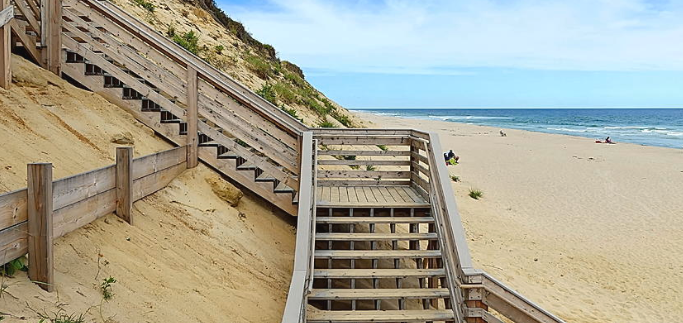
Most of the original site has been claimed by the Atlantic—those cliffs don’t play around. But the surrounding land is protected as part of the Cape Cod National Seashore. If you stand on the bluff on a cold winter day, looking out over the ocean, it’s easy to imagine the crackle of early radio signals leaping across the waves. This quiet stretch of coastline is where global wireless communication truly began.
 

Everyone Loves a Parade

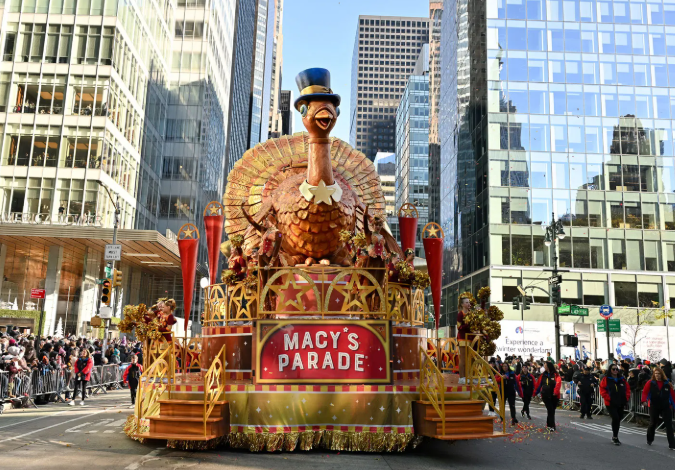
The giant turkey float wearing a blue top hat in the Macy’s Thanksgiving Day Parade, moving past crowds and tall city buildings.”

Massachusetts: More Parades Than You’d Expect
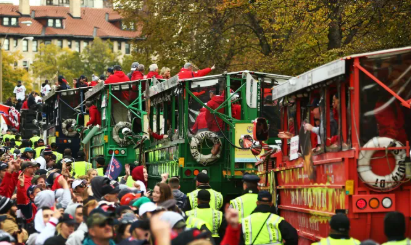
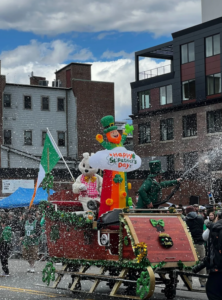
New Orleans has Mardi Gras — and truth be told, probably a parade for something every other week. They’re America’s party town for sure. But Massachusetts has more parades than you might think. We’ve got the big national ones, yes, but we’ve also got some wonderfully quirky, uniquely‑ours traditions.

A Quick Roll Call of Bay State Parades

Here are the ones that come to mind without much effort:

  1. First Night, Boston (New Year’s Eve)
  2. St. Patrick’s Day, South Boston
  3. Patriots’ Day Parade, Concord
  4. Ducklings Day Parade, Boston
  5. Memorial Day Parades, Every Town
  6. Fishtown Horribles Parade, Gloucester
  7. Fourth of July Parades, statewide
  8. Carnival Parade, Provincetown
  9. Haunted Happenings Parade, Salem
  10. America’s Hometown Thanksgiving Parade, Plymouth
  11. Christmas Eve Parade, Lynn

Championship Duck Boats: Our Modern Victory Marches

And then there are the Championship Parades — our modern‑day victory marches. The crowds gather, the duck boats roll out, and the players ride through Boston like triumphant warriors returning from battle. No chariots, but close enough.

St. Patrick’s Day: Southie’s Biggest Tradition

Boston’s St. Patrick’s Day Parade in Southie is one of the oldest and largest in the country. Bagpipes, marching bands, Irish dancers, politicians shaking hands, and half the city wearing green — it’s a celebration that feels like Boston down to its bones. If you’ve never seen South Boston on March 17, you haven’t truly experienced St. Patrick’s Day.

Patriots’ Day: A Parade You Won’t Find Anywhere Else
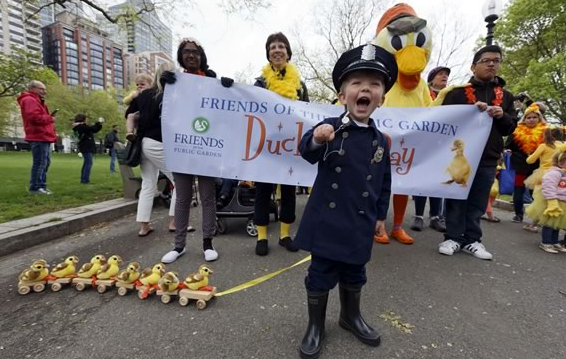
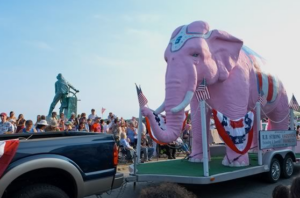
See that Patriots’ Day Parade? That one is truly unique. Patriots’ Day is strictly a Massachusetts holiday — and some years we even get an extra day to file our federal taxes because we’re special like that.

Ducklings Day: Boston’s Sweetest Tradition

One of the sweetest parades is the Ducklings Day Parade, celebrating the Make Way for Ducklings statue. It’s traditionally held on Mother’s Day and is pure Boston charm.

Fourth of July: Cannons, Fireworks, and Local Flavor

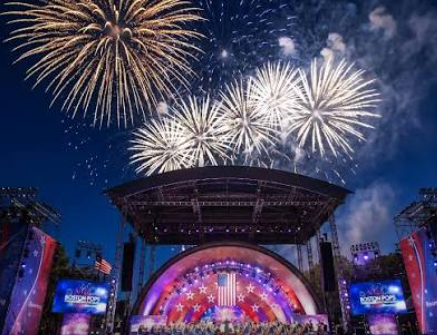
Everyone has a Fourth of July parade, but we go one better with the concert on the Esplanade, complete with cannons and fireworks. And up in Gloucester, they celebrate with the Fishtown Horribles Parade — a wonderfully chaotic, satirical tradition where floats poke fun at political figures, local issues, and whatever else needs a good ribbing.

Provincetown Carnival: Color, Creativity, and Community

Head to the tip of Cape Cod and you’ll find Provincetown’s Carnival Parade, a joyful celebration of diversity and creativity that the town is famous for.

Salem’s Haunted Happenings: Halloween Done Right
Rounding out the unusual lineup is Salem’s Haunted Happenings Parade. Other places may have Halloween parades, but there’s no place like Salem in late October for witches, goblins, and costumed chaos.

Plymouth’s Thanksgiving Parade: History Marches On

And while America crowds around the TV to watch the Macy’s Thanksgiving Day Parade, our own Plymouth — home of the Pilgrims and the first Thanksgiving — holds its America’s Hometown Thanksgiving Parade, a tradition all its own.

Take That, New Orleans

So yes, New Orleans may have Mardi Gras, and Disney may have a parade every time someone sneezes — but here in Massachusetts, we do things our own way. Who else has cannons on the Esplanade, championship duck boats rolling through Boston like returning warriors, and a parade for just about every season? Take that, New Orleans.


Massachusetts. First in Ideas, First in Innovation


Massachusetts Wasn’t First… Until It Decided to Be First in Everything

Jamestown may have gotten the early bragging rights in 1607, and the Pilgrims didn’t step onto Plymouth soil until 1620 — and then, just ten years later, Boston was founded in 1630. And once Massachusetts finally entered the race, we behaved exactly like Golden Tempo: lally‑gagging along at the rear of the pack for a while, just taking our sweet time… and then in the home stretch, POW. Look out world, here we come.

Some places take centuries to build a legacy.
Massachusetts took about five minutes.

And once we hit our stride? We didn’t just join the party — we started inventing half the things in the room.


🌳 1634 — Boston Common: First Public Park AND First Botanical Garden

People remember the “first public park” part.
Almost nobody remembers the “first botanical garden” part.
And here’s the kicker: the botanical garden portion sits on reclaimed marshland — Boston literally reshaped the landscape so people could stroll among curated plantings. We were cultivating beauty before most cities even had sidewalks.


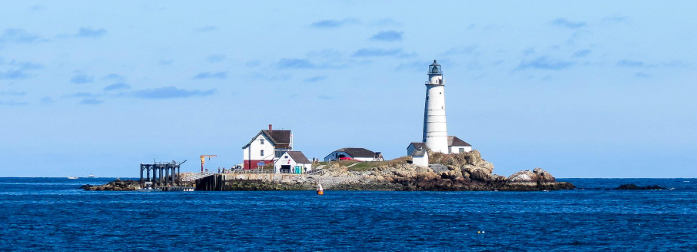
💡 1716 — Boston Light: First Lighthouse in the United States

Before America had a country, Boston was already lighting the way. Built on Little Brewster Island, Boston Light guided ships into the harbor starting in 1716.

And when the British evacuated Boston in 1776, they didn’t leave quietly. They blew up the original lighthouse on their way out — a dramatic “if we can’t have it, no one can” exit.

In true Massachusetts fashion, we rebuilt it.
Stronger. Taller. Ready for another few centuries of service.
Boston Light. Still Standing, Still shining

Boston Light on Little Brewster Island


🔫 1775 — Lexington & Concord: The Shot Heard ’Round the World

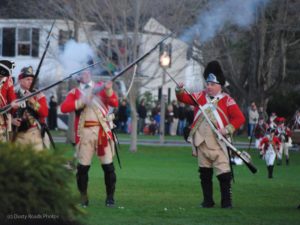
And then came the big one — the first that changed everything. On April 19, 1775, in the quiet towns of Lexington and Concord, Massachusetts fired the shot heard ’round the world and officially kicked off the American Revolution.

The first battles.
The first resistance.
The first spark of a brand‑new nation.

Massachusetts didn’t just make history — we started it.


🍫 1765 — First Chocolate Factory… and the Cookies That Came Later

Long before Hershey dreamed up a chocolate bar, Dorchester was grinding cacao and running the first chocolate factory in America. Massachusetts was sipping hot chocolate while the rest of the colonies were still figuring out how to boil water.

And many years later, just down the road in Whitman, Ruth Wakefield would bake the very first Toll House cookies — the chocolate chip cookie that changed dessert forever.

Hot chocolate and fresh‑baked cookies.
Massachusetts really understood the assignment.


🏖 1896 — Revere Beach: First Public Beach in the U.S.

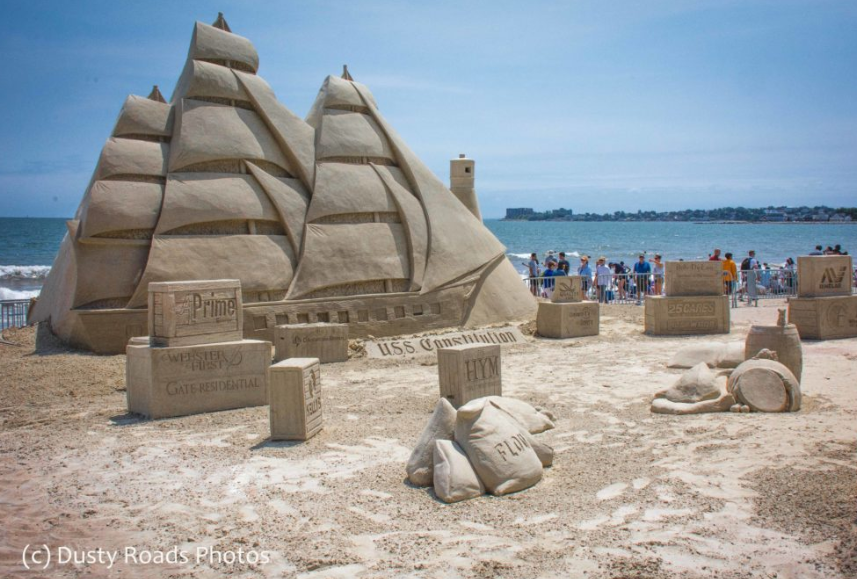
Revere Beach wasn’t just a place to swim — it was a radical idea: the shoreline should belong to everyone. America’s first public beach, right here in Massachusetts, proving once again that we don’t just make history… we make it accessible.

A detailed sand sculpture of the U.S.S. Constitution on Revere Beach, surrounded by carved crates and barrels, with beachgoers and the ocean in the background.


🚇 1897 — The Tremont Street Subway: First Subway in America
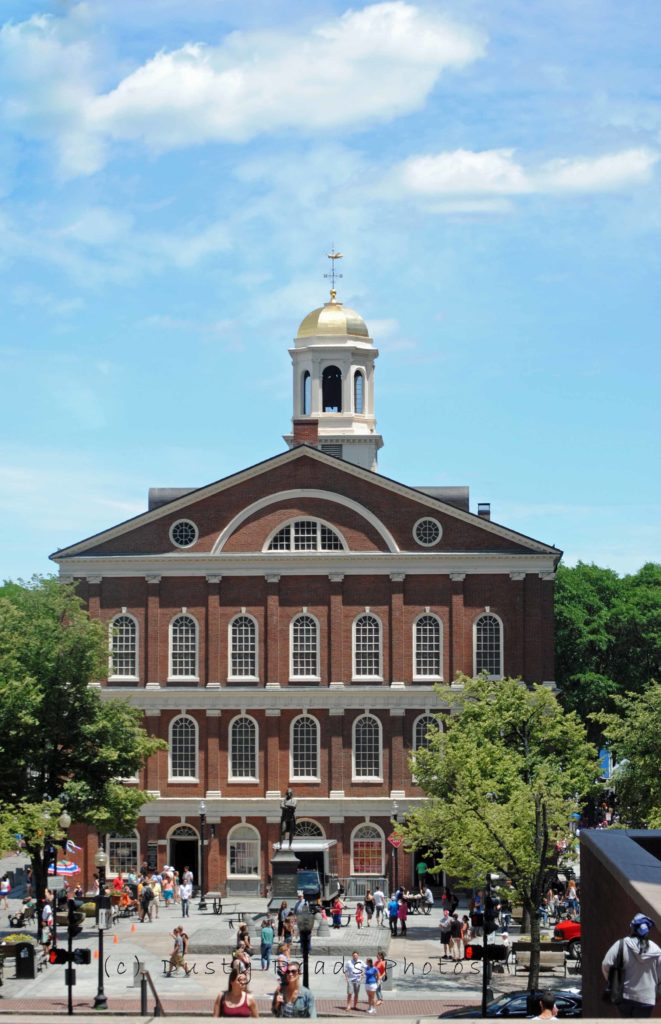
Boston didn’t just build a subway — it built the first subway in the United States. The Tremont Street Subway opened in 1897, whisking commuters underground while other cities were still arguing about horse‑drawn traffic.
Boston Transit-First in the Nation, Last to Arrive


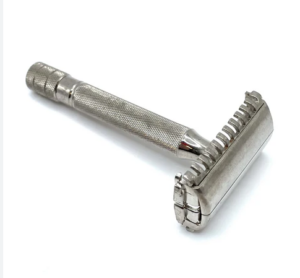
🪒 1901 — Gillette’s Disposable Razor: A Shaving Revolution

King Camp Gillette wasn’t born a mogul — he was a traveling salesman with more ideas than money, always tinkering, always trying to solve everyday annoyances. One boss once suggested he invent something people would need to replace often — the kind of product that keeps customers coming back.

Gillette took that seed of an idea and turned it into a whole new way of shaving. Instead of sharpening the same blade forever, he imagined a razor with thin, inexpensive blades you could swap out and toss. Safe, simple, and endlessly replaceable.

It was the birth of the disposable razor — and honestly, the birth of the “use it, replace it, repeat” model long before today’s built‑in obsolescence became standard in everything from appliances to earbuds.

Gillette didn’t just change grooming.
He changed how America buys things.


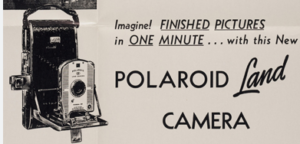
📸 1948 — First Polaroid Camera Sold in Boston
Edwin Land unveiled his instant camera at Jordan Marsh, and when the photo developed right in people’s hands, the crowd gasped. Boston didn’t just witness the moment — it was the moment.


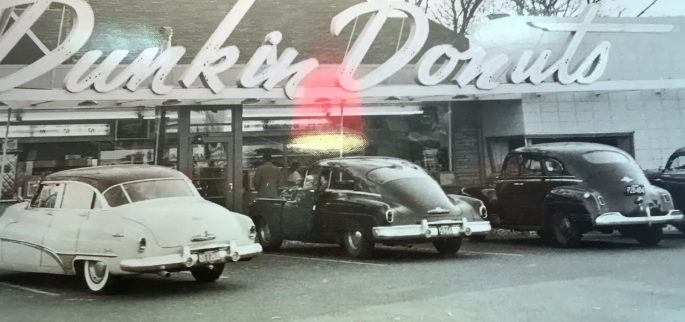
☕ 1950 — First Dunkin’

Our Dunkin’ addiction officially began in Quincy in 1950, when the very first shop opened its doors. Back then it was called Open Kettle, but the idea was the same: coffee, donuts, and a way of life.
Is it any wonder America runs on Dunkin.


And that’s the thing about Massachusetts…

We may not have been the first to arrive, but once we got moving, we became first in everything that mattered — from chocolate to coffee to beaches to botany to photography to shaving your face without slicing it open… and yes, even the Revolution.

We weren’t early.
We were excellent.


Hot Time Summer in the City

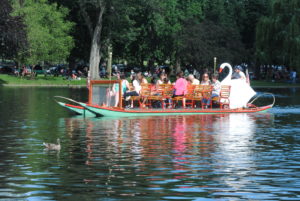
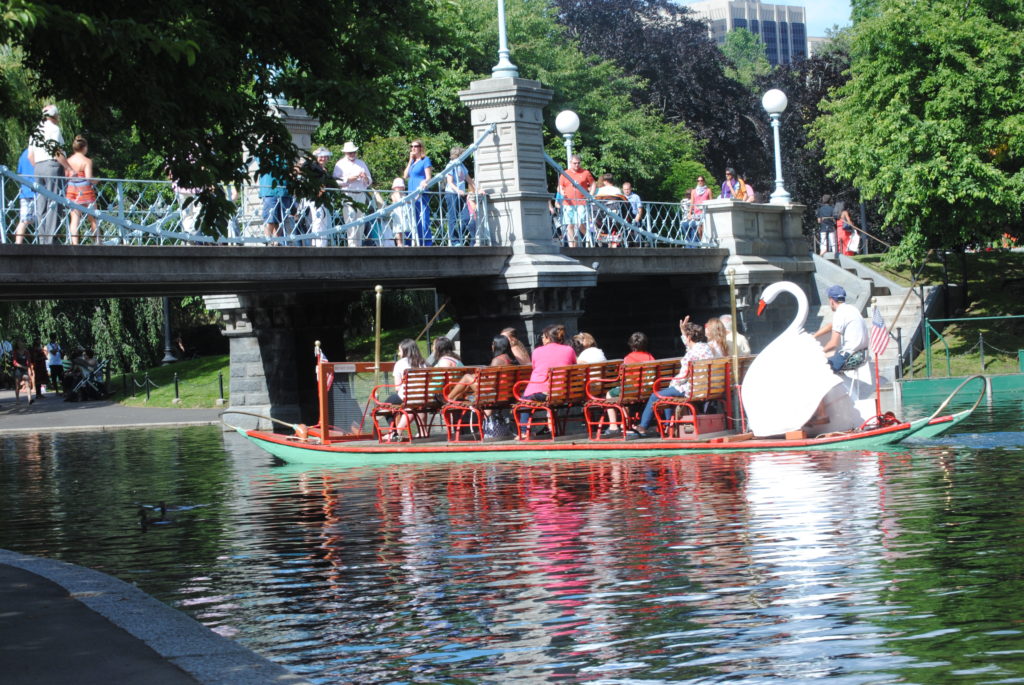
Swan boat cruising the Public Garden lagoon on a sunny day, passing under the little suspension bridge everyone loves to photograph.

Summer Finally Arrives in Massachusetts

The weather is beautiful. Summer is finally here. Massachusetts has finally shaken off the dreary, rain‑filled days, and everything feels fresh again. The Public Garden is in bloom, the trees are lush, and the Swan Boats are once again cruising the lagoon. It’s the perfect time to explore the city.

Planning a Trip to Wolf Hollow Sanctuary

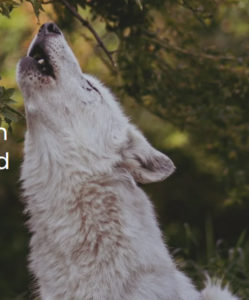
I’m trying to arrange a visit to Wolf Hollow Sanctuary in Ipswich. That’s a bit of a hike from Taunton and may turn into a car‑rental day, but I’m exploring my options.

One avenue I’m checking out is a Custom Tour with GoWithGuide US — which is exactly what I’d need for a Wolf Hollow trip. I checked the web page for their Boston Guides and they have options but nothing like Wolf Hollow. I’ve sent off an inquiry and will keep you posted on what I find out.

My Long Quest to Photograph a Wolf

I first heard about Wolf Hollow a few years ago when I was on a photography quest for wild animals. I’d photographed deer, bear, moose, and of course the little guys — chipmunks and squirrels. In Wyoming I added pronghorn and bison to my collection. South Dakota gave me those adorable prairie dogs.


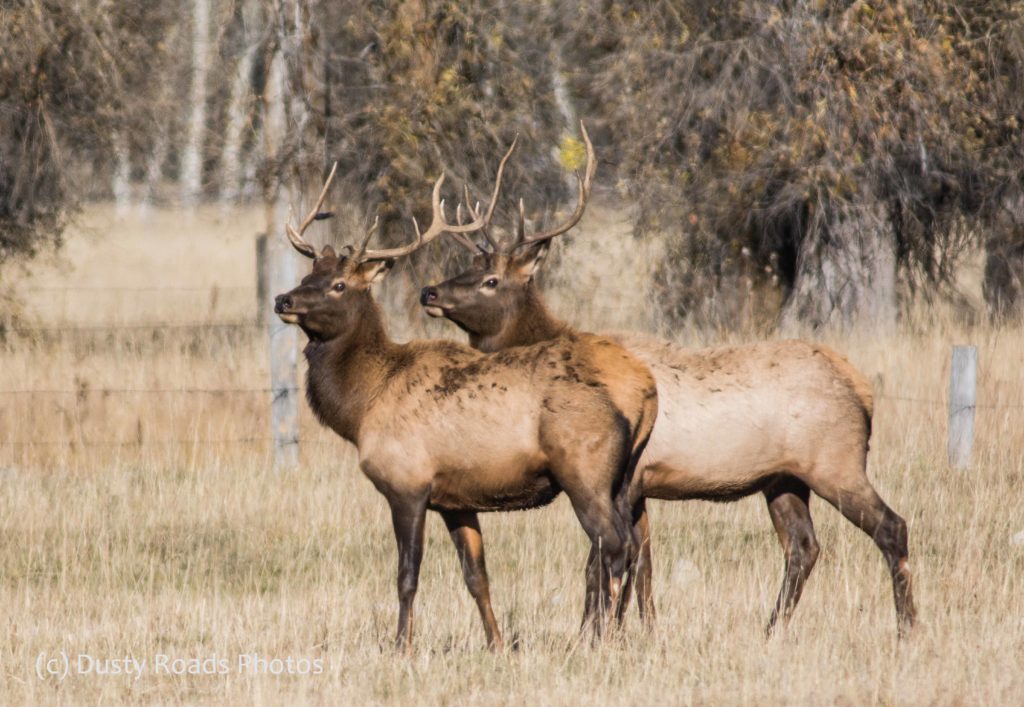
After much chasing and tracking, I stumbled onto the elk migration (again in Wyoming) and got one of my favorite photos.

A pair of Bull elk


But I never even spotted a wolf. While in Yellowstone, I always seemed to be one day behind the pack.

The New Jersey Detour That Never Happened
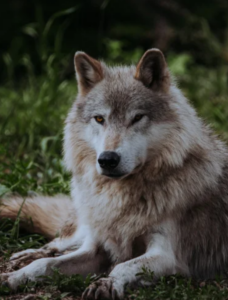

Eventually I heard about Lakota Wolf Sanctuary in New Jersey of all places and started planning an overnight trip: drive down one day, take a photography tour the next, then drive back to Boston.

It never happened. Severe winter storms shut down the sanctuary, and after several attempts the trip got pushed to the back burner — where it stayed.

Discovering Wolf Hollow in My Own Backyard

Then someone told me about Wolf Hollow — a sanctuary right in my own backyard! I actually drove up there once and found it, but they were closed. Always do your homework — check times and days so you aren’t disappointed.

Then life got busy, COVID hit, and I just never made it back.

Time to Try Again

Now feels like the right time to look into it again. This is how my trips and explorations usually start: slowly, with a spark of curiosity, and sometimes they take forever to get off the ground… but eventually, I get there.

I’ll keep you posted on the progress — if any — on this adventure.

Affiliate links are included in this post. If you make a purchase through them, I may earn a small commission. Thank you for helping keep my adventures (and this blog!) going strong.


Bagpipes, Kilts, and a World Cup Win: The Tartan Army Arrives

Boston, the World Cup, and a Surprise Scottish InvasionPlayers from Scotland and Haiti battle for possession in midair during their World Cup match.

A few days ago, I posted an essay on Boston sports and our wonderfully chaotic mix of teams and traditions in Wicked Good Reasons to Love Living in Boston.
>I somehow managed to leave out two things: our Scottish heritage and Boston’s long, stubborn relationship with soccer — or as the rest of the world calls it, football.

Ask any soccer fan and they’ll tell you American football is the upstart, the imitation, the knockoff.
The real thing — and yes, that’s Coca‑Cola’s line — belongs to the rest of the world.

Well, the “real thing” arrived in Boston (okay, Foxborough) on Saturday, June 13, when Scotland beat Haiti 1–0 at Gillette Stadium in their first World Cup match on U.S. soil.

Soccer in Boston: Older Than You Think

Soccer didn’t just show up for the World Cup.
>It’s been here since the 1800s, brought over by Scottish immigrants who played in mill towns, factory yards, and open fields long before anyone thought to build a stadium.

Fast‑forward to 1996:
Robert Kraft — already owner of the Patriots — became the founding investor of the New England Revolution, one of MLS’s ten original clubs. The Revs had a rocky start (including the dubious honor of being the first MLS team to lose to an amateur club), but New England fans stuck with them. Even in the lean years, crowds of 15,000+ proved that soccer wasn’t going anywhere.

June 13: The Cheers Heard ’Round the World

So when the World Cup finally landed at Gillette, Boston showed up — but the Scots showed up louder.

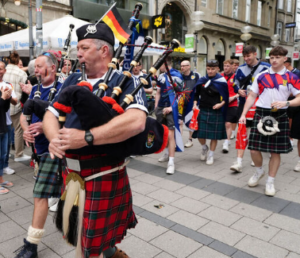
The Tartan Army, Scotland’s legendary fanbase, marched in wearing kilts, waving flags, and playing bagpipes like they were soundtracking their own parade. Young, old, men, women — all proudly tartaned up for the match and for Scottish Heritage Night.

Their cheers didn’t just echo around Foxborough.
>They felt like they traveled the globe — a modern twist on “the shot heard ’round the world,” but this time it was the cheers.

Welcome Back, Soccer

Boston already has Red Sox Nation and Patriots Nation, but on this weekend, the city gained something new:
a joyful, plaid‑covered, bagpipe‑powered visiting nation — the Tartan Army.

And honestly?
They fit right in.

Scottish Update

Boston has officially been adopted by Scotland. Bagpipes on the T, the wave at Fenway, Sweet Caroline sung like it’s a national anthem — and everywhere you look, pure joy. I’m soaking up every second of it.