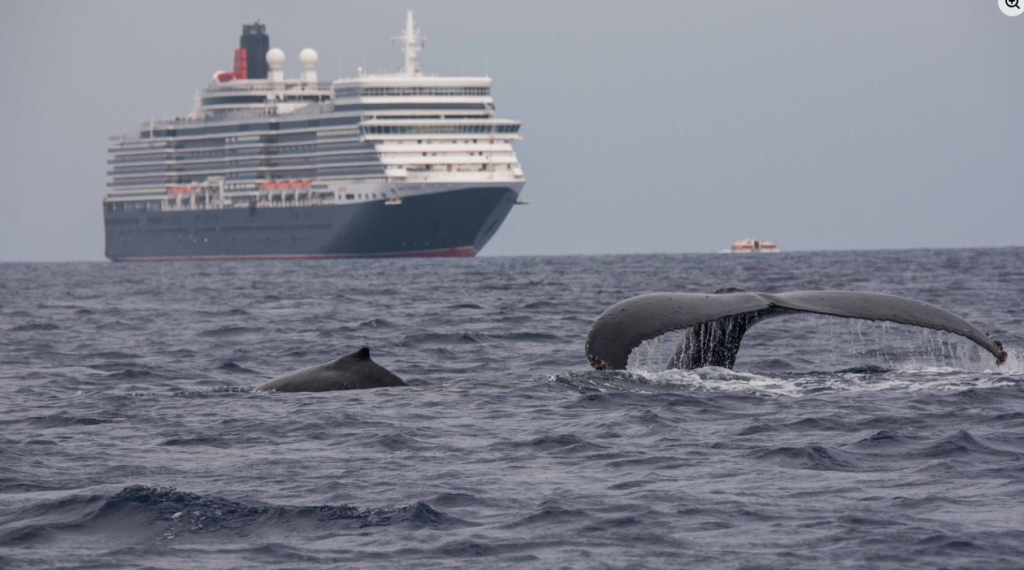
Everyone knows the humpback whales. I’ve chased them from Massachusetts to Hawaii to Alaska. They’re the show‑stoppers — the whales that arch their backs, lift their flukes high, breach like acrobats, and bring their calves right alongside the boats. Sometimes it feels like they’re watching us instead of the other way around. But as dramatic as humpbacks are, they aren’t the first whales to arrive each year. Whale season is opened by a very special group.
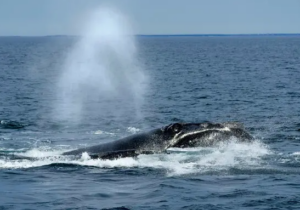 The Right Whales Come First
Right whales were named because whalers once considered them the “right” whales to hunt. Their massive heads were filled with valuable whale oil, and they floated when killed — a grim history that left us with a name we still use today.
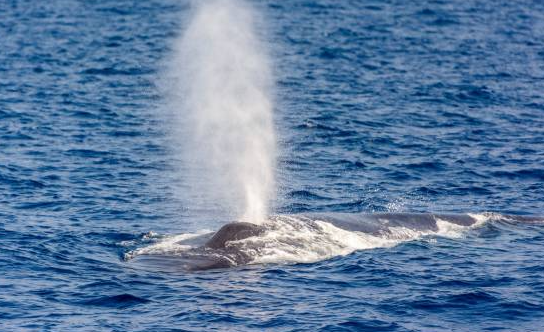
These whales begin arriving in Cape Cod Bay as early as November, though January is more typical. The wind off the bay is still cold. The days are gray and dreary. The bright summer skies are months away, and the whale‑watch boats are still in dry dock. If you want to see right whales, you watch from shore. No close‑ups. No flukes. Just patience, binoculars, and the hope of spotting that distinctive V‑shaped blow.
Right whales exhale through two blowholes, creating a perfect V in the air — just like we exhale through two nostrils. It’s one of the easiest ways to identify them from land.
A Critically Endangered Visitor
These whales are critically endangered, and seeing them arrive is always an exciting moment. The current estimate is fewer than 350 North Atlantic right whales left, with only around 70 breeding females. And here in Massachusetts, we sit right on their annual migration path.
My 2011 Right‑Whale Day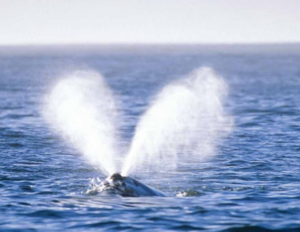
Back in 2011, on a cold and blustery April day, I took a ride to the Cape just for something to do. The rangers at the National Seashore welcome center were buzzing — reports were coming in that right whales were visible from shore. Of course I had to check it out.
Sure enough, they were traveling along the shoreline in twos and threes. I stood on the sand watching for the blows, watching one pair pass on and another arrive, like a conveyor belt of whales moving steadily along the coast. It’s not a trip I take every year, but I’m grateful I got to witness that spectacle at least once.
Then Come the Humpbacks
As the weather warms, the humpbacks begin to arrive. They bring their calves, and you often get to see a mother and baby traveling together. The calves don’t look small — except next to mom. She teaches her young how to breach, feed, and survive. These are the whales we follow with the whale‑watch fleet.
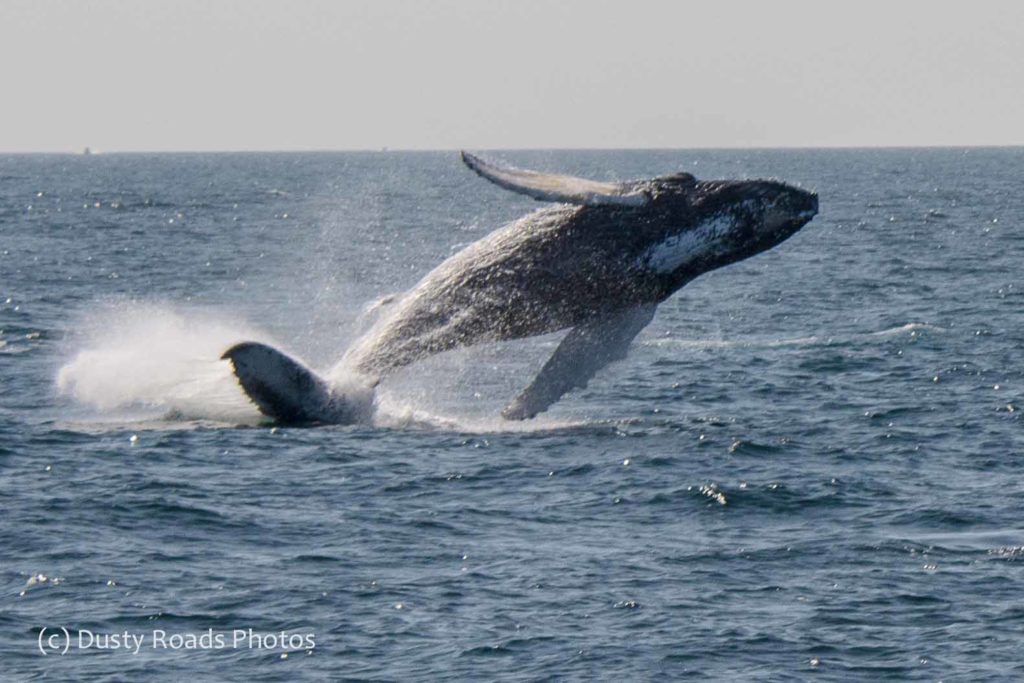
On a whale watch, you can almost always count on humpbacks, but you might also spot fin whales, minke whales, and if you’re very lucky, a sei whale.
If You’ve Never Been on a Whale Watch
• Bring a sweatshirt or hoodie — it gets chilly on the water
• Binoculars aren’t required, but they’re fun if you have them
• If you’re prone to motion sickness, take your Dramamine
• Watch for bubble feeding, breaching, and flipper slaps
• A naturalist will help identify whales and sea life
• You might see Atlantic white‑sided dolphins
• You may spot an ocean sunfish
• Lots of birds near the surface often means whales are feeding
• And more and more often these days, you may see a great white shark. The seal population has exploded, and the sharks follow their food. Sightings from whale‑watch boats do happen — usually just a fin slicing the surface or a quick shadow near a seal colony.
I find the ocean relaxing, sprinkled with moments of excitement when a whale appears.
Thar she blows.
Share this:
- Share on Tumblr (Opens in new window) Tumblr
- Print (Opens in new window) Print
- Share on X (Opens in new window) X
- Share on Facebook (Opens in new window) Facebook
- Share on Pinterest (Opens in new window) Pinterest
- Share on Reddit (Opens in new window) Reddit
- Share on LinkedIn (Opens in new window) LinkedIn