What’s the Minimalist Bedding Approach


The Minimalist Bedding Approach

This post contains affiliate links. If you purchase through these links, I may earn a small commission at no extra cost to you.
Mulberry Silk

Good Housekeeping, a trusted name in home style and décor, says the trend for 2026 is simple: simplify your bed. But what does that actually mean, and what does the trend‑savvy homemaker need to achieve this new look?

1. Choose Neutral, Timeless Colors

This part makes perfect sense to me. Neutrals never go out of style. And since trends change all the time, you can count on your “look” to blend in — even if 2027 decides we should decorate like a circus tent.

When upgrading your bedding, look for:

  • Whites, ivories, grays, beiges, or black
  • Colors that pair with any décor
  • Hues that eliminate the need for seasonal or holiday‑specific sets

2. Opt for Fewer, Better Pieces

Gone are the days of 7‑piece comforter sets. Minimalist bedding focuses on simplicity:

  • Sheets
  • Pillowcases
  • A comforter or duvet cover
  • One extra layer in winter if needed

The goal is to avoid bulky clutter and overbuying.

3. Enjoy Year‑Round Versatility

With neutral colors and simple sets, you won’t have to change out your bedding every season. Neutral bedding works year‑round, saving you storage space and money.

4. Repurpose Those Old Pillowcases

If you’re anything like me, you’ve got a whole drawer full of old pillowcases you can’t quite let go of. Instead of tossing them, try giving them a second life:
  1. Laptop Sleeve
    Fold a pillowcase in half and sew two straight lines to create a padded sleeve for laptops or tablets.
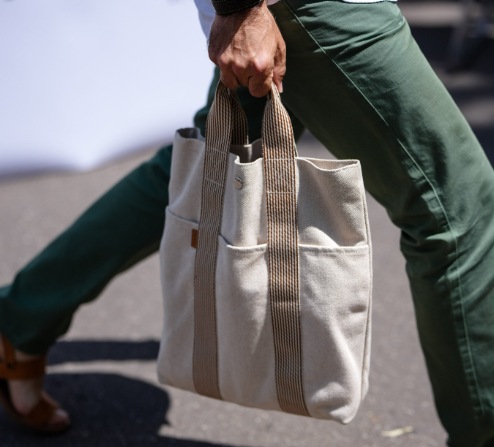
  2. DIY Tote Bag
    Reduce plastic use by turning mismatched pillowcases into reusable totes.
  3. Garment Bags
    Snip a small hole in the closed end for a hanger. Slip it over blouses or dresses to keep them dust‑free.
  4. Gift Wrap
    Wrap items Furoshiki‑style or simply place the gift inside and tie the opening.
  5. Patch Curtains
    Mix and match pillowcases to create quirky, colorful patch curtains with minimal sewing.
  6. Bar Stool Covers
    Add a pop of color or texture to your kitchen by slipping pillowcases over bar stools.
  7. Shoe Storage
    Perfect for winter boots — the cotton helps prevent scuffs and absorbs residual moisture to keep leather supple.

5. Upgrade to Quality Bedding

Now that you’ve cleared space and embraced the minimalist mindset, it’s time to treat yourself to better bedding. Neutral colors mean you need fewer pieces, which leaves more room in the budget for quality.

If you’re ready to elevate your sleep experience, check out mulberry silk sheets, pillowcases, and comforters — soft, breathable, and luxurious, awarded Best Value by Good Housekeeping.


👉Mulberry Silk Pillow cases and Bedding



When Florida Gets Cold, the Manatees Remember Where to Go

A Sudden Cold Snap in Crystal River

February 1, 2026: Photos coming out of Crystal River show manatees packing into Three Sisters Springs, clustering together like oversized gray dumplings as the cold weather hangs on. Whenever Florida gets a rare chill, the manatees make a beeline for the warmest water they can find — and this week, they’ve been pouring into the springs by the hundreds.

A Memory From 2017 That Still Sticks With Me

Hearing about the cold weather down there instantly pulled me back to my own visit in 2017, right in the wake of Hurricane Irma. The world above water was a mess of downed branches and storm debris, but beneath the surface, the springs were calm, almost sacred. And in that quiet blue world, I met a mama manatee and her “tiny” baby.

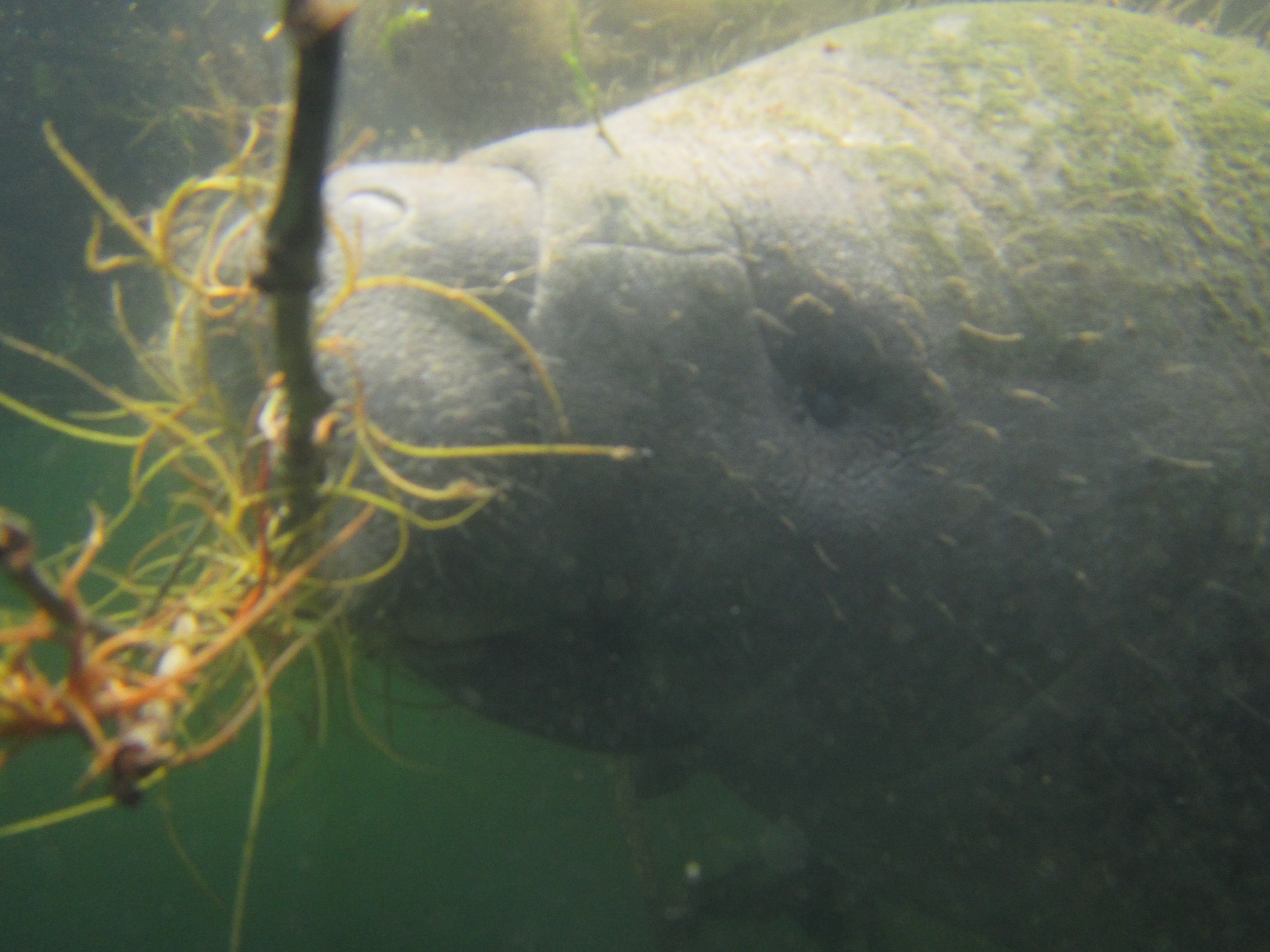
Chopping on Rope

The “Tiny” Baby Who Wasn’t Tiny at All

I use tiny loosely.
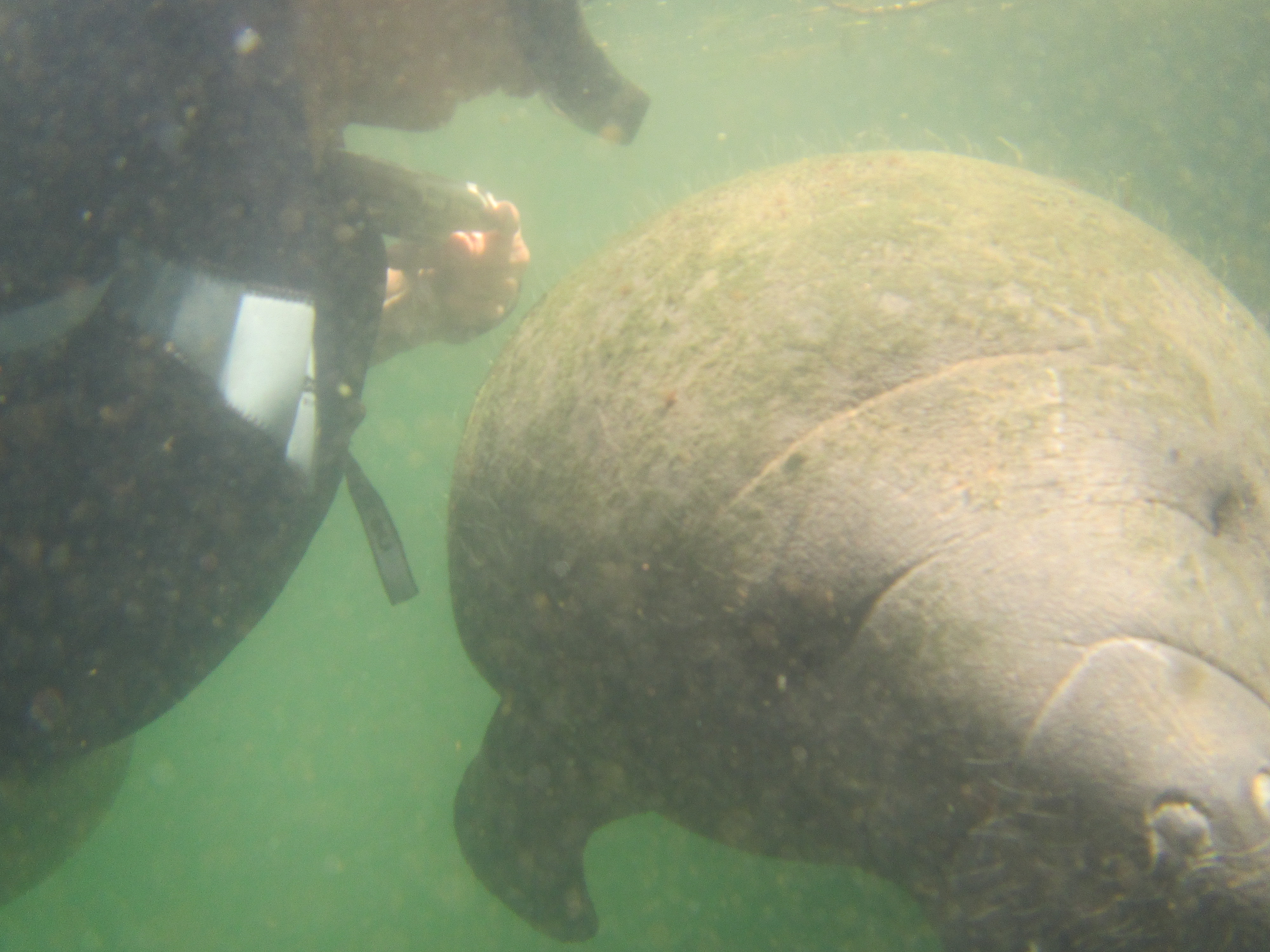
The calf was estimated at around 50 pounds — basically the size and shape of a fire plug with flippers. He was doing his best to look innocent while nibbling on the ropes dangling from the dock, like a toddler caught chewing on the furniture. His mother floated nearby with the patience of someone who had already accepted that her child was going to be “that kid.”

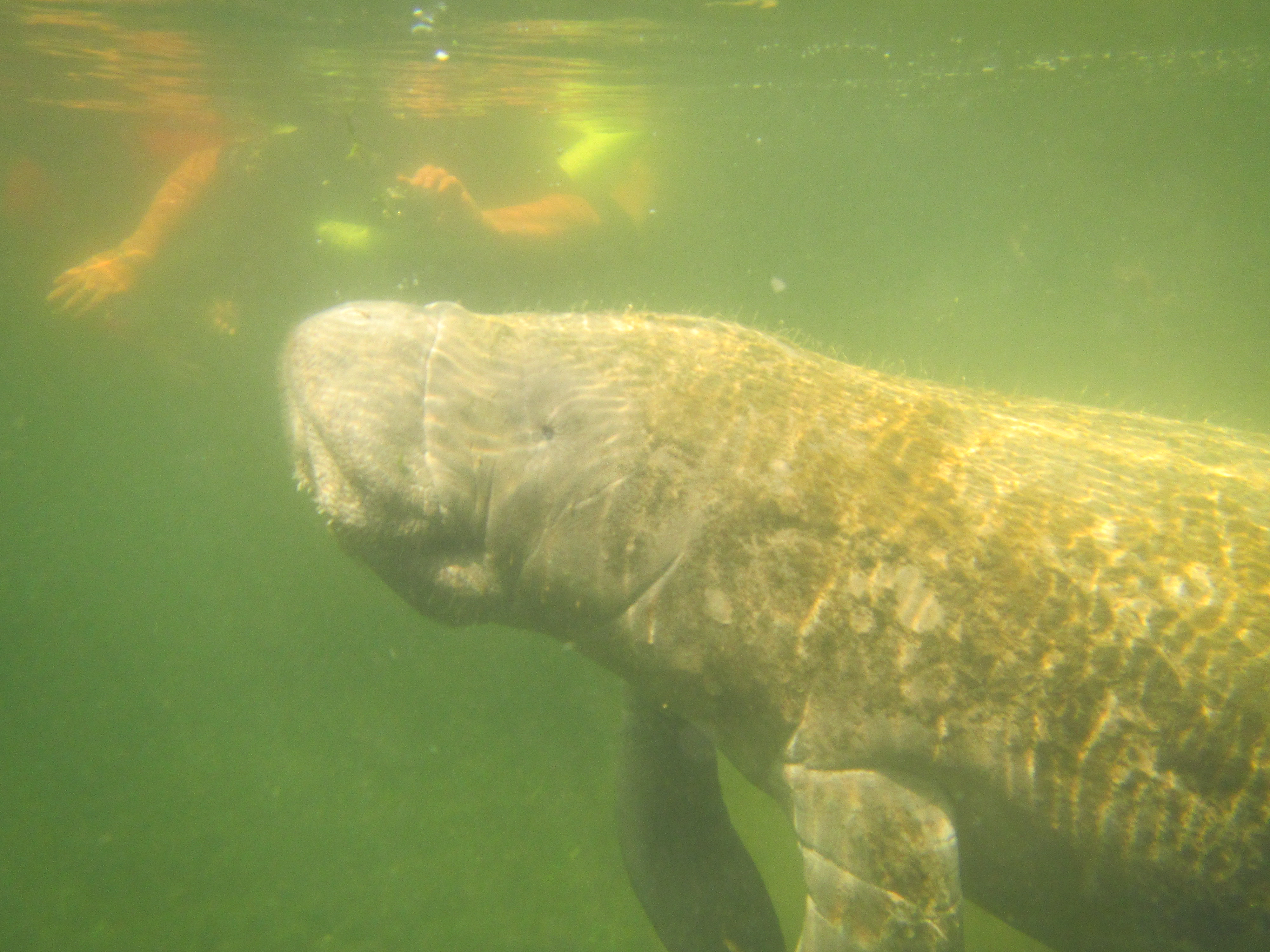
Manatee

That moment stayed with me. Maybe it was the contrast — the chaos of the hurricane versus the gentleness of these animals. Maybe it was the way the baby kept sneaking back to those ropes like they were the best snack in Florida. Whatever it was, I’ve had a soft spot for manatees ever since.

Baby Manatee

Why Cold Weather Hits Manatees So Hard

When water temperatures drop below 68 degrees, manatees are at risk of cold‑stress syndrome — a dangerous condition that can cause fatigue, skin lesions, and even death. The springs around Crystal River stay a steady 72 degrees year‑round, making them one of the most important winter refuges for these gentle giants.

Manatee in the Wild

So when the temperatures fall, they crowd into the springs not because it’s comfortable, but because it’s necessary.

How We Can Help

Cold snaps remind us that manatees aren’t just adorable “sea potatoes.” They’re survivors — but they’re survivors who need a little help.
A few simple things make a real difference:

  • Giving them space in the springs
  • Supporting seagrass restoration
  • Keeping waterways clean
  • Slowing down boats
  • Backing rescue and rehabilitation organizations

A Place They Can Always Count On

Every winter, the manatees return to the springs because they know it’s the one place that won’t let them down. The least we can do is make sure that stays true.


Groundhog Day, The Legend Continues


Groundhog Day: Shadows, Legends, and One Very Busy Groundhog

If you woke up this morning and thought, Wait… is it Groundhog Day already? — you’re in good company. February sneaks up on all of us, but Punxsutawney Phil never misses his cue. Today is the day we turn our eyes to Gobbler’s Knob and wait for the world’s most famous meteorological rodent to decide our seasonal fate.

A Legend Born in the Shadows

Punxsutawney Phil has been predicting the arrival of spring since 1887 — or so the legend goes. According to the Punxsutawney Groundhog Club, Phil is not just a groundhog but the groundhog, the same one for nearly 140 years thanks to a magical “elixir of life” lovingly administered each summer. Reality tells us groundhogs live about 14 years in captivity, but the story? The story insists Phil is eternal.

And yes — officially, there has only ever been one Phil. Unofficially? Let’s just say the Inner Circle keeps those details tucked tighter than their tuxedo collars.

From Candlemas to Gobbler’s Knob

Groundhog Day’s roots stretch back to Candlemas, when Christians brought candles to be blessed for good fortune through the rest of winter. German settlers later added an animal to the tradition — originally a hedgehog.

When they arrived in America and found no hedgehogs in sight, they turned to a plump, hibernating stand‑in: the groundhog.

Cue Punxsutawney Phil, stage left.

How Phil Makes the Call

Each February 2nd, Phil emerges from his burrow after a long winter’s nap:

  • Shadow spotted: six more weeks of winter
  • No shadow: early spring on the way

The ceremony draws thousands before dawn — fireworks, music, banquets, and a crowd that treats Phil like the furry celebrity he is.


Phil’s Family & Fun Facts

Phil isn’t alone in his weather‑predicting empire. He lives with his wife, Phyllis, and in 2024 they welcomed twins, Sunny and Shadow. He’s also met presidents, appeared on Oprah, and once wore a yellow ribbon in honor of American hostages.

Why We Keep Watching

Maybe Phil’s accuracy isn’t perfect (NOAA gently reminds us of that), but Groundhog Day isn’t really about meteorology. It’s about tradition, whimsy, and the joy of believing — even for a moment — that a small creature in Pennsylvania holds the keys to spring.

Honestly? On a cold February morning in New England, that’s exactly the kind of magic we need and if Phil wants six more weeks of winter, he can come shovel my walkway and explain himself.


UPDATE

Closing Welcoming Haven


 A Comedy of Errors (Mostly Mine)

When Your Online Store Has More Tumbleweeds Than Customers

I have an announcement today, and don’t worry — it’s not about another sale, coupon code, or “limited‑time offer.” Welcoming Haven, my brave little online store, is officially closing its virtual doors. If this were a movie, this is the part where the sad violin music plays while a single cardboard box gets carried out of an empty warehouse.

For seven months, I gave it everything I had: money, time, energy, and enough tears to qualify as a small saltwater ecosystem. I followed every expert tip, every “success is just around the corner!” pep talk, and every “don’t give up!” message from people who, frankly, weren’t the ones paying the bills.

And then tax season arrived like a spotlight at a crime scene. Let’s just say the numbers were… enlightening. I won’t share the total amount I spent on setup, ads, and fees, but I will say this: I lost my Amazon affiliate status because I couldn’t drive three qualifying sales in six months. Three. I have two cats who knock more things off tables in a day than I sold in half a year.

The Great Traffic Mystery (or: 6,000 Visitors and Not One Buyer)

At one point, paid ads brought in over 6,000 visits a week. Six. Thousand. That’s more people than live in some small towns. And yet not a single one of them clicked “add to cart.” I’m convinced some of them were just bots wandering the internet looking for snacks.

When the ad budget finally tapped out, traffic dropped to about 300 visits a week. You can imagine the math. Actually, don’t. It’s depressing.

Shopify eventually suggested I hire a consultant, and one was recommended. He worked on commission, which means he made exactly as much money as I did: zero. I’m guessing Welcoming Haven won’t be featured in his portfolio of success stories.

What’s Next (Besides Not Crying Over Abandoned Carts)

So yes, Welcoming Haven is closing. I’m sharing this not for sympathy, but because if anyone out there is thinking of starting an online store, I want you to know the truth: it’s not all sunshine, passive income, and “I made $10,000 my first month!” You can work hard, be honest, and do everything right — and still end up with a store that’s basically a very expensive hobby.

I’ll still share the occasional affiliate link for products I genuinely like, but I promise not to turn Around Dusty Roads into a nonstop infomercial. This space has always been about stories, curiosity, and connection, and that’s where I’m happiest.

Maybe I’m not cut out for e‑commerce, but I am cut out for writing, exploring, and laughing at myself — and that’s exactly what I plan to keep doing.

Last Day is February 26


Marinara vs. Pizza Sauce


What’s the Real Difference?

You’re in the grocery store planning a simple pizza night. As you scan the shelves, you see rows and rows of pasta sauces… and then a tiny little section labeled Pizza Sauce. Why so many options for one and barely any for the other? And what actually makes them different?

I wondered the same thing, so I asked. Here’s what I learned from my conversation with AI.
(And no—I haven’t tried this tweak yet, but it certainly makes sense.)


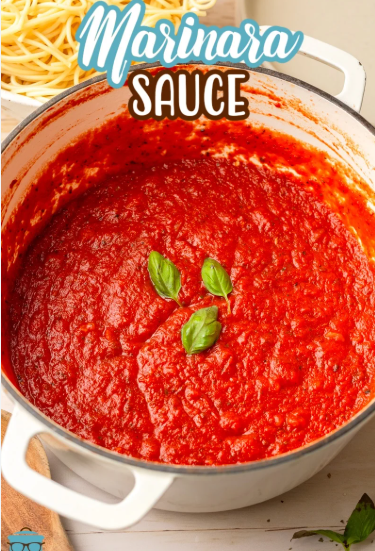
🍅 Marinara Sauce

Think: bright, chunky, quick‑cooked tomato goodness.

  • Made with crushed tomatoes, garlic, olive oil, and herbs
  • Cooked briefly, giving it a fresh, tangy, lighter flavor
  • Thinner consistency
  • Great for pasta, dipping, chicken parm, and more
  • Simple seasoning—no sugar, nothing heavy


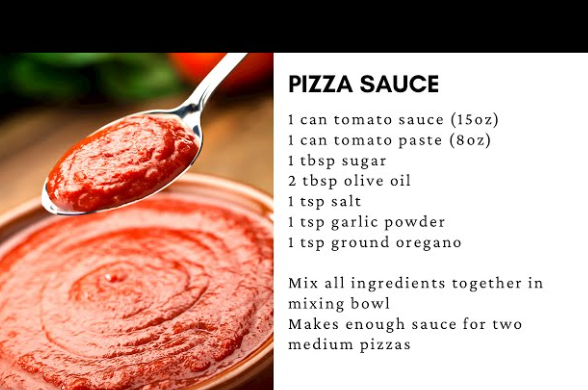
🍕 Pizza Sauce

Think: thicker, richer, and built to handle high heat.

  • Often made from uncooked or lightly cooked tomatoes (many pizzerias use raw purée)
  • Seasoned more boldly: oregano, basil, garlic, onion powder, sometimes a touch of sugar
  • Thicker so it won’t make the dough soggy
  • Designed to hold up under high oven heat and melt right into the cheese

The Easiest Way to Remember

  • Marinara = pasta
  • Pizza sauce = dough + cheese + high heat

You can swap them if you’re in a pinch. If you’re making one of your skillet pizzas, marinara will work—just simmer it a bit longer so it thickens and doesn’t soak into the crust.


🍕 The 5‑Minute Tweak to Turn Marinara Into Pizza Sauce

If all you have is marinara but you want that classic pizzeria flavor, this quick fix does the trick.

🔥 What to Do

Warm your marinara in a small pan and let it gently simmer to thicken. Then add:

  • A pinch of oregano
  • A pinch of garlic powder (yes, even if there’s fresh garlic already)
  • A tiny pinch of onion powder
  • A small pinch of sugar if the sauce tastes too acidic
  • Optional: a spoonful of tomato paste for extra body

🎯 What You Get

  • A thicker sauce that won’t soak into your crust
  • A deeper, more concentrated flavor
  • That unmistakable “pizza sauce” aroma

It’s a tiny tweak, but it makes a noticeable difference—especially for skillet pizzas, where the sauce needs to stay put and let the crust crisp up beautifully.