Jellyfish Jubilee: Celebrating the Ocean’s Drifting Wonders


🪼 Jellyfish Day: A Day to Celebrate Those Beautiful Invertebrates of the Ocean

Every year on November 3rd, Jellyfish Day invites us to marvel at one of the ocean’s most mesmerizing creatures. With their translucent bodies, hypnotic movements, and ancient lineage, jellyfish are both beautiful and mysterious. They’ve drifted through Earth’s oceans for over 500 million years, long before dinosaurs roamed the land. This day is a chance to honor their ecological role, learn about their diversity, and appreciate their surreal beauty. day

📜 A Brief History of Jellyfish Day

Jellyfish Day is a relatively new addition to the calendar of quirky nature holidays. While its exact origins are murky—much like the depths jellyfish inhabit—it likely emerged from marine conservation efforts and public fascination with these gelatinous drifters. Aquariums and ocean advocacy groups began spotlighting jellyfish to raise awareness about marine biodiversity and the threats facing ocean ecosystems.

⚠️ Venomous Jellyfish: Nature’s Elegant Danger

Not all jellyfish are harmless. Some pack a powerful sting:

  • Box Jellyfish: Found in Indo-Pacific waters, their venom can cause cardiac arrest in minutes.
  • Lion’s Mane: The largest jellyfish species, with tentacles stretching over 100 feet.
  • Portuguese Man o’ War: Not a true jellyfish, but its sting is notoriously painful.
  • Sea Nettle: Common along U.S. coasts, their sting causes irritation but is rarely dangerous.

🩹 What to Do If Stung

If stung by a jellyfish:

  • Rinse with vinegar (not fresh water).
  • Remove tentacles with tweezers.
  • Soak in hot water to ease pain.
  • Seek medical help for severe reactions.

🔁 The Immortal Jellyfish

Turritopsis dohrnii, dubbed the “immortal jellyfish,” can revert to its juvenile form after reaching maturity. This biological reset allows it to potentially live forever—unless eaten or injured. It’s a marvel of nature and a symbol of resilience.

Immortal jellyfish

🌊 Jellyfish Invasion

Warming oceans and overfishing have led to jellyfish blooms—massive swarms that disrupt fisheries, clog power plants, and alter marine food webs. While stunning, these invasions signal ecological imbalance and the need for ocean stewardship.

Jellyfish Invasion


🐠 Things to Do: Visit an Aquarium

Celebrate Jellyfish Day by visiting a local aquarium. The New England Aquarium in Boston or Mystic Aquarium in Connecticut offer breathtaking jellyfish exhibits. Watch them pulse and glow in darkened tanks—it’s like stepping into a living lava lamp.


🎁 Wrap Up

Jellyfish Day is more than a celebration—it’s a reminder of the ocean’s delicate balance and the strange beauty that thrives within it. Whether you’re captivated by their elegance, intrigued by their biology, or inspired to protect their habitat, jellyfish offer endless wonder. So this November 3rd, let your curiosity drift and dive deep into the world of jellyfish.

Numbats: Tiny Tongues, Big Conservation Tales


Pack your curiosity! Let’s return to the land down under for a close-up look at one of its tiniest treasures—the numbat.

Meet the Numbat: Australia’s Striped Marvel

The numbat (Myrmecobius fasciatus), also known as the walpurti or banded anteater, is a small marsupial native to Australia. Once widespread across southern regions, their numbers have dwindled dramatically since the 1970s. Today, fewer than 1,000 numbats remain in the wild, mostly in isolated pockets of Western Australia and a few reintroduced populations in New South Wales and South Australia.

These creatures are daytime foragers, using their keen sense of smell and impressive tongues to hunt termites. Their bodies measure around 11 inches long, not including their bushy tails, and they rely on hollow logs for shelter—making habitat preservation critical.

World Numbat Day: A Global Call to Action

Since 2015, World Numbat Day has rallied conservationists and animal lovers alike to celebrate and protect this endangered species. Spearheaded by Project Numbat Inc., the day highlights the importance of community involvement, responsible pet ownership, and habitat conservation.

Even if you’re not in Australia, you can support numbats by sharing their story, donating to conservation efforts, and spreading awareness. Removing hollow logs from the bush may seem harmless, but for numbats, it’s a matter of survival.

Why Numbats Matter

Numbats aren’t just cute—they’re ecological indicators and cultural icons. Their survival depends on our choices, from predator control to habitat protection. Organizations like Project Numbat Inc., Perth Zoo, and the Australian Wildlife Conservancy are working tirelessly to ensure these tiny termite hunters don’t vanish from the landscape.

So next time you see a numbat photo, let it inspire action—not adoption. Celebrate their wildness, support their conservation, and let their story remind us that even the smallest creatures deserve a place in our world.

Can You Keep a Numbat as a Pet?

If you’ve ever stumbled across a photo of a numbat and thought, “I want one,” you’re not alone. With their striped coats, pointy noses, and squirrel-like charm, numbats look like they leapt out of a storybook. Technically, in Australia, it’s possible to keep a numbat as a pet—with the right permits and licenses. But before you start dreaming of a backyard banded anteater, there’s more to consider.

Numbats are wild marsupials with very specific needs. Their diet consists almost entirely of termites, and they use their long, sticky tongues—nearly four inches in length—to scoop them up. They’re solitary by nature and thrive in quiet, undisturbed environments. Trying to replicate their habitat in a home setting is not only difficult—it can be detrimental to their well-being. Admiring them from afar is the kindest choice.

🖤 The Unlucky Myth: Why Black Cats Deserve Better


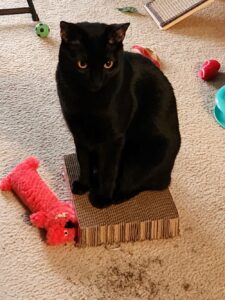
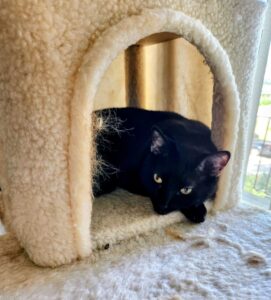
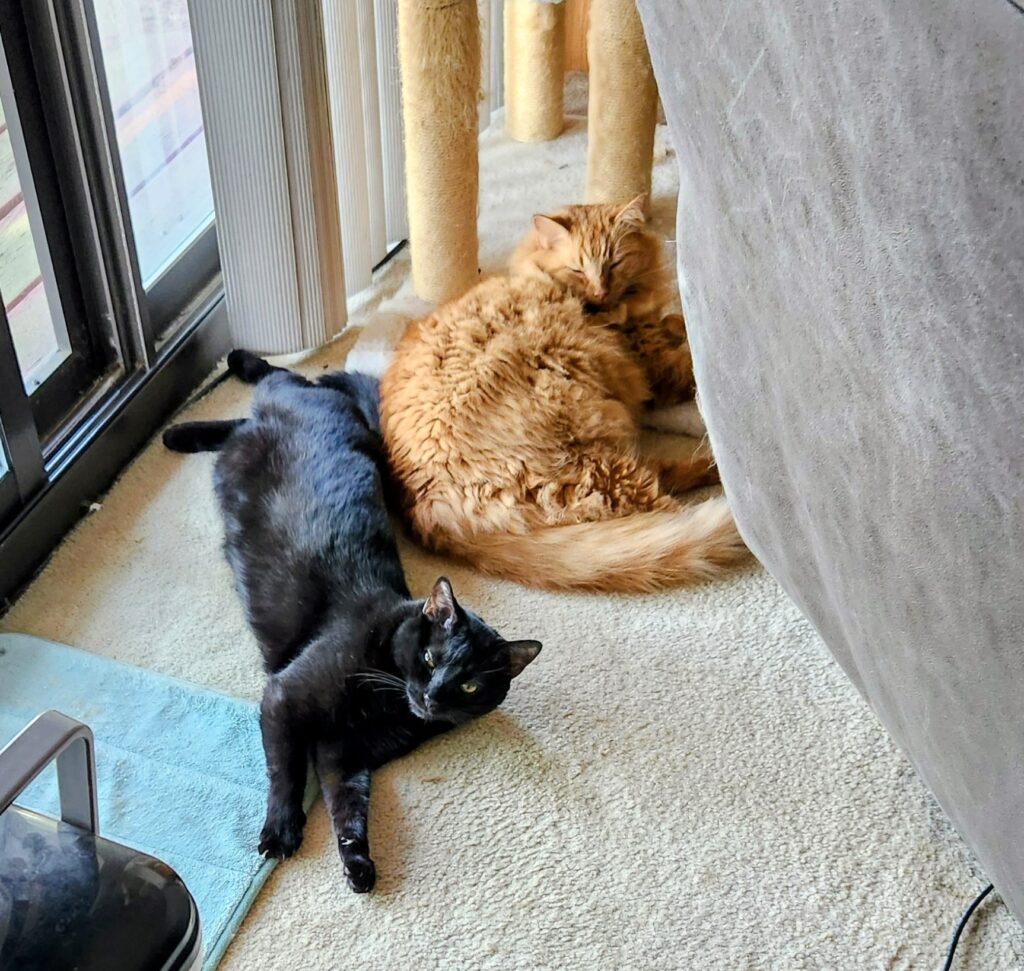
Its National Black Cat day

Today is a chance to help black cats everywhere cast off their underserved reputation as an omen of bad luck.  As the lead in to Halloween we take a moment to show our love and support for this mis- understood feline.


A Shadowed Reputation

Despite their sleek beauty and playful personalities, black cats often face unfair stigma. Rooted in centuries-old superstitions, these felines are still seen by some as omens of bad luck—a myth that continues to cast a long shadow over their fate.

The Adoption Gap

According to several animal-advocacy groups and adoption agencies, black cats experience significantly lower rates of adoption compared to their more colorful counterparts. Their dark coats may make them less noticeable in shelters, and outdated beliefs can deter potential adopters.

A Grim Reality

Tragically, this bias has real consequences. Black cats are euthanized at higher rates than other breeds, simply because they’re overlooked or misunderstood. Shelters often struggle to find homes for them, especially during peak intake seasons.


Turning the Tide

It’s time to rewrite the narrative. Black cats are just as loving, quirky, and magical as any other feline. By choosing to adopt a black cat, you’re not only gaining a loyal companion—you’re helping dismantle harmful myths and giving a deserving animal a second chance.

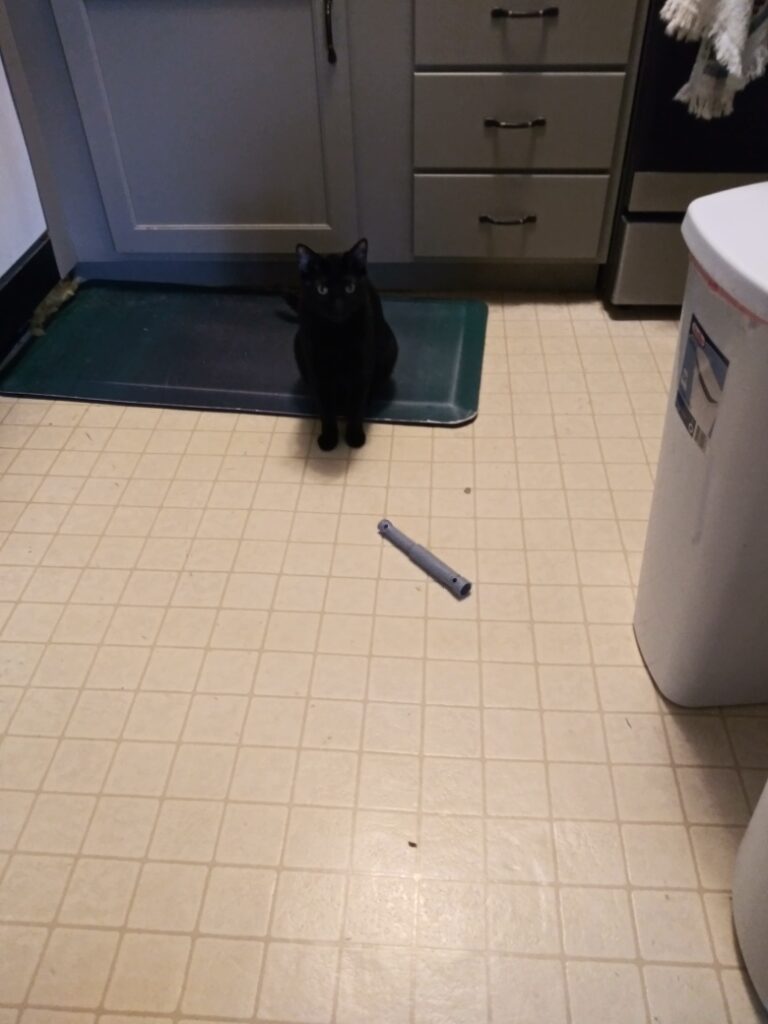
Our pet model for this post is Balboa, the photographer Deb Neumann. All rights reserved

Clicks That Count


Clicks That Count: Supporting Causes When Money Is Tight

We all have causes that tug at our hearts. Maybe it’s eradicating homelessness, supporting our veterans, or helping children in need. Organizations like Habitat for Humanity—Jimmy Carter’s favorite charity—and Tunnel to Towers Foundation (T2T), which pays mortgages for fallen heroes’ families, do incredible work. Then there’s St. Jude Children’s Research Hospital and the ASPCA, both household names in charitable giving. These nonprofits often ask for monthly contributions, which is wonderful if you can afford it. But what if you can’t?

The Greater Good: A Click That Feeds

For me, animals are the cause that speaks loudest. I wouldn’t argue that animal charities are more important than those supporting children or veterans—that’s a tough case to make. But animals are my heart’s choice. That’s why every morning, I post a link on Facebook to The Animal Rescue Site, part of the Greater Good network. Each click on that link helps fund food for shelter animals, thanks to generous donors. It’s completely free to click, so even when money is tight, you can still make a difference.

https://theanimalrescuesite.com/

More Than Just Animals

Maybe animals aren’t your passion—and that’s perfectly okay. The beauty of the Greater Good website is its wide range of causes. When you click my link, you’ll land on a page with a “View Causes” tab. From there, you can support efforts like rainforest conservation, breast cancer research, diabetes awareness, veterans’ meals, and more. Each click helps fund real-world impact, and none of it costs you a dime.

Pick Your Passion and Share the Link

It only takes a minute to help. Whether you’re drawn to animals, environmental causes, or human health, there’s a click for you. And if you ever lose the link, don’t worry—I share it every morning. One click, one cause, one moment of kindness. Let’s make those moments count.


Hop to It: Kangaroo Awareness Day Is Here

.Celebrate Australia’s National Kangaroo Awareness Day on October 24 with lore, laughs, and a leap into conservation!


🦘 A Day for the Bounding Icons of Australia

Every October 24, Australians (and marsupial fans worldwide) celebrate National Kangaroo Awareness Day—a heartfelt tribute to one of the planet’s most unique and misunderstood animals. With their powerful legs, curious gaze, and pouch-bound joeys, kangaroos are more than just a national symbol—they’re ecological keystones and cultural treasures.

This day raises awareness about the threats kangaroos face, including habitat loss and commercial hunting. It’s also a chance to spotlight their quirky behaviors, evolutionary marvels, and the joy they bring to those lucky enough to encounter them.

Kangaroo Lore: From Tree-Dwellers to Desert Sprinters

Did you know kangaroos evolved from possum-like ancestors that once lived in trees? Around 30 million years ago, these creatures descended to the forest floor and began adapting to Australia’s shifting landscapes. As grasslands spread, kangaroos developed their iconic hop—a locomotion style seen mostly in small animals but perfected by these big-footed “macropods”.

Why hop? Scientists theorize it’s a mix of speed, energy efficiency, and the need to keep their arms free for foraging. Plus, hopping helps them escape predators—rodents that hop are twice as likely to survive as those that run!

How to Celebrate with Heart (and Humor)

  • 🐾 Adopt a Kangaroo Buddy: Support wildlife sanctuaries by symbolically adopting a kangaroo. You’ll get updates on your furry friend’s adventures!
  • 🎬 Kangaroo Movie Night: Watch classics like Skippy the Bush Kangaroo or documentaries that showcase kangaroo life.
  • 🎨 Craft & Color: Make kangaroo masks, paint hopping scenes, or dive into coloring books with your kids—or your inner child.
  • 📸 Social Media Shout-Out: Share kangaroo facts, photos, or your own artwork using hashtags like #KangarooAwarenessDay.
  • 🍪 Bake Kangaroo Cookies: Whip up a batch of kangaroo-shaped treats using themed cookie cutters.  Perfect for parties, classrooms, or cozy afternoons.

🛒 Affiliate Note: Some of the kangaroo cookie cutters I mention may be affiliate links. That means if you make a purchase through them, I may earn a small commission—at no extra cost to you. I only recommend products that add a dash of joy and creativity to your celebration.

  • 🦘 Visit a Zoo: If you’re in Massachusetts, you don’t have to hop far to meet a kangaroo in person! Both Franklin Park Zoo in Boston and Southwick’s Zoo in Mendon feature kangaroo exhibits where you can observe these marsupials up close. It’s a great way to connect with wildlife, snap a few photos, and support conservation efforts

Lulu the Brave: A Kangaroo Heroine

In 2003, a hand-reared kangaroo named Lulu saved her human family by alerting them to a fallen farmer. Her bravery earned her the RSPCA Australia National Animal Valor Award—a reminder that kangaroos aren’t just cute, they’re courageous.


Whether you’re crafting kangaroo cookies or sharing marsupial memes, October 24 is a chance to leap into action for these magnificent creatures. Let’s celebrate with joy, creativity, and a pouch full of purpose.