The Day Nixon Protected the Wild


How December 28 Changed Our Natural World

Every so often, history hands us a moment that reshapes the way we care for the planet. December 28, 1973, was one of those days. On that winter afternoon, President Richard Nixon signed the Endangered Species Act (ESA) into law—an act that would become one of the strongest environmental protections in the world. And yes, it came from a president whose legacy is… complicated.

A Notorious Presidency: Why Nixon’s Name Still Echoes

Richard Nixon remains one of the most talked‑about presidents in American history. His administration was marked by the Watergate scandal, a political crisis that led to investigations, resignations, and ultimately his own resignation from office. The phrase “I am not a crook,” which he famously said in response to allegations, became a cultural shorthand for political scandal and mistrust.

Yet even amid controversy, Nixon’s presidency produced a surprising wave of environmental action. Under his administration, the Environmental Protection Agency (EPA) was created, and several landmark environmental laws—including the ESA—were signed. History is rarely tidy, and Nixon’s environmental legacy is a reminder of that.

What Exactly Is the Endangered Species Act?

The Endangered Species Act was designed to protect plants and animals at risk of extinction. It does three major things:

  • Identifies species that are endangered or threatened
  • Protects their habitats, preventing destruction or harmful development
  • Creates recovery plans to help species rebound

It’s not just a list—it’s a commitment. The ESA requires federal agencies to consider the impact of their actions on vulnerable species, making it one of the most powerful conservation tools ever created.

How the ESA Shapes Our World Today

The effects of the ESA ripple far beyond the forests and oceans. It influences how we build, farm, fish, and even how we plan communities. More importantly, it has helped pull dozens of species back from the brink, including:

  • The bald eagle
  • The American alligator
  • The peregrine falcon
  • The humpback whale *

Breaching Whale

These aren’t just animals—they’re symbols of resilience.

For us, the ESA protects biodiversity, which in turn supports healthy ecosystems. Those ecosystems give us clean water, stable soil, pollinators for our crops, and the natural beauty that inspires so much of our storytelling here on Around Dusty Roads.

Why This Moment Still Matters

In a world where climate change and habitat loss continue to threaten wildlife, the ESA stands as a reminder that policy can be a force for good. Nixon’s signature on that December day helped safeguard the natural heritage we pass on to future generations.

It’s a story of contradiction, hope, and the unexpected ways history shapes our world. And it’s a reminder that even in turbulent times, meaningful progress can take root.

Closing Thoughts

Today, the Endangered Species Act still stands as one of the most powerful conservation tools we have—but it’s not without new challenges. The current administration has proposed regulatory changes that many scientists and environmental groups warn could weaken key protections the ESA has relied on for decades. As these debates unfold, the future of wildlife conservation hangs in the balance. In our next post, we’ll take a closer look at the specific efforts underway to revise or roll back parts of the ESA, and what those changes could mean for the species that depend on it.

PS*: We need More Success Stories Like this

🎁 The Night the Animals Prepare


A Lighthearted Look at December 23rd


The Forgotten Day of the Holiday Season

December 23rd is the underdog of the holiday calendar. It’s not festive enough to get its own song, and it’s not dramatic enough to inspire a Hallmark movie. It’s the day we use to panic‑wrap gifts, lose the scissors repeatedly, and wonder why we bought so much tape last year but can’t find any of it now.

While we’re doing all that, the animals are busy with their own very serious preparations.


Dogs: Conducting the Annual Comfort Inspection

Dogs treat December 23rd like a personal performance review for their beds.

  • They circle with the intensity of a NASA docking maneuver.
  • They nudge blankets into shapes that defy geometry.
  • They sigh loudly, as if the fate of the season depends on proper fluffing.

By the time they settle in, you’d think they were preparing for a long winter’s nap sponsored by a luxury bedding company.


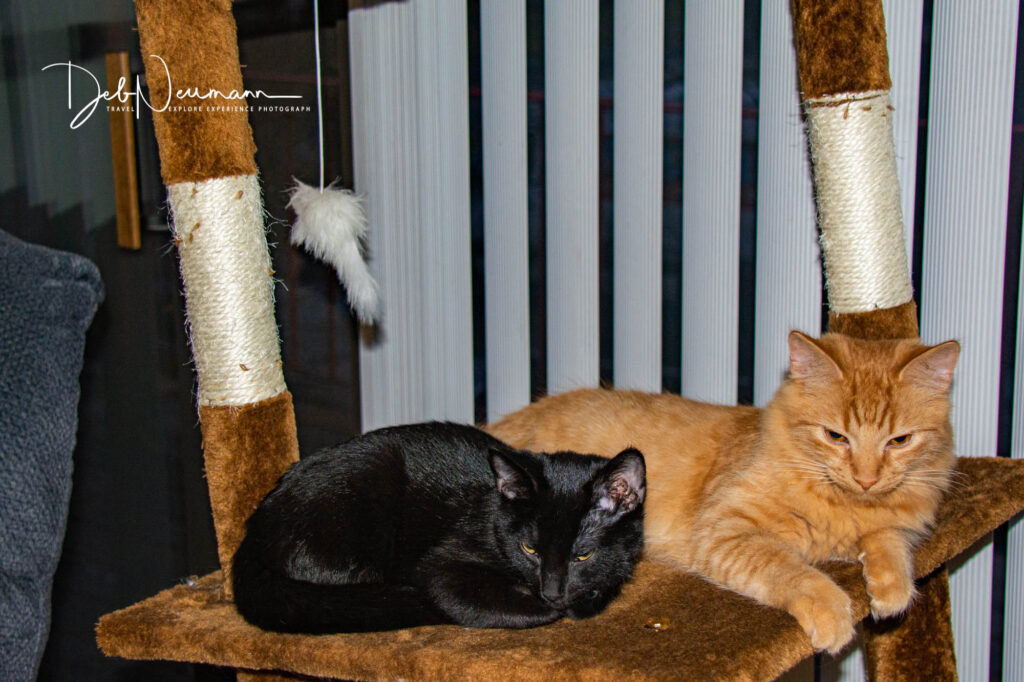
Cats: Scouting Prime Real Estate

Cats approach December 23rd with the focus of tiny, furry real‑estate agents.

They wander the house evaluating:

  • Sunbeam strength
  • Blanket softness
  • Human‑lap availability
  • The structural integrity of the laundry pile

By evening, they’ve chosen the exact spot where tomorrow’s holiday lounging will occur. And once a cat claims a location, it is — legally and spiritually — theirs.


Birds: Rehearsing the Holiday Morning Chorus

If you hear extra chirping on the 23rd, don’t worry — the birds aren’t arguing. They’re rehearsing.

They like to start the 24th with a crisp, cheerful soundtrack, and they take their warm‑up routine very seriously. Think of it as nature’s version of a soundcheck, minus the roadies..


Squirrels: The Last‑Minute Overachievers

Squirrels treat December 23rd like the final lap of a reality competition show.

They’re:

  • Stashing one last acorn
  • Reorganizing their secret treasure hoards
  • Sprinting across yards like they’re late for a meeting
  • Checking your flowerpots for “inventory purposes”

If you see a squirrel moving at warp speed, just know: it’s on a mission.


A Quiet Kind of Preparation

While we’re juggling to‑do lists and wrapping paper, the animals are carrying out their own traditions — no fanfare, no fuss, just small rituals that make the season feel a little cozier.

Maybe that’s the charm of December 23rd. Not the sparkle, not the spectacle, but the everyday routines happening all around us… reminding us that everyone prepares for the holidays in their own way.


Turkey Talk

🦃 Why Are Domestic Turkeys White?

A Totally Serious Interview with Two Turkeys

Reporter: Welcome to Turkey Talk Live! Today we’re asking the burning question: why are domestic turkeys white while wild turkeys strut around in earthy browns and blacks? Let’s hear it straight from the birds themselves.


Domestic Turkey (fluffing feathers):

“Listen, I didn’t choose this look. Humans bred me this way. Apparently, white feathers make me look ‘cleaner’ once I’m… you know… processed. Dark pinfeathers are like having spinach stuck in your teeth—nobody wants to see that on the holiday table. So voilà, I’m the snow‑white centerpiece. Fashion? Nah. It’s all about marketing.”


Wild Turkey (adjusting camo plumage):

“Meanwhile, I’m rocking these rich browns and blacks because I actually need to survive. Ever tried hiding from coyotes in a white feather coat? Forget it. My colors help me blend into the forest floor. I’m basically the ninja of the turkey world. Domestic cousin here couldn’t camouflage in a mud puddle if it tried.”


Domestic Turkey (sighing):

“True. I can’t fly well, I’ve lost most of my wild instincts, and honestly, if you dropped me in the woods, I’d probably ask for Wi‑Fi. But hey, I’m great at sitting still and looking plump, basically the couch potato of the poultry world. Humans love that.”


Wild Turkey (smirking):

“And I love not being dinner. So while you’re busy auditioning for the Thanksgiving table, I’ll be over here blending in with the leaves.”


Reporter’s Wrap‑Up

Domestic turkeys are white because humans bred them for a cleaner, more marketable look. Wild turkeys are dark because nature bred them for survival. One is hiding from predators, the other is hiding from gravy. It’s just the result of centuries of humans saying, “Hmm, this bird would look better if it matched the tablecloth.”

Looking Back at the Rich History of the Presidential Turkey Pardon

Yes,, I know Thanksgiving was last week but Gobble and Waddle are still giving thanks if they have any idea of the fate they escaped.

A Lighthearted Tradition Amid Serious Times

Every November, the White House sets aside politics for a moment of levity: the presidential turkey pardon. This year, President Donald Trump granted clemency to Gobble and Waddle, continuing a tradition that has become as quintessentially American as pumpkin pie. The ceremony, now in its 78th year, offers humor, gratitude, and a touch of whimsy against the backdrop of Washington’s otherwise weighty affairs.

Lincoln’s First Act of Mercy

The roots of the turkey pardon stretch back to 1863, when President Abraham Lincoln spared a bird at the request of his young son, Tad. The turkey, affectionately named Jack, was destined for the family’s Christmas table until Tad intervened. Lincoln’s compassion set the stage for what would later evolve into a national ritual.

Truman’s Myth and Kennedy’s Gesturetom turkey

Though often credited with beginning the tradition, Harry Truman never officially pardoned a turkey. The Truman Library confirms that the birds presented to him in the late 1940s were likely eaten. The first modern gesture of mercy came from John F. Kennedy in 1963, when he famously said, “Let’s keep him going,” sparing a 55-pound bird just days before his assassination.

Reagan, Bush, and the Formalization of the Pardon

In the 1980s, Ronald Reagan began sending turkeys to farms rather than the dinner table, joking about “pardons” during the Iran-Contra scandal. But it was George H.W. Bush in 1989 who officially declared a presidential pardon, ensuring the bird’s survival. Since then, every president has upheld the tradition, with Barack Obama pardoning the most—16 turkeys during his two terms.

Life After the White House

Pardoned turkeys don’t simply fade into obscurity. Many retire to farms, universities, or agricultural centers, serving as quirky ambassadors for American farming. Gobble and Waddle, this year’s stars, will enjoy retirement at North Carolina State University’s Prestage Department of Poultry Science. Meanwhile, millions of other turkeys—about 46 million each Thanksgiving—still meet a far less fortunate fate.

A Tradition of Humor and Humanity

From Lincoln’s compassion to Bush’s formal proclamation, the turkey pardon reflects both the lighter side of presidential power and the enduring appeal of Thanksgiving. It’s a reminder that even in the halls of government, there’s room for humor, kindness, and a nod to the nation’s agricultural roots.


Sources: TIME, CBS News, Yahoo News, USA Today, History.com, Wikipedia


🎄 Oh Christmas Tree, Oh Christmas Tree… Your Ornaments Are History


Or why I no longer have a Christmas Tree…


Challenge Accepted: The Ceiling Tree

We’ve all seen the viral photos: a Christmas tree mounted upside down on the ceiling, with a determined cat gazing up as if to say, “Challenge accepted.” It’s the ultimate test of feline agility. Forget gravity — cats see it as an invitation to defy physics and prove that no ornament is truly safe.

The Cardboard Forest

Why spend hours fluffing branches when cardboard boxes stacked in a pyramid will do? To us, it’s recycling. To cats, it’s a jungle gym. Add a few twinkle lights, and suddenly you’ve created the perfect climbing wall disguised as holiday décor. Bonus: no shattered glass ornaments when the inevitable leap occurs.

Godzilla Kitty Invades the Village

Miniature Christmas villages are meant to be serene, snowy escapes. Enter Buddy, my beloved (and now dearly missed) cat, who once claimed the center of the village like a furry Godzilla. Tiny ceramic houses trembled under his paws, and the townsfolk never stood a chance. It was equal parts adorable and catastrophic — a memory that still makes me smile every season.


The Joys of Decking the Halls with Cats

For every toppled ornament and paw‑printed snow scene, there’s laughter and love. Cats remind us that perfection isn’t the goal — joy is. Whether they’re scaling ceiling trees or stomping through villages, they bring their own brand of holiday cheer. And honestly, would Christmas feel complete without a little chaos?