Wild Encounters: From Squirrels to Whales

A great egret snatches a bit of hot dog, its yellow eye bright against the blurred green marsh.


When the Words Wander

Some mornings the words just pour out of me, and other mornings — like today — they wander off to do their own thing. I sat down wanting to write about a picture of a squirrel. Just a little gray squirrel. Nothing dramatic. But nature has a way of turning simple moments into something special.

A Squirrel in the Morning Light

It was early. The cats had dragged me out of bed, and I was opening the blinds over the sliders to the deck. The sun was just coming up, the air crisp and soft in that way only early morning can be. And that’s when I saw him.

He wasn’t racing along the fence or scrambling up a tree. He was perched perfectly still on top of an old tree stump — one of those storm‑fallen trees that had been trimmed back for safety. It made the perfect pedestal. The rising sun lit him from behind, turning his tail into a glowing halo. Whether you like squirrels or not, you had to appreciate that pristine moment.

The Scramble for the Camera

He was too far for a phone shot, so I reached for my Nikon. One quick look at the settings and… no battery. Of course. I dug into the camera bag, found my spare, and swapped it in. I haven’t used that camera in a couple of years, but muscle memory kicked right in. I was sure I’d missed the moment — but no. My little friend was still there, still posing. I got one shot off, and then he was gone, down the stump and into the brush. Banner wound around my feet, completely uninterested in the tiny drama unfolding outside.

Why Nature Photography Hooks Me

But that’s nature photography. Woodland creatures don’t care if they look fat or skinny or if they’re smiling. They don’t pose. They don’t wait. They just go on doing their little woodland things. That’s what makes it fun — and challenging.

The Ones That Get Away

I’ve had so many moments like that. At the Daniel Webster Wildlife Sanctuary in Marshfield, I’ve seen turtles, deer, birds… and once, three otters ran right across the path in front of me and dove into the pond. No picture, just a perfect memory. That’s how it goes. In nature, the moment happens fast and often without warning. I rarely catch those surprise encounters — they’re over before my brain even registers them.


The Rare Gifts

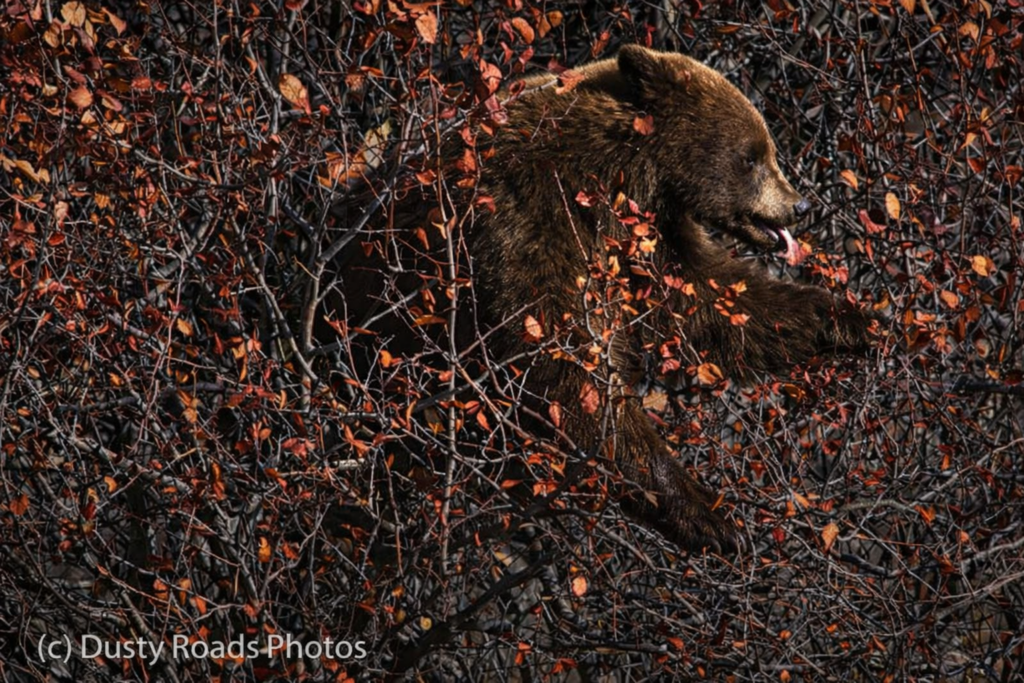
Bear Up a tree

Then there are the rare gifts. Like the time I was driving a dirt road in Wyoming and came upon a little bear in a tree, happily eating berries. He didn’t care that he had an audience. I got my shot that day.

The Long-Awaited Moments

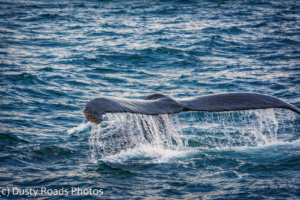
And then there are the moments you wait years for. I went on whale watches every year from the mid‑70s on — Massachusetts, Alaska, Hawaii. Decades of trips. But I never saw a whale breach until just a few years ago. First a baby humpback in Hawaii, then an adult off Cape Cod. And once I finally saw one, it was like the universe opened the floodgates. Suddenly I was seeing breaches everywhere — and because I was ready, I finally captured one of my favorite photos.Breaching Whale

Why I Keep Picking Up the Camera

I have so many stories like that — some with pictures to show for them, some that live only in my memory. But every one of them is a wonderful little interaction with the natural world. And that’s why I keep picking up the camera.


Its World Crocodile Day

Crocodile resting on a riverbank, highlighting the species for World Crocodile Day and its role in wetland ecosystems.


World Crocodile Day

It’s World Crocodile Day, coming right on the heels of World Turtle Day — another reminder that some of Earth’s oldest creatures are fighting for their future.

Crocodiles are incredible animals. They’ve been around since the age of the dinosaurs, surviving the mass extinction that wiped out nearly everything else. A meteor couldn’t take them out… but humans are giving it a pretty good try through habitat destruction, pollution, and hunting.

Steve Irwin, the Crocodile Hunter himself, understood them better than most. He once said, “Crocodiles are easy. They try to kill and eat you. People are harder. Sometimes they pretend to be your friend first.” He wasn’t wrong.


Crocodile Facts

  • Crocodiles can be found in nearly every corner of the world — North and South America, Africa, Australia, and Asia.
  • The Florida Everglades is the only place on Earth where crocodiles and alligators live together.
  • You can tell them apart by their snouts: alligators have broad, rounded snouts, while crocodiles have narrow, pointed ones.
  • Crocodiles tend to be larger. The saltwater crocodile can exceed 20 feet and weigh over 2,000 pounds.
  • Alligators are usually smaller. The American alligator typically reaches 10–15 feet and weighs 500–1,000 pounds.
  • Crocodiles can live in both freshwater and saltwater.
  • There are 15 species worldwide, including Australia’s famous “salties” and the Nile crocodile — found, of course, in the Nile River.

Crocodiles are living dinosaurs, apex predators perfectly adapted to their environments. They deserve the same chance at survival as every other creature sharing this planet.

It’s up to us to protect their habitats, reduce pollution, and ensure these ancient reptiles continue to thrive for generations to come.

Crocodiles survived the dinosaurs’ extinction. They shouldn’t have to survive us!


World Sea Turtle Day

Honoring the Ancient Guardians of the Sea

Sea turtles have been gliding through Earth’s oceans for more than 100 million years — long before humans, long before the continents looked the way they do today. These ancient mariners include seven species: green, hawksbill, Kemp’s ridley, leatherback, loggerhead, and the Olive ridley. The mighty leatherback holds the title of the largest of them all.

Sadly, nearly every species now faces danger. Hawksbills and Kemp’s ridleys sit at the edge of extinction as marine debris, habitat destruction, and poaching continue to threaten their survival.

The Honu, Sacred Turtles of Hawaii

snuba at Turtletown 2020

In Hawaii, people honor sea turtles as sacred beings. Five species live in Hawaiian waters: the green sea turtle (honu), the hawksbill (Honuʻea or ʻea) , the leatherback, the loggerhead, and the Olive Ridley.

Sea turtles are gentle giants, drifting with the currents and living quietly for 50–100 years — unless humans interfere. Their favorite meal is jellyfish, but our plastic addiction has turned the ocean into a minefield. Floating plastic bags look like jellyfish, and when a turtle swallows one, it fills their stomach and blocks real food. The result is slow, heartbreaking starvation.

On World Sea Turtle Day, let’s honor these ancient travelers by protecting the oceans they call home. Reduce plastic use, keep beaches clean, and give sea turtles the space and respect they deserve. The seas belong to them too — and they’ve been here far longer than we have.


Images of Our Natural World

Capturing the Wonder of our Natural World

Yesterday was Nature Photography Day, a celebration for anyone who loves the outdoors and the art of capturing it. Whether your passion is wildlife, landscapes, or the quiet little moments in between, it’s a day to honor the beauty of our natural world.

The North American Nature Photography Association (NANPA) established the day in 2009 to encourage people to enjoy, appreciate, and photograph nature in all its forms.

I began nature photography as my hobby a number of years ago. Here are some of my earlier efforts.  I hope you enjoy them as much as I enjoyed being out there taking them.

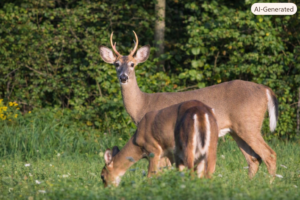
White‑tailed deer with velvet antlers standing in lush green meadow, nature photography

White Tail Deer (South Dakota)

Grand Canyon (Arizona)

Prickly Pear Cactus (Arizona)

Great Blue Heron (Massachusetts)

Painted Desert (Arizona)

Water Lily (Massachusetts)

Queechee Gorge (Vermont)

Moonrise (Florida)

Trumpeter Swan (Massachusetts)

Looking back at these early photos reminds me why I fell in love with nature photography in the first place. Thanks for taking this little trip down memory lane with me.

A Tough Morning for Conservation — and One Bright Spot of Hope


Crisp autumn morning at Mount Moran in Grand Teton National Park, the snowy peak mirrored perfectly in the calm water below.

Mount Moran reflected in the Snake River.. Grand Teton National Park

This morning I want to take a few minutes to get serious about a subject I truly care about. Not my cats and their furry antics. No joking around today. We’re facing a real shift in environmental conservation, and it’s not a good one for wildlife or the planet. We only have one world, and we need to do everything we can to keep it a safe, stable home to pass on to future generations.

Environmental Protections Under Pressure

Several news outlets reported new efforts to reduce or remove federal protections on land surrounding major national parks, including areas connected to Yellowstone. Conservation groups warn that these buffer zones support wildlife corridors — the pathways animals rely on to migrate, breed, and survive. Without them, the parks turn into isolated pockets instead of functioning ecosystems.

Other reports describe changes to protections for certain marine reserves. These changes open the door to expanded commercial activity in areas originally set aside to safeguard ocean habitats. Marine scientists and environmental organizations say the shift could weaken long‑standing conservation work.

Whether people support or oppose these policy goals, the impact is real. Wildlife, water quality, and future generations all feel the effects. It’s hard not to feel a sense of loss when protections that took decades to build can disappear so quickly.

A Reminder That Conservation Still Works

In the middle of all that discouraging news, something else crossed my feed — and it reminded me why conservation matters.

Just hours after California completed its first wildlife bridge, three deer walked across it. Fifteen hours. That’s all it took for wildlife to recognize and use a safe passage built for them. The moment felt like a small miracle. It showed how quickly nature responds when we choose protection over exploitation.

Wildlife bridges save lives — both animal and human. They reconnect fragmented habitats. They give species a fighting chance. And they prove that when we invest in solutions, we see results.

So yes, today’s headlines were heavy. But that photo of the deer on the new bridge offered a spark of hope. Even in difficult times, progress is still possible — and worth fighting for.

We only get one planet. Let’s do everything we can to protect the wild places that make it extraordinary.