⭐ Dinosaurs Always get my attention
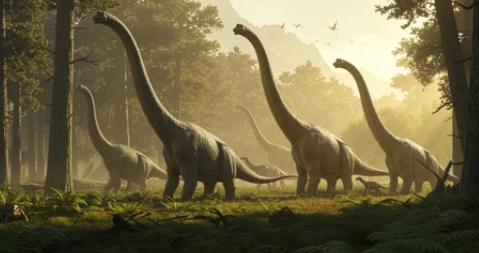
 The other night, as I was browsing through my streaming services for something new to watch, I stumbled across a documentary about how feathers developed in dinosaurs. I really enjoyed it — lots of AI‑generated dinos racing across prehistoric landscapes, parallels to modern birds, and a fresh twist on the whole “bird brain” idea. Turns out they were pretty intelligent.
Anyway, that got me thinking about dino digs, trackways, and all that good stuff. I actually visited a dinosaur dig in South Dakota once, and there’s that show Dino Hunters set in Montana, Wyoming, and South Dakota. And of course there’s the famous dinosaur trackway in Texas. It always feels like we’re headed west to find the remains of these creatures.
Nope. If you’re New England born and raised, you can see dinosaur tracks right here in the Northeast. We have our share too. Not that a western trip isn’t a great vacation option — but let’s think about what’s closer to home.
Once you start looking into it, you realize New England has some genuinely amazing prehistoric secrets tucked between its forests, highways, and old mill towns. One of the best examples is right in western Massachusetts:
🦕 Dinosaur Footprints Reservation — Holyoke, MA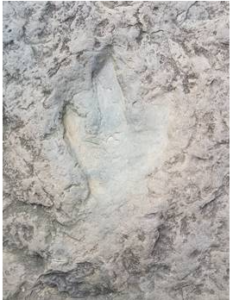
This place is a gem. It’s an 8‑acre stretch of sandstone along Route 5 where hundreds of Early Jurassic dinosaur tracks are preserved exactly where the animals walked about 190 million years ago. No casts, no replicas — the real deal.
It’s incredibly easy to visit:
- Location: 1099 US‑5, Holyoke, MA
- Open: April 1–November 30, sunrise to sunset
- Cost: Free
- Walk: A short 0.2‑mile path from the parking area
Once you’re there, you can wander along a simple trail and see:
- Tracks from four distinct types of dinosaurs
- Fossilized ripple marks from ancient pools
- Plant impressions and invertebrate traces
- Layers of sandstone that literally hold the footsteps of creatures who lived long before New England had forests, colonists, or even mountains in their current shape
A couple of rules keep the site safe:
- No crossing the railroad tracks
- Dogs must stay leashed
- No mountain biking
If you want to make a day of it, the Amherst College Museum of Natural History is nearby and has the world’s largest collection of dinosaur tracks — over 1,700 specimens, many from the Connecticut River Valley. Granby, MA also has additional track sites if you’re in full dino‑detective mode.
⭐ And here’s the funny part…
Even when you’re in western Massachusetts, you’re still kind of “going west” for dinosaur tracks — just not that far west. Holyoke, Granby, Amherst… they all sit along the Connecticut River Valley, which turns out to be one of the richest dinosaur trackway regions in the entire country.
Follow that ancient rift basin south, and you hit one of the biggest dinosaur track discoveries in North America.
 🦖 Dinosaur State Park — Rocky Hill, Connecticut
If Massachusetts gives you a taste of New England’s prehistoric past, Connecticut serves the full entrée.
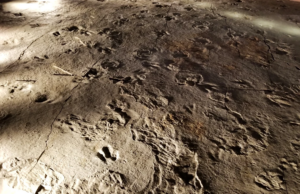
Dinosaur State Park is home to over 2,000 dinosaur footprints, most attributed to a three‑toed carnivore called Eubrontes. The tracks were discovered in 1966 during construction work — imagine being the person who looked down and realized the bulldozer had just uncovered a dinosaur highway.
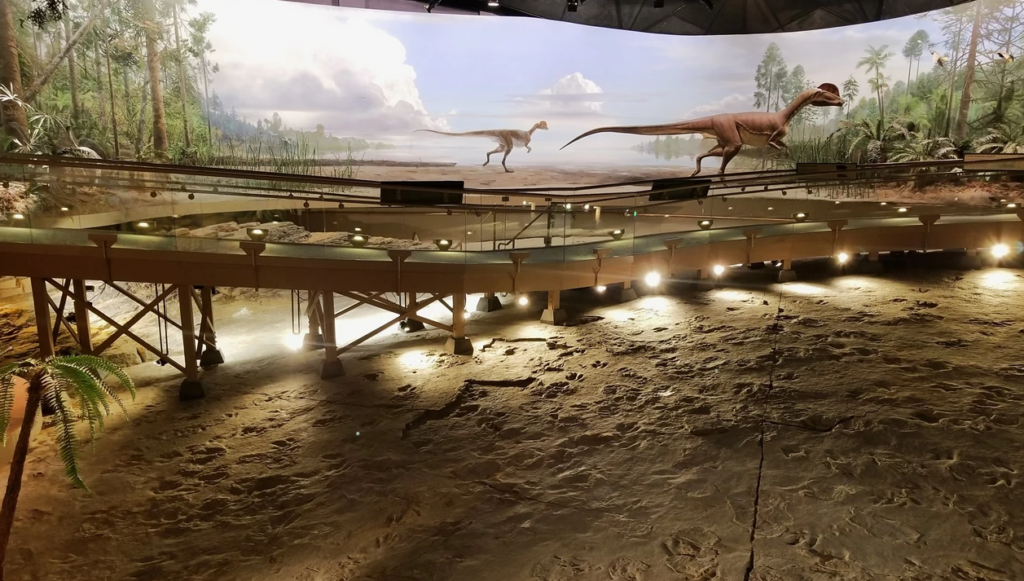
Only a portion of the site is visible under the geodesic dome, but thousands more tracks remain buried for preservation. It’s one of the largest trackways ever found, and it’s only a short drive from anywhere in southern New England.
The park also has:
- A museum with exhibits on the Triassic/Jurassic world
- Outdoor trails through the rift‑valley landscape
- A casting area where kids (and adults, no judgment) can make their own plaster track replicas
It’s the perfect example of why this post had to become Dinos in New England, not just Dinos in Massachusetts. The whole region is part of the same prehistoric story.
⭐ Closing
So go west, you dino hunters of today — just don’t go as far as you thought. Explore western Massachusetts and the Connecticut River Valley. Wander the sandstone, follow the ancient rift, and let those fossilized footprints pull you straight back into the age of dinosaurs. All of it waiting right here in our own backyard.
One More Thing
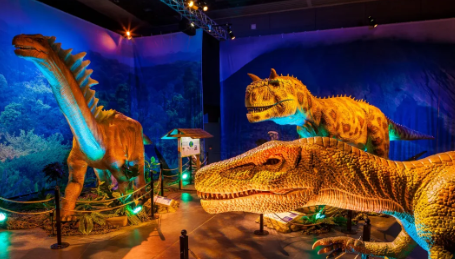
If you’re craving something a little more fantastical after all that real science, you can also check out Dino Safari at CambridgeSide. It’s a walk‑through adventure featuring life‑size animatronic dinosaurs, hands‑on fossil digs, a scavenger hunt, and even a virtual‑reality experience. It’s a limited‑time exhibit, closing on September 7, so don’t wait too long to visit.


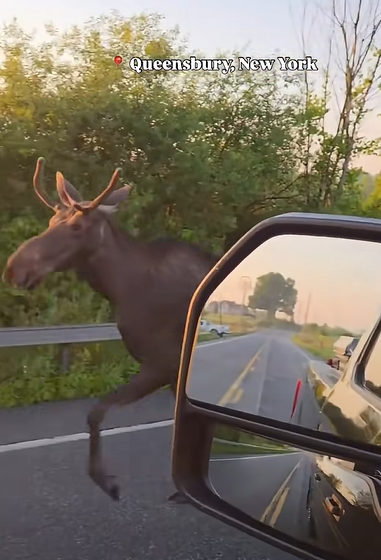
 Banner is reportedly shouting,


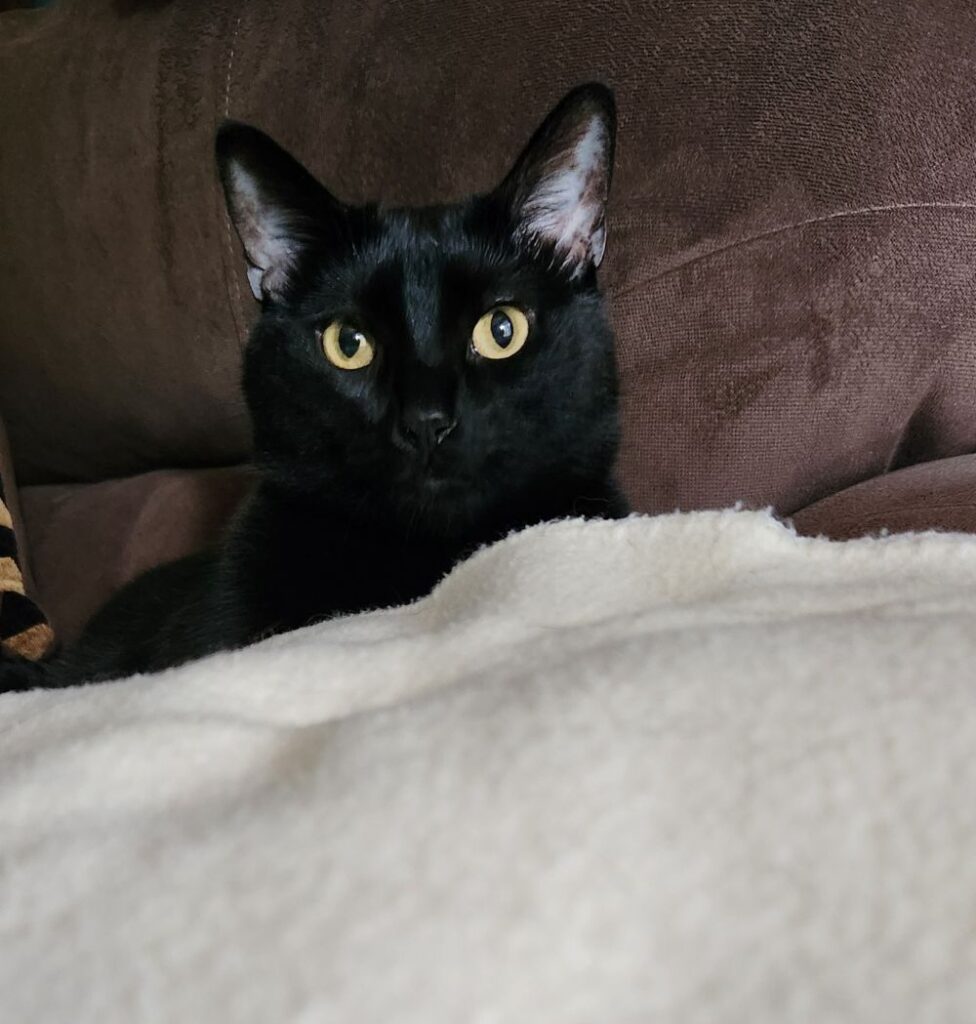
 A House Panther’s Sixth Year: Drama, Treats, and Tiny Claw Pokes
 one “pop” and immediately enter Witness Protection. This year’s barrage was especially bad; you’re still decompressing in your safe zones like a little furry war veteran, tucked into your kitty condos and behind the headboard.
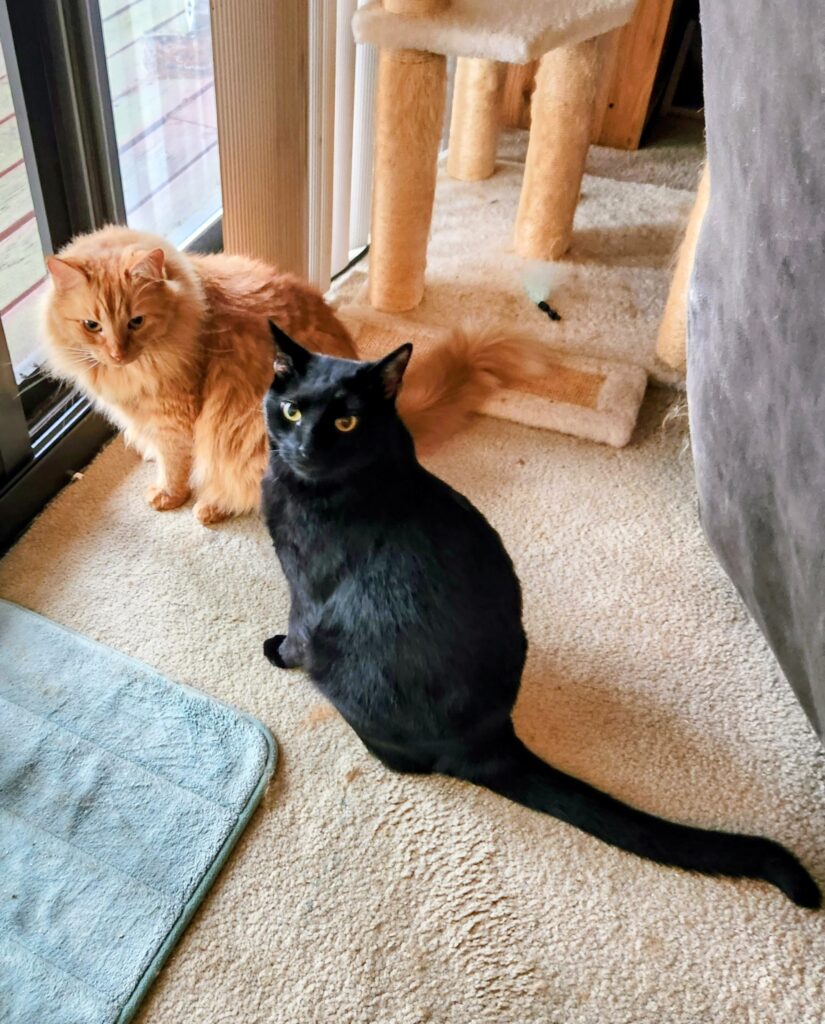
 Banner’s Response