The Kitchen Declutter Adventure , Week 2

Excellent progress on the bathroom. It truly took just 30 minutes a day — even with Banner and Balboa “helping.” All that’s left is to sweep out the bottom of the vanity and I can call Week 1 wrapped.


  • The Vanity Corner

Week 2: Kitchen & Pantry — The Real Test Begins

My decluttering adventure continues.

As you may recall, AARP claims you can declutter your entire home in 30 days. I’m testing that theory, one week at a time. Week 1 went surprisingly well — and yes, it really did take less than 30 minutes a day. It helped that I redecorated the bathroom a couple of years ago, so I wasn’t dealing with 20 years of fossilized lotions. Plus, I had Banner’s “help” with the medicine cabinet and Balboa’s supervision from the over‑the‑toilet storage shelves.

Somewhere in the middle of all this, my browser crashed. Not the computer — just the browser — but it slowed me down enough that I ended up “decluttering” my hard drive instead of my home. That saga deserves its own post.

But onward. Week 2 is Kitchen and Pantry, and the rules remain the same: no more than 30 minutes a day.

My tiny kitchen where culinary magic happens

My tiny kitchen where culinary magic happens

AARP suggests tackling the junk drawer on a weekday and getting rid of duplicates. Cabinets are also weekday tasks, except for the “big ones.” In my tiny kitchen, I’m not entirely sure what qualifies as a big cabinet, but the bottom line is clear: declutter them all.

Not a junk drawer, mostly confused

This is where things get emotional.

The mugs.

The Mug Cabinet

I have souvenir mugs from trips, funny mugs, mugs with pictures, mugs that remind me of people, places, and moments. One of the tasks this week is to thin those out and make room on the shelf. The rule is simple: if you don’t use it, out it goes. The rule is also cruel.

At least I can say one cabinet is already in good shape. The under‑sink cabinet is practically a showpiece at this point — I’ve been cleaning it out for the past year. Can I count that as “one down”? I’m counting it.

Pots, pans and baking essentials, all necessary for my culinary adventures

Pots, pans and baking essentials

Of course, Banner and Balboa will be deeply involved in this week’s work. They love the under‑sink cabinet. They’ve both figured out how to open the door even though it’s on a spring. I always know when they’re in there because I hear the rhythmic thud… thud… thud of the door swinging shut behind them.

The spice cabinet

So here we go. The clock is ticking, the mugs are trembling, and Week 2 begins. Can we get the kitchen back to it’s former glory? Let’s find out.

Counter Clutter


Pork Chops, Take Two: The Marinade Edition

Pork Chop experiments continue in Dusty's test kitchen


Overnight Soy & Worcestershire Pork Chops

Can success strike twice in Dusty’s Test Kitchen? Let’s find out.

It was another busy day in Dusty’s Test Kitchen, and yes — the pork‑chop experiments continue. My first attempt, Rediscovering Pork Chops: A Cast Iron Success Story, turned out so well that I had to try again. Could I repeat the magic?

This recipe is a little more involved than the last one, mostly because it needs an overnight marinade. But once the cooking starts, everything moves fast and easy.


Ingredients

Marinade

  • ½ cup soy sauce
  • ¼ cup Worcestershire sauce
  • 2 tbsp olive oil
  • 1 tsp paprika
  • 1 tsp garlic powder
  • 1 tsp onion powder
  • ½ tsp black pepper
  • ½ tsp salt (optional, depending on your soy sauce)
  • Optional: 1 tbsp brown sugar
  • Optional: ½ tsp ginger powder

Finishing

  • 3–4 tbsp butter, cut into pats
  • Optional: 2 smashed garlic cloves or a few thyme sprigs

Instructions

1. Marinate Overnight

  1. Whisk all marinade ingredients together.
  2. Add pork chops and coat well.
  3. Refrigerate 8–24 hours.
  4. Remove from the fridge 20–30 minutes before cooking.

2. Pan‑Sear

  1. Preheat oven to 400°F.
  2. Heat a cast‑iron or heavy skillet over medium‑high until very hot.
  3. Add a thin layer of oil.
  4. Sear chops 2 minutes per side to develop color.
    • Do not cook through during this step.

3. Oven Finish with Butter

  1. Turn off the stovetop heat.
  2. Add the pats of butter to the bottom of the pan.
  3. Place the seared chops on top of the butter.
  4. Transfer the pan to the oven.
  5. Bake 5–8 minutes, depending on thickness.
  6. Remove when internal temperature reaches 140–145°F.
  7. Let rest 5 minutes before serving.


Notes

  • This method keeps thinner chops tender by combining a moisture‑boosting marinade, a quick sear, and a gentle oven finish.
  • The butter melts underneath the chops and bastes them as they finish, giving a glossy, savory finish.
  • Works with bone‑in chops too — just add 2–4 minutes to the oven time.
  • I served mine with oven‑roasted potatoes. I started the potatoes when I took the chops out of the refrigerator, so they had a 30‑minute head start.


My Rating

I’m giving this one 4 stars. Very flavorful, very tender — just shy of that 5‑star wow factor for me. But you can be the judge.


Rediscovering Pork Chops: A Cast Iron Success Story


A Budget-Friendly Find at Hannaford

Hannaford had pork chops on sale this week. They also had sirloin steak on sale — and it looked beautiful — but even with the discount, one steak would have blown my entire food budget. Meanwhile, I could get eight center‑cut pork chops for seven dollars. As much as I love a good steak, the better value was pretty obvious.

My Complicated History with Pork Chops

Here’s the thing: I’m not usually a pork chop person. I like pork, I love ham, but I’ve only had one pork chop recipe in my life that I’d rate five stars — a slow‑cooker recipe. Growing up, we ate pork chops often, always pan‑fried with lots of salt and pepper, and they always seemed tough. So I’ve never gone out of my way to cook them.

Could Cast Iron Save the Day?

But then I remembered how beautifully the cast iron chicken breast recipe turned out. That got me wondering… could I use the same method for pork chops?

I had a simple three‑ingredient recipe saved — the kind you bake in a foil‑covered dish — and I thought I might be able to adapt it to cast iron. And once I started, I decided it needed a gravy too. Egg noodles were already on the menu, so why not go all in.

A Major Success

Let me tell you: this was a winner.

The whole meal came together fast. The noodles cooked while the chops finished in the oven, and the gravy took maybe five minutes — probably less, but I didn’t time it because I was too busy tasting it. The chops came out tender and moist, with that brown‑sugar‑Italian‑herb glaze that tastes like you fussed way more than you did.

And the gravy… oh my. So yummy.

Cleanup was a breeze too. The cast iron pan wiped right out — no sticking at all, even with the brown sugar.

I have a whole new outlook on pork chops now.


Cast Iron Italian‑Rub Pork Chops (with Easy Pan Gravy)

Boneless, center‑cut, about ¾‑inch thick

Bonless Center cut poek chops are the feature of this dish

Ingredients

Pork Chops

  • 4 boneless center‑cut pork chops (¾‑inch thick)
  • 1 packet dry Italian dressing mix
  • 2–3 tbsp brown sugar
  • 1–2 tbsp oil (for the pan)

Gravy

  • Drippings from the pan
  • 1 tbsp butter (optional)
  • 1–2 tbsp flour
  • ¾–1 cup chicken broth
  • Optional: splash of cream or milk
  • Pepper to taste

Instructions

1. Season the Pork

Mix the Italian dressing mix and brown sugar. Pat the pork chops dry and coat them on all sides.

2. Sear in Cast Iron

Heat a cast iron skillet over medium‑high and add a thin film of oil.
Sear the chops 1–1½ minutes per side until lightly browned.

3. Finish in the Oven

Transfer the skillet to a 400°F oven.
Bake 8–12 minutes, depending on thickness.
Remove when the internal temperature reaches 140–145°F and let rest 5 minutes.


Make the Gravy

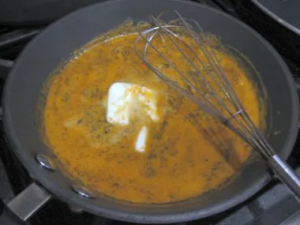
The gravy hits all the right notes and gets to simmer quickly

simmering gravy

  1. Remove the chops to a plate.
  2. Keep the skillet over medium heat.
  3. Add 1 tbsp butter if the drippings look sticky or sparse.
  4. Sprinkle in 1–2 tbsp flour and whisk to form a roux.
  5. Slowly whisk in ¾–1 cup broth until smooth.
  6. Scrape up all the browned bits.
  7. Simmer 2–3 minutes until thickened.
  8. Adjust seasoning with pepper or a splash of cream.

Serving Notes

  • Spoon the gravy over egg noodles and let it run onto the pork chops.
  • Add parsley if you want a little color.
  • Leftovers reheat beautifully.


Let Me Know If You Try It

If you give this recipe a try, I’d love to hear how it turned out for you. Did the gravy win you over too? Leave a comment and let me know — I’m always curious how these cast iron experiments work in other kitchens.


Cast Iron 101: Easy Care for a Hard‑Working Pan

Skillet Deep Dish Pizza (Pepperoni of course)


Skillet apple pies look as good as they taste

Skillet apple Pie

Cast Iron Care: What Every Skillet Lover Should Know

If you’ve followed my recipes for more than five minutes, you already know I’m a cast‑iron girl through and through. Skillet pizzas, cornbread, seared chicken, cobblers — if it can be cooked, it’s probably been in my pan.

And because I use mine so much, I get a lot of questions about how to care for cast iron. So let’s talk about what actually matters, what’s just old folklore, and the one thing you should never do… which I learned the hard way. (Twice, actually — but we’ll get to that.)


🥘 Myth: Cast Iron Is Delicate

Skillet Lasagna

Reality: It’s basically indestructible.

Cast iron is iron — heavy, tough, and built to outlive us all. I have pieces that have survived generations, yard sales, rust, and one dramatic move where a skillet somehow ended up in a snowbank.

And speaking of snowbanks… once upon a time, a well‑meaning roommate overheated oil, panicked when it caught fire, and launched my cast‑iron pan — still flaming — straight into a drift outside. The pan survived. My blood pressure? Less so.

If that doesn’t prove cast iron’s durability, nothing will.


🧼 Myth: You Can’t Use Soap

Reality: You absolutely can.

A little mild soap won’t hurt your seasoning. That polymerized layer is bonded to the metal — it’s not going to wash off with a drop of dish soap.

If you’re worried about lingering flavors, a quick baking‑soda scrub (2 parts baking soda, 1 part water) neutralizes odors without harming the surface.

Skillet Meat Loaf ( My absolute favorite)


🍅 Myth: Acidic Foods Will Ruin It

Reality: Short cooks are fine.

A quick pan sauce with wine? Totally okay. A tomato‑heavy braise simmering for hours? Maybe choose another pot. But everyday cooking won’t hurt a well‑seasoned skillet.


🔥 How to Season Your Skillet (The Simple Way)

  1. Wash with hot water (and soap if needed).
  2. Dry completely — water is the real enemy.
  3. Rub on a tiny amount of neutral oil.
  4. Wipe it out until it looks like you wiped it all off.
  5. Heat it until it just begins to smoke.
  6. Cool. Repeat if you want a deeper layer.

The more you cook, clean, dry, and lightly oil it, the better it gets.


🧽 How to Clean Cast Iron After Cooking

  • Remove food bits (soap is fine). (or scrub with salt)
  • If the flavor was strong, give it a baking‑soda scrub.
  • Rinse and dry thoroughly.
  • Add a whisper of oil, wipe it out, and warm it for a minute.
  • Store with a paper towel between pans if stacking.

❌ The One Thing You Should Never Do

Put it in the dishwasher.

Ask me how I know.

That same helpful roommate once tossed one of my favorite skillets into the dishwasher thinking they were doing me a favor. It came out gray, dull, and rough — like it had aged 40 years in one cycle. I’ve re‑seasoned it multiple times, and while it’s usable, it has never quite returned to its pre‑dishwasher glory.

Between the flaming‑snowbank incident and the dishwasher debacle, I’ve learned one thing:
Cast iron can survive almost anything… but your roommates might not.

Skillet Corn Bread


❤️ Final Thoughts

Cast iron isn’t fragile. It’s a workhorse. Use it for sweet, savory, and everything in between. Clean it, dry it, oil it lightly, and keep it out of the dishwasher. Treat it well, and your grandchildren will still be flipping pancakes in it someday.

Skillet Roast Chicken Breasts


Cast Iron Pan–Roasted Chicken Breasts


Another Cast Iron Skillet Recipe

I can’t believe I have another cast iron skillet recipe to share—and this one is so simple it’s almost laughable. Honestly, I don’t know why I never thought of it before.

Chicken is a staple in my house. It’s usually cheaper than beef and always easy to find. I keep chicken breasts or tenders wrapped and frozen so I can thaw them for a quick meal. Roast chicken, schnitzel, chicken and broccoli… the list goes on.

Recently I read a cooking article claiming that roasting chicken breasts in a cast iron pan gives you juicier, more tender results than using a baking dish. I’ll admit, I raised an eyebrow. But I do love my cast iron pans, so of course I had to try it. And I bet you know where this is going—the expert was right. Cleanup was a breeze, too.

They offered all kinds of variations, but for my test run I kept it simple. No cheese, no breadcrumbs—just a naked chicken breast with a little salt and pepper.


Cast Iron Pan–Roasted Chicken Breasts

Ingredients

  • 2 bone‑in chicken breasts (I only had boneless and they worked perfectly)
  • Salt and pepper
  • 1 tablespoon butter
  • 1 tablespoon oil

Instructions

  1. Preheat oven to 425°.
  2. Preheat your cast iron pan on the stovetop for a few minutes (a 10‑inch pan fits two breasts).
  3. Generously salt and pepper the skin side of the chicken breasts.
  4. Add butter and oil to the pan at the same time.
  5. When the butter and oil are melted and hot, place the chicken in the pan, skin side down.
  6. Let it sear for a few minutes.
  7. Season the other side with salt and pepper.
  8. Flip the chicken and let the second side sear for a minute or two.
  9. Transfer the pan to the oven and roast for 20–30 minutes, or until the chicken reaches an internal temperature of 165° (use an instant‑read thermometer).
  10. Let the chicken rest for 5 minutes before slicing.


I served mine over boil‑in‑bag rice cooked in water flavored with chicken broth. Add the sliced chicken, a squeeze of lemon juice, and voilà—a meal to remember. The chicken was juicy and flavorful, the salt and pepper formed a beautiful crust, and my well‑seasoned cast iron pan wiped clean without a fuss.

This one is definitely joining my dinner rotation.